How Do I Get Rid Of Google Searches
Let’s be honest: the real horror movie of 2024 isn’t a haunted house—it’s the digital ghost that follows you from a bad breakup, a 2012 job interview, or that phase where you thought a thick mustache was a personality. The question “How do I get rid of Google searches?” has mutated from a niche cyber-security query into a survivalist mantra for the chronically online. We’ve all been there: you’re pitching yourself to a client, a date, or a future employer, and you know they’ve already typed your name into the void. The results? A graveyard of blurry party photos, a defunct GeoCities page, and a local news article about a parking dispute that you definitely won but the headline says otherwise.
This topic has blown up faster than a Celsius-sponsored influencer’s heart rate. It’s no longer just about cyberstalking your ex; it’s about curating your digital legacy in an era where ChatGPT cites your Reddit history as fact. The conversation has shifted from “Can I delete this?” to “How do I bury this under a mountain of premium content?” We are witnessing a cultural shift where privacy is a luxury good, and the ability to manipulate search results is the new status symbol. It’s a blend of vintage PR damage control and hyper-modern algorithmic warfare, and everyone from your corporate overlord to your sneakerhead cousin is trying to figure out the cheat code.
Why is everyone suddenly obsessed? Because we’ve realized that Google doesn’t just index the web; it indexes our mistakes. The rise of "digital shadow" audits on TikTok, where creators film themselves searching for their own names in horror, has turned this into a spectator sport. It’s the ultimate anxiety fuel: a mix of vanity, paranoia, and the very rational fear that an AI bot will use your old forum post to deny you a mortgage. We are living in an era of radical curation, where forgetting is a privilege and the "Delete" button is a mythical artifact. Welcome to the art of digital exorcism, where the exorcist is a SEO strategist and the holy water is a freshly published LinkedIn article.
Must Read
The Weird, Toxic Subculture of the Digital Exorcism
Dive deep enough into this rabbit hole, and you’ll find a cult-like ecosystem of "Reputation Management" gurus who speak in cryptic acronyms (SERP, DA, PA) and promise to make your past disappear for a fee that rivals a used Honda Civic. There’s a specific, strange subculture on Reddit and X (formerly Twitter) where users share screenshots of their "cleansing journeys," comparing the metrics of their deleted tweets like they’re trading crypto. It’s a bizarre mix of techno-shamanism and obsessive-compulsive behavior, where the goal isn't just to look innocent, but to look boringly, sterilely perfect—a living, breathing, LinkedIn-approved avatar.
The toxicity lies in the class divide. The rich and the famous have PR teams to scrub their digital footprint; they don’t care about the cost. The rest of us are left scraping the bottom of the algorithmic barrel, trying to figure out if we can pay for "content removal" on sketchy websites or if we have to resort to the nuclear option: changing our name and moving to a cabin without Wi-Fi. Social media dynamics have turned this into a high-stakes game of digital hide-and-seek. There is also an unspoken, creepy voyeurism in this subculture—people don't just want to clean up their own mess; they want to dox others for fun. The cultural shift is clear: we have normalized the idea that your search results are your first impression, and if you're not actively manipulating them, you’re leaving money and love on the table.
Operation Digital Cleanup: How to Kill Your Google Dirt (Without Losing Your Sanity)
First, you need to stop hyperventilating and start auditing your digital inventory. Go incognito (or use a VM) and search your name, your username, your email, and your phone number. Take screenshots. Yes, it feels like looking at a crime scene photo of your own ego, but you need to know what the enemy looks like. Categorize the results: the bad (arrest records, hateful comments), the neutral (old job listings), and the obsolete (your 2009 MySpace blog). The goal isn't necessarily to delete everything—some people turn up zero results, which actually screams "I'm either a ghost or a psychopath." You want to curate the narrative, not annihilate yourself.
Next, attack the low-hanging fruit. This is the 80/20 rule of digital purging. For every major social media platform (Instagram, X, Facebook, TikTok), go through your privacy settings and disable "public visibility." You want to funnel your presence behind a wall of "Friends" or "Private Account." This instantly removes massive chunks of data from Google’s index. Then, contact the webmasters of trashy gossip or aggregator sites that have reposted your ugly photos. It’s tedious, but a polite, threateningly-litigious email to their DMCA contact often works. Look for the "Remove My Information" pages that most data brokers (WhitePages, Spokeo) are legally required to have. You might spend an afternoon clicking "Opt-Out," but that’s an afternoon well spent compared to a lifetime of cringe.
The nuclear option is content creation—the biggest weapon in your arsenal is overshadowing. You cannot delete a Google Search; Google is an index, not a librarian with a shredder. So, you must starve the bad results by flooding the market with good ones. Start a portfolio website using your actual name (buy the domain!). Write Medium articles about your industry. Create a YouTube channel about your cat, your cooking, or your coding skills. Every piece of content you control or put on high-authority domains (LinkedIn, GitHub, Behance) will start pushing the junk down to page two, which is the digital equivalent of non-existence. You're not deleting the past; you're building a skyscraper over the landfill.

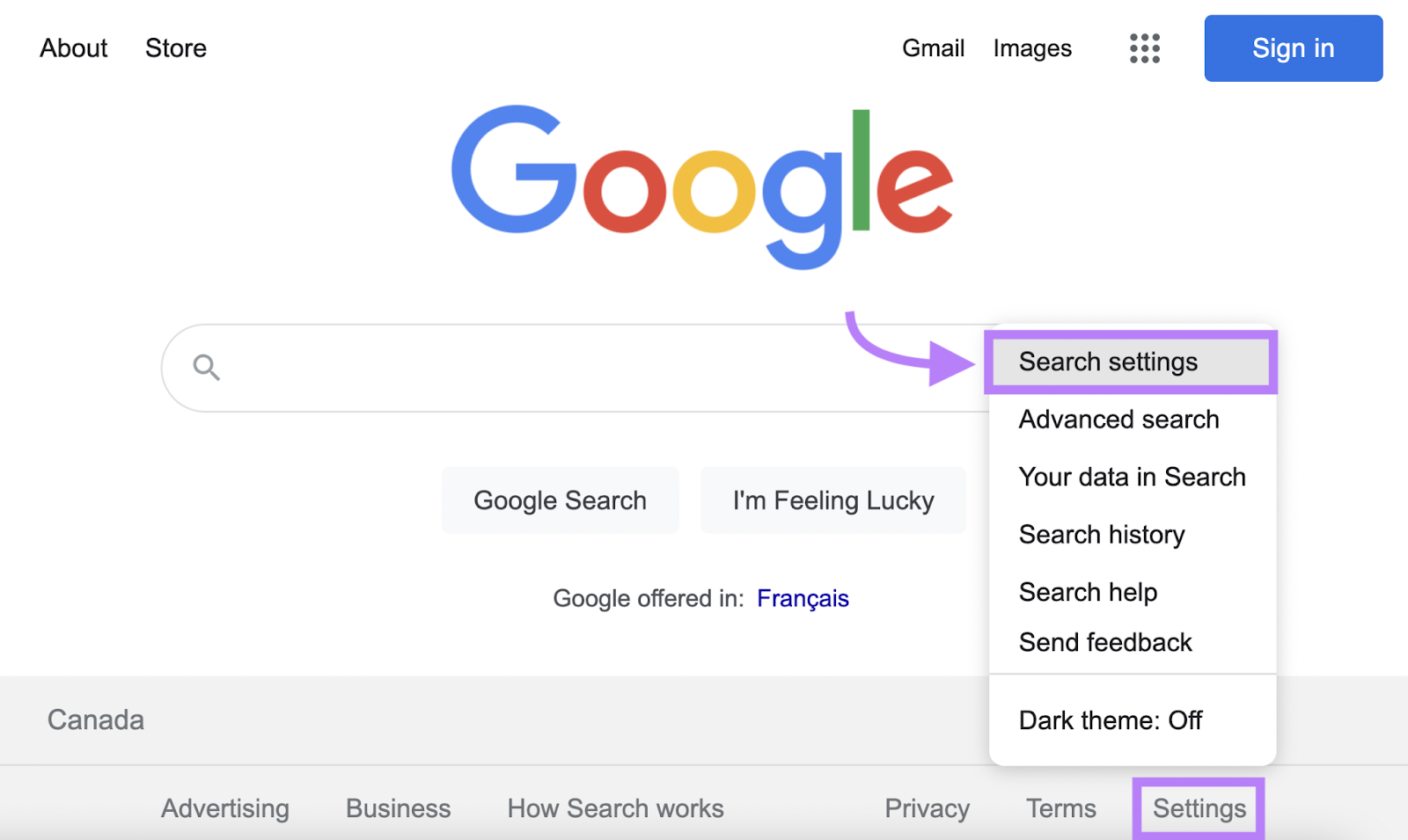
Finally, remember to manage your Facebook privacy like a CIA agent. Facebook is the ancient ruins of the internet, and its search indexing is a monster. Change your settings so your profile doesn't appear in search engines and inside Facebook's search (yes, even for "friends of friends"). Audit your tagged photos—untag yourself from anything with a red Solo cup or questionable hairstyle. If you see old group posts you made in public groups, delete those too; they act as landing pages for your past. And for the love of god, go to google.com and submit a "URL Removal Request" for the specific links that are causing you the most pain. It’s not a magic button, but it puts a delay on the process.
The Digital Dirt: Your FAQs, Answered
Q: Is it actually illegal to have my old mistakes on Google? Can I sue to get them removed?
No, it is almost never illegal. Unless the content involves revenge porn, harassment, or a clear violation of privacy laws (like your bank account number), having your embarrassing status update on a public forum is unfortunately legal. Google is a search engine, not a court; they are merely reflecting what is publicly accessible. You cannot sue Google for "showing" results, because they are not the authors of the content. The "Right to be Forgotten" exists in the EU, but in the US and most of the world, it’s a very different beast—it mostly applies to outdated, irrelevant, and excessive data, but even then, it’s a bureaucratic nightmare and usually only works against major news sites, not random forum posts.
However, you can sue the source of the content (the website owner) for defamation if the claims are factually false. If they posted that you were fired for embezzlement when you actually quit, that’s a case. But if it’s just a photo of you in a banana costume that you hate? That’s your own personal horror show to live with, legally speaking. The practical fix is the "content escalation" route mentioned above: you don't fight the legal battle; you fight the algorithmic battle. You throw so much positive content at Google that CNN could write a story about your past, and it would still be buried under your flawless Instagram portfolio.
Q: Will buying a dedicated "Reputation Management" service actually work, or is it a scam?
It’s a spectrum. There are white-hat legitimate agencies (often hired by executives and celebrities) that charge $5,000 to $20,000 a month to aggressively create content, build backlinks, and manage press releases to bury negative results. They do work—they have dedicated teams of writers and SEO specialists who will populate Page One of Google with nothing but your glorious achievements. But for 99% of us, these services are overkill. You are paying a Ferrari price for a commuter car problem. They are not "scams" in the sense that they steal your money; they just upsell you on a strategy you can do yourself with a weekend of discipline.
Beware of the black-hat services that promise to "hack" Google or "delete" your search history entirely. These are scams. No one can delete your Google search history—that’s stored on your browser and account, and clearing it only affects you locally. Google’s index of the web is a different beast. These scammers will take your money and pay a gig worker in the Philippines to post generic "About Me" blogs on Tumblr. The true, sustainable solution is the long game: consistent content creation and networking. You don't need a service; you need a content calendar. If you are a nobody, you only need to out-rank your own mistakes, which is usually just a matter of publishing three decent articles.
Q: Is there a way to clean up my Google search history (the stuff I search for) versus the results (what people see about me)?
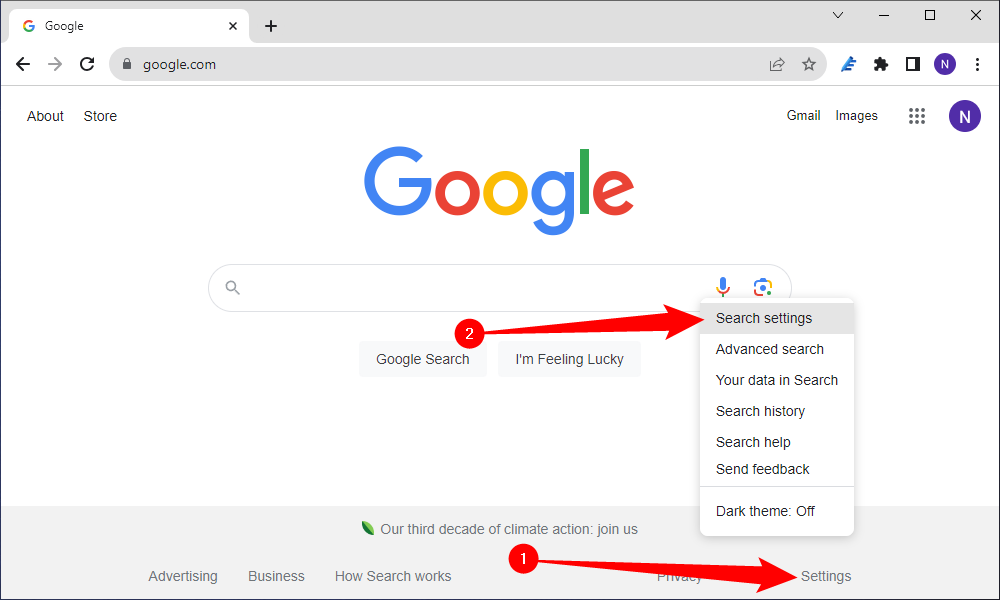
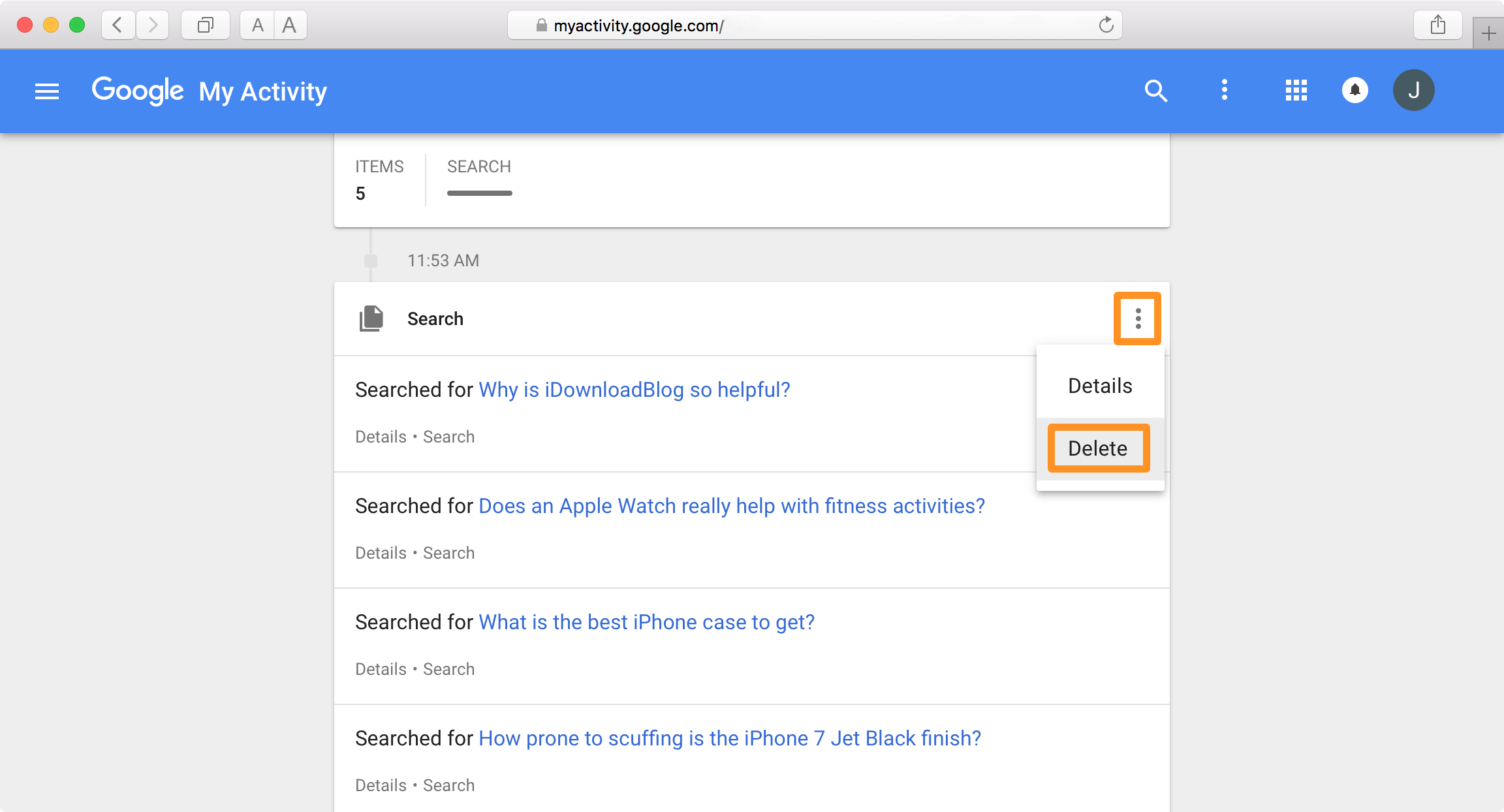
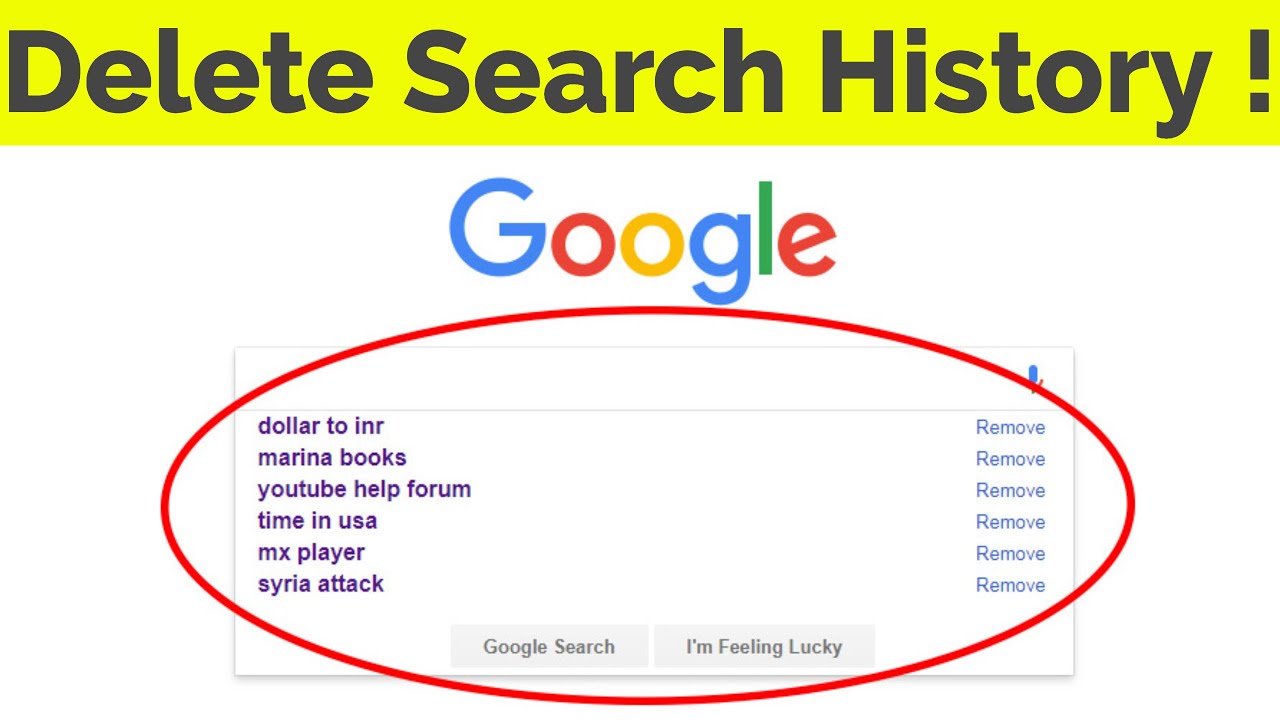
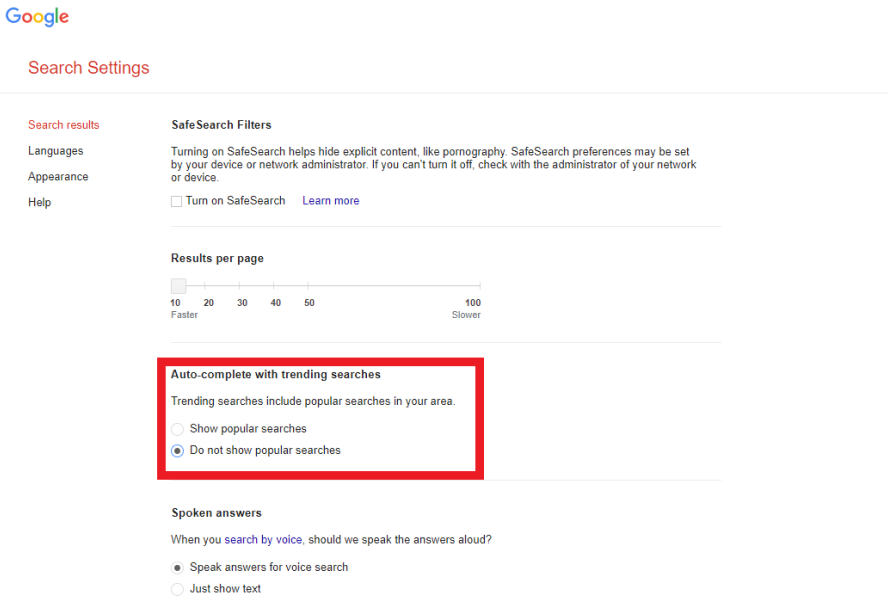
Yes, and this is the essential confusion. If you mean the Google Search History associated with your Gmail account—your queries, your clicks, your late-night "why is my poop green" searches—that is 100% deletable by you. Go to myactivity.google.com, filter by "Google Search," and hit the trash bin. You can even set up auto-delete to erase your history every 3 months. This is purely local to your account; it doesn't affect what other people see when they search for your name. It only cleans your cookies and your personal data hoard that Google uses to sell you ads. It’s satisfying, but it’s the equivalent of rearranging the furniture in a burning house—it doesn’t stop the fire of public perception.

What everyone is actually asking about is the public Google Search Results—the SERP (Search Engine Results Page) for your name. This is a public dataset, not your private browser history. You cannot "clear" this. When you see those results, you are looking at the internet’s collective memory. The only way to modify this is through the SEO tactics we discussed: deindexing (by making accounts private), removal requests for specific URLs, or dominate the page with new content. So, to be clear: clear your personal history to protect your ad privacy, but if you want to stop a potential employer from seeing your 2014 Twitter meltdown, you have to become a content machine.
So, is this frantic purge a passing fad or the new normal? I’d argue it’s the new normal, but the method is shifting. We are moving beyond the panic of "deleting" and into the era of autonomous curation. As AI agents like ChatGPT and Perplexity become the primary search interface for Gen Z, the concept of "Googling" someone is becoming archaic. These AI models scrape the web just like Google, but they often rely on the most authoritative domains—which means your self-published personal blog holds less weight than a LinkedIn profile. This means cleaning up your "Google" results is actually about cleaning up your data footprint on those high-authority sites. The fad of panicking about page one will fade; the permanent change is the expectation that you are always being profiled.
Ultimately, getting rid of Google searches is not about erasing your past—it’s about outgrowing it. It’s a deeply human desire to control the narrative, and the internet has turned that desire into a grueling, never-ending side quest. You will never achieve a perfect score; there will always be a cached version of a blog you forgot you wrote. The secret is to stop viewing your digital shadow as a liability and start viewing it as a challenge. Go out there, create better stuff, be a better person (publicly), and let the trash sink naturally to the bottom of the algorithm. Your past isn't a prison; it’s just a very long, tedious basis for a future autobiography—make sure it’s a boring chapter, not the headline.