How Do I Find The Best Mortgage Rate
Let’s be real for a second: somewhere between the “loud budgeting” trend and that one influencer who renovated a dilapidated Tuscan barn for the price of a used Prius, the American Dream got a software update. And the new patch notes are brutal. Finding a mortgage rate used to be a snooze-fest reserved for fax machines and guys named Gary who wore suspenders. Now? It’s the internet’s most unhinged spectator sport. TikTok finance bros are screaming about “buying down points” over lo-fi beats, Reddit threads are dissecting the Federal Reserve’s every sigh, and your group chat is suddenly full of people posting Zillow screenshots captioned with skull emojis. The mortgage rate has become the ultimate personality test—are you a risk-taker, a doom-scroller, or a delusional optimist refreshing the 10-year Treasury yield at 2 AM?
This isn’t just about buying a house anymore. It’s a cultural phenomenon, a collective nervous breakdown wrapped in a 30-year fixed term. We’re talking about a financial decision that dictates your brunch budget, your vacation frequency, and whether you can afford to keep your “therapy dog” (we see you, Gerald). The current vibe is a chaotic mix of FOMO and financial nihilism, where a 0.5% difference in your APR feels as consequential as a plot twist in a prestige HBO drama. Everyone from your yoga instructor to your ex-coworker is suddenly an expert on discount points, ARM adjustments, and the mystical “jumbo loan.” The question isn’t just “what’s the rate?”—it’s “what does this rate say about my life choices?”
So, how do you navigate this algorithmic hellscape without sacrificing your firstborn or your sanity? The old advice—call your local bank, shake hands with a loan officer—is as obsolete as a flip phone. We are in the era of hyper-personalized, data-driven, borderline-supernatural rate shopping. It requires the strategic mind of a chess grandmaster, the patience of a Buddhist monk, and the ruthless negotiation skills of a shark in a boardroom. But don't panic. We’re about to dissect the chaos, decode the jargon, and give you the playbook to secure a rate that doesn’t make you want to crawl under a weighted blanket and never emerge.
Must Read
The Wild, Wild West of Rate Shopping: Subcultures and Digital Cults
If you think you can just log onto Bankrate and call it a day, you are sadly mistaken, my friend. That’s like trying to find a soulmate on a dating app from 2012. The real action is happening in the dark corners of the internet where algorithmic tribes form around specific lenders. There’s the “Credit Union Cabal”—a smug group of people who swear by their local not-for-profit institutions, boasting about lower origination fees with the same fervor as vegans talking about their gut health. They’re not wrong, but their patience is legendary. Then you have the “Online Rocket Ship” crew, who value speed over everything, applying for pre-approvals at 11 PM on a Tuesday while watching a true-crime documentary. They live for the instant digital approval, only to realize later that the convenience came with a convenience fee.
But the most fascinating subculture is the “Rate-Chasers”—a hybrid of day traders and doomsday preppers. They obsessively track the MBS (Mortgage-Backed Securities) market, whisper about “mortgage spread volatility” like it’s a crypto token, and engage in lock-in stalling tactics that would make a Wall Street trader blush. Their group chats are filled with screenshots of daily rate sheets from obscure lenders, analyzing the ebb and flow like it’s a tide chart. The social dynamic is fueled by the fear of missing out on a 15-basis-point drop, and the ultimate flex is posting a closing disclosure with a rate that’s 0.12% lower than your friend’s. It’s toxic, it’s exhausting, and honestly? It’s kind of addictive. The culture has shifted from “get the best house” to “get the best number,” turning the most boring part of adulthood into a high-stakes game of financial Tetris.
The Pragmatic Playbook: How To Win Without Losing Your Hair
Alright, put down the phone. Step away from the Reddit rabbit hole. Let’s get clinical for a second. The most crucial step in securing a killer rate is understanding that your credit score is the VIP pass. It’s not just about having a “good” score; it’s about having a strategic one. Before you even look at a house, pull your free annual credit report from all three bureaus (AnnualCreditReport.com is the only legit source, ignore the ads). Dispute any bogus collections, pay down revolving credit to below 30% utilization, and for the love of all that is holy, do not open a new credit card to get 10% off a new couch. Lenders see that shiny new account and instantly add 0.25% to your rate as a “risk premium.” It’s a scam, but it’s a legal scam, so play the game.
Next, you need to embrace the concept of “Parallel Shopping.” Do not apply to one lender and wait. You need a battalion. In the mortgage industry, there’s a 45-day window where multiple hard inquiries from mortgage lenders are counted as a single inquiry for FICO scoring purposes. Use this window ruthlessly. Get quotes from a big national bank (Spotify-era branding, predictable), a direct online lender (fast but often rigid), and a local credit union (the charming indie film of the group). Yes, it’s 2025, and we’re still suggesting you actually call a human on the phone. A local loan officer often has more flexibility to negotiate the origination fee than a nationwide algorithm does. Ask them to match or beat the competitor’s quote. Use the term “Loan Estimate” (the official three-page document) as your weapon.
Let’s talk about the elephant in the room: Locking your rate. This is where TikTok gurus spew a lot of nonsense about “floating” until the last second. Ignore them. Unless you have insider knowledge of the Fed (which you don’t), floating is gambling. A better strategy is to get a longer lock. Many lenders offer a 60-day or 90-day lock for a slightly higher fee. If the rate drops significantly during that time, ask about a “float-down” option. It might cost you an eighth of a point, but it’s insurance against a spike. Think of it like buying travel insurance for your wallet—boring, but it saves you from crying in the airport terminal when your flight (or rate) is suddenly $10,000 more expensive.
Finally, you must understand the power of the “buy-down.” Paying points to lower your rate is not inherently bad, but it’s not the magic bullet it’s made out to be. A 2-1 buydown, where your rate is 2% lower for the first year and 1% lower the second year before reverting to the standard rate, is a trendy seller concession. It’s great if you need low monthly payments to start, but it’s a temporary band-aid. Crunch the numbers. If the buydown costs $8,000 but only saves you $3,000 in the first two years, it’s a bad deal unless the seller is footing the bill. The goal isn’t the lowest first-year payment; it’s the lowest total cost of borrowing over the life of the loan, or at least the period you plan to stay in the house. Run every scenario into a mortgage calculator. Your future, less-stressed self will thank you.
FAQ: The Internet’s Burning Questions, Answered
Should I wait for rates to drop or buy now?
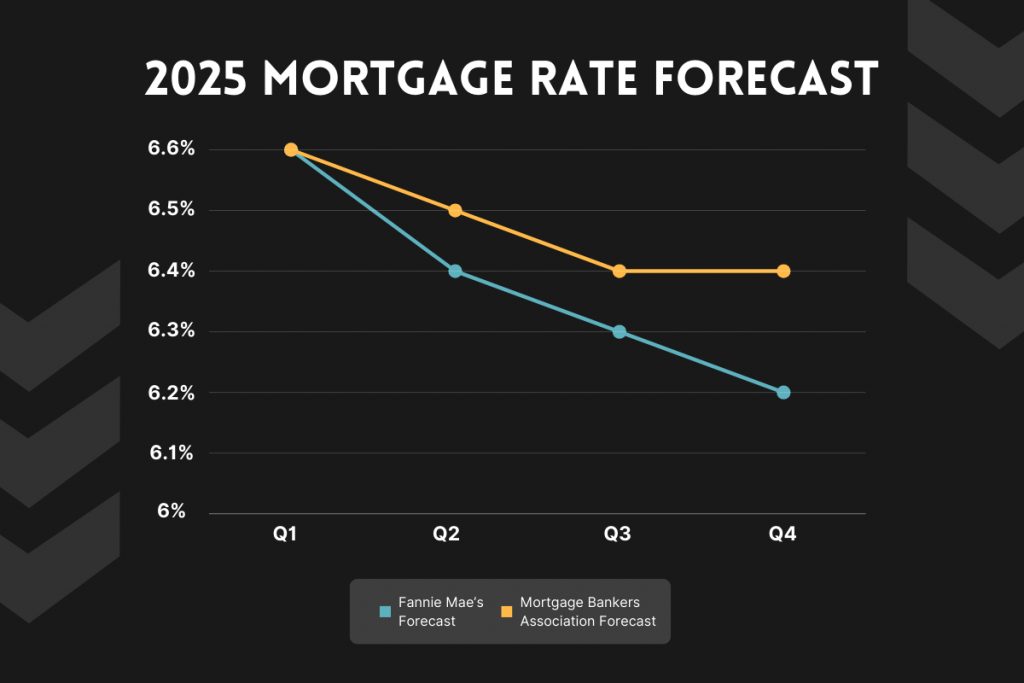
This is the “should I text my ex” of the finance world—the answer is complicated. Economically, timing the market is a fool’s errand. No one—not the Wall Street Journal, not your cousin’s friend who “works in finance”—knows where rates are heading. If you wait for a perfect 4.5% rate, you might be waiting five years while paying rent that keeps skyrocketing. Conversely, buying now at a higher rate means you get to build equity immediately, and you can always refinance later if rates drop, provided you have enough equity. The real question is: Can you afford the payment today? If yes, buy. The house you choose is your primary asset, not the rate.
The cultural narrative pushes the "wait" angle because it sounds wise and cautious. But let’s unpack that. If you wait and rates drop, property prices usually surge because everyone else jumps in, ergo you’re paying a higher price for the same house, offsetting the lower rate. Your interest rate might be lower, but your principal is higher. The only scenario where waiting makes sense is if you are highly leveraged and a $200 monthly increase would break your budget. If that’s the case, you need a cheaper house, not a lower rate. Stop doom-scrolling and start house-hunting within your actual means.
Is a 15-year fixed rate always better than a 30-year?
On the surface, a 15-year loan offers a lower interest rate and saves tens of thousands in interest. It’s the “clean eating” of mortgages—objectively healthier but incredibly restrictive. The problem is the cash flow. Your monthly payment on a 15-year loan is roughly 30-40% higher than a 30-year for the same house. That extra money could be going into a high-yield savings account, an index fund, or, you know, keeping the lights on. In this generation’s gig-economy reality, where job stability is a myth and money is liquid, flexibility is king.
Most financial influencers preach the 15-year because the math looks great in a screenshot. But they ignore the opportunity cost. If you can earn 7% in the stock market (historically) while paying 6% interest on your mortgage, you’re better off investing the difference. The 30-year gives you a safety net. In a crisis, you can pay the minimum. With a 15-year, you’re trapped. The smarter, trend-aware move is to get the 30-year fixed rate and pretend it’s a 15-year by making one extra principal payment annually. You get the long-term flexibility with the short-term discipline. You’re welcome.
Do I need a 20% down payment, or is 5% okay?
Has the “20% rule” been gaslighting us all? Absolutely. It’s a conservative relic from a pre-internet era. Yes, a 20% down payment gets you out of Private Mortgage Insurance (PMI), which is that annoying extra fee that protects the lender, not you. But with current rates, getting to 20% can take a decade of aggressive saving, during which housing prices will likely outpace your savings rate. You’ll be stuck in a rental, paying someone else’s mortgage while you wait for a number that moves away from you.
The savvy move is to put down 5-10% and accept the PMI. PMI is not permanent; it falls off automatically when you reach 22% equity, or you can request its removal at 20%. And guess what? You get 80% of the property appreciation on a much smaller initial cash outlay. That’s leverage. The viral trend of “house hacking” or buying with minimal down payment is highly effective because it gets you into the market faster. Better to own a piece of the rock with PMI than to rent the moss. Just be sure to calculate the PMI cost—usually 0.5% to 1% of the loan amount annually—and factor it into your budget. But do not let the fear of a few hundred bucks a month keep you out of wealth-building territory.
So, is the mortgage rate rat race a fleeting internet fad or a seismic shift in how we handle adulthood? It’s the latter. The days of blindly trusting a local branch manager are over. The internet has democratized information, but it's also created a culture of permanent financial anxiety. We’re now hyper-aware of basis points and lender profit margins, which is good for consumer empowerment but exhausting for our mental health. This isn’t a fad; it’s a new literacy. We are the first generation to treat home loans like stocks, and that’s not going to reverse.
Ultimately, finding the best mortgage rate is less about chasing a mythical number and more about understanding yourself. It’s about knowing your risk tolerance, your cash flow, and your nightmares. If you walk away from the negotiation table with a rate that doesn’t keep you up at night and a payment that allows you to live your life, you’ve won. The internet will keep screaming about market corrections and rate cuts, but the real flex is muting the noise and locking in a deal that lets you sleep. Now, go forth and negotiate—and maybe treat yourself to a latte (the cheaper, homemade kind) afterwards.