Imagine your credit score as a digital handshake—it tells lenders, landlords, and even some employers how trustworthy you are with money. A great score can unlock lower interest rates, cooler apartments, and better rewards, while a weak one can slam doors shut. The best part? You don’t need to be rich or perfect to start building it today. In fact, you can begin with as little as a few hundred dollars and a little strategy.
Why Your Score Even Matters (Beyond Borrowing)
Your credit score isn’t just for getting a car loan or a mortgage. Utility companies, cell phone carriers, and insurance providers check it to decide your deposits and premiums. A higher score can save you hundreds of dollars a year on things you already pay for. Plus, for many first-time renters, a solid score is the secret handshake that gets you the lease over someone with no history.
The most magical part? You can build credit without going into debt. You just have to use the system to your advantage.
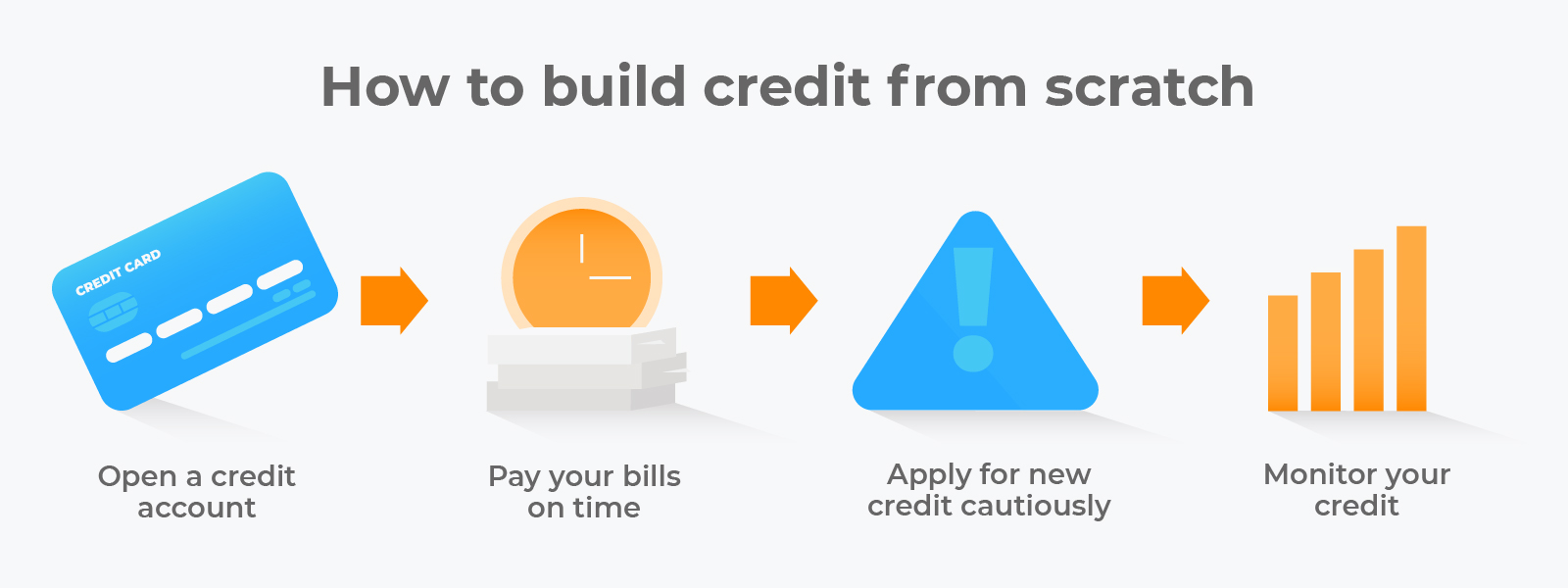
If you’re starting from zero, a secured credit card is your new best friend. You give the bank a cash deposit (say, $200), and that becomes your credit limit. Use it for small purchases—like gas or groceries—and always pay the full statement balance by the due date.
Within six months, that payment history gets reported to the major credit bureaus. Before you know it, you’ll have a real score where there was once nothing. This is the classic “training wheels” method because the risk is low and the payoff is high.
Pro tip: Look for a secured card that reports to all three bureaus (Equifax, Experian, TransUnion) and has no annual fee. It’s the simplest way to start.
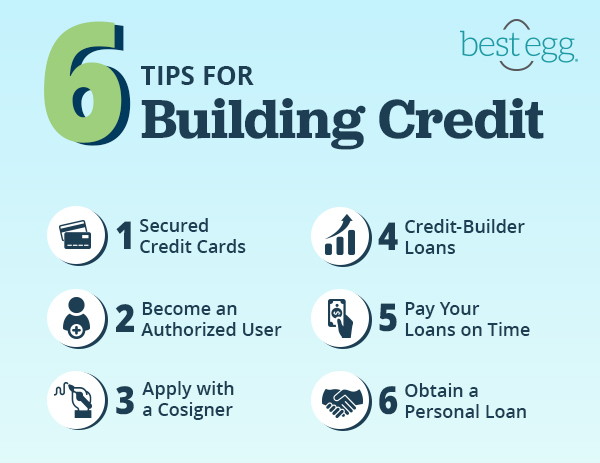
How Do You Build Credit How To Build Credit At 18 SuperMoney
After 8 to 12 months of on-time payments, many issuers will automatically upgrade you to an unsecured card and refund your deposit. That’s a win-win.
Become an Authorized User (The Cheat Code)
Here’s a clever shortcut: ask a parent, partner, or trusted friend to add you as an authorized user on their credit card. You don’t even need to hold the physical card or make any purchases.
Their positive payment history—sometimes even their long account age—gets copied onto your credit report. This can instantly boost your score, especially if they have a spotless record. It’s a free, legal, and effective way to piggyback on someone else’s good habits.
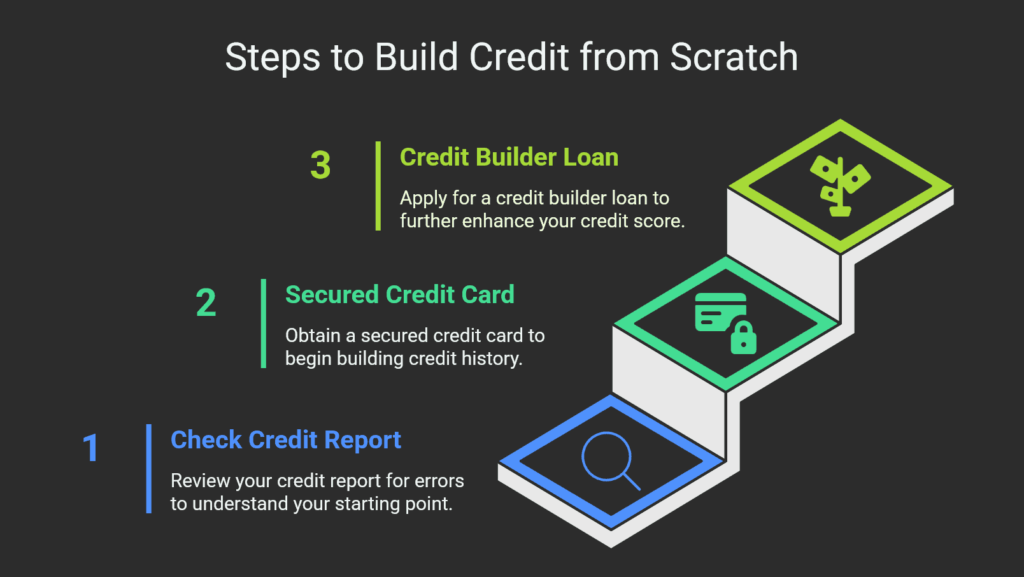
How to Build Credit from Scratch: A Step-by-Step Guide - Client Dispute
Just make sure the person has low balances and pays on time, because their mistakes will also show up on your report.
Credit Builder Loans (Boring but Brilliant)
Yes, a credit builder loan sounds dull, but it’s a sneaky tool. You borrow a small amount—say $500—but you don’t get the money upfront. Instead, the bank holds it in a locked savings account while you make monthly payments.
Each on-time payment is reported to the credit bureaus, so your score climbs. At the end of the term (usually 6 to 12 months), the bank gives you the money back, plus any tiny interest. You’ve basically paid yourself to build credit.
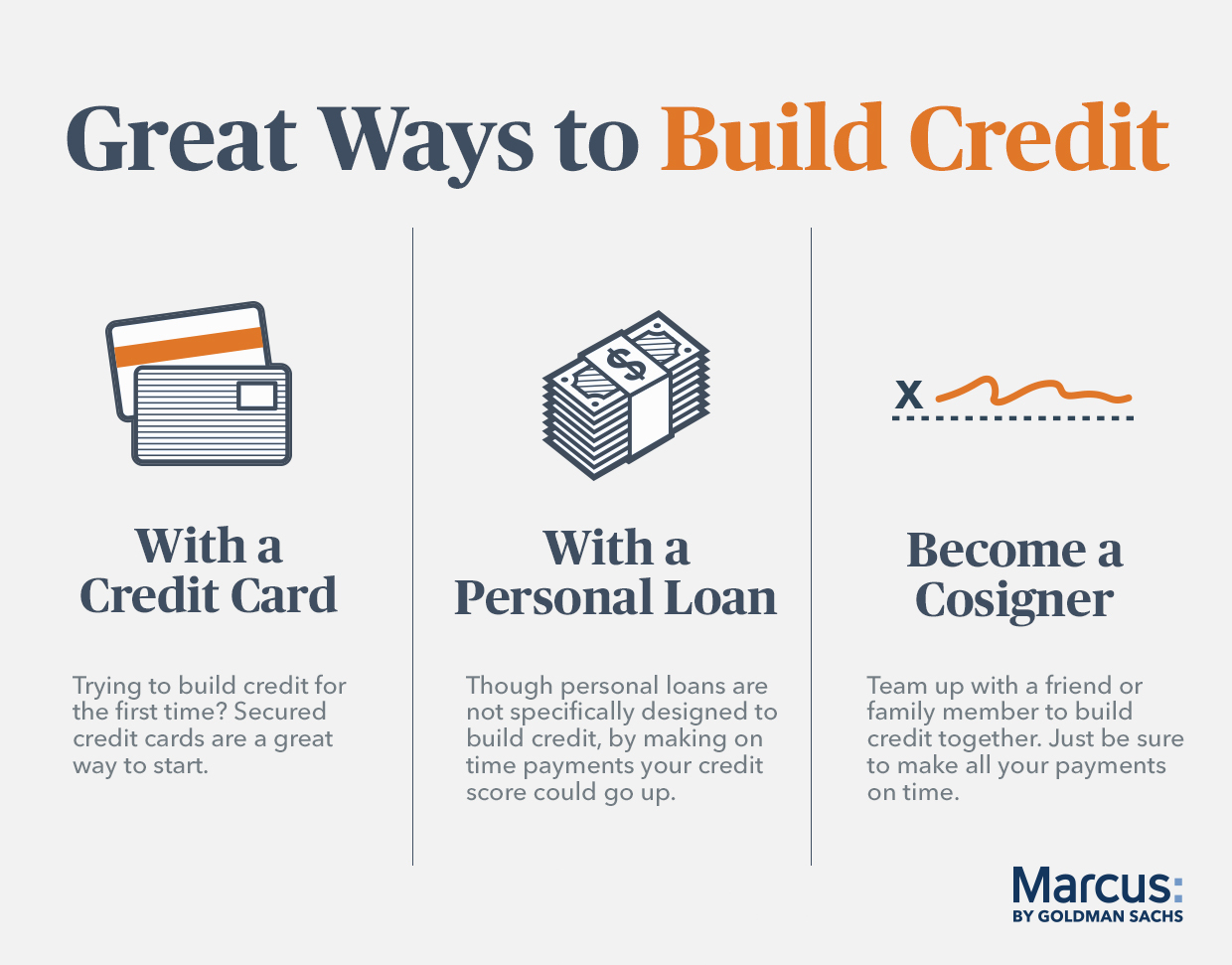
4 Tips on How to Start Building Credit | Net Pay Advance
This works especially well for people who struggle with the self-discipline of a credit card.
The Golden Rules That Apply to Everyone
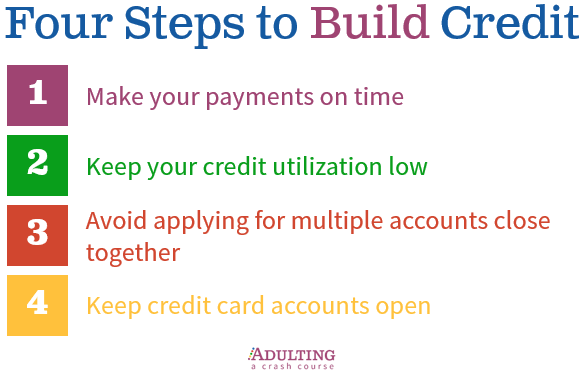
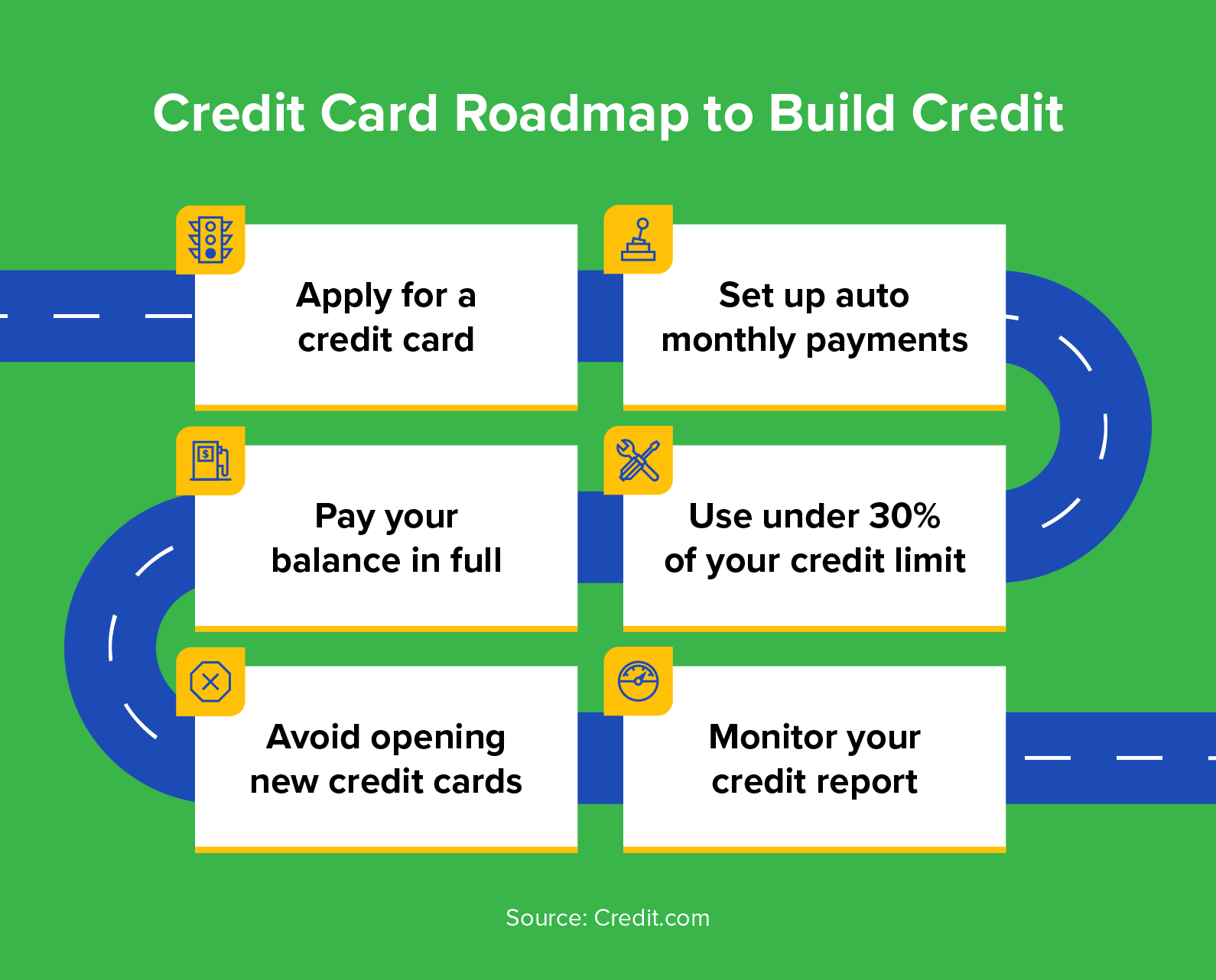
No matter which path you choose, three habits matter more than anything else. First, pay every bill five days early, not just on time—accidents happen, and early payments avoid late fees. Second, keep your credit utilization under 30% (that means if your limit is $300, never owe more than $90).
Third, never close your first credit card—the age of your oldest account helps your score. Even if you stop using it, keep it open with a tiny subscription on it, and set auto-pay to pay it off monthly.
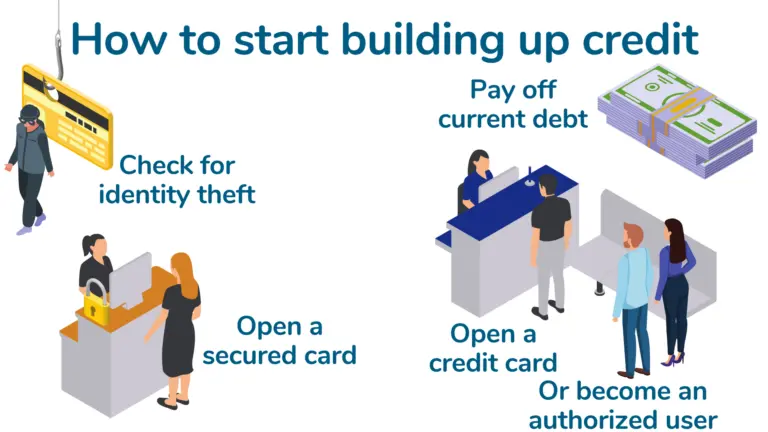
Real Info About How To Begin Credit - Weektaste
Remember: Credit building is a marathon, not a sprint. A single late payment can haunt you for seven years, so automate every bill you can.
What to Avoid Right Now
Don’t fall for ads promising “instant credit repair” or “no-credit-needed” loans—they’re often scams or high-fee traps. Also, avoid opening five cards in one month, because rapid inquiries can ding your score. And never cosign a loan for someone unless you’re ready to pay it yourself if they flake.
Start small, stay consistent, and check your score for free through your bank or sites like Credit Karma. You’ll be amazed how a year of smart moves can transform your financial options.
Finally, celebrate every milestone—even a 50-point jump is a step toward cheaper insurance, easier rentals, and the credit of your dreams. Go start your handshake, smarty pants.