How Can I Get Old Bank Statements
Okay, let’s be honest. Digging up old bank statements feels a bit like archaeology, but for your own life. You’re not hunting for dinosaur bones; you’re hunting for that one payment you made to a mysterious online store back in 2019. It’s oddly thrilling, right? The good news? It’s way easier than you think, and you don’t need a shovel or a magnifying glass.
First Stop: Your Online Banking Portal
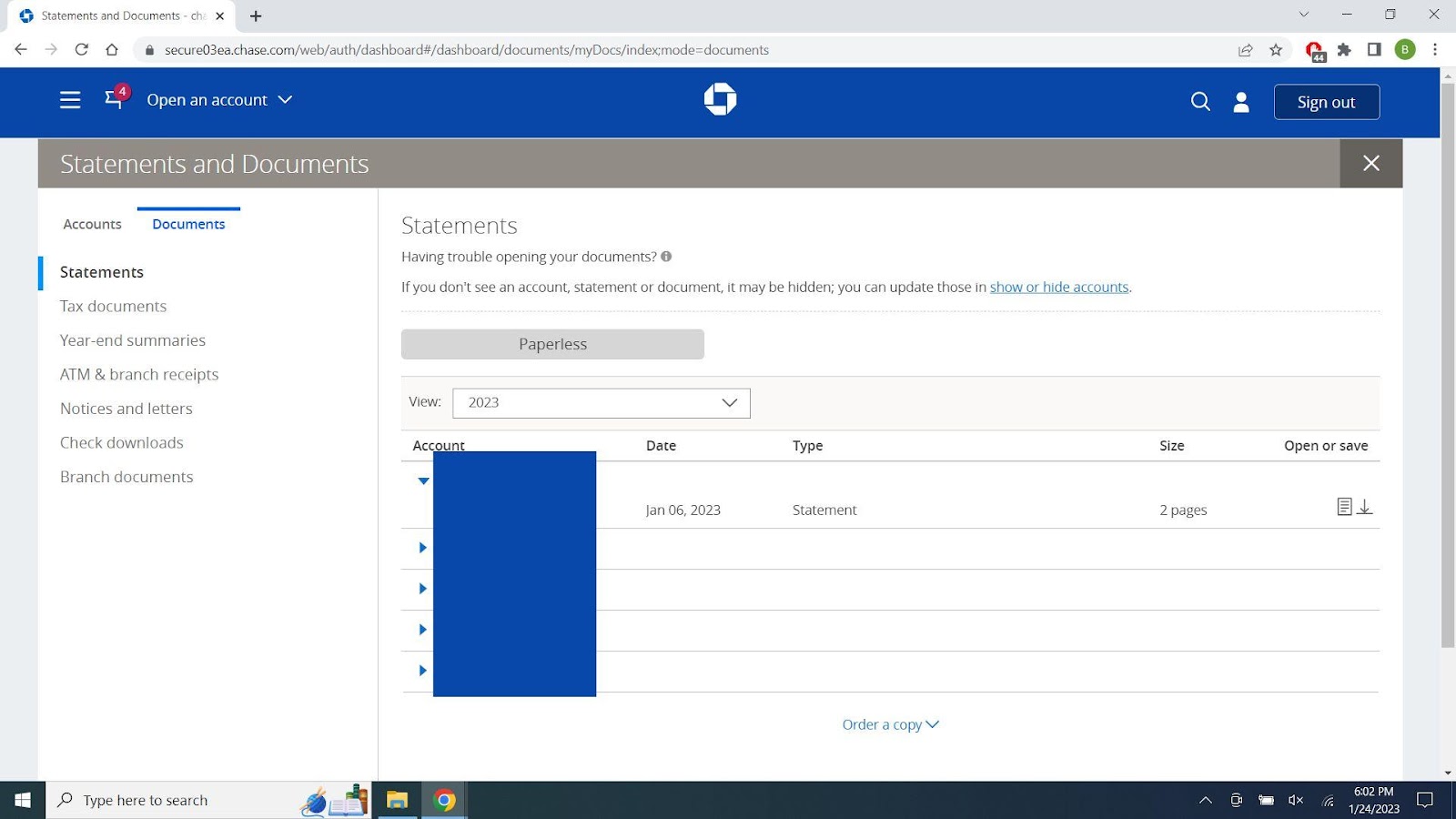
This is the equivalent of finding a secret drawer in your desk—it’s usually right there, hiding in plain sight. Log in to your bank’s website or app, and look for a tab that says “Statements,” “Documents,” or “History.” Most banks keep at least 24 months of downloadable PDFs ready for you.
Think of it as a digital time capsule. You can scroll back through months like flipping pages in an old diary, except this diary is just a list of where your money went. It’s a little nerdy, but honestly, it’s kind of cool to see your spending patterns from two years ago. Did you really buy coffee every single day? Yes. Yes, you did.
Must Read
What If It’s Older Than Two Years?
Ah, the deep cut. For statements older than that, you’re moving from the “easy drawer” to the “basement filing cabinet” of your bank. You’ll likely need to request them directly. There’s usually a small fee—think of it as paying for a mini-excavation. But don’t sweat it; it’s rarely more than a few bucks per statement.
Just call your bank’s customer service. Yes, it’s a phone call, but it’s a short one. They’ll verify your identity (sorry, you won’t be able to use “I forgot my password” as a secret code), and then they’ll mail or email you the PDFs. It usually takes three to five business days. That’s like waiting for a pizza, but instead of pepperoni, you get a spreadsheet of your past expenses.

The “Old School” Route: Paper Statements
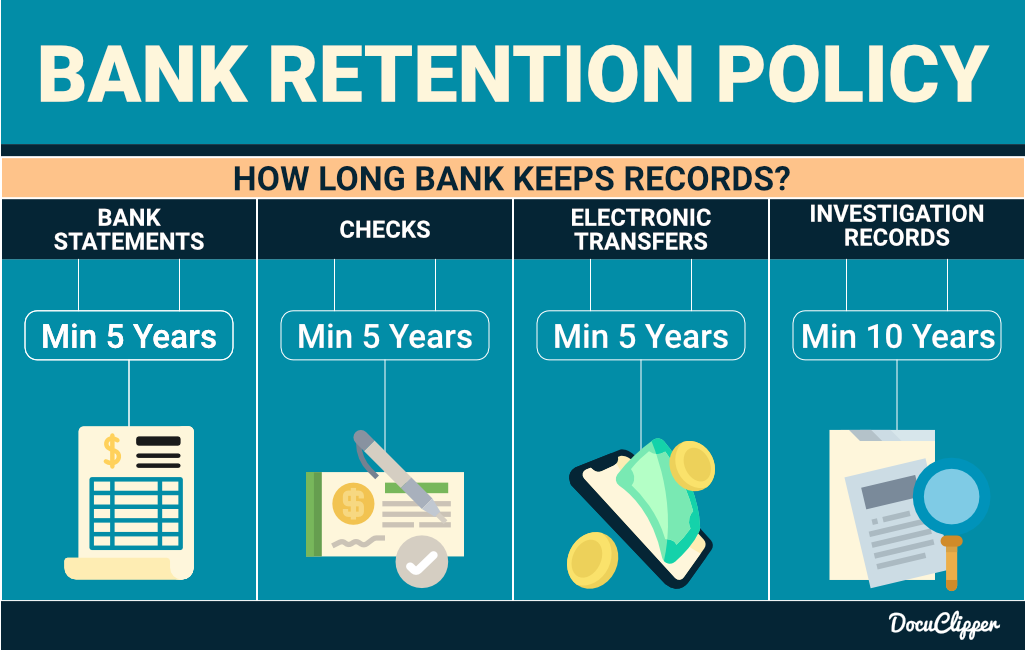
What if your bank stops carrying records after seven or ten years? This is rarer than a unicorn, but it happens. For those ancient artifacts, you’ll need to check if your bank even keeps them. Banks are not legally required to hold everything forever, so the clock is ticking on your 2015 receipts.
If they don’t have it, don’t panic. You can check your tax returns or old emails—chances are you saved a PDF somewhere in that chaotic “Downloads” folder. Also, if you’re looking for statements to prove a payment or for taxes, you might just need a transaction summary instead. That’s like getting a highlight reel instead of the full movie—less detailed, but still useful.
Why Bother Anyway?
Let’s be real: no one does this for fun. You’re probably doing it for a mortgage application, a refund, or to settle a bet with your spouse about who spent more on takeout. But here’s the cool part: getting old statements is like unlocking a cheat code for your financial memory. You can see exactly when you paid off that old credit card, or when you started that gym membership you totally forgot about.
So, next time you need a statement from 2018, don’t dread it. Treat it like a mini treasure hunt. You might feel a little detective-y, and honestly, that’s a fun way to spend ten minutes. Just don’t forget to save the PDF this time. Future you will totally high-five you for it.