How Can I Borrow Against My House
Your House Is a Giant Piggy Bank (With a Front Door)
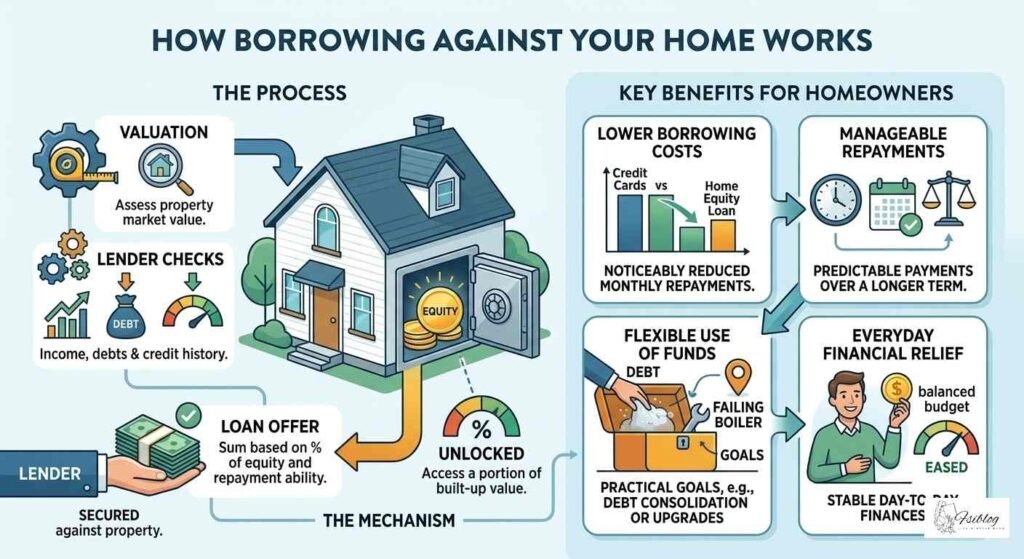
Imagine your house as a magical piggy bank that doesn’t just hold spare change—it holds the actual value of all those years of mortgage payments. That’s the core idea behind borrowing against your home. It’s not selling your house; it’s more like asking your house for a friendly loan, with itself as the collateral.
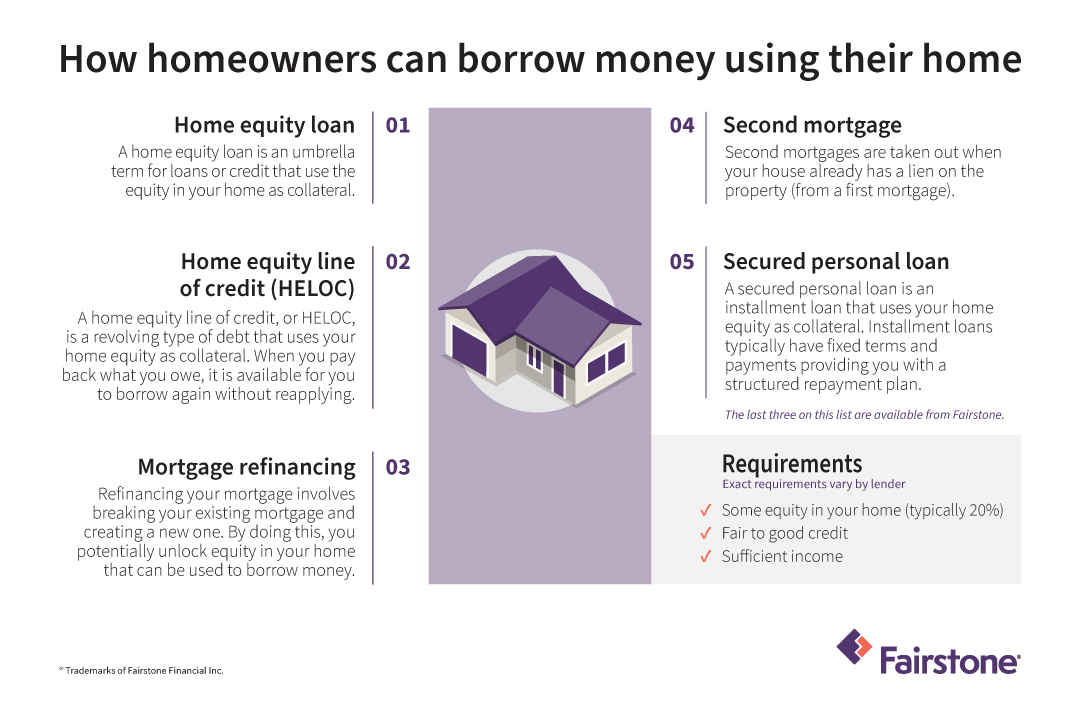
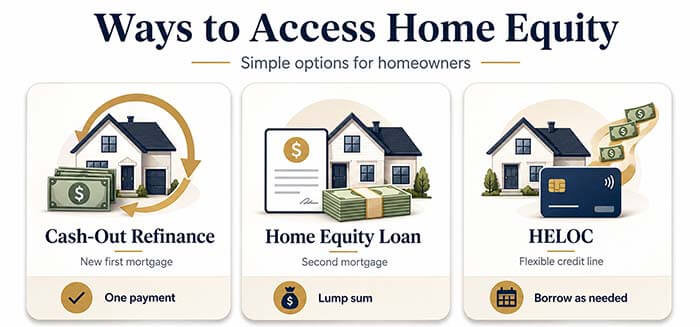
The most famous way to do this is a home equity loan, which is basically a second mortgage. You get one big, lump-sum check, and then you pay it back over time, just like your first house payment. Think of it as your house saying, “Sure, you can borrow my equity, but I’m keeping the deed as a friendly reminder.”
Another popular option is a HELOC (say “hee-lock”), which stands for Home Equity Line of Credit. It’s less like a loan and more like a credit card that’s secretly backed by your kitchen and roof. You get a limit, you borrow what you need, and you only pay interest on what you actually use. It’s the choose-your-own-adventure version of borrowing.
Must Read
The “Aha!” Moment When You Realize Your Walls Are Worth Money
Here’s the surprising part: you don’t need to be rich to have equity. Even a modest house that’s gone up in value over the years can give you a nice little treasure chest. People often use this money for home improvements, like finally replacing that bathroom tile that looks like a 1970s crime scene.
Others use it to consolidate debt, which is like swapping a pile of screaming credit card bills for one calm, slow-moving mortgage payment. It can also fund a wedding, a new business, or a life-changing medical procedure. The heartwarming part? Many families use it to help kids with college tuition—your house becomes the scholarship fairy.
“Real estate is the closest thing to a golden goose that walks into your life,” says one happy homeowner, who used a HELOC to build a backyard treehouse. “The bank gave me money because my house grew up!”
But here’s the twist: your house doesn’t care what you spend it on. It won’t judge you if you buy a boat or a giant inflatable dinosaur for your yard. The only thing it cares about is that you pay back the loan, or else it might get a new owner.
The Fine Print That’s Actually Not So Scary (Just Boring)
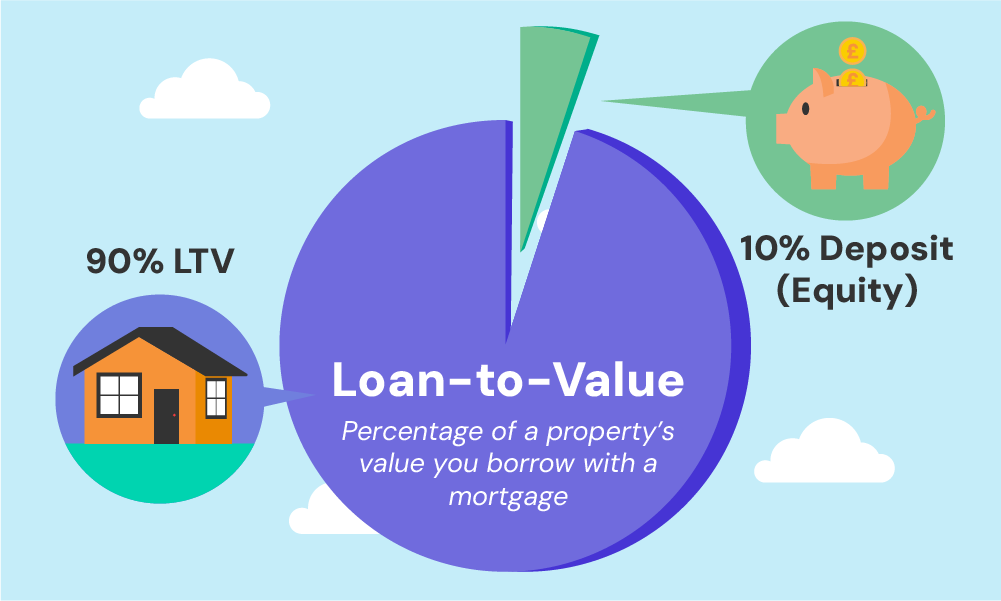
Banks will look at your loan-to-value ratio, which is a fancy way of saying “how much of your house you truly own versus how much the bank does.” If you own more, you can borrow more. It’s like a game show where your equity is the prize money, and the bank is the host with a calculator.

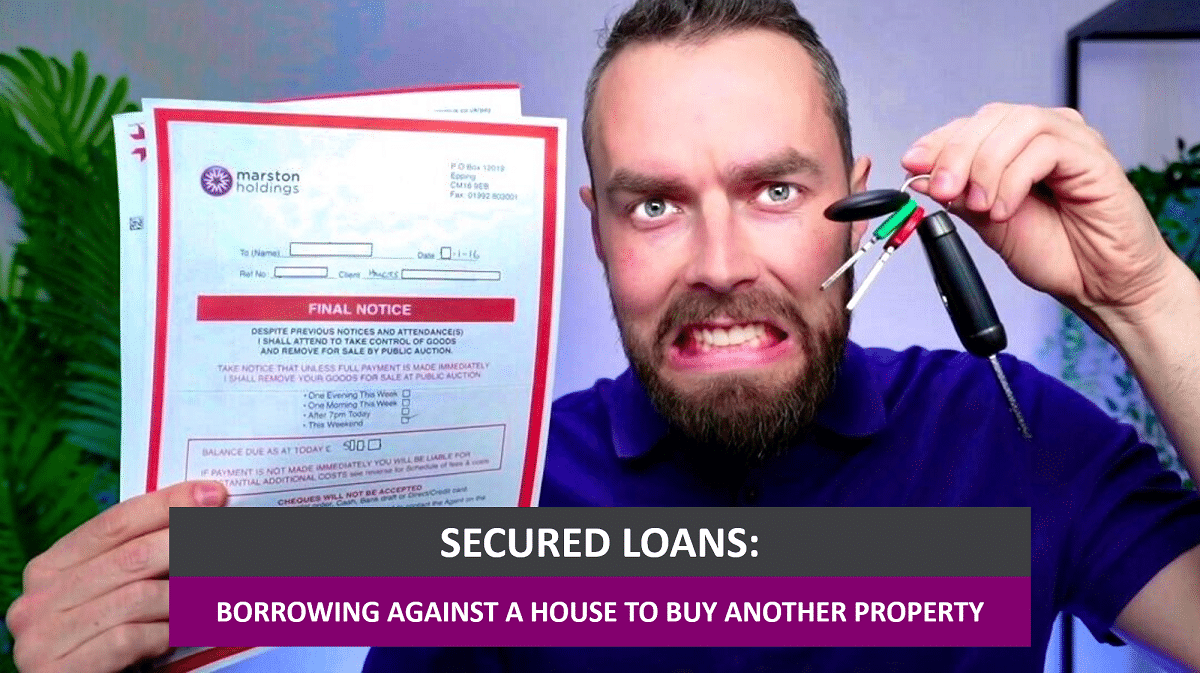
Interest rates are usually much lower than credit cards, which is why people feel so clever. But beware: if you don’t pay back, you could lose your house—so treat this like a serious promise, not a joke. The most fun part? You get to watch your neighbors’ faces when you tell them, “Actually, my house lent me $20,000 for a pool.”
One quirky tip: some people use a reverse mortgage, which is for seniors 62 and older. That’s like your house paying you a monthly salary, and you don’t pay it back until you move out or pass away. It’s the ultimate “reverse piggy bank” move, and it makes your house feel like a generous grandparent.
The Bottom Line: Your House Is Your Friend, Not a Loan Shark
Borrowing against your house isn’t about being desperate—it’s about being smart with an asset you already love. Just remember to read the paperwork, ask questions, and never borrow more than you can handle. And if you do it right, you’ll feel a little like a financial wizard who discovered a secret trapdoor in their own closet.
So go ahead, give your house a pat on the wall. It might just be the best friend you never knew you had—one that’s willing to lend a hand (or a roof) when you need it most. But always, always pay it back. Because a house that forgives is a rare thing, but a house that forecloses is a real drag.