Homemade Fertilizer For Sago Palm

Okay, let’s be real for a second. You’ve got a sago palm, and it’s looking a little… meh. Maybe the fronds are a bit yellow, or it’s just not throwing out that tropical vibe you know it can. Before you run out and drop twenty bucks on some fancy liquid goo, what if I told you the best stuff might already be in your kitchen?
Homemade fertilizer isn’t about being cheap—although, who doesn’t love that? It’s about understanding what your plant actually craves, and then giving it a little DIY love. Sago palms are heavy feeders, but they hate getting burned, so we need to be gentle. Think of it like making a smoothie for a picky friend—you want it nutritious, but not too intense.
The Magic of Magnesium (and a Little Epsom Salt)
Here’s the first secret: sagos absolutely love magnesium. If your palm’s tips are turning brown or yellow, it’s usually screaming for this exact nutrient. The easiest, most chill fix? Grab a box of Epsom salt from your bathroom—the plain kind, not the fancy scented one.
Must Read
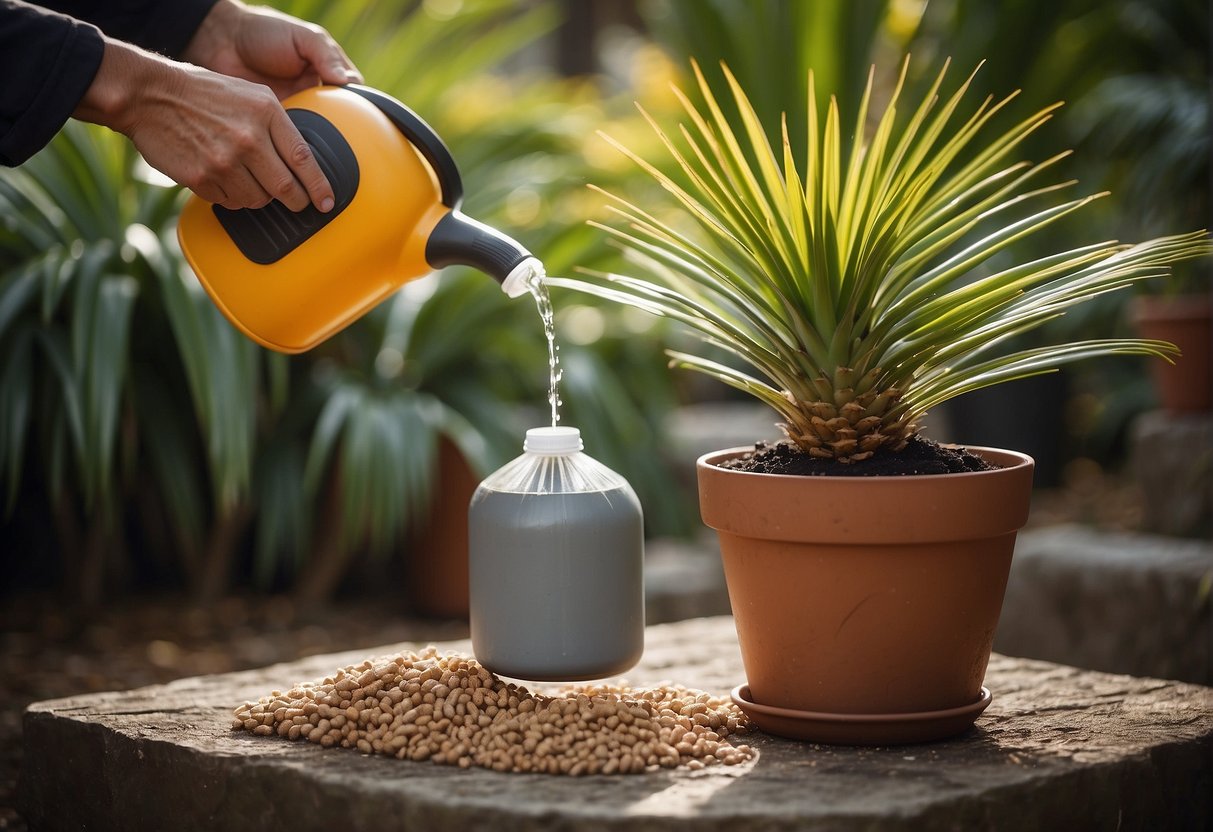
Just dissolve one tablespoon of Epsom salt in a gallon of water and pour it around the base of the plant. That’s it. This isn’t just hydration; it’s a mineral bath that helps the palm absorb other nutrients better, kind of like a power-up for its roots.
Use this mixture once a month during spring and summer. Trust me, the deep green color that follows will make you feel like a plant wizard, and all you did was raid your cabinet.
Banana Peels: Not Just for Smoothies Anymore
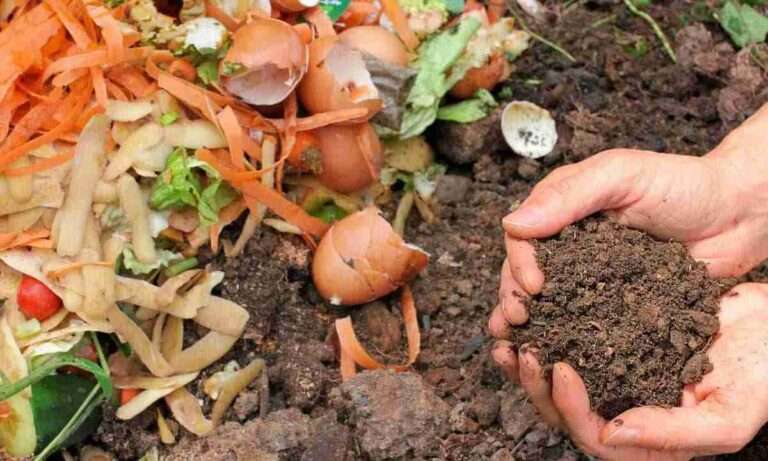
Here’s a fun one—have you ever wondered why banana peels are the ultimate plant hack? It’s all about the potassium, baby. That’s the stuff that keeps your palm’s trunk strong and helps it fight off stress, kind of like a plant immune booster.
Don’t try to bury a whole peel, though—that gets moldy and sad. Instead, chop up a couple of peels into small bits and soak them in a jar of water for 48 hours. You’ll get a “banana tea” that smells a little earthy, but your palm will drink it up like a tropical cocktail.

Strain the water, dilute it with an equal part of fresh water, and water your sago palm with it. It’s slow-release, gentle, and frankly, a brilliant way to recycle your morning snack. Who knew your compost bin had a learning curve?
The Casting Call (No, Not That Kind)
Now, let’s talk about the heavyweight champion of homemade nutrients: worm castings. But wait, don’t click away! If you don’t have a worm bin, you can skip this, but if you’re feeling adventurous, just mix a handful of castings into the topsoil.
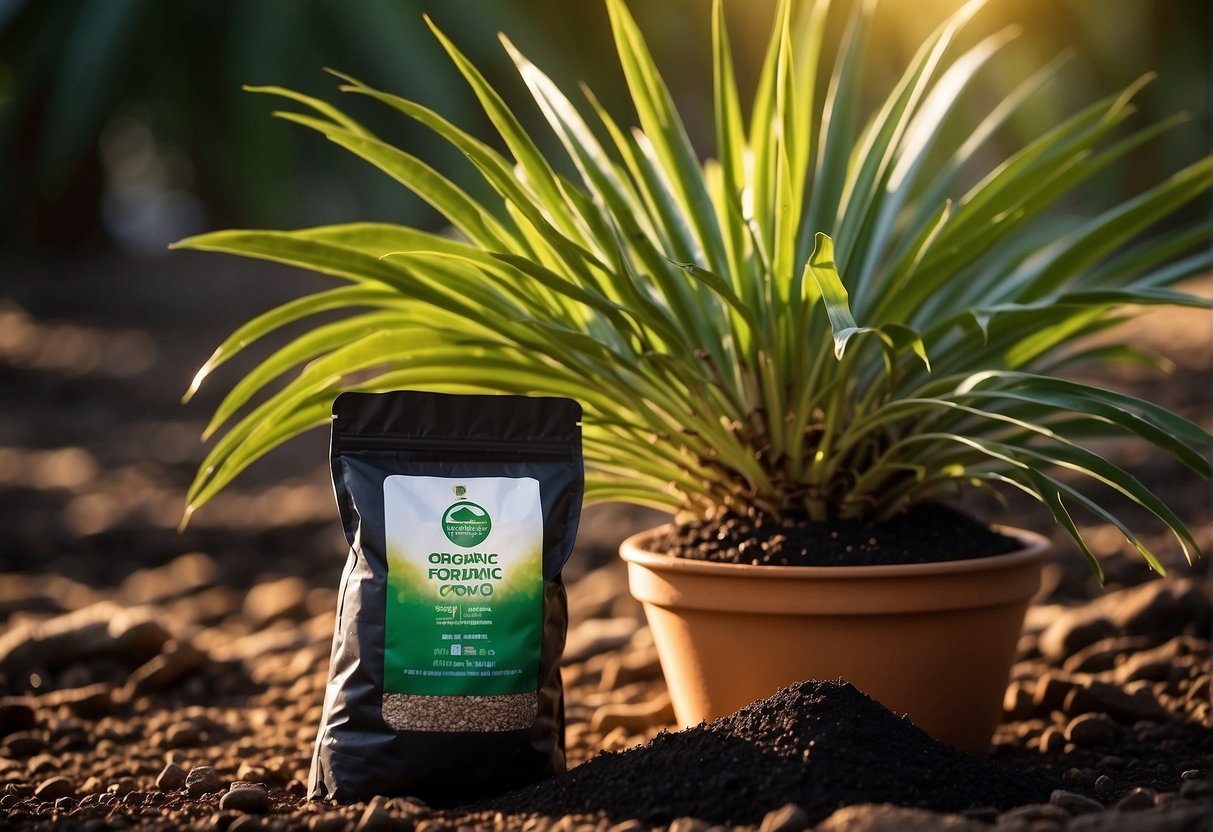
This stuff is like a controlled explosion of nitrogen, phosphorus, and good bacteria. It’s nearly impossible to overdo it, which is perfect for sago palms because they’re sensitive to burning. Think of it as a slow-cooked stew instead of a microwave dinner—less instant, but way better long-term.
If you really don’t have castings, you can use a weak dilution of fish emulsion, but warning—it smells like the ocean threw up. Worm castings have no odor and work better, so maybe just buy a small bag once. I won’t judge.
Why Bother with DIY at All?
Here’s the coolest part: store-bought fertilizers are often way too strong for sagos, especially in winter. A homemade mix gives you total control. You can skip feeding entirely during the cold months because the palm is basically sleeping—don’t wake it up with a kick of chemicals.
Also, let’s be honest, there’s a nerdy satisfaction in seeing a plant thrive on stuff you made from scraps. It’s like baking bread from scratch—sure, you can buy a loaf, but doing it yourself just hits different.
So next time your sago palm looks a little down, skip the panic and grab an Epsom salt bottle or a banana peel. Your plant will thank you with glossy, spiky leaves that look straight out of a resort—and you’ll have saved a few bucks and a ton of plastic. Sounds like a win-win, right?