High Calorie Food For Senior Cats
There is a photograph I keep of my first cat, a marmalade tabby named Morris, taken in the autumn of 1987. He is seventeen years old, perched on the kitchen linoleum, his spine a series of sharp ridges beneath a dull, thinning coat. In the background, a can of “Senior Dinners” sits on the counter—a gray, unassuming tin that promised “less protein” and “fewer calories” for the aging feline. It was the golden era of weight management, a time when veterinary wisdom, echoing the human diet trends of the late 20th century, equated old age with inactivity and, therefore, with austerity. We were terrified of fat, blind to the catastrophic muscle wasting happening right in front of our eyes. The logic was simple, tragically flawed, and born from a post-war mindset of portion control. We didn’t know then that we were slowly starving our elders, not with neglect, but with a misguided sense of clinical propriety. That gray tin was a monument to a time when we believed that less was always more, especially for a creature we assumed was winding down rather than fighting to stay alive.
The science of feline nutrition was, in those days, a clumsy infant. We looked at senior cats through a human lens of retirement and decline, assuming their metabolisms had turned to sludge. The initial human necessity behind this austerity was economic and practical: pet food companies, riding the wave of post-war industrialization, sought to create a single, cost-effective solution for a booming pet population. But by the 1990s, a quiet rebellion began. Veterinarians started noticing a disturbing trend: senior cats were not dying of obesity; they were dying of cachexia—the relentless loss of lean body mass. The old advice was killing them. The whispers turned into studies, and by the early 2000s, the entire paradigm began to tilt. The humble can of diet food, once a symbol of responsible pet ownership, became a cautionary tale. We had to unlearn everything we thought we knew, and the journey back to nutritional sanity was paved with butter, fish oil, and an unexpected hero: the high-calorie, highly digestible meal.
Today, as I look at my current senior, a stately black-and-white tuxedo cat named Juniper who has just turned fifteen, the contrast is stark. Her food bowl is a treasure trove of calorie-dense pâtés and lightly seared chicken breast, glistening with omega-3 fatty acids. This is not indulgence; this is medicine. The high-calorie diet for senior cats is no longer a guilty pleasure but a lifeline, a sophisticated medical intervention that acknowledges the fierce metabolic battle of old age. But to truly appreciate this revolution, we must delve into the bizarre, forgotten decades where we force-fed our cats liver, fasted them for "cleansing," and measured their worth in the number of times they visited the litter box. The past is a strange country, and the road to the modern high-calorie bowl is paved with misunderstanding, celluloid nostalgia, and a few very lucky survivors.
Must Read
The Great Fat Phobia: A Century of Starvation
The most shocking chapter in this history is the 1970s and 1980s, where the "light" and "lean" craze that gripped human society metastasized into the feline world. We saw advertisements for senior cat food featuring sleek, athletic felines that looked more like greyhounds than house cats. The conventional wisdom, taught in veterinary schools of the era, was that a senior cat’s kidneys were incredibly fragile, and the best way to protect them was to reduce protein dramatically. This was the "low-protein paradox," a period when senior diets were supplemented with carbohydrates—corn, wheat, and rice—to make up for the caloric deficit. The result was a generation of cats that were overweight in sheer volume but profoundly malnourished internally. They had the look of a stuffed pillow, but their muscles were dissolving into weak, stringy tissue. It was a bizarre, documented time when a cat’s shiny coat was worth more than its muscle integrity.
But the bizarre treatments didn't end there. In the 1960s, before commercial senior diets existed, a popular home remedy for aging cats was a daily dose of "raw liver tonic." A raw beef liver was minced and mixed with warm water, fed to the cat via an eyedropper if necessary. While liver is indeed a powerhouse of vitamins and calories, the lack of balance caused severe vitamin A toxicity in many cats. Owners didn't realize they were slowly poisoning their pets with a supposed elixir of life. Similarly, during the 1940s and 1950s, with the rise of canned processed foods for humans, a "treat" for an old cat was a spoonful of condensed milk or a smear of margarine mixed into their mash. It was high-calorie, yes, but empty of the crucial amino acids like taurine (which wasn't identified as an essential feline nutrient until 1975). These cats were living on a calorie rocket ship that was crashing due to lack of structural fuel.
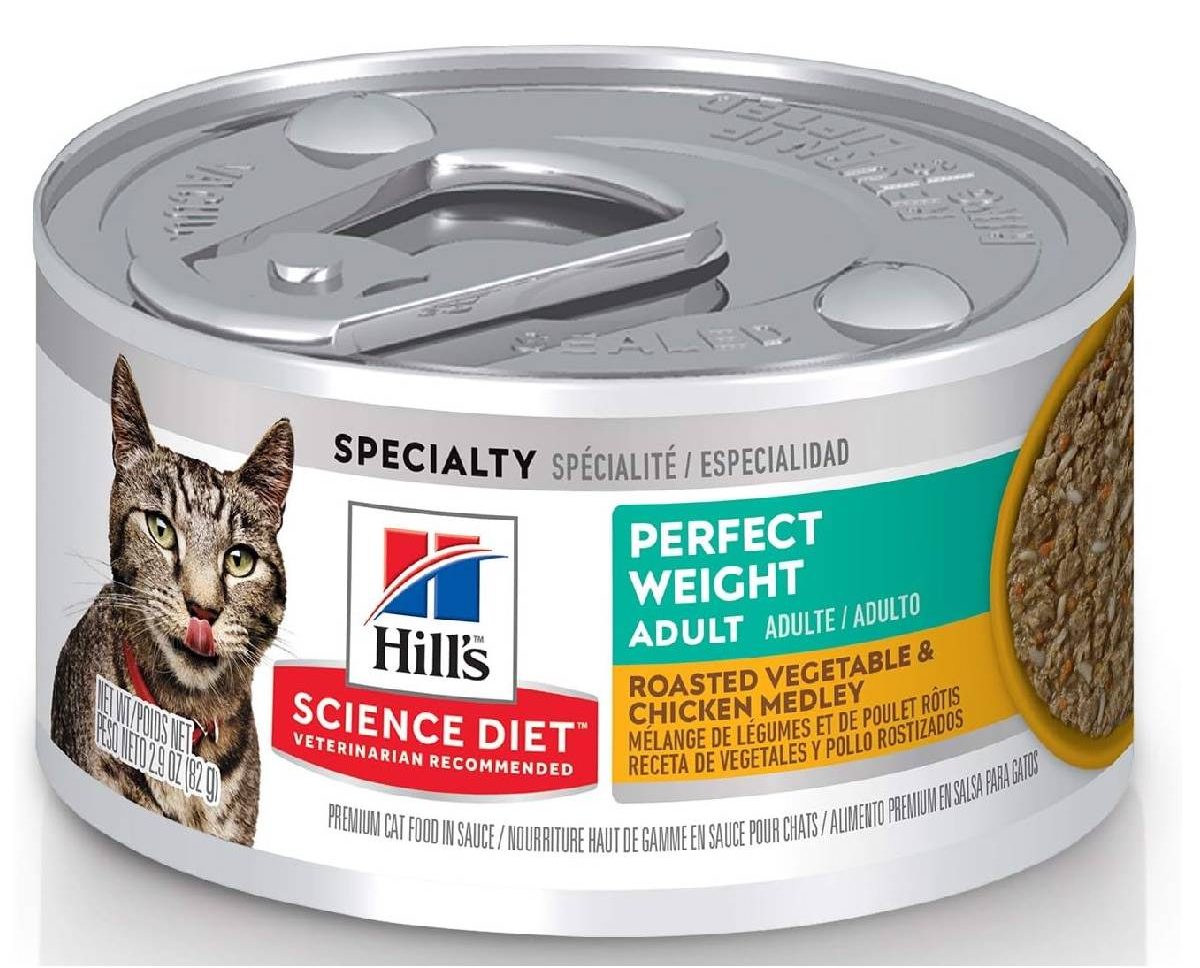
The most forgotten, almost mythical practice came from the 1930s rural America. The "Sunday Chicken Ritual" was a real phenomenon. On Sundays, families would roast a chicken, and the carcass, including skin, fat, and organs, would be simmered for hours to produce a rich, fatty broth. This broth was poured over dry breadcrumbs for the senior cat. While calorically dense, the "breadcrumb" base was pure cellulose to a carnivore. Cats ate this, felt full, but absorbed almost no nutrition. They were, essentially, bloated and starving. This exemplifies the historical disconnect: we provided calories, but not bioavailable nutrition. It wasn't until the late 1990s that researchers like Dr. Dorothy Laflamme began challenging the industry standard, revealing that aging cats actually need more protein to preserve lean body mass, not less. She famously argued that protein restriction is a "solution looking for a problem" in healthy senior felines.
The turning point was undeniably the turn of the millennium. By 2002, the science was irrefutable. A study in the Journal of Veterinary Internal Medicine showed that senior cats on high-protein, high-fat diets maintained muscle mass significantly better than those on low-protein, high-carbohydrate diets. The high-calorie food for seniors was born, not as a treat, but as a targeted therapeutic tool. The ancient practice of feeding a cat "whatever was left on the table" was, ironically, more aligned with their biological needs than the processed diet foods of the 1980s. We had circled back to the carnivorous basics, but this time, with the precision of a pharmaceutical company. The calories were now sourced from meat, not corn, and the fat profile was engineered to be easily digestible, providing energy without taxing the aging gut.
Hacking the Classics: Bioavailability and Flavor Bombing
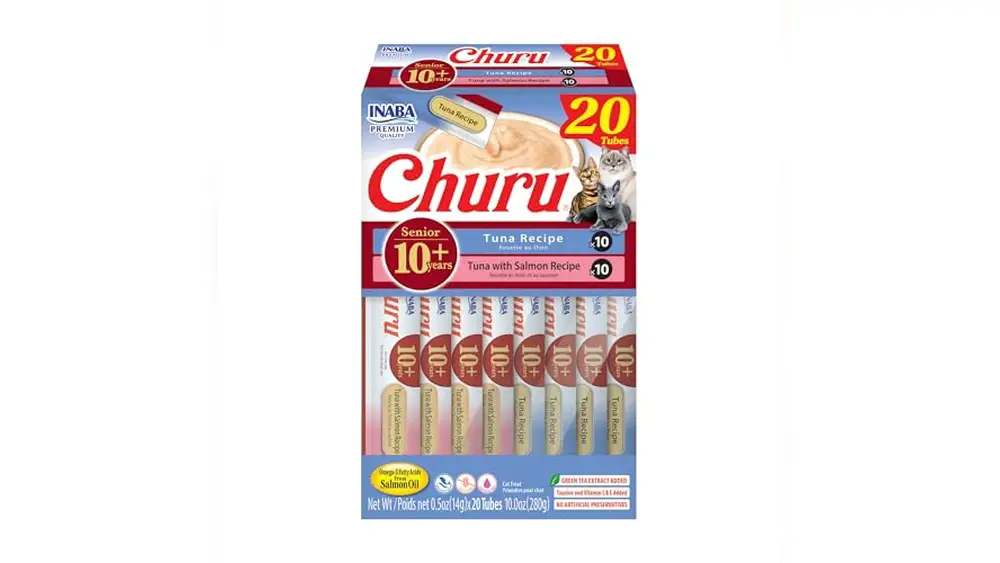
In today’s fast-paced world, we don't have time to simmer chicken carcasses for six hours. The modern hack is the calorie-dense gel. These are high-energy nutritional supplements, often sold in tubes, that resemble a treat. They contain 40-50% fat (usually from poultry or fish) and are formulated to be licked directly off a finger. This is the ultimate modern hack: no forcing pills, no warming cans. For a cat who is picky or suffering from nausea related to kidney disease or hyperthyroidism, these gels break down the barrier of scent and palatability. They are the "espresso shots" of the feline world—a concentrated burst of fuel that avoids the bulk that might make a sick cat feel overfull.
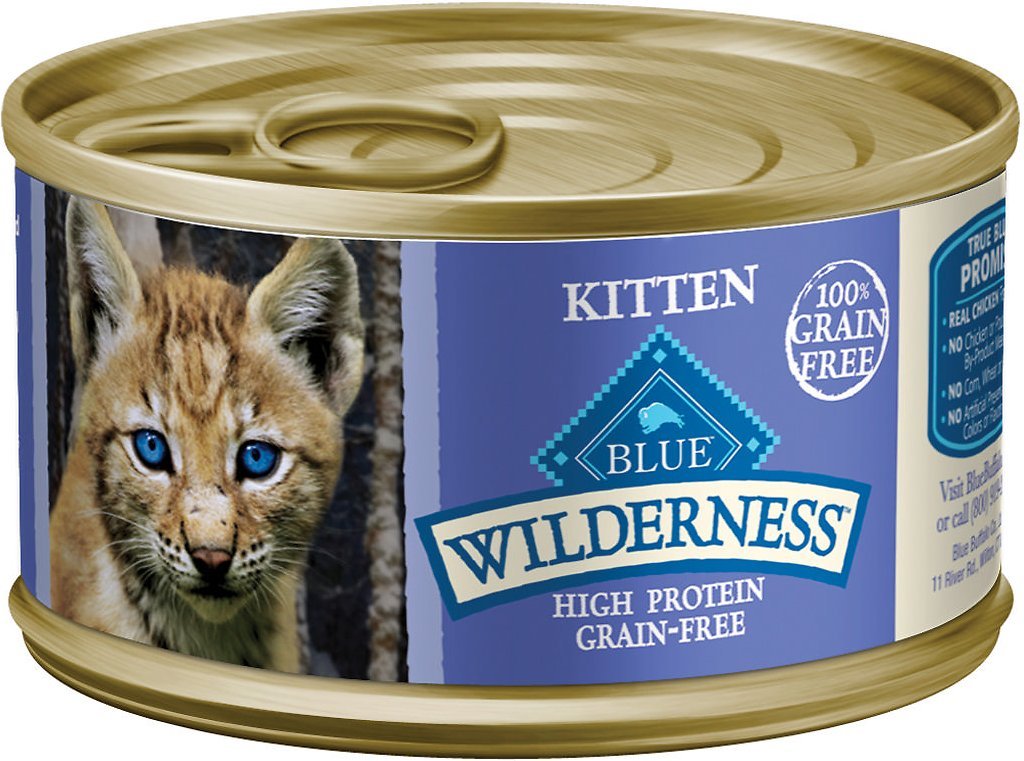
Another modern innovation is the "micro-particulated" protein. Today’s high-calorie senior foods are subtly processed to denature the protein molecules, making them instantly bioavailable. This is a massive evolution from the muscle meats of the past. We are now hacking digestion itself. We add antioxidants like vitamin E and C in higher doses, and we include specific prebiotics like FOS (fructooligosaccharides) to feed the beneficial gut flora that tend to decline with age. The goal is to ensure that these high fat calories are not just eaten, but absorbed efficiently. We are turning a meal into a metabolic protocol, and we are pairing it with hydrating broths to combat the chronic dehydration that plagues senior kidneys. It’s not just about fuel; it’s about bio-optimizing the twilight years.
Feline Nutrition FAQ: Myths vs. Modern Reality
1. Will high-calorie food make my senior cat fat?
This is a myth born directly from the 1980s calorie-counting era. The clinical reality is that most senior cats are suffering from sarcopenia—a loss of muscle mass—not obesity. In a healthy senior who is active, a high-calorie diet of the right composition will be used for immediate energy and tissue repair. The issue arises when you feed low-quality carbohydrates or poorly digestible fats. In the past, that cheap fat would indeed be stored. However, modern high-calorie senior diets utilize MCTs (Medium-Chain Triglycerides), which are absorbed directly into the portal vein and used for immediate energy rather than being shuttled into fat cells. The biological reality of an older cat is that without a caloric surplus, they will cannibalize their own muscles for energy. It is far more dangerous for a senior to be slightly overweight than slightly underweight, because that fat reserve is a buffer against disease.
The modern approach involves weight monitoring, but not weight restriction. A weight tape is more important than a scale. We are looking for the absence of a gut while maintaining a muscle saddle over the spine. If your cat is eating a calorie-dense food but losing weight rapidly, that is a red flag for hyperthyroidism or intestinal lymphoma—not a reason to reduce food. In the past, we would have reduced the food, accelerating the decline. Today, we would increase the calories, add a steroid protocol if needed, and use the energy to fight the disease. The calorie is now a weapon, not a liability.

2. Why do vets recommend high-protein for kidneys?
The old dogma was that protein hurt kidneys. This was based on a flawed interpretation of 1930s rat studies where the protein source was casein (milk protein) and the kidney disease was chemically induced. In cats, especially felines, protein is the primary source of energy needs. When a senior cat has chronic kidney disease (CKD), the body becomes acidotic. Protein catabolism (the breakdown of muscle) produces more metabolic waste, but dietary protein does not. If we restrict dietary protein, the body breaks down its own muscle tissue to get the aminos it needs, creating more ammonia and waste than if we fed a high-quality, highly digestible protein. The only nutritional factor that impacts kidney workload is serum phosphorus, not protein.
Modern high-calorie senior foods are low-phosphorus but high-protein. They use egg whites or purified poultry proteins that are almost entirely absorbed, leaving very little residue for the kidneys to clear. This is a delicious paradox: by feeding more protein, we lower the waste products in the blood. In 2010, the IRIS (International Renal Interest Society) guidelines officially changed to recommend moderate-to-high protein for early-stage CKD in cats. This was a massive reversal of a fifty-year policy. The high-calorie diet, when paired with a phosphate binder, is now the gold standard for preserving both the kidneys and the body. It aligns with the evolutionary truth of the obligate carnivore—their kidneys are built for high-protein, not high-carbohydrate.
3. Should I feed cooked homemade food or commercial high-calorie formulas?
The historical answer, up until 2015, was that homemade food was dangerous due to taurine deficiency and calcium imbalances. And it was. However, the homemade food movement has been hacked by modern technology. We now have programs that allow you to input your cat's exact lab values and produce a recipe using the internet of things—smart scales and freeze-dried raw toppers. For a senior cat, a hybrid approach is usually best. A base of commercial high-calorie pâté ensures completeness, while a "home hack" of seared ground turkey, salmon oil, and a pinch of psyllium fiber provides the novelty and high fat content that commercial diets often lack.

The key issue with ancient homemade recipes was the lack of balance, not the lack of calories. In the 1980s, if you fed chicken and rice, your cat would develop blindness from taurine deficiency. Today, if you feed chicken and rice but supplement with point-zero-grams of synthetic taurine and a calcium-to-phosphorus ratio of 1.2:1, you have a perfectly viable, high-calorie, highly digestible meal. The modern pedigree is merging the nostalgia of watching a cat eat a whole food meal with the precision of a chemist. I tell my readers to do the 80/20 rule: 80% commercial, 20% homemade decadence. This allows you to control the calories while ensuring the complex suite of vitamins and minerals remains intact.
The next twenty years will bring us to the era of personalized nutrigenomics for cats. We are already mapping the feline genome, and by 2045, it is likely that we will have a simple cheek swab that tells us exactly which gene variant your cat has for fat utilization or muscle breakdown. This will herald a future where the "high-calorie" diet is not a general category but a bespoke prescription. A calorie won't just be a calorie; it will be a specific chain of fatty acids designed to upregulate the mTOR pathway in the muscle cells, specific to your cat’s DNA. We will move beyond macros and micros into the realm of epigenetics—using food to turn on resilience genes and turn off inflammatory pathways.
Furthermore, we will see the rise of "functional seniorcisers"—veterinary physiotherapists who pair calorie-dense food with platform balance exercises and laser therapy. The future isn't just about a full bowl; it's about a full life. We will look back at 2024 with the same fondness and horror we look back at 1987—as a time of good intentions but primitive tools. The 20-year projection is one of triumphant precision, where the final years of a cat's life are not a winding down but a gentle plateau, held high by the steadying hands of science and the generous, blinking warmth of a meticulously crafted diet. The high-calorie diet will have evolved from a guilty pleasure into the ultimate act of love, a technological symphony played in a chipped ceramic bowl.