Herman Miller Chair For Short Person
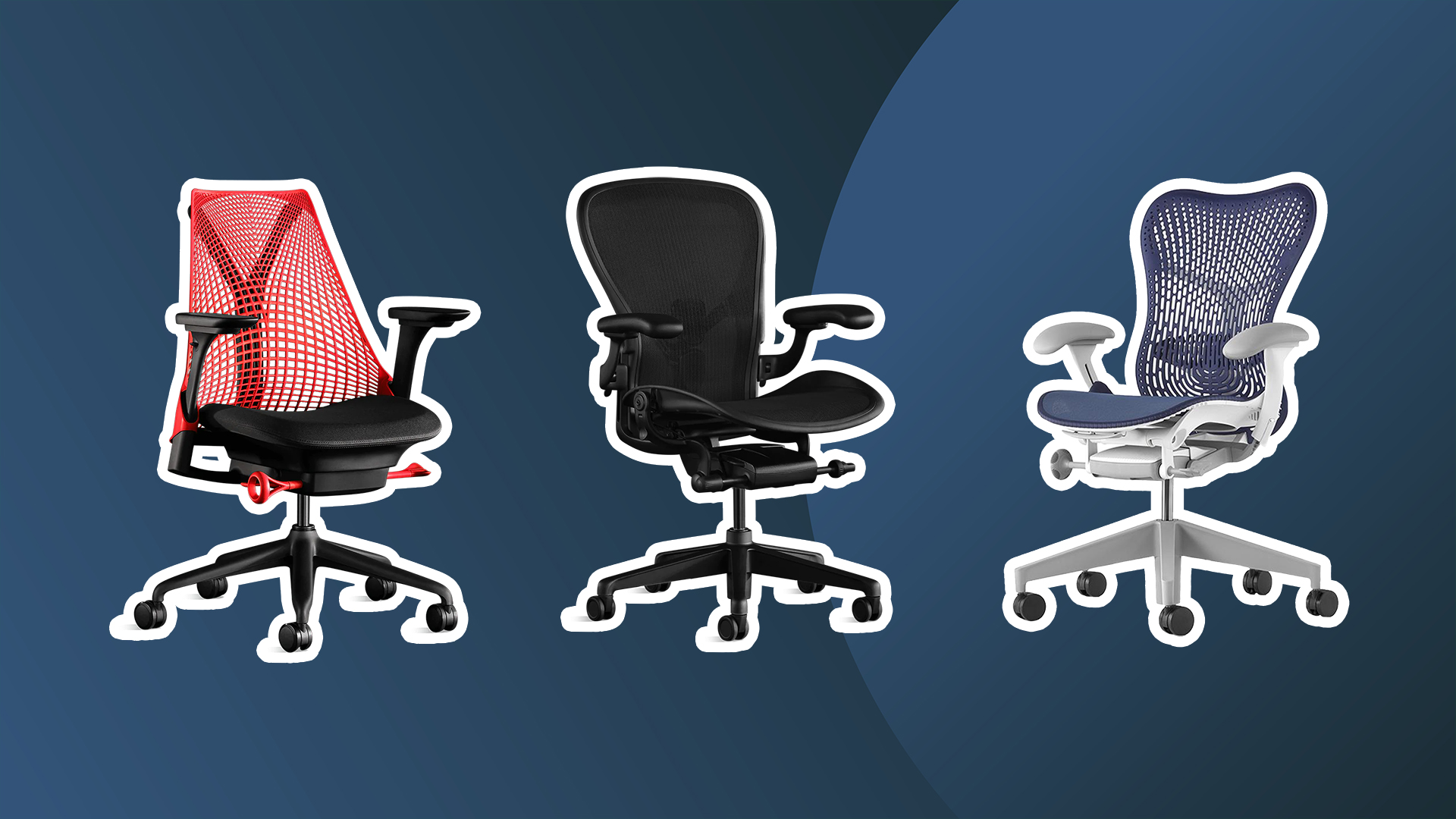
Remember when “ergonomic chair” meant a lumpy gray throne your dad got from an office liquidation sale, and “sitting properly” was a personal insult? That era is deader than dial-up. In the last four years, the Herman Miller chair—specifically the Aeron and the Embody—has transcended its status as mere office furniture to become a bona fide status symbol, a TikTok flex, and the unofficial uniform of the remote-work elite. Scrolling through your For You Page, you’ve seen it: the grainy selfie in a home office, the subtle flex in a “Day in the Life” vlog, the background of a podcast where the host is mid-rant about hustle culture. It’s the new luxury watch, except it costs as much as a used Honda and has the aesthetic appeal of a high-tech lobster trap.
But here’s the dirty little secret that the algorithm doesn't want you to know: the internet’s love affair with the Aeron is largely a tall person’s fantasy. Every review, every “best office chair” roundup, and every Reddit thread is dominated by the 5’11” and above crowd raving about lumbar support and mesh breathability. For the 5’2” and under demographic—the petite overlords, the fun-sized freelancers, the vertically challenged VPs—the default Aeron fit is less like a supportive hug and more like being swallowed by a plastic behemoth. The seat pan digs into the back of your knees, your feet dangle like a toddler at a barstool, and you end up sitting cross-legged like a goblin just to feel grounded. The discourse is heating up, and the question on everyone’s lips isn’t “Is it worth it?” but rather, “Is it even possible?”
This is the battleground. We are here to dissect the anatomy of the struggle, navigate the scarily expensive market of aftermarket mods, and answer the burning question: Can a short person actually conquer the ergonomic throne, or are we doomed to a lifetime of back pain and IKEA swivel chairs? Buckle up, because we’re about to get ergonomically unhinged.
Must Read
The Cult of the Tall: Why the Hype Feels Like Gaslighting
The subculture surrounding high-end office chairs is a fascinating, slightly unhinged ecosystem. It’s a mix of bio-hacking bros who measure their cortisol spikes, aesthetic-driven tech influencers who need the chair to match their walnut desk, and the “tactical” office dwellers who treat their workspace like a warzone. On YouTube, reviewers like BTOD and Ahnestly have amassed massive followings by breaking down chair mechanics with the precision of a NASA engineer. But here’s the kicker: the vast majority of these reviewers are men over six feet tall. They talk about the Aeron’s “Size B” as if it’s the universal default, rarely pausing to consider that for a 5’0” woman, Size B might as well be a Size XXL in a world where everyone wears Small.
The social media dynamic is a masterclass in “silent suffering.” On TikTok, short creators have started posting videos of themselves practically doing the splits to reach the floor, captioning them with sardonic humor like “POV: you bought the chair everyone said was perfect but you need a step stool to operate the height lever.” The comments section inevitably devolves into chaos. Tall guys insist the chair is “fine” and that the short person is “sitting wrong.” Short people push back, sharing hacks involving Memory Foam footrests from Amazon and custom seat cushions that ruin the entire point of the chair’s tension mesh. It’s a cultural war over geometry, a silent rebellion against a one-size-fits-all approach to human anatomy. The reality is that the chair was designed for a specific percentile of the human population—and that percentile doesn't include anyone who shops in the petite section.
Operation: Short King/Queen Survival Guide
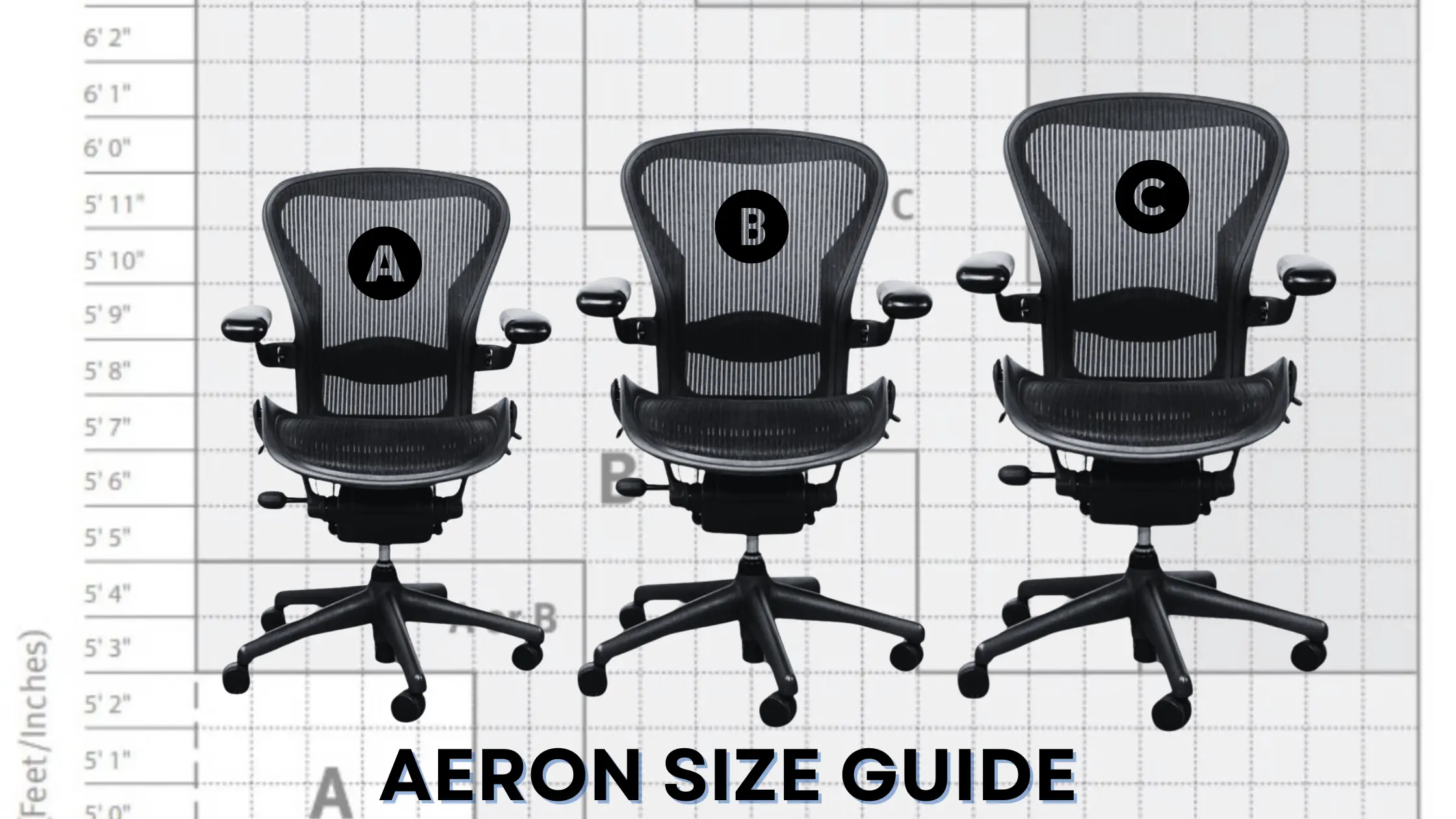
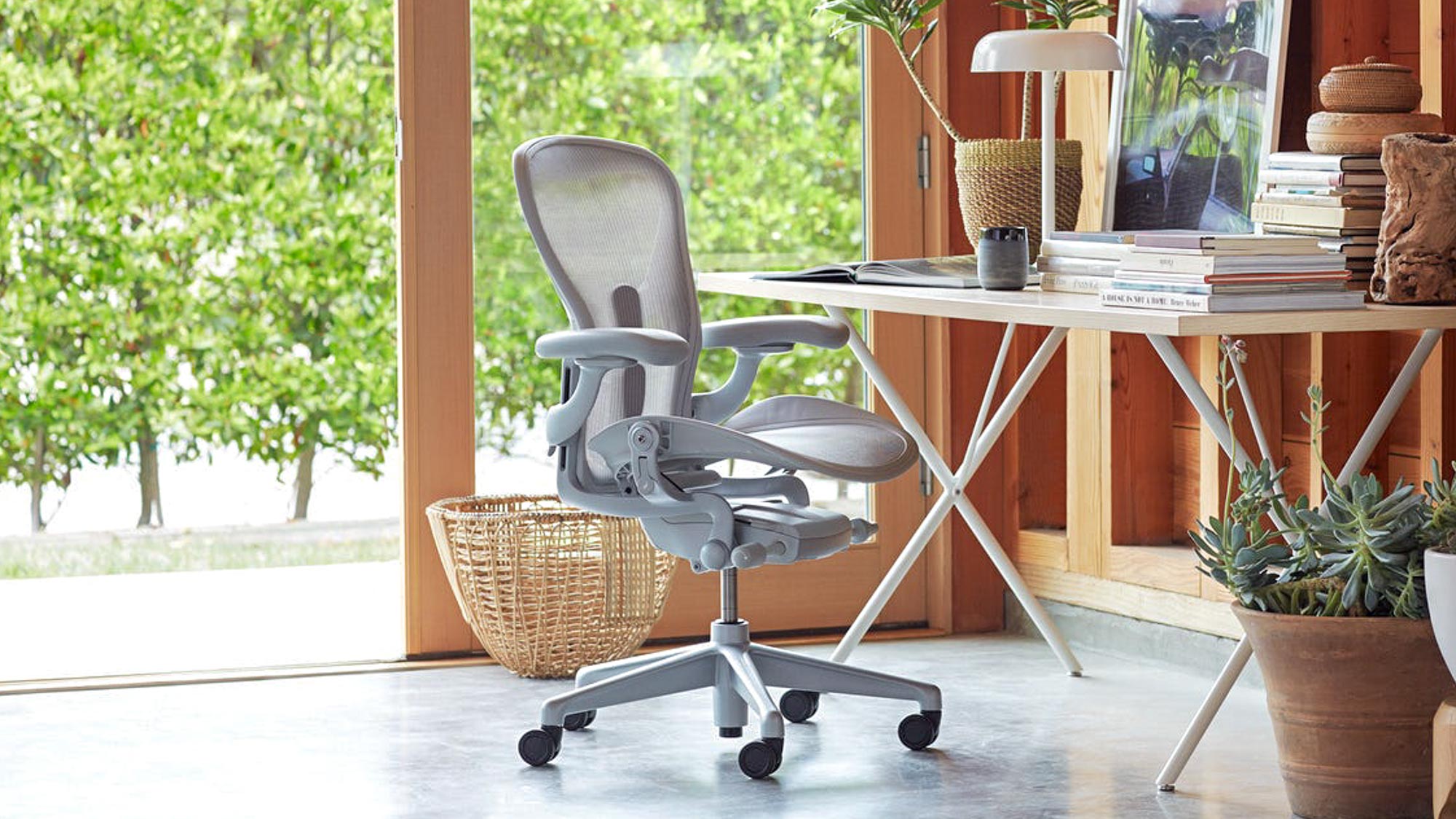
Okay, so you’ve decided you want the clout, the lumbar support, and the feeling of sitting in a piece of design history. But you’re not willing to sacrifice your knees or your dignity. Fear not. Navigating this minefield requires strategy, a budget for accessories, and a ruthless commitment to the used market. This isn’t about giving up; it’s about hacking the system. The first rule is to forget the Size B default. If you are under 5’4”, you are hunting for the elusive Size A. And if you’re under 5’0”, you need to accept that the Aeron might not be your soulmate, despite its hype. The Size A is narrower and shallower, but even then, the seat height is a problem. You will absolutely need a footrest. Not a flimsy yoga block—a solid, angled footrest that allows your knees to sit at a 90-degree angle. This is non-negotiable if you want blood flow to your toes.
If you’re leaning toward the Embody, the situation is slightly different. The Embody has a shorter seat depth range, but its rigid back is notoriously aggressive. For a shorter person, the back curve can hit too high or too low, creating a weird pressure point in your shoulder blades or lower back. The hack here is the Gaming Edition, which includes extra foam padding that sort of helps, but again, the floor issue remains. The only true savior here is the Herman Miller Mirra 2—the neglected middle child of the lineup. It has better adjustability, a more forgiving seat edge, and the back is more flexible. It’s the “short person’s Aerons” with a lowercase ‘a’ to the design community, and it deserves a second look.
Let’s talk about the forbidden hack: the office chair risers. You can buy plastic angled risers on Amazon for $20 that fit under the caster wheels to raise the chair (weird, we want to go lower, not higher). Actually, the real hack is swapping the chair’s gas cylinder. Yes, it’s terrifying, but there are third-party companies that sell “short person” gas cylinders with a lower stroke range. You can install one using a pipe wrench and a hammer (watch a YouTube tutorial, don't be a hero). This drops the seat pan by a crucial 2–3 inches, making a world of difference. If you don’t want to void the warranty or risk breaking your $1,500 investment, buy a very tall, heavy-duty footrest. The Humanscale footrest is a solid investment—it looks expensive because it is, but it’s heavy and won’t slide around.
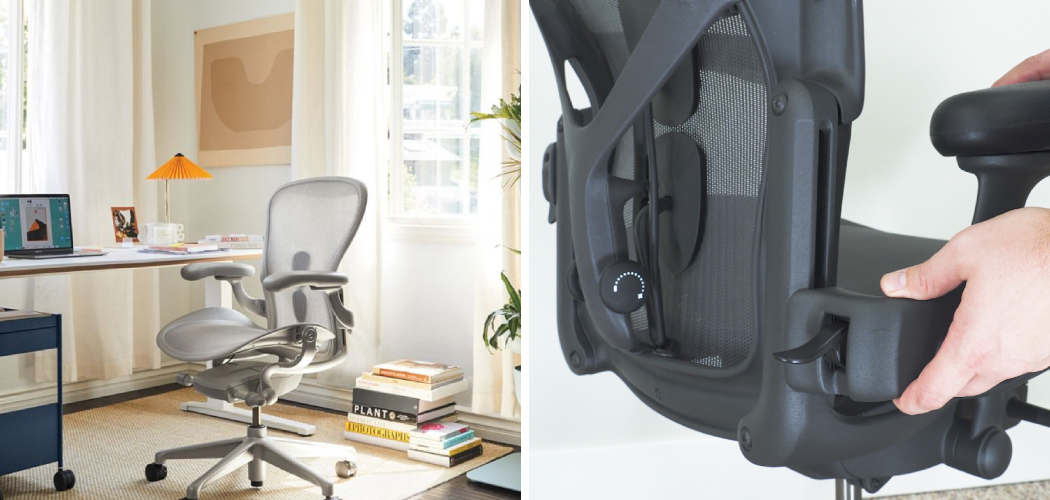
Finally, you need to engage in the dark art of posture acceptance. Stop trying to sit like a rigid robot with your back pressed against the mesh. Short people naturally sit slightly forward to reach the desk. That’s fine. Adjust the lumbar support to the lowest setting possible—most short people don't need aggressive lumbar, they need sacral support. If the chair’s arms (the Aeron’s are notoriously finicky) don’t go low enough to fit under your desk, remove them entirely. Yes, you read that right. Taking the armrests off a used Aeron is a classic move for the under-5’3” crowd. It looks minimalist and solves 80% of the shoulder pain from reaching up. It’s not about fitting the chair to the ideal; it’s about fitting the chair to your weird, short-legged reality.
The FAQ: Settling the Internet’s Biggest Arguments
“My feet don’t touch the ground—do I really need a footrest, or can I just let them dangle?”
Let’s get one thing straight: dangling is catastrophic for your spine. When your feet don’t touch the floor, your hamstrings pull on your pelvis, flattening the natural curve of your lower back. This puts immense pressure on your lumbar discs and forces your shoulder girdle to hunch forward to compensate. You are literally setting up a domino effect of pain that will explode in your neck and shoulders after a few weeks. The footrest isn’t a luxury; it’s mandatory medical equipment for short folks. Yes, it takes up floor space, and yes, it looks like a mini skateboard, but it returns the biomechanical advantage to your body.
There is a huge debate about which footrest is best. The fancy ones with tilting plates are gimmicks. You want a static, angled one that allows you to rest your entire sole. Your knees should be slightly below your hips—that’s the golden rule of ergonomics. If you are using a yoga block, that’s fine, but you’ll end up with a dent in it. Invest in a mesh or hardwood footrest that matches your desk aesthetic. Don’t listen to tall people who say “just scoot forward.” That ruins your back support. You need a solid base to anchor your body so the rest of you can relax.
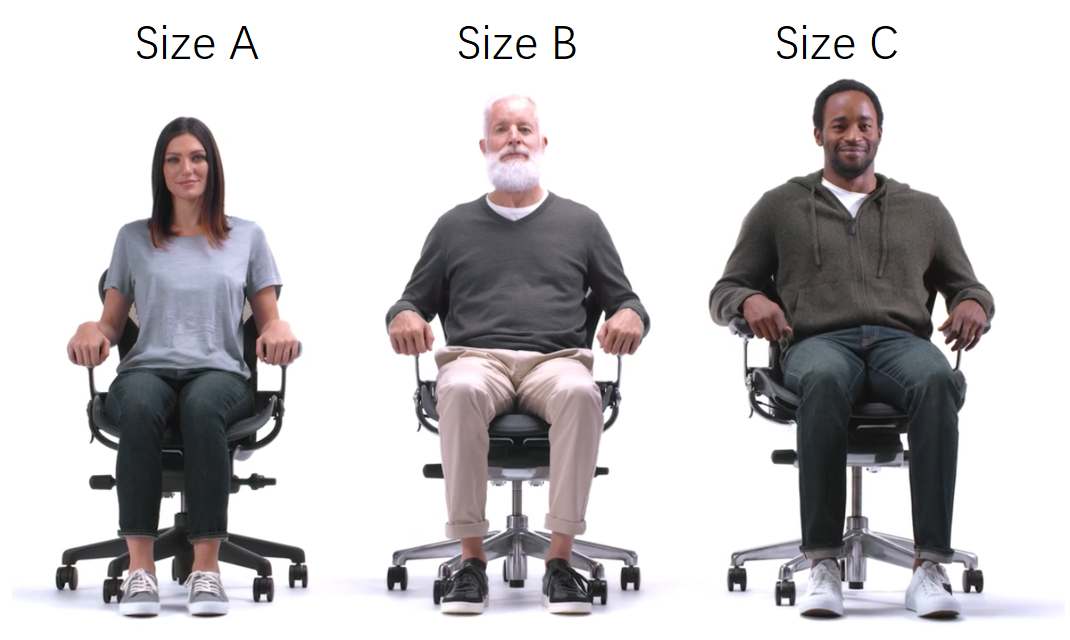
“Is the Size A Aeron actually ‘too small’ for a 5’4” person, or just a myth?”
This is the eternal flame war of the r/OfficeChairs subreddit. The corporate rule of thumb is: Size A is for under 5’6” and under 120 lbs. But in reality, the Size A is designed for very slim frames. If you’re 5’4” but have a wider hip structure, you will feel like you’re sitting in a highchair—the hard plastic edges of the seat basin will dig into your thighs. The Size B is objectively better for wider hips, but the seat depth is almost always too long. It’s the classic “Goldilocks” paradox.
The myth that Size A is “too small” is actually a tall person’s bias. They see the smaller mesh and assume it’s for children. But for a 5’3” woman with a long torso and short legs, the Size A is often a perfect fit if you use a footrest. The trick is to measure your popliteal height (the distance from the back of your knee to the floor) in centimeters. If that measurement is less than 16 inches, the Size A with a low cylinder is your best bet. If it’s between 16 and 18 inches, you might squeeze by with a Size B plus a footrest but you’ll have a plastic lip digging into your hamstrings. The internet wants to gatekeep the Size A, but it’s the only logical choice for the truly petite. Ignore the noise.
“The Embody is supposed to be ‘the best chair ever.’ Why does it hurt my shoulders so much?”
Ah, the Embody. It’s the chair beloved by streamers and tech CEOs. Its pixelated support system is groundbreaking for tall people with back issues. But for a short person, it can feel like a medieval torture device. The key issue is the backfit adjustment. This knob controls the curve of the backrest. Short people tend to have a shorter lumbar curve, and if the backfit is set too aggressively, the top of the chair’s backrest will push into your mid-back or shoulder blades, forcing a hunched posture. Tall people don’t have this issue because their spines distribute the pressure differently.

The fix is not to sell the chair; it’s to dial the backfit to the absolute zero setting—making the back as flat as possible. Additionally, the seat depth is adjustable via a slide lever, but the armrests are the real dealbreaker. They often sit too wide and too high to be useful. If you’re having shoulder pain, it’s likely because the armrests are forcing your elbows out to the side, torquing your rotator cuffs. You can’t swap the arms on the Embody easily. So, the conclusion is this: the Embody is a tall person’s chair. If you can’t return it, you must accept you will be sitting with your arms at a 45-degree angle from your body, which looks absurd but is better than slouching. Honestly, if you’re short, the Mirra 2 is the smarter choice—it has spring-loaded arms that are easier to adjust.
So, is the Herman Miller chair for short people a hopeless cause, or a revolution we’re too short to see? The truth is, it’s a permanent cultural shift, but not for the reasons you think. The pandemic permanently altered our relationship with our homes. The chair is no longer just a place to sit; it’s a statement of self-care and professional legitimacy. The demand for high-end ergonomics isn't fading—it's filtering down to a more discerning consumer. But the market is finally starting to listen to the short kings and queens. Brands like Branch and Fully are releasing more petite-friendly options, but the cult of Herman Miller remains the gold standard. The conversation we’re having now—about inclusivity in design, about not just “scaling down” a chair but redesigning the geometry for smaller bodies—is a sign of maturity. The fad of buying a chair for the logo is fading; the fad of buying a chair that actually fits is the new flex.
Ultimately, owning a Herman Miller as a short person is an act of rebellion. It’s a declaration that you refuse to be marginalized by a furniture industry that treats average height as the only height. You will buy the dang chair, you will buy the $75 footrest, and you will spend an hour fiddling with the tension knobs to find that one sweet spot that makes the world feel manageable. And when a tall friend comes over, sits in your chair, and says, “this feels a little small,” you will smile, knowing that you have customized your throne. It isn’t about fitting the chair; it’s about making the chair fit you—one low-profile gas cylinder and a strategically placed footrest at a time. The lap of luxury, it turns out, is much closer to the ground.