Heritage Buildings In Coimbatore

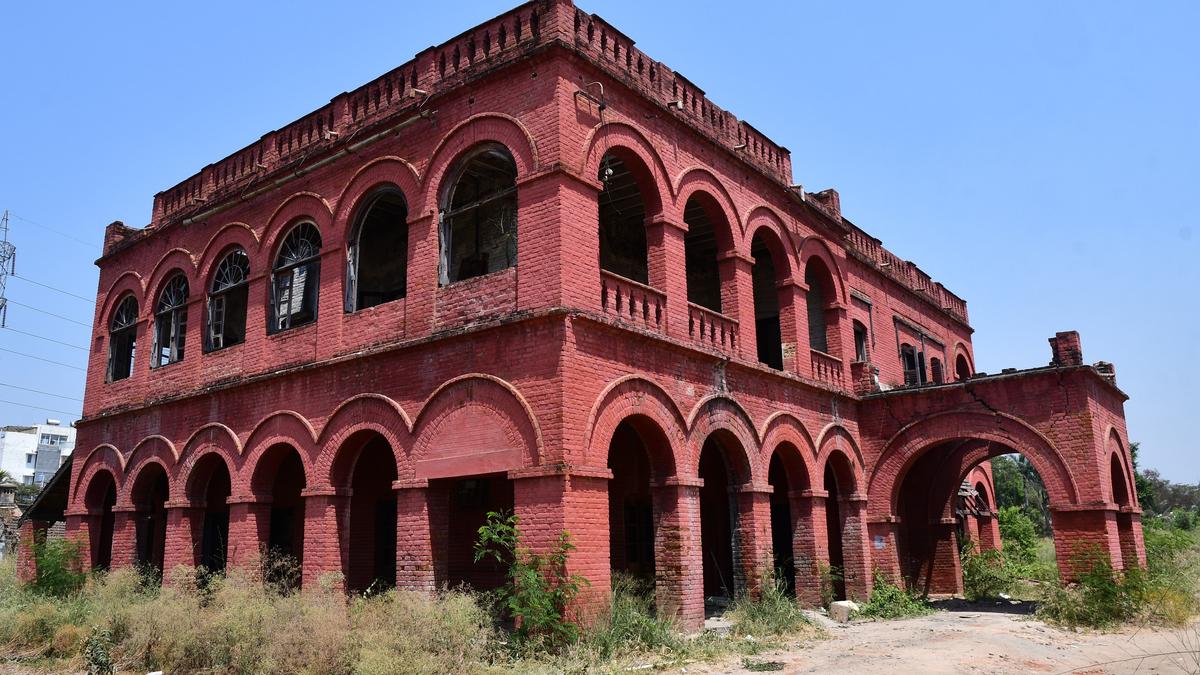
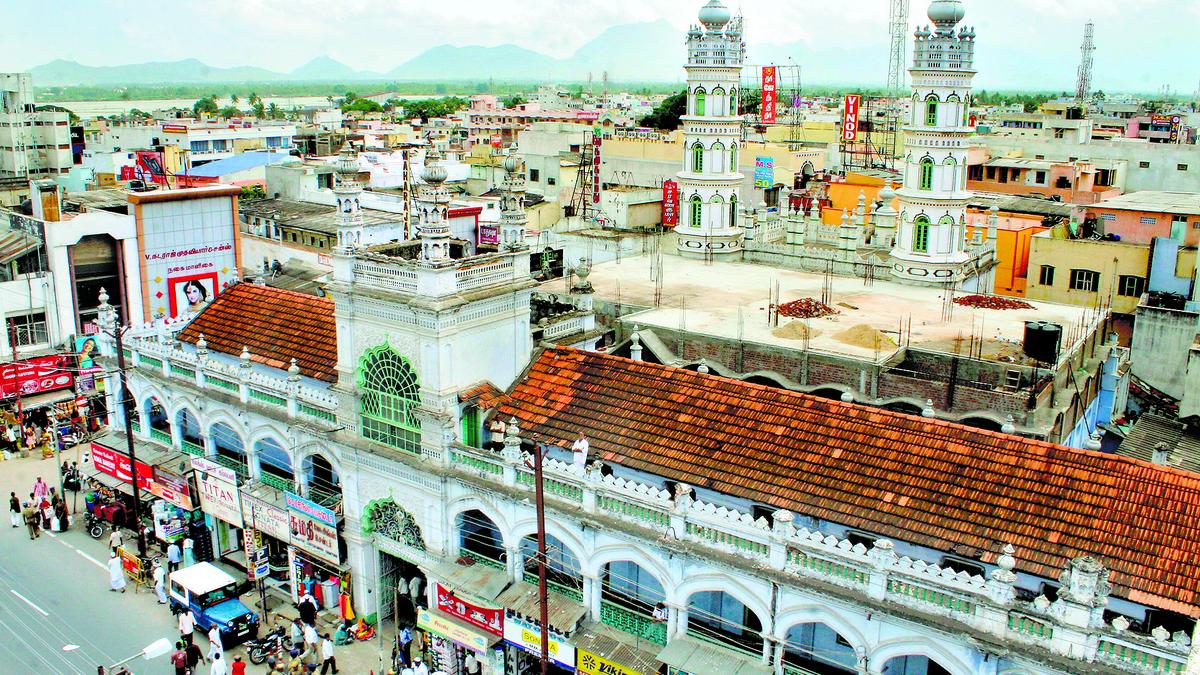
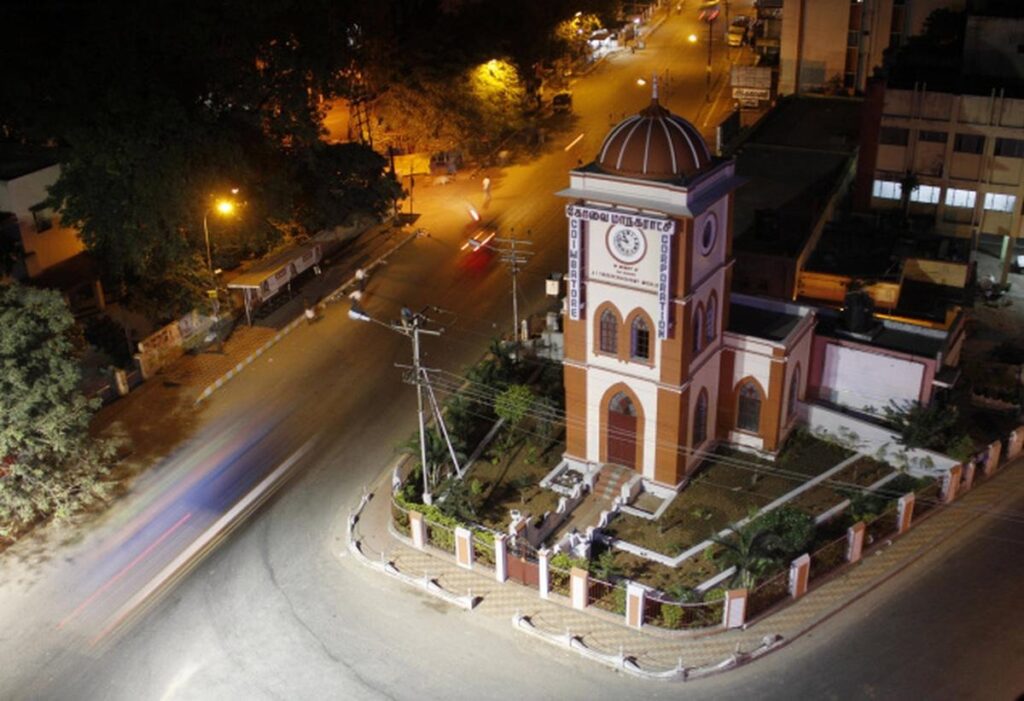
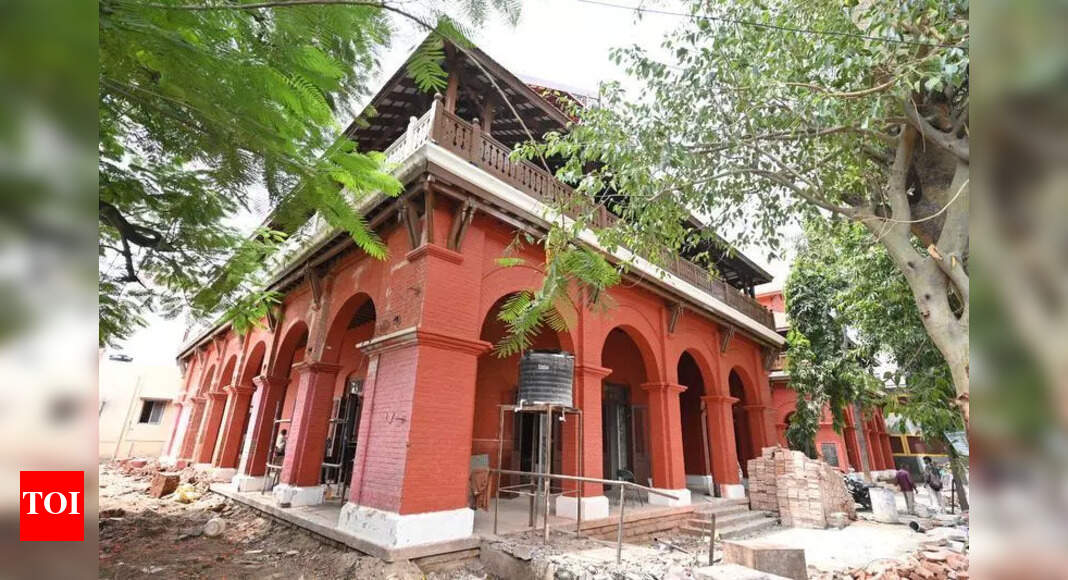
Let’s be real: if your Instagram explore page hasn’t served you a reel of a bride in a Kanjeevaram saree twirling in front of a crumbling colonial facade in Coimbatore, are you even on the internet? The “heritage core” of this industrial hub has suddenly morphed from a traffic-choked commute nightmare into the city’s most unlikely aesthetic flex. We’re talking about the same red-tiled bungalows and white-washed Art Deco shops that your granddad swore were “just old buildings” – they are now the backdrop for latte art pics, sneaker drops, and existential LinkedIn posts about “finding yourself in the old city.”
The timeline was fast. One minute, the internet was obsessed with “dark academia” vibes from European universities; the next, a hyper-local micro-trend emerged, tagging these structures with #CoimbatoreDiaries and #HiddenGems. It’s not just nostalgia—it’s a full-blown cultural recalibration. As the city’s skyline gets devoured by glass towers and brutalist tech parks, the remaining relics of the British Raj and the early textile baron era have become the last bastions of analog charm in a hyper-digital world. The discourse has shifted from “demolish and rebuild” to “wait, who owns that, and can I get a photo there before it’s gone?”
But beneath the filter-heavy surface, this is a messy, complicated love affair. The same influencers crying over a peeling wall are also the ones complaining about the lack of parking near those very buildings. The same startup bros who want a “vintage” office loft are the ones who’d sign a lease demolishing the interiors for a fake industrial ceiling. It’s the classic paradox of preservation in a city that runs on velocity and commerce. We want the vibe, but we don't want the inconvenience. And that, dear reader, is where the plot thickens.
Must Read
The Subculture of Stucco and Status: Who Actually Cares?
Let’s dissect the strange ecosystem that has formed around these structures. There’s the Architecture Bro—a dude with a film camera and a copy of “A Pattern Language” who will lecture you about the difference between a Madras terrace and a Mangalore tile roof until your eyes glaze over. He’s not wrong, but he’s also not fun at parties. Then you have the Nostalgia Dealer, usually a Gen X business owner who inherited a property on Oppanakara Street. He doesn’t care about the cornices; he cares that his father’s name is above the door. He’s the gatekeeper, deciding who gets to host a pop-up market in his dusty courtyard and who gets a stern “no” for a film shoot.
The most chaotic faction, however, is the FOMO-Driven Content Mob. They don't know the history; they know the “aesthetic.” They will climb onto a windowsill to get a shot of a rusty window grill, completely oblivious to the fact that it’s a working godown with employees trying to move sacks of rice. This clash is the heart of the drama. It’s a constant battle between living heritage (people still work there!) and museum-ification (treating it like a film set). The social media narrative paints these spaces as “abandoned” and “haunted,” which is hilarious because they are buzzing with commerce, just not the kind that fits a Pinterest board. This dynamic has created a weird gatekeeping war online, where locals rage at tourists for “discovering” their secret spots, even as the locals themselves have never actually stepped inside to buy a brass vessel or a bag of spices.
Adding to the cocktail is the Real Estate Ouroboros. On paper, these large plots in the city center are worth millions. Developers are circling like sharks, whispering about “mixed-use developments” and “luxury verticals.” But the heritage tag—whether officially listed or just socially perceived—adds a layer of complexity. It creates a weird limbo where properties are too expensive to buy, too risky to renovate, and too watched to demolish. The subculture here is one of neglect by necessity. Owners let the façades crumble to lower the property tax, while heritage enthusiasts share AI-rendered images of what the building could look like. It’s a passive-aggressive standoff played out in WhatsApp groups and city council meetings.
How to Do the Heritage Circuit Without Losing Your Sanity (or Your Wallet)
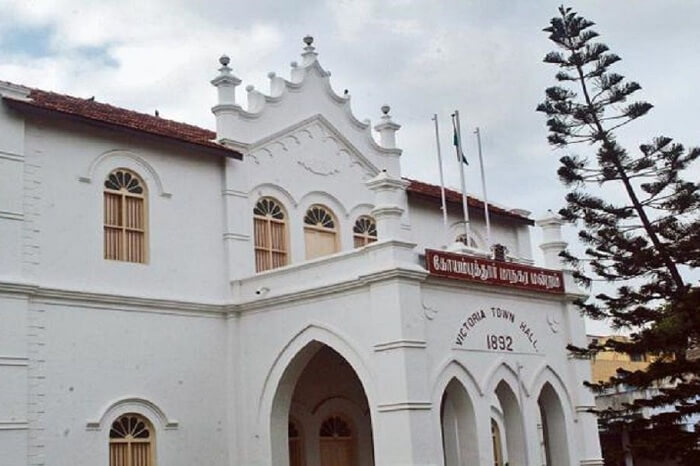
First, kill the influencer instinct to “conquer” the map. You do not need to visit every heritage building in one day. That is a recipe for heatstroke and disappointment. The magic of Coimbatore’s heritage is not in the grand monuments; it’s in the urban texture. Pick one quadrant—say, the Town Hall area—and actually walk. Don't drive. The parking hassles will trigger your cortisol and ruin the vibe. Walk into a random hardware store and look up. The mezzanine levels and the iron columns holding up the roof are the real show.
Secondly, spend money, but spend it smart. Skip the fancy coffee shop that relocated into a renovated bungalow and charges ₹350 for an americano. Instead, locate a legacy eatery like a traditional Kongu Nadu mess or an old-school tea kadai functioning out of a heritage structure. Order a filter coffee and a vada. You are now paying for the “experience” without the markup. You get the authenticity, the local gossip, and you support the owners who are actually keeping the building alive, rather than the venture capitalist who just copied the aesthetic.
Third, do your homework. Nobody likes the person who asks, “So, when was this built?” with a blank stare. A quick Google search takes two minutes. Know that many of these structures date back to the early 20th century, when Coimbatore was transforming into a textile hub. Understand the difference between the utilitarian godowns and the ornate bungalows built by early mill owners. Showing that you know the difference between a Doric column and a pilaster will get you into conversations with the buildings’ caretakers, who are often elderly and obsessed with sharing stories. That is your golden ticket.
Finally, lower your expectations for “pristine.” This is a working city. The paint is peeling, the floors are stained with oil, and there’s likely a honking truck nearby. If you want sterile, go to a mall. The point is to appreciate the patina of reality. The chipped paint tells a story of a hundred monsoons. The uneven floor tells a story of a thousand carts rolling through. If you can shift your perspective from seeing these as “ruins” to seeing them as living organisms, you’ll have a better time. Also, carry a mask. The dust and pigeon droppings are real, and they do not care about your linen outfit.
And for the love of God, if you see a “No Entry” sign, respect it. Climbing over a barricade for a cute selfie is not ‘urban exploration’; it’s trespassing. You are exactly the reason why the owners get twitchy when they see a camera. Be a guest, not a colonizer.
The Internet’s Burning Questions (Answered)
1. Is it selfish to “gatekeep” heritage spots from influencers?
In the great digital war of our time, gatekeeping is the weapon of choice for locals who feel their space is being commodified. And honestly, there is a logic to it. When a heritage building goes viral on TikTok, it triggers a flood of visitors who don’t care about the area, who block the narrow lanes with their cabs, and who buy nothing from the local vendors. They just take a photo and leave a trail of trash. In this context, gatekeeping is a survival mechanism for the community. It’s about preserving the sanctity of a place that isn’t a theme park.
However, the flip side is that some gatekeeping is just elitist snobbery. Saying “you don’t belong here” to a young person from a different neighborhood just because they didn’t grow up here is classist nonsense. The buildings belong to the city’s collective memory. The solution isn’t to hide them, but to educate. If an influencer is going to come, they need to bring value—maybe they highlight a dying craft or a local business. If they are just there for the ‘fit pic, well, the algorithm will eventually move on. The real threat isn’t sharing the spot; it’s sharing it with the wrong context.
2. Should we demolish old industrial buildings to build modern housing?
This is the classic development vs. preservation debate, and in Coimbatore, it’s nuclear. The argument for demolition is pragmatic: the city is expanding, the population is exploding, and we need high-density housing. These old single-story or two-story buildings occupy prime real estate and are often structurally unsound. Keeping them means pushing affordable housing further out, increasing commute times, and raising costs. It’s a logical, capitalist-driven argument that focuses on the future utility of the land over its past emotional value.
The counter-argument is that heritage is not just about pretty facades; it’s about urban memory. Once you tear down a 1920s textile warehouse to build a generic 15-story apartment block, you’ve erased the city’s industrial DNA. You’ve replaced a unique sense of place with a cookie-cutter skyline that could be anywhere. The smarter approach—and what many progressive cities do—is adaptive reuse. Convert the old godown into a design studio, or the bungalow into a boutique hotel. It’s more expensive upfront, but it creates a distinct economic and cultural asset that a faceless tower cannot. The answer isn’t a blanket “yes” or “no,” but a case-by-case analysis that balances housing needs with a preservation strategy. The internet, of course, reduces this to #Demolish or #Preserve, leaving no room for nuance.

3. Why does Coimbatore’s heritage feel less “fancy” than Mysore’s or Chennai’s?
Because Coimbatore was a working-class hero, not a royal capital. Unlike Mysore, which was built on the grandeur of monarchy, or Chennai, which was designed as a colonial administrative seat, Coimbatore was an industrial frontier. The heritage here is not in palaces and temples (though there are some), but in mills, warehouses, and trading offices. The architecture is utilitarian—thick walls for heat control, high ceilings for ventilation, and wide verandas for monsoon rains. It’s not ornate; it’s efficient.
This aesthetic is less photogenic in the traditional “palace” sense, but it’s raw and authentic. The lack of fuss makes it more relatable to the modern hustle culture. The internet is slowly realizing that “industrial vintage” is a vibe. The exposed brick and cast-iron columns are the original raw aesthetics. So, while it might not look like a fairy tale, it looks like a vision board for a modern creative agency. It’s the fashion of the working man, and in a trend cycle obsessed with authenticity, that’s a powerful currency.
So, is this heritage obsession a fad driven by a bunch of bored teens, or is it a seismic shift in how we view our city? The truth is, it smells like a bit of both. The viral content is certainly fleeting—today it’s heritage, tomorrow it’s floating coffee shops. The aesthetic hunger for the look of history will fade because trends are moving faster than our attention spans. However, the underlying economic and social pressure is permanent. As land becomes scarcer and the city densifies, these old buildings become the only remaining physical proof that we have a history worth guarding.
That pressure isn’t going away. The conversation about conservation will only grow louder, shifting from a hobbyist’s concern to a major civic issue. The buildings will either be saved by creative entrepreneurs who find new uses for them, or they will be lost to the wrecking ball. This internet moment, as cringe and chaotic as it is, might just be the wake-up call the city needs. It has made the invisible visible. Whether we act on that visibility—or just double-tap and scroll past—will decide the skyline of the next century. The only thing more dangerous than a fad is a fad that falls on deaf ears.