Heating And Air Technician Salary

Hot Pockets and Cold Cash: The Real Deal on HVAC Pay
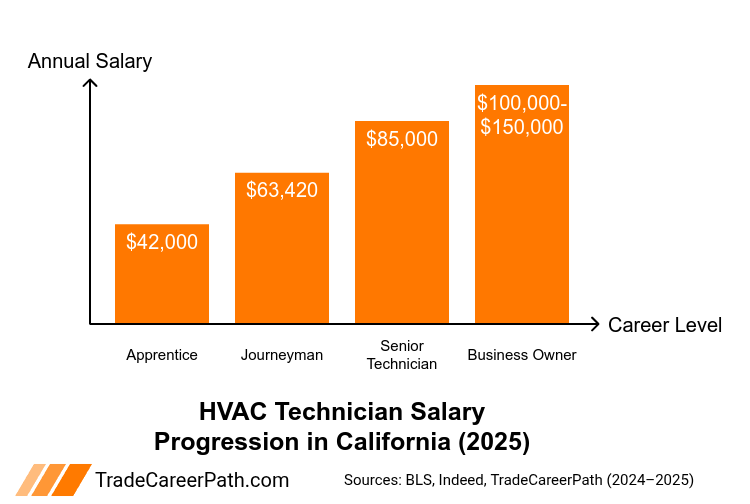
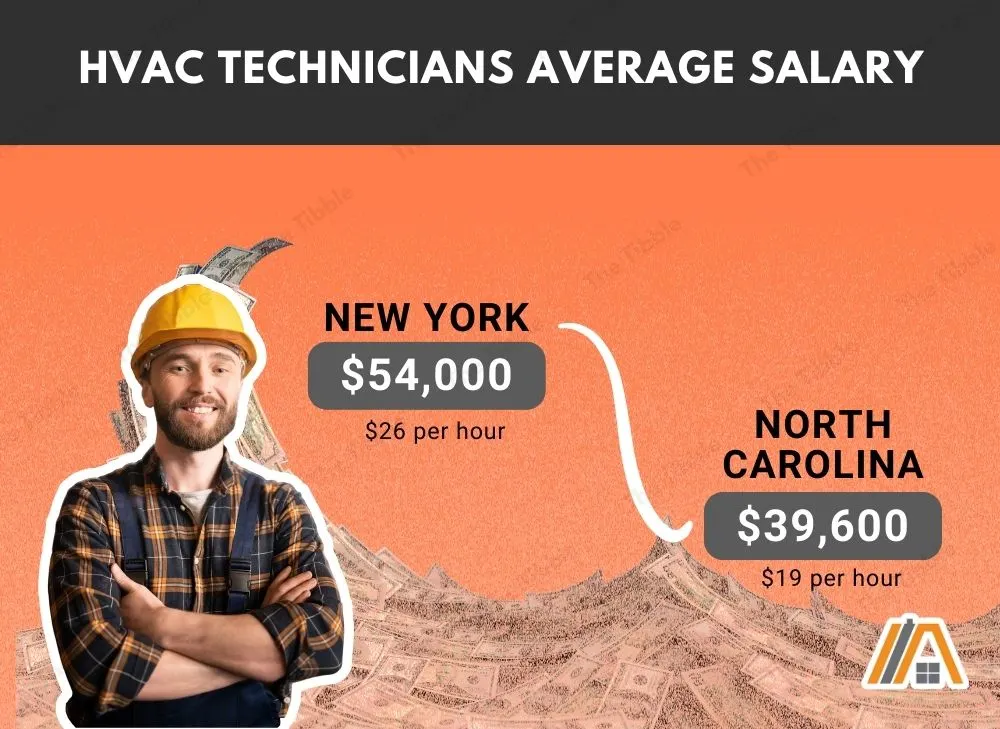
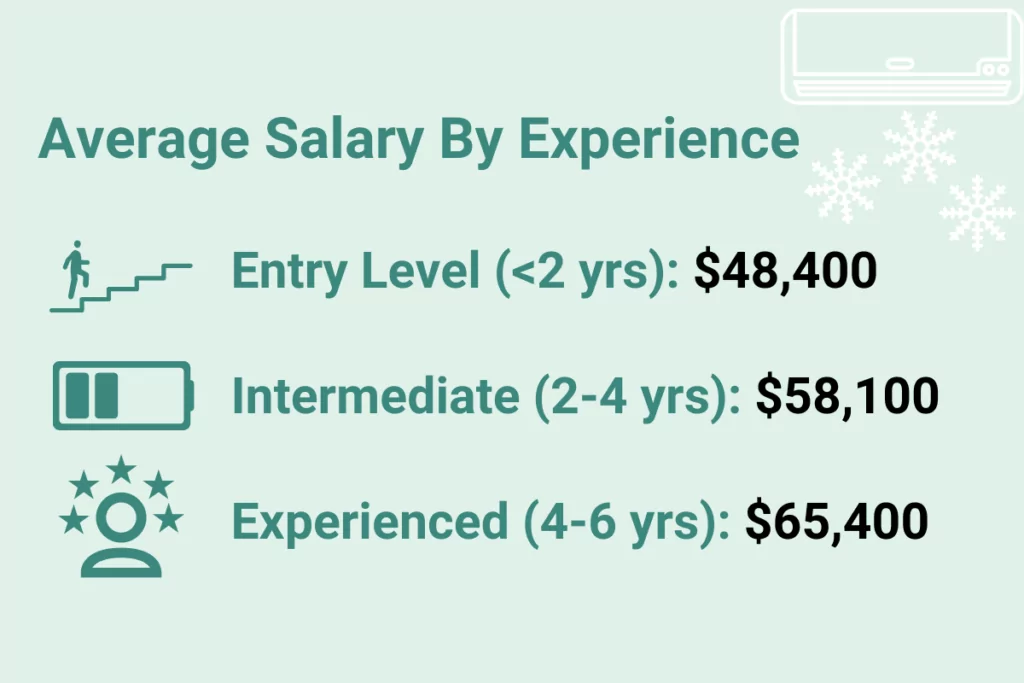
Let’s be honest: when you think of a heating and air technician, you probably picture someone in a sweaty attic, not someone rolling in dough. But here’s the twist—these men and women are the unsung heroes of your comfort, and their paychecks are nothing to sneeze at. In fact, the average HVAC technician in the U.S. pulls in around $50,000 to $60,000 a year, with top pros making well over $80,000. Not bad for a job that mostly involves fixing things that go brrr or hiss.
But wait, it gets better. That salary isn’t just for sitting in a truck all day. It’s for the sheer joy of walking into a 95-degree house and leaving an hour later with the homeowner crying happy tears because the AC works again. You aren't just fixing a machine; you’re rescuing a family from a week of cold showers and sleepless nights. That emotional payoff? Priceless. And it comes with a side of serious job security.
Why Your Thermostat is a Pay Raise Machine
Here’s a fun secret: the harder your climate is, the fatter an HVAC tech’s wallet gets. If you live in Phoenix or Minneapolis, these folks are basically superheroes in work boots. When a heatwave hits, their phones ring off the hook, and overtime pay becomes a beautiful monster. A single emergency call on a Sunday can add a crisp $150 to $300 to their day, just for showing up.
Must Read
And it’s not just about emergency calls. Many techs earn commission on the parts they sell or the new systems they recommend. So, when your old furnace gives up the ghost, a tech might casually mention a shiny new model—not out of greed, but because that’s how they buy their own boat.
“I once made more in one July than my buddy the accountant made in a quarter,” laughed Dave, a 12-year veteran from Texas. “And I got to play with a wrench, not a spreadsheet.”
The Sweet, Smelly Path to a Bigger Check
Here’s the part nobody tells you: experience is a golden ticket, but so is a good nose. The best techs can sniff out a gas leak or a moldy coil before their tools even come out. That “nose” comes with a pay bump because you’re saving the company time and saving the customer from a nasty surprise. Also, knowing how to talk to scared homeowners—saying “Don’t worry, I’ll have you cozy in two hours”—can earn you bigger tips and repeat business. Honestly, charm is a raise.
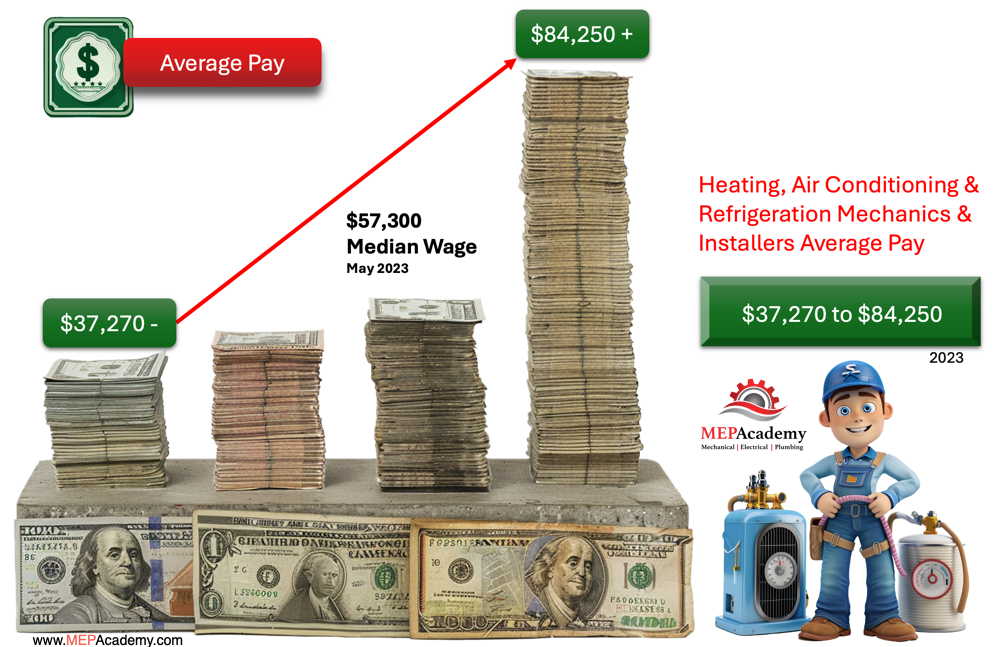
Newbies start around $40,000, but after two years of on-the-job training and a few free online courses, that number jumps fast. The trick? Get certified. A simple EPA 608 license (that’s the “I know how to handle refrigerants without killing the planet” badge) can add $2,000 to $5,000 to your starting offer. And you don’t need a four-year degree—just a high school diploma, a willingness to learn, and a back that can handle a few scrapes from attic rafters.
The Funniest Bonus: Free Workout and Free Therapy
Let’s talk about the hidden perks. First, you get a built-in gym membership. Carrying compressors and crawling under houses means you’ll never need a Peloton. Second, you become a part-time therapist. Homeowners will tell you about their kids, their dogs, and their fear of the dark while you work. You’ll leave with a full heart and a full wallet.

And then there’s the schedule. Many techs work four 10-hour days, meaning you get three-day weekends every single week. Imagine having a Monday off to go fishing or just sit in your own air conditioning, laughing at the traffic. That’s not just a job; that’s a lifestyle upgrade.
So, Is It Worth It?
Absolutely—if you like variety. One day you’re fixing a furnace at a school, the next you’re installing a smart thermostat in a millionaire’s mansion. No two days are alike, and the pay reflects that chaos. You’ll never be rich like a tech mogul, but you’ll be comfortably middle-class, debt-free, and extremely popular during heat waves.
So next time you see an HVAC van in your driveway, don’t just see a repair bill. See a person who chose the sweaty path for a cool paycheck. And if you’re job hunting, remember: the air you breathe is invisible, but the money in this trade is very, very real. Just don’t forget to tip them in lemonade.