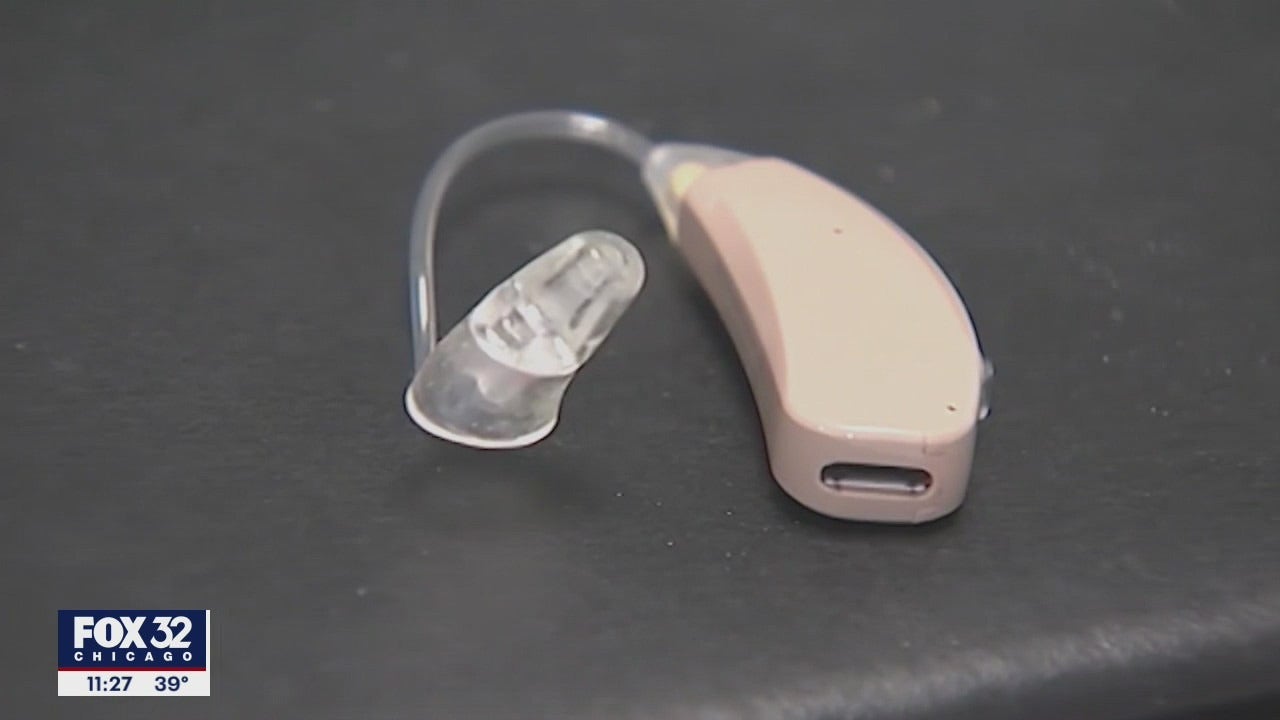
Hearing Aids Advertised On Fox News

If you’ve ever watched Fox News for more than twelve minutes, you’ve probably witnessed a miracle. No, not the kind involving cable news pundits agreeing with each other—I’m talking about the hearing aid commercials that promise to whisk you back to a world where your spouse’s mumbling is suddenly crystal clear.
These ads are a genre unto themselves, a bizarre blend of medical advice, senior-citizen panic, and the relentless energy of a used car salesman. They feature impossibly cheerful seniors dancing at weddings, laughing at grandchildren’s jokes, and nodding along to conversations as if they just won the lottery. The irony is that you can’t hear the music they’re dancing to because you’re watching it with your TV volume at 47, which is exactly the problem they claim to fix.
The Golden Age of Targeted Algorithms
Let’s be honest: if you’re watching Fox News, the algorithm has already tagged you as a “mature American with disposable income and a slight distrust of muffled sounds.” That’s why you’re bombarded with ads for hearing aids that cost less than a decent pair of sneakers. They’re not just selling you a device; they’re selling you the nostalgic idea that you can once again hear the opening riff of “Free Bird” without asking your wife to “turn it up, dear.”
Must Read
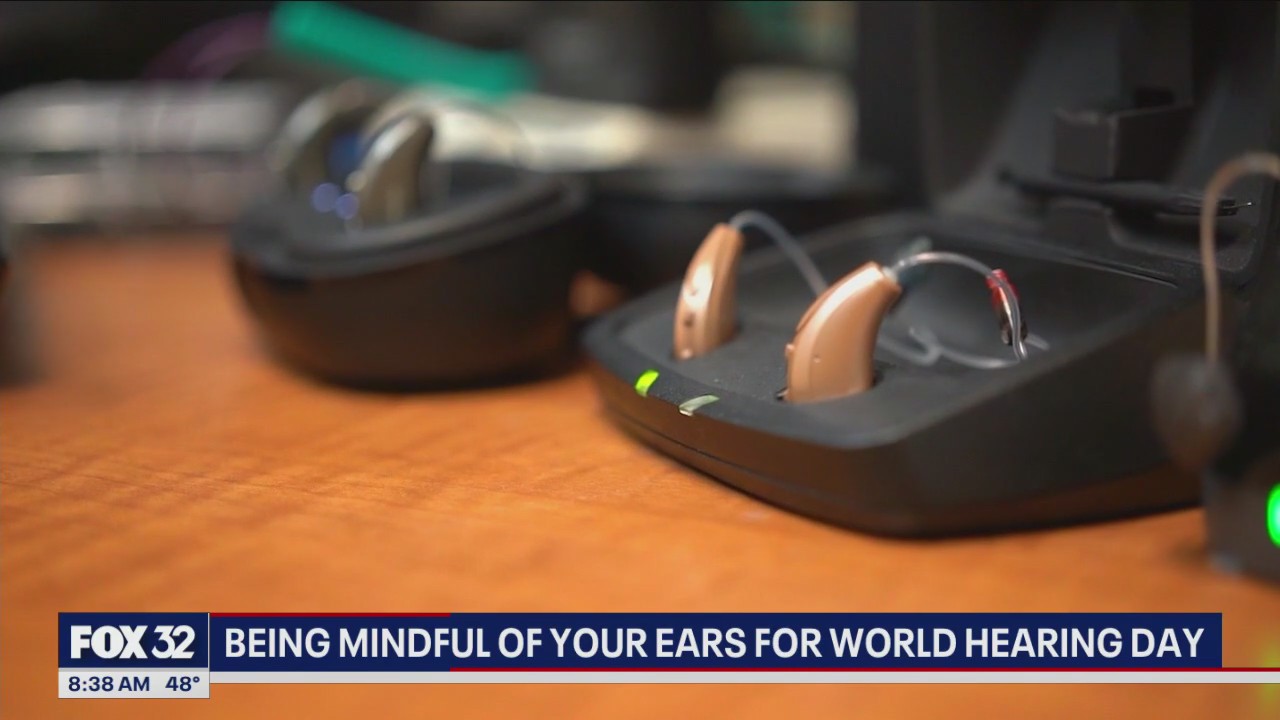
But here’s the surprising fact that will blow your mind faster than a blown tube in a vintage amp: modern hearing aids are basically supercomputers for your ears. Many of them use Bluetooth, artificial intelligence, and can even detect if you’ve fallen down—which is handy, because that’s probably what happens when you bend over to pick up the remote after your knees give out.
The “As Seen on TV” Science
The ads love to toss around words like “discrete,” “invisible,” and “FDA-registered” so fast you’d think they were auctioneers. They’ll show you a tiny dot that costs $99 and fits deep in your ear canal, and then they’ll cut to a clip of a guy hearing a bird outside his window for the first time in thirty years. He sheds a tear. You shed a tear. Then you realize you’re crying because you genuinely cannot find your own remote, and you’re pretty sure it’s on the floor next to the dog.

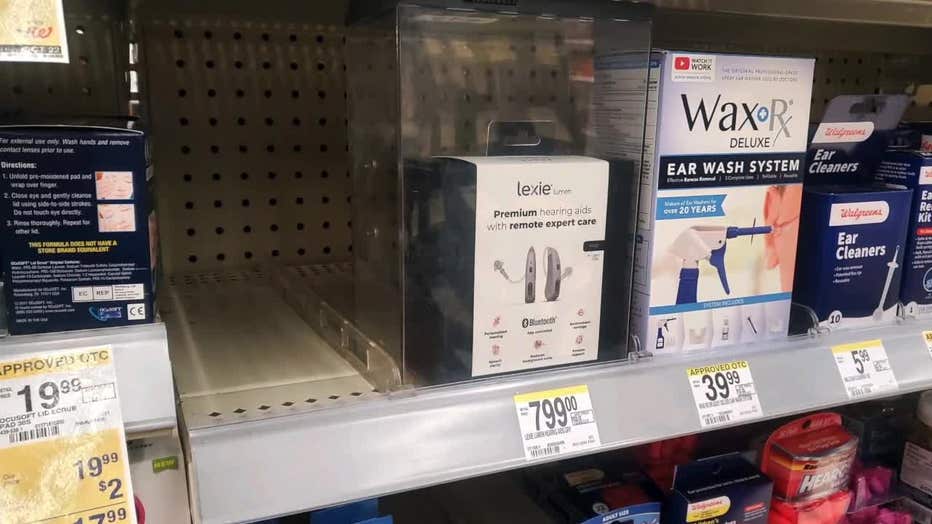
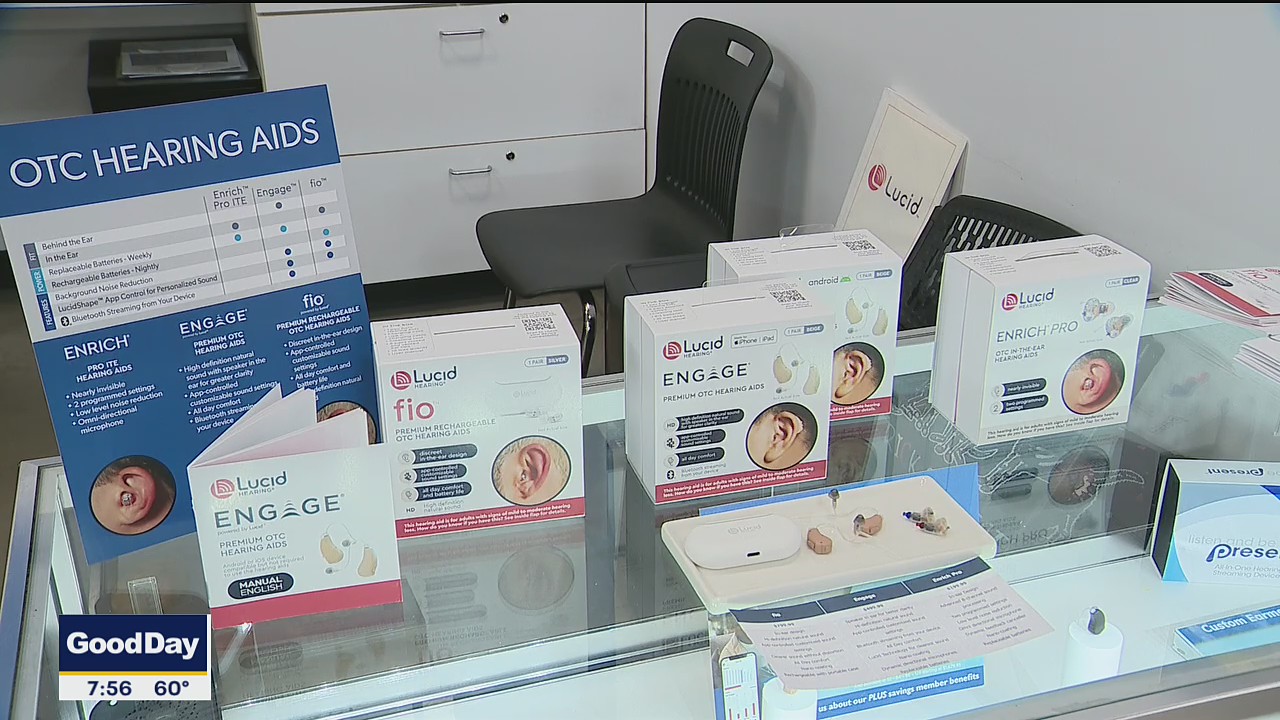
What they don’t tell you is that most of these “miracle” devices are personal sound amplification products (PSAPs), not actual prescription hearing aids. It’s a distinction that feels like finding out your “filet mignon” is actually a hamburger. But hey, the hamburger still tastes good, right? And it’s only $49.99 if you call within the next ten minutes!
Another gem: the ads are legally required to be loud enough to hear, which is a hilarious paradox. So you’ll be sitting there, half-asleep on your recliner, when a cheerful grandma suddenly screams, “TIRED OF ASKING PEOPLE TO REPEAT THEMSELVES?!” at a decibel level that could shatter a wine glass. Congratulations, you’re now fully awake and terrified.

The Real Pitch
The best part of these commercials is the “limited time offer” that never ends. “Buy one, get one free!” they exclaim, as if you’ll be needing two because your spouse is also deaf from watching the same channel for forty years. It’s a beautiful, self-sustaining ecosystem: you watch the news, get angry, the ad tells you to hear better, you buy, and then you can finally hear the next news story that makes you angry enough to buy a backup pair.
So if you see an ad for hearing aids on Fox News, don’t change the channel. Embrace it. It’s a cultural touchstone, a rite of passage, and a surprisingly effective spoiler alert. Because in a few years, you’ll be able to hear the future, and the future sounds like a tiny computer whispering, “Call now, operators are standing by.” And honestly? That’s the only news you really need.