Haunted Places In Pune In Marathi
There is a peculiar silence that descends upon Pune’s old wadas as the evening light fades into a bruised purple. It is not the silence of emptiness, but the heavy, expectant pause of a city that has witnessed centuries. For the generations that grew up in the shadow of the Shaniwarwada or near the misty banks of the Mula-Mutha, ghosts were not mere fiction; they were the unspoken residents of our collective childhood. Long before the internet turned paranormal investigation into a viral trend, our grandmothers spoke in hushed tones about the kudhe (crokery) that rattled at midnight or the ghungroo sounds that followed a young bride’s tragic tale. This was our initial human necessity—not for horror, but for context. In a city that served as the seat of the Peshwas and the crucible of modern Indian social reform, the spectral narratives were our way of holding onto the memory of those who had lived, loved, and perished within these high walls. The haunted places of Pune were never just locations; they were the emotional archives of a city that was rapidly modernizing while clinging to its ancestral soul. The evolution of Pune’s haunted geography is a fascinating mirror of its urban transformation. In the fin de siècle era, the stories were intimately tied to the land itself—the vada complexes built by the aristocracy, the British cantonment bungalows, and the sacred groves that predated the city’s expansion. The ghosts of that time were often benevolent or tragic; they were the disgruntled landlords, the betrayed navari (nine-yard saree) clad women, or the soldiers of the East India Company who died of cholera in the marshlands. The belief system was heavily agrarian and spiritual, heavily influenced by the Varkari tradition that saw the earthly realm as a temporary stop on a karmic journey. The fear was not of the unknown, but of the unresolved—a life cut short without proper rites, a death steeped in injustice. The initial necessity was ritualistic; to know a place was haunted was to know where not to dig a well, where not to linger after dark, and which ancestor to propitiate during Pitru Paksha. But as we moved into the mid-20th century, the narrative began to shift. The post-independence industrialization brought with it a wave of migrants, and with them, a new set of urban legends. The old palaces were converted into government offices or colleges, and the grandeur of the Peshwa era gave way to the utilitarian ethos of a bureaucratic state. The ghosts, in turn, adapted. They moved from the grand durbar halls to the cramped corridors of hostel rooms, from the regal takia (cushion) to the sterile beds of hospital wards. This was the era where the stories of the Fergusson College campus and the National Defence Academy (NDA) at Khadakwasla began to take root—places that symbolized new-age discipline but were nonetheless riddled with tales of student suicides and lost cadets. The haunted places in Pune began to serve a new psychological necessity: they became the pressure valves for a youth population under immense academic stress, and the scapegoats for institutional neglect. The fear was no longer about unresolved karma, but about the anxieties of a city in a frantic sprint toward progress.
The Bizarre Decades: From Wada Whispers to Cantonment Chills
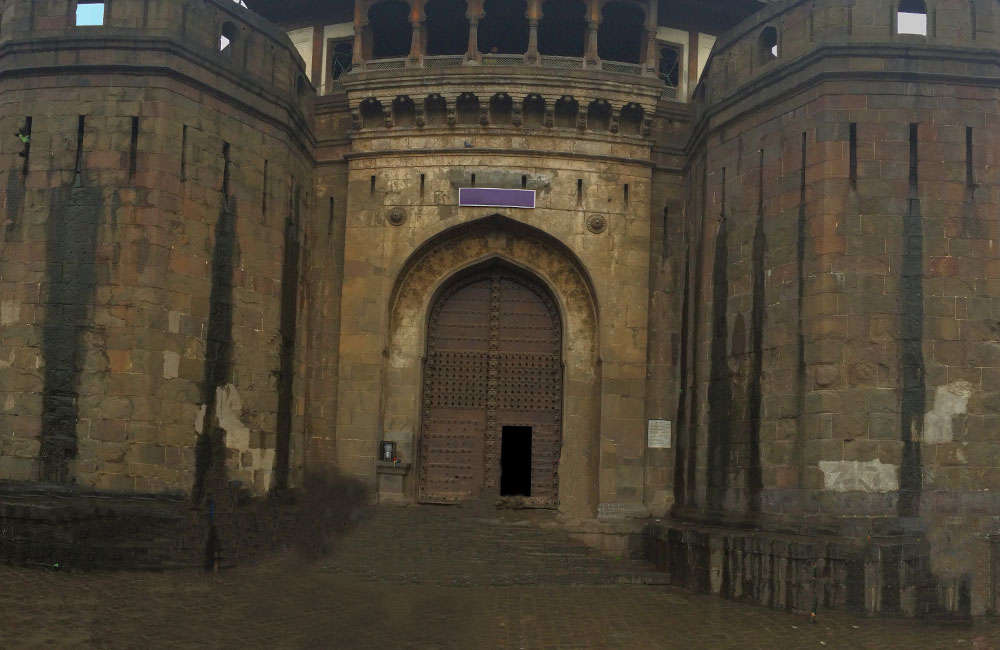
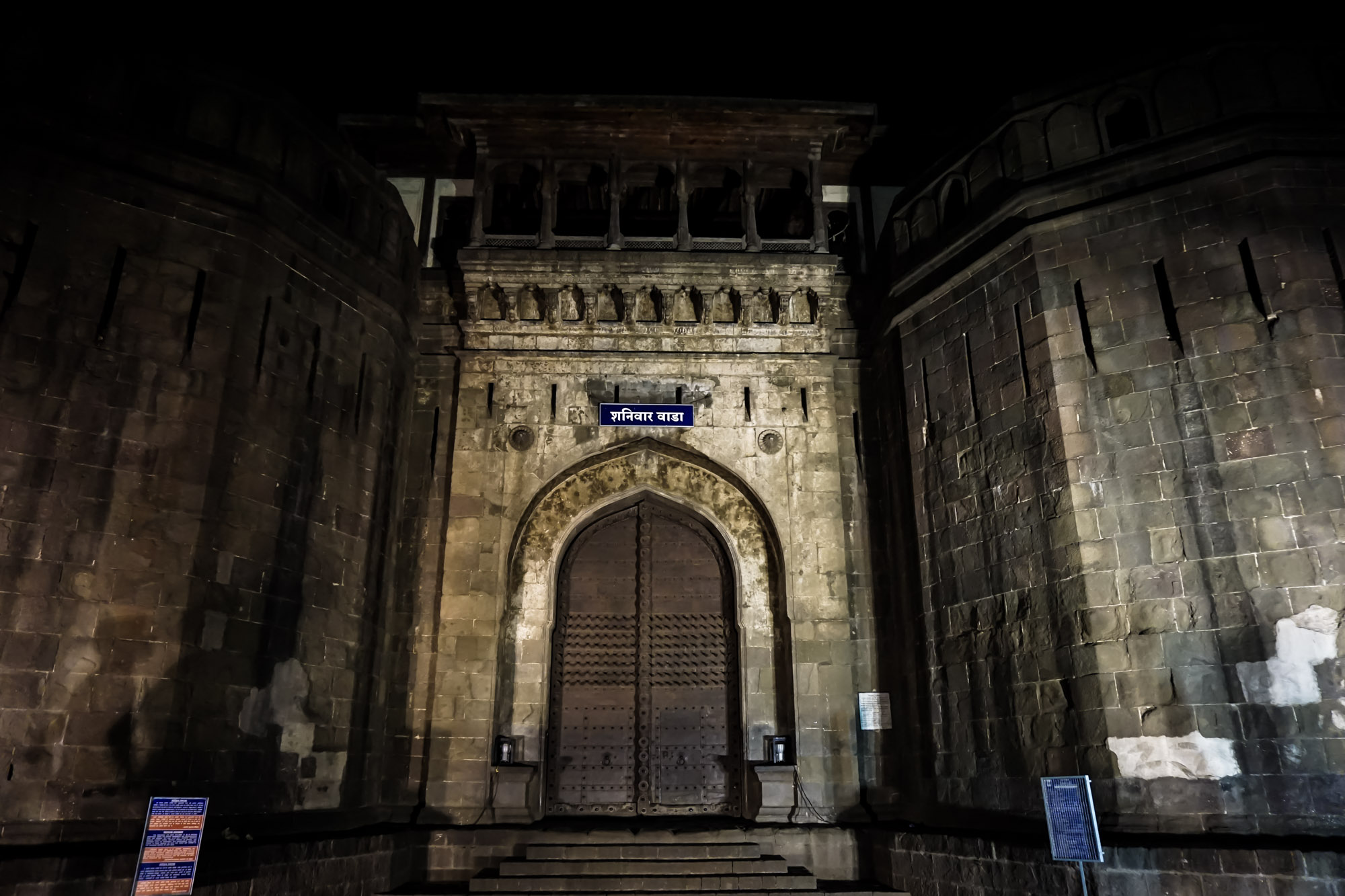
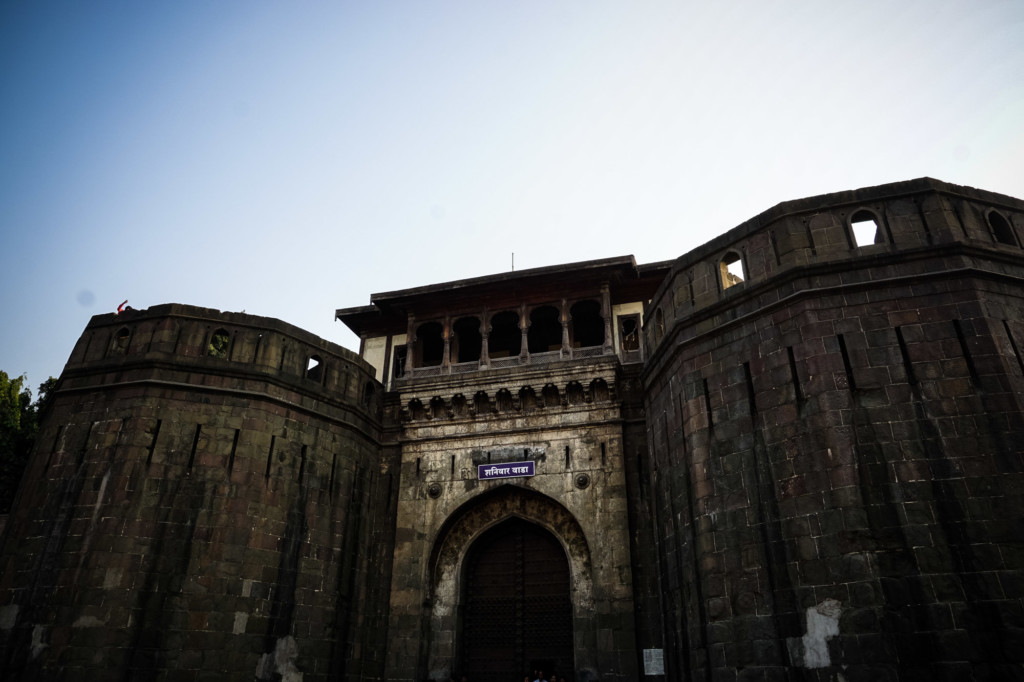
Let us travel back to the 1970s and 1980s, a period that can only be described as the golden age of Pune’s paranormal folklore. This was a time when the city was still small enough that the hills of Parvati and the banks of the river felt wild and isolated. The most famous of these tales, the legend of Shaniwarwada, underwent a significant metamorphosis during this period. Historically, the fort was the site of the brutal assassination of the young Peshwa, Narayanrao, in 1773. However, the 1970s tourist lore, heavily popularized by the state tourism board’s storytelling sessions, transformed this historical tragedy into a spectral phenomenon. Visitors began to claim they could hear the anguished cries of “Kaka! Vachva!” (Uncle! Save me!) emanating from the fort’s precincts on full moon nights. The bizarre truth is that this was actually confirmed by a team of acoustics experts who found that the sound was the wind whipping through the Bali (courtyard) gates, but the public preferred the ghost story. It became a point of civic pride, a macabre tourist attraction that differentiated old Pune from the sterile new townships. The 1990s brought a more cosmopolitan, anglicized flavor to the haunted map, heavily influenced by the arrival of IT parks and the proliferation of VHS horror films. The focus shifted from the historical core to the suburban periphery—specifically to the British-era bungalows in the Koregaon Park and Camp areas. These were the structures that the affluent Parsi and British families had abandoned post-independence. The stories became more visceral and sexualized, featuring colonial-era misdeeds, hidden treasures, and ladies in white gowns—a stark contrast to the choli and paithani clad spirits of the past. The treatment of these places was bizarrely clinical; freelance ghost hunters, often college kids with cassette recorders, would conduct "vigils" inside the old bungalows of the Bund Garden area. They treated the spirits as entities to be "captured" on audio tape, a precursor to the digital EVP (Electronic Voice Phenomena) we see today. This decade marked the crucial shift from a reverential approach to a more investigative, almost parasitic, one. The haunted places were no longer sacred ground to be avoided; they were entertainment commodities to be exploited for a thrill. Yet, the most bizarre transformation was reserved for the early 2000s, when the real estate boom began to cannibalize the city’s open spaces. The forgotten vintage fact here is the legend of the Yerwada Central Jail and the adjacent Mental Hospital. For decades, the area was considered a vortex of negative energy. The folklore spoke of the restless spirits of freedom fighters like Bal Gangadhar Tilak, who were imprisoned there, but the modern twist added the spirits of the mentally ill who had died in neglect. Developers, eager to build high-rises, had to deal with construction delays that laborers attributed to "spirits" sabotaging the work. This led to a bizarre practice where real estate companies would hold Kumbh Vivah (a symbolic marriage to a pot or tree) for the land, a ritual usually meant to ward off the affliction of Manglik dosha, to pacify the earth spirits. The spectral landscape became a bargaining chip in commercial transactions, a far cry from the spiritual reverence of the 19th century.Modern Hacktivism: Digitizing the Divine and Demonic
In today’s hyper-connected Pune, the classic principles of encountering a ghost have been completely hacked. The old rules were simple: avoid lonely places after midnight, don’t respond to calls in your mother’s voice, and never whistle at night. Today, the modern paranormal enthusiast is a tech-savvy urbanite who uses EMF meters and smartphone apps to "communicate" with the spirits of the Vetal Hill or the Pashan Lake. The necessity has shifted from survival and ritual avoidance to content creation and psychological stimulation. Ghost hunting has become a recreational sport, often organized through WhatsApp groups and Instagram pages that promise "authentic haunted trails." The hack here is the gamification of fear. Instead of waiting for a supernatural occurrence, modern enthusiasts "trigger" the spirits by playing specific frequencies or using laser grids, turning a passive experience into an interactive one. The old, dusty narrative of the Peshwa era is being rewritten as a "paranormal tourism" package, complete with safety waivers and portable chargers for your devices. Furthermore, the advent of social media has created a paradoxical democratization of ghost stories. Sites like Reddit and Quora are full of "real experiences" shared by IT professionals working the night shift, telling tales of spectral figures moving through the server rooms of Hinjewadi. This hacks the traditional need for a collective oral history—the baithak (gathering) around an oil lamp—into a digital forum. The stories are now crowd-sourced and fact-checked by algorithms, yet they lose the nuanced texture of the original Marathi folklore. The modern hack is about velocity and reach; a story can trend globally in minutes, but it lacks the deep emotional resonance that came from hearing your grandfather laugh nervously while telling a tale about the Vetal (the demon-god) near the temple of Vetal Tekdi. We are hacking the narrative faster, but we are losing the soul of the storytelling.Frequently Asked Questions (With a Historical-Modern Lens)
1. Is the Shaniwarwada’s crying sound actually a ghost, or is there a scientific explanation?
The Shaniwarwada remains the crown jewel of Pune’s haunted legacy, but the truth is a fascinating blend of physics and psychology. The infamous cries of "Kaka! Vachva!" have been scientifically attributed to the structure’s unique architecture. The fort’s multi-layered gateways and the specific alignment of the Hazari Kari (courtyard) act as an acoustic funnel, amplifying the sound of wind flowing through the carved teakwood doors. On full moon nights, when the wind direction shifts, it produces a wailing frequency that resembles a human scream. Historically, this was amplified by the trauma of the 1773 assassination—where the young Peshwa was killed by his uncle’s guards—making the human ear predisposed to hear the tragic words.
However, from a modern perspective, this scientific explanation does not diminish the paranormal aspect. Many researchers argue that the "stone tape theory"—the idea that certain materials like stone and wood can record emotional energy and replay it under specific conditions—is still valid. The acoustics science explains the sound, but it doesn't explain the profound feeling of dread and melancholy that many tourists report feeling inside the main Diwankhana. The bridge between the myth and the fact is that even if the source is wind, the context is a genuine historical tragedy. In the digital age, the phenomenon has been enhanced by viral TikTok videos that use audio cloning to make the crying sound clearer, thereby creating a new, hybrid folklore that lives equally in physics and in the collective imaginary.
2. Why are most modern haunted encounters in Pune located in IT parks or old educational institutions?
This is a purely sociological phenomenon rooted in the city’s transition from a pensioner's paradise to an IT hub. Historically, ghosts were tied to the rajwada (royalty) and feudal oppression. But from the 1980s onwards, as Pune became the Oxford of the East, the educational institutes became the hotbeds. The stories from Fergusson College or the College of Engineering Pune (COEP) were reflections of the high-pressure academic environment where student suicides were tragically common. The ghost was a psychological manifestation of the collective guilt and grief of the student body. Today, the IT parks serve the exact same function. They are the new "wadas"—massive, impersonal structures where employees work odd hours, experience extreme burnout, and where layoffs are common.
Must Read
The modern ghost is the embodiment of late-stage capitalist anxiety. When a software engineer reports seeing a "shadowy figure" in the server room, they are often projecting the fear of failure, the pressure of deadlines, or the sorrow of a colleague who died of a heart attack at their desk. The historical necessity of the ghost was to explain the supernatural; the modern necessity is to explain the unnatural—the expectation to work 18 hours a day in a sterile environment. The campus and the tech park are the only places in the city that foster the kind of isolation and emotional vulnerability that allows the mind to create spectral visitors. It is not that the IT parks are objectively haunted, but that they are quasi-religious spaces where the human spirit is under siege, making them fertile ground for modern mythology.
3. Are the locations near the Mula-Mutha river more haunted than the hills, and what is the correlation with the 1961 floods?
Yes, statistically and culturally, the riverbanks of the Mula-Mutha are considered far more haunted than the hills of Parvati or Vetal. The primary turning point here is the catastrophic Panshet Dam flood of July 12, 1961. This was a man-made disaster where the dam's construction failed, causing a wall of water to devastate Pune, washing away entire settlements and killing hundreds. Before this, the river was considered holy and a site for cremation—the smashan at Vaikunth was already a major source of ghost stories. The flood, however, essentially created a massive, unmarked graveyard. Countless bodies were never recovered, and their spirits were never ritually sent off. This explains why the areas around Laxmi Road, near the river’s edge, and the old bridges, have a high concentration of "weeping" apparitions in local legend.
In contrast, the hills like Vetal Tekdi are considered haunted for a different reason—they are associated with the supernatural god Vetal, who is a form of Bhairava, a fierce guardian. The hills are haunted by consciousness rather than tragedy; they are places of psychic protection and power. The modern encapsulation of this is visible in the safety app advisories that warn joggers to avoid these paths at dawn and dusk. While the hills are protected by a mythological being, the river is haunted by unresolved human suffering. The modern urban planner must respect both: the flood zone is now restricted for development, but the psychological impact of the 1961 flood remains etched in the city's soul, proving that the ghosts of infrastructure failures are stronger than any demon.
The Future Haunting: Echoes in the Algorithm
Looking forward, the next twenty years will radically redefine what we perceive as a "haunted place" in Pune. As Augmented Reality (AR) and Virtual Reality (VR) merge with our daily lives, the city’s ghosts will become downloadable content. Imagine walking through the reconstructed Shaniwarwada, wearing AR glasses, and seeing a holographic Narayanrao running down the corridor just before you hear the cry. The specific genie of the place will be commodified into an immersive experience. The loneliness that once created the fear of the unknown will be replaced by a hyper-aware simulation of it. We might see the rise of "smart" haunted houses in Aundh or Baner, where sensors trigger cold spots and spectral projections based on your biometric fear response. The historical ghost will evolve into an interactive narrative AI, adapting its haunting to give you the maximum adrenaline rush while ensuring you remain within safety protocols. However, the deeper evolution will be psychological. As climate change and urban density increase, the ghost stories will shift from historical traumas to environmental dread. The "Vetal" of 2045 might not be a demon but an algorithmic entity that predicts disastrous weather patterns, haunting our feeds with flash floods. The human necessity behind these future hauntings will be a desperate attempt to regain control over a chaotic environment. We will project our fears of geopolitical instability and AI sentience onto the old bridges and ancient hills. The core of the ghost story, however, will remain immutable: it is the fear of the unresolved and the unknown. Whether the ghost resides in a 17th-century fort or in the cloud server of an autonomous vehicle, the resonance will always be human. The haunting of Pune will continue, not because the city is old, but because its soul is profoundly deep, and all we will ever do is find new, more sophisticated ways to listen to its whispers.