
Half Moon Front Door Window Cover

There is a quiet, almost subliminal magic to the half-moon front door window. It isn’t the full, ostentatious glass pane that turns a doorway into a stage, nor is it the bunker-like solidity of a completely sealed door. It sits in a glorious liminal space, a perfect architectural metaphor for the human condition: the desire for connection paired with the instinct for privacy. This crescent of light, often arched like a cathedral rose window or cleanly sliced like a modern minimalist eclipse, has been a fixture of domestic life for centuries, yet we rarely stop to consider its profound influence on how we feel the moment we step onto our porch. It is the eye of the home, and today, we are going to look through it.
Historically, the half-moon window, often called a "fanlight" in its Georgian and Victorian iterations, was a feat of engineering as much as aesthetics. Before the widespread adoption of indoor electricity, it was the primary source of vestibule illumination, casting a diffused, holy glow down a narrow hallway. But its survival into the modern era is less about utility and more about our collective psyche. In a world of smart locks, peephole cameras, and ring doorbells, the physical cutout remains a nostalgic, almost rebellious fixture—a reminder that the outside world can still peek in, just a little. It shapes the light that falls on your entryway, creating a chiaroscuro effect that turns a mundane threshold into a moment of anticipation, whether you are arriving with groceries or leaving for a first date.
The Psychology of the Crescent: Visibility, Control, and the Gaze
Let’s talk about the elephant in the room—or rather, the shadow it casts. The half-moon window is a tool of surveillance, but a merciful one. Unlike a side-lite or a full-view storm door, it offers a truncated gaze. A tall intruder might see your head, but not your hands. A short child sees only your knees. This selective visibility is a digital-age luxury translated into analog hardware. It allows the homeowner to feel a sense of control, a way to perform the "check before you open" ritual without fully committing to the social contract of a wave. It is the architectural equivalent of a polite nod reserved for acquaintances, while the full-width glass is for close friends.
Must Read
Culturally, the shape itself carries weight. The semicircle is a symbol of the sun, the horizon, and the cyclical nature of time. In Feng Shui, the arched or curved top is considered auspicious, believed to channel Chi more fluidly than the harsh angles of a rectangle. However, the modern half-moon design—specifically the flat-bottomed "half" shape—presents a fascinating duality. It grounds the celestial arch with a firm, practical line, representing the balance between spiritual openness (the arch) and earthly security (the flat base). Precisely because of this, the window has been co-opted by horror cinema; the silhouette of a figure hunched in the lower half, a disembodied torso, creates an uncanny tension that full visibility can't achieve. It plays on the primal fear of the partial—we don't fear what we see fully, we fear what we can't fully define.
Today, the design has evolved from mere glass to a statement piece of material science. We now install "half-moon front door window covers" not just for privacy, but for thermal regulation. These are not windows at all in the traditional sense, but sophisticated inserts—often made of polycarbonate, acrylic, or frosted vinyl—that adhere to the existing glass. The best modern covers are rated to block up to 99% of UV rays, protecting your hardwood floors and your skin while maintaining that crucial line of sight. But the psychological shift is the real seller: a cover changes the window from a passive opening to an active interface, one you can manipulate with the seasons. In winter, you want the sun streaming in; in summer, you want it cut. The half-moon cover thus becomes a seasonal wardrobe for your home's face.
Scenarios, Case Studies, and Actionable Takeaways
Let’s look at three distinct scenarios where the right half-moon window cover changes the game. First, the Urban Walk-Up: Picture a Brooklyn brownstone or a San Francisco Victorian with a heavy, elaborate original wooden door. The half-moon window is original, but the glass is wavy and clear. Here, the cover isn't just a privacy device—it's a security upgrade. By installing a one-way mirror style film or a rigid cover with a mirrored finish, you maintain the historical curb appeal while preventing strangers from seeing the expensive mail-order furniture piled in the foyer. The takeaway? Match the cover's material to the door's age; do not put a matte white plastic insert over a mahogany masterpiece unless you want to ruin the resale value.
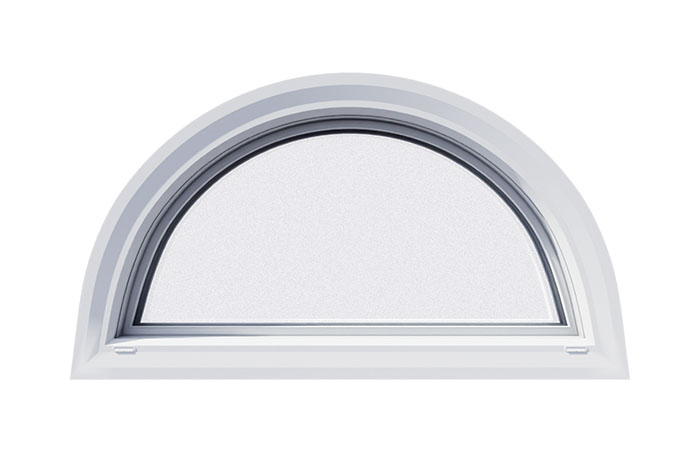
Second, consider the Modern Farmhouse. This style relies heavily on light and shadow. The half-moon window is often large, spanning the top third of the door. A user here might opt for a magnetic, removable cover with a simple linen texture. This offers diffused daylight without the "fishbowl" effect. For these users, the actionable insight involves temperature: a high-quality cover with an insulating air gap can reduce heat transfer by 30-40%. This not only cuts your heating bill but eliminates the cold draft that usually sneaks through the door frame. You’re not blocking the world out; you’re just softening it. The case study shows that homeowners who treat this window as a light filter rather than a peephole report higher satisfaction with their entryway ambiance.
Third, there is the Security-Minded Minimalist. This person hates clutter and hates being watched. For them, the solution is the opaque frosted glass sticker that completely obscures the view, combined with a separate, tiny smart-camera peephole. Here, the half-moon window cover acts as a massive blind spot for the outside world. The actionable takeaway is the "rule of thirds": cover the top two-thirds of the window for privacy, leaving the bottom third clear if you have pets or children who like to look out. This selective blocking satisfies the human need to see out (the "watchtower" instinct) while denying the ability to see in. In practice, this is the most popular choice for ground-floor apartments, where the window sits at eye level for passersby.
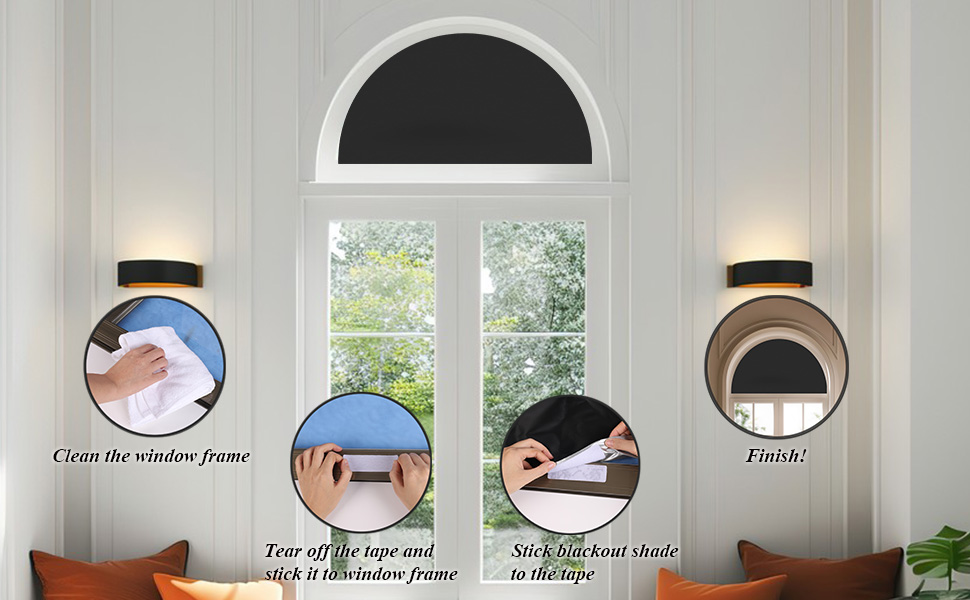
Finally, the practical DIY essentials. Adhesive static-cling covers are the easiest and remove without residue, perfect for renters. Rigid magnetic frames offer a premium, deep-set look and provide better insulation. But the biggest mistake people make is choosing the wrong finish. A highly reflective silver cover might look great in the day, but at night, with interior lights on, it becomes a mirror from the outside and you can’t see out at all—a dangerous blind spot. The expert tip: if you want privacy at night, you must have interior lighting dimmer than the exterior lighting, which is rarely achievable. So, for safety, always lean toward white or white-matte opaque covers rather than reflective ones. They bounce light back during the day and remain non-transparent at night without turning your door into a black hole.
Your Top 5 Burning Questions, Answered
1. How do I measure my half-moon window accurately for a cover?
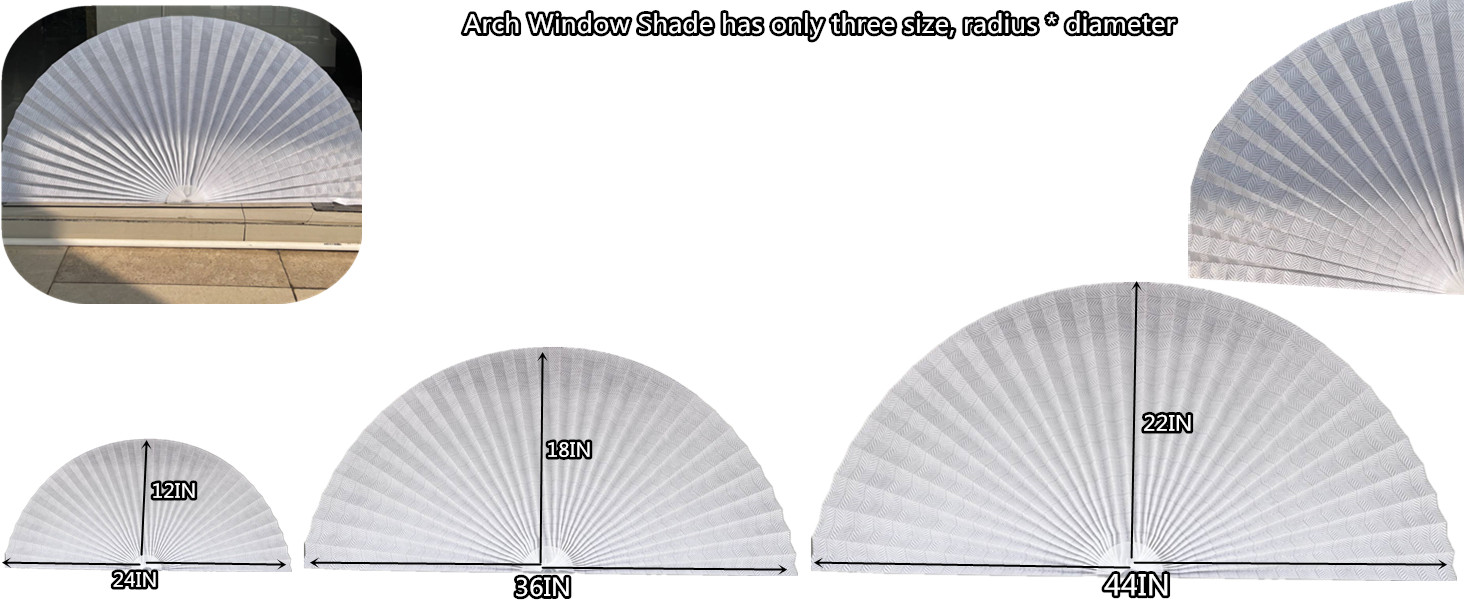
Accuracy is paramount; a gap is an invitation for prying eyes and drafts. You will need a flexible tape measure, a pencil, and at least two attempts. First, measure the width at the widest point across the top of the arch, and then measure the height from the apex of the arch straight down to the flat bottom edge. Write these down. Now, the critical step: measure the exact diameter at three different points—left, center, right—because older doors are rarely true semicircles. If you have a frame with a rabbet (a lip where glass sits), measure the glass opening itself, not the frame edge.

For covers that sit inside the frame, you must deduct 1/8th of an inch from both the width and the height to ensure a flush fit that can expand with heat. For covers that mount onto the surface (overlay), you need to add 1/2 inch to the width and height to cover the entire glass surface. If you are using a magnetic cover, the measurement must be exact to the millimeter; if you are using a static-cling film, it is far more forgiving as you can trim it with a utility knife. Always remember: measure twice, order once—and when in doubt, order the size up and trim, rather than size down and suffer a gap.
2. Can I use a half-moon cover on a door with a metal frame?
Absolutely, but your installation method will differ. Magnetic covers are a no-go on aluminum or steel frames because the magnet needs a ferrous surface to hold onto—standard magnetic sheets will simply slide right off the powder-coated finish. In this case, you have two robust options: static-cling film, which adheres to the glass itself regardless of the frame, or an acrylic panel secured with heavy-duty exterior mounting tape. For metal frames, you must also consider thermal expansion; metal expands significantly more than wood in high heat, so a rigid cover installed with zero clearance might warp or crack.
The best practice for metal frames is to use a clip-in system or a set of small L-brackets that screw into the frame's inner lip. This provides mechanical fastening that won't be affected by the smooth surface. Furthermore, because metal frames are notorious for condensation, ensure your cover has ventilation holes or is designed to lift slightly away from the glass to allow air to circulate between the glass and the cover. If you seal it completely shut with silicone, you trap moisture, leading to fogging and eventually black mold on the frame—a costly mistake.
3. Will a half-moon cover negatively affect my home's curb appeal or resale value?
This is a nuanced issue. A cheap, tacky, yellowed plastic insert will absolutely crater your curb appeal—it screams "renter's hack." However, a high-quality decorative cover, particularly one that mimics frosted glass, seeded glass, or an etched pattern, can increase your home's perceived value. Real estate agents often note that entryway privacy is a key selling point for homes on busy streets; a neat, clean cover signals that the doorway is well-maintained and secure.
The key is reversibility. If you install a cover that is glued with permanent adhesives, you risk damaging the original glass and frame upon removal, which is a red flag for inspectors. However, if you use a magnetic or static-cling system, you can present it as a feature, not a modification. In a listing photo, a half-moon window with a stylish geometric or starburst cover looks like a custom upgrade. It adds a layer of design that a bare clear window does not. My advice: if you are selling, choose a neutral, high-end frosted finish. The buyer will see "designer touch," not "cheap covering." If you have a historically significant stained-glass window, never cover it; instead, leave it open but use interior drapes for privacy.
4. How do I clean and maintain my half-moon window cover?
Maintenance differs based on material. For solid plastic/acrylic covers, avoid ammonia-based glass cleaners; they will cause the plastic to cloud and become brittle over time. Use a mild dish soap mixed with warm water and a microfibre cloth. Wipe in a circular motion, then buff dry with a clean towel. For static-cling films, be incredibly gentle—scrubbing with an abrasive pad will scratch the surface and ruin the opacity. Use a spray bottle with water and a drop of liquid soap, wipe with a damp sponge, then squeegee dry from the top down.
But the most common issue is the gap between the cover and the glass. Dust and spider webs accumulate here. To clean this, you won't be able to remove the cover easily if it's magnetic. Instead, use a thin, flexible attachment on your vacuum cleaner or a compressed air duster to blow the debris out. Do not attempt to slide a wet cloth in between; you will likely scratch the inner surface of the glass. Once a year, remove magnetic covers completely, wash the actual window thoroughly, and rinse the cover’s interior before reinstalling. This not only keeps the light bright but also prevents the buildup of allergens at your doorway.
5. Is there a way to get privacy without sacrificing natural light?
Yes, and this is the holy grail of the industry. The trick is to use a translucent diffuser rather than an opaque blocker. Opaque covers kill 100% of the light; diffusers scatter it. A white, textured (waffle or pebbled) cover still allows a surprising 60-70% of the light into the foyer, while completely obscuring the visual detail of the person standing outside. You will see a bright, moving shape, but you won't see facial features or clothing color. It turns the window into a lighthouse beacon.
For maximum light, look into modern prismatic glass film that refracts the incoming sunlight into rainbow patterns on your floor. This maintains a sense of connection to the outside (you know it's sunny) while giving you complete seclusion. Another alternative is to install the cover on the lower half of the window, leaving the top curve clear. Since most sightlines are at 4 to 6 feet off the ground, covering the bottom half blocks the view of passersby while allowing the arched top to pour in overhead light. This is, arguably, the most elegant solution—it honors the shape of the window while giving you the safety you crave.
As we step back from the door, we realize this small, crescent-shaped feature is a mirror of our social etiquette. We open the door for those we know, but we use the window to observe those we don't. The cover we choose dictates the level of that observation—do we watch them with a visible silhouette, or do we hide behind a frosted mist? In a hyper-connected world, the front door is the last physical barrier between the public and the private self. The half-moon window cover is not just a product; it is a boundary negotiation tool.
It reflects our innate human duality: the need to see wolves coming to the cave, paired with the need to keep the cave dark and safe. When we customize this window—when we choose the etched floral design over the stark white polycarbonate—we are not decorating; we are writing an autobiography on a public façade. We are saying, "I am here, I am home, and I am comfortable with a sliver of the outside world illuminating my path." It's a small detail, but in the architecture of our lives, it’s the silent nod we give to every sunset and every stranger who walks by.
Ultimately, the perfect cover is the one you forget is there until you need it. It should blend into the door's architecture, offering silent service: a blast of warm light in winter, a cool shade in summer, and a boundary that keeps your throat from tightening when you hear an unexpected knock after dark. So, whether you are a renter applying a cling film or a homeowner screwing in a custom acrylic piece, know that you are participating in a ritual as old as the arch itself—the shaping of a threshold. And that, dear reader, is a beautiful thing to have at eye level.


