Hack Into Facebook Account Without Changing Password
Imagine being able to access someone's Facebook account without them even realizing it, let alone changing their password. It sounds like something out of a sci-fi movie, but the truth is, it's a very real possibility. The concept of hacking into a Facebook account without changing the password has been around for years, but it's only recently that it's become a topic of mainstream discussion. With the rise of social media and our increasing reliance on digital platforms, the importance of understanding this concept cannot be overstated. Whether you're a concerned parent, a curious individual, or simply someone looking to protect your online identity, this topic matters.
The history of hacking dates back to the 1960s, when the term "hacker" was first used to describe a group of ingenious students at the Massachusetts Institute of Technology (MIT). These students, who were part of the Tech Model Railroad Club, used their knowledge of telephone systems to gain unauthorized access to the campus telephone network. Fast-forward to today, and the concept of hacking has evolved significantly. With the advent of social media, the stakes are higher than ever. Facebook, in particular, has become a prime target for hackers due to its massive user base and the wealth of personal information it contains. The ability to hack into a Facebook account without changing the password is a particularly coveted skill, as it allows hackers to remain undetected while still gaining access to sensitive information.
The Anatomy of a Hack
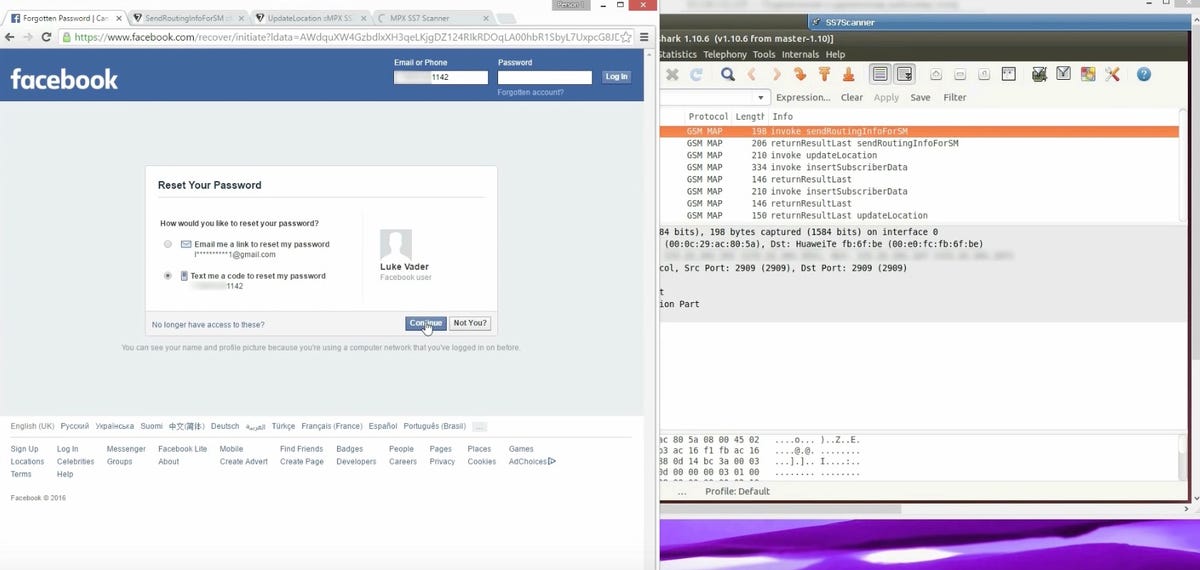
So, how exactly does one hack into a Facebook account without changing the password? The answer lies in a combination of psychological manipulation, social engineering, and technical know-how. Hackers often use a technique called "phishing" to trick users into revealing their login credentials. This can be done through emails, messages, or even fake websites that mimic the real Facebook login page. Once the hacker has obtained the login credentials, they can use them to access the account without changing the password. But that's not all - hackers can also use other techniques, such as session hijacking or cookie theft, to gain access to an account without needing the password.
Must Read
One of the most fascinating aspects of hacking is the psychological element. Hackers often use social engineering tactics to manipulate users into revealing sensitive information or performing certain actions. This can include pretexting, where a hacker creates a fictional scenario to gain the user's trust, or baiting, where a hacker offers a fake reward or incentive in exchange for sensitive information. The key to successful social engineering is to create a sense of urgency or relevance, making the user feel like they need to act quickly or risk missing out on something important.
The cultural impact of hacking cannot be overstated. In recent years, we've seen a proliferation of hacker movies and TV shows that glamorize the lifestyle and skills of hackers. Shows like "Mr. Robot" and "Blackhat" have become incredibly popular, sparking a new wave of interest in hacking and cybersecurity. But the reality is far more complex, and the consequences of hacking can be severe. In 2013, the Yahoo data breach exposed the sensitive information of over 3 billion users, highlighting the very real risks of hacking and the importance of protecting our online identities.
Real-World Applications and Consequences
So, what are the real-world implications of hacking into a Facebook account without changing the password? The consequences can be severe, ranging from identity theft to financial fraud. In 2019, a group of hackers used a combination of phishing and social engineering to gain access to the Facebook accounts of several high-profile celebrities, including Mark Zuckerberg himself. The hackers then used the accounts to spread malware and ransomware, highlighting the very real risks of hacking and the importance of protecting our online identities.
But hacking isn't just limited to individuals - it can also have severe consequences for businesses and organizations. In 2017, the Equifax data breach exposed the sensitive information of over 147 million people, highlighting the very real risks of hacking and the importance of protecting our online identities. The breach was caused by a combination of human error and technical vulnerabilities, and it resulted in a class-action lawsuit and a significant loss of public trust.
So, how can you protect yourself from hacking? The answer lies in a combination of common sense and technical expertise. Always use strong passwords and keep them confidential, and be wary of suspicious emails or malicious links. Use two-factor authentication whenever possible, and keep your operating system and software up to date. Finally, always monitor your account activity and report any suspicious behavior to Facebook or your relevant authorities.
In conclusion, hacking into a Facebook account without changing the password is a complex and multifaceted topic that requires a deep understanding of psychological manipulation, social engineering, and technical know-how. By being aware of the risks and taking steps to protect ourselves, we can help to prevent hacking and protect our online identities. Whether you're a concerned parent, a curious individual, or simply someone looking to protect your online identity, this topic matters, and it's essential that we take it seriously.
Frequently Asked Questions
What are the most common methods used by hackers to gain access to Facebook accounts without changing the password?
The most common methods used by hackers to gain access to Facebook accounts without changing the password include phishing, social engineering, and session hijacking. Phishing involves tricking users into revealing their login credentials, while social engineering involves manipulating users into performing certain actions or revealing sensitive information. Session hijacking involves stealing a user's session cookie, allowing the hacker to access the account without needing the password.
These methods are often used in combination with each other, and can be highly effective if the hacker is skilled and knowledgeable. However, by being aware of these methods and taking steps to protect ourselves, we can help to prevent hacking and protect our online identities. This includes using strong passwords, keeping our operating system and software up to date, and being wary of suspicious emails or malicious links.
How can I protect myself from hacking if I use Facebook on a public computer or network?
Using Facebook on a public computer or network can be risky, as hackers may be able to intercept your login credentials or steal your session cookie. To protect yourself, always use HTTPS instead of HTTP, and make sure that the public computer or network is secure and trustworthy. Avoid using public computers or networks that are unsecured or unencrypted, and always log out of your Facebook account when you're finished using it.
Additionally, consider using a VPN (Virtual Private Network) to encrypt your internet traffic and protect your online identity. A VPN can help to prevent hackers from intercepting your login credentials or stealing your session cookie, and can provide an extra layer of security and protection. By being aware of the risks and taking steps to protect ourselves, we can help to prevent hacking and protect our online identities.
What are the consequences of hacking into a Facebook account without changing the password, and how can I report suspicious activity?
The consequences of hacking into a Facebook account without changing the password can be severe, ranging from identity theft to financial fraud. If you suspect that your Facebook account has been hacked, report it to Facebook immediately and change your password. You can also report suspicious activity to your relevant authorities, such as the Federal Trade Commission (FTC) or the National Cyber Security Alliance (NCSA).
When reporting suspicious activity, be sure to provide as much information as possible, including the date and time of the incident, the type of activity that occurred, and any suspicious emails or links that you may have received. By reporting suspicious activity and taking steps to protect ourselves, we can help to prevent hacking and protect our online identities.
Can hackers gain access to my Facebook account if I use two-factor authentication, and how can I protect myself?
Two-factor authentication (2FA) can provide an extra layer of security and protection, but it's not foolproof. Hackers may still be able to gain access to your Facebook account if they can intercept your 2FA code or authenticate as you. To protect yourself, always use a secure and trusted 2FA method, such as an authenticator app or a physical token.
Additionally, be wary of suspicious emails or malicious links that may be designed to trick you into revealing your 2FA code or authenticate as you. Always verify the authenticity of any email or link before responding or clicking on it, and never provide your 2FA code to anyone. By being aware of the risks and taking steps to protect ourselves, we can help to prevent hacking and protect our online identities.
How can I monitor my Facebook account for suspicious activity, and what should I do if I notice any unusual behavior?
Monitoring your Facebook account for suspicious activity is essential to protecting your online identity. Always keep an eye on your account activity, and report any suspicious behavior to Facebook or your relevant authorities. Be wary of unusual login locations or devices that you don't recognize, and always verify the authenticity of any email or link before responding or clicking on it.
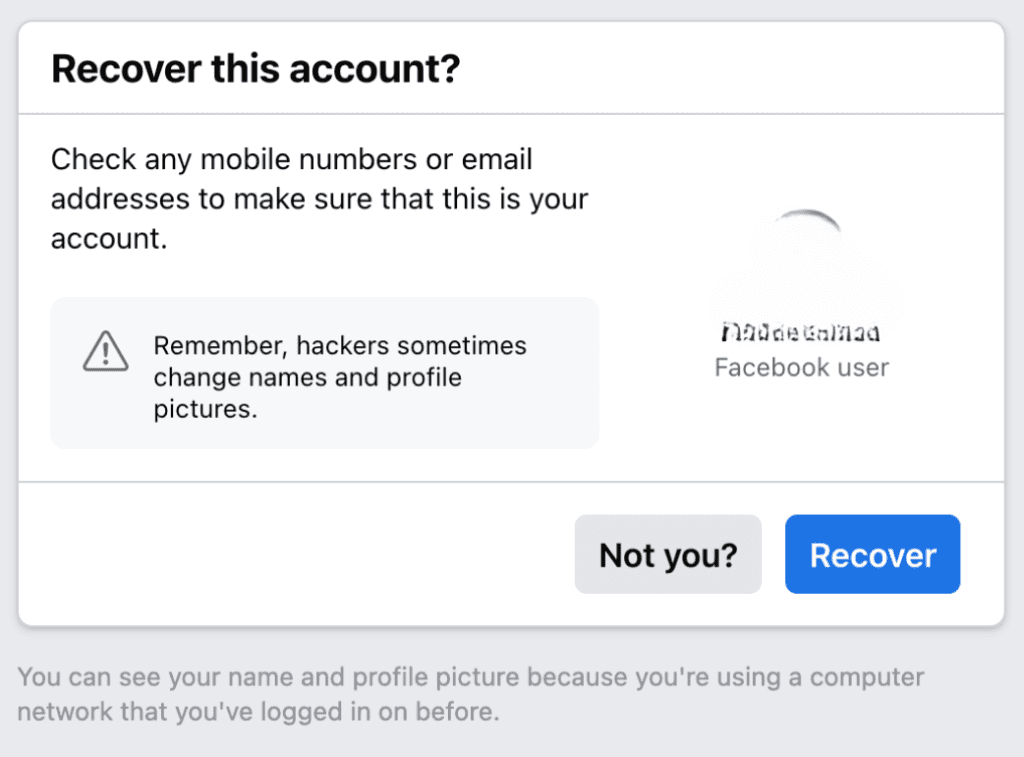
If you notice any unusual behavior, report it to Facebook immediately and change your password. You can also use Facebook's security features to monitor your account and detect suspicious activity. By being proactive and taking steps to protect ourselves, we can help to prevent hacking and protect our online identities.
Hacking into a Facebook account without changing the password is a complex and multifaceted topic that requires a deep understanding of psychological manipulation, social engineering, and technical know-how. By being aware of the risks and taking steps to protect ourselves, we can help to prevent hacking and protect our online identities. Whether you're a concerned parent, a curious individual, or simply someone looking to protect your online identity, this topic matters, and it's essential that we take it seriously.
The connection between hacking and human nature is fascinating. Hackers often use psychological manipulation and social engineering tactics to trick users into revealing sensitive information or performing certain actions. This highlights the importance of being aware of our own psychological vulnerabilities and taking steps to protect ourselves. By being proactive and taking steps to protect ourselves, we can help to prevent hacking and protect our online identities.
In conclusion, hacking into a Facebook account without changing the password is a serious topic that requires our attention and action. By being aware of the risks and taking steps to protect ourselves, we can help to prevent hacking and protect our online identities. Whether you're a concerned parent, a curious individual, or simply someone looking to protect your online identity, this topic matters, and it's essential that we take it seriously. By working together and taking a proactive approach to cybersecurity, we can help to create a safer and more secure online environment for everyone.