Group Dance Songs For Wedding Party
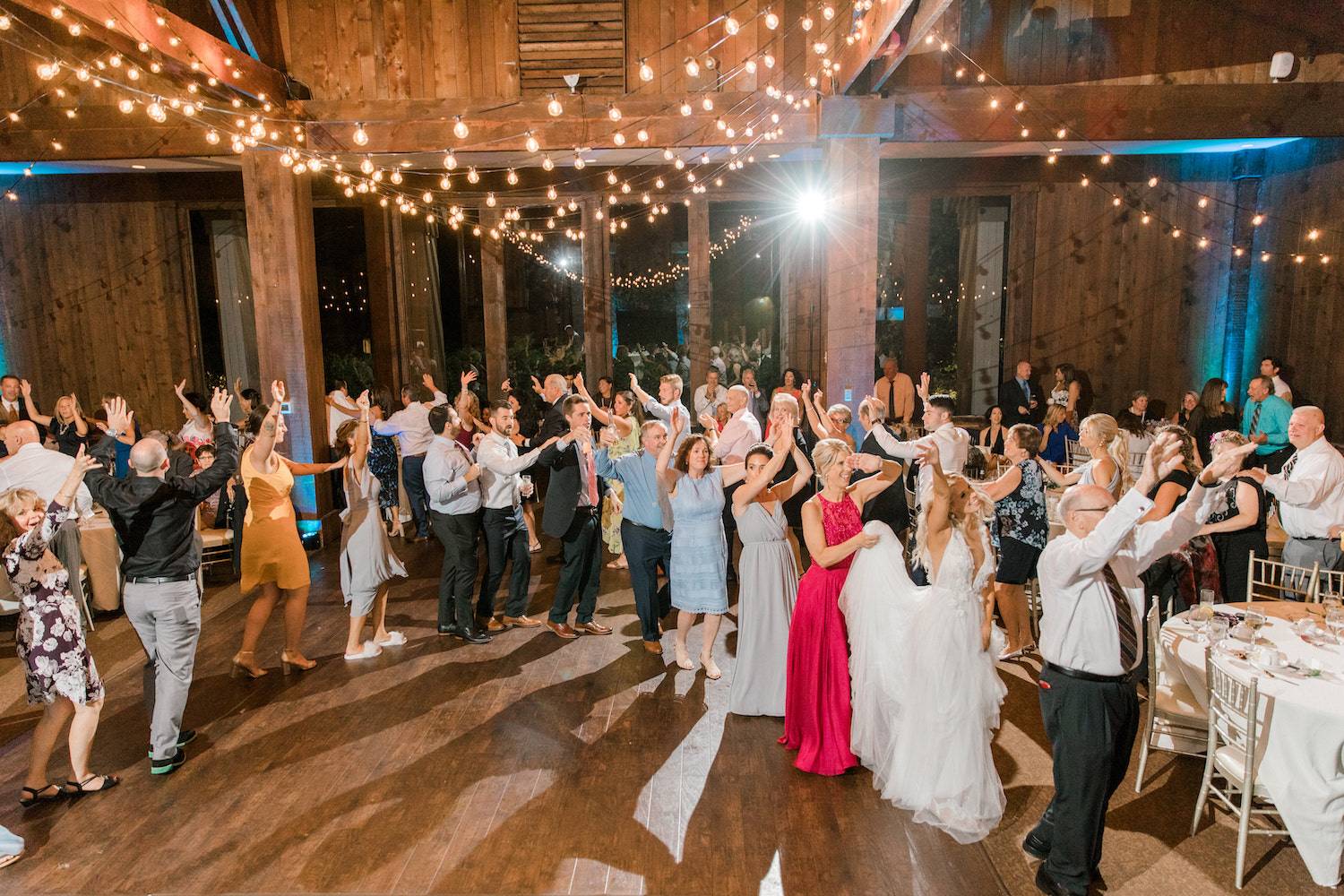
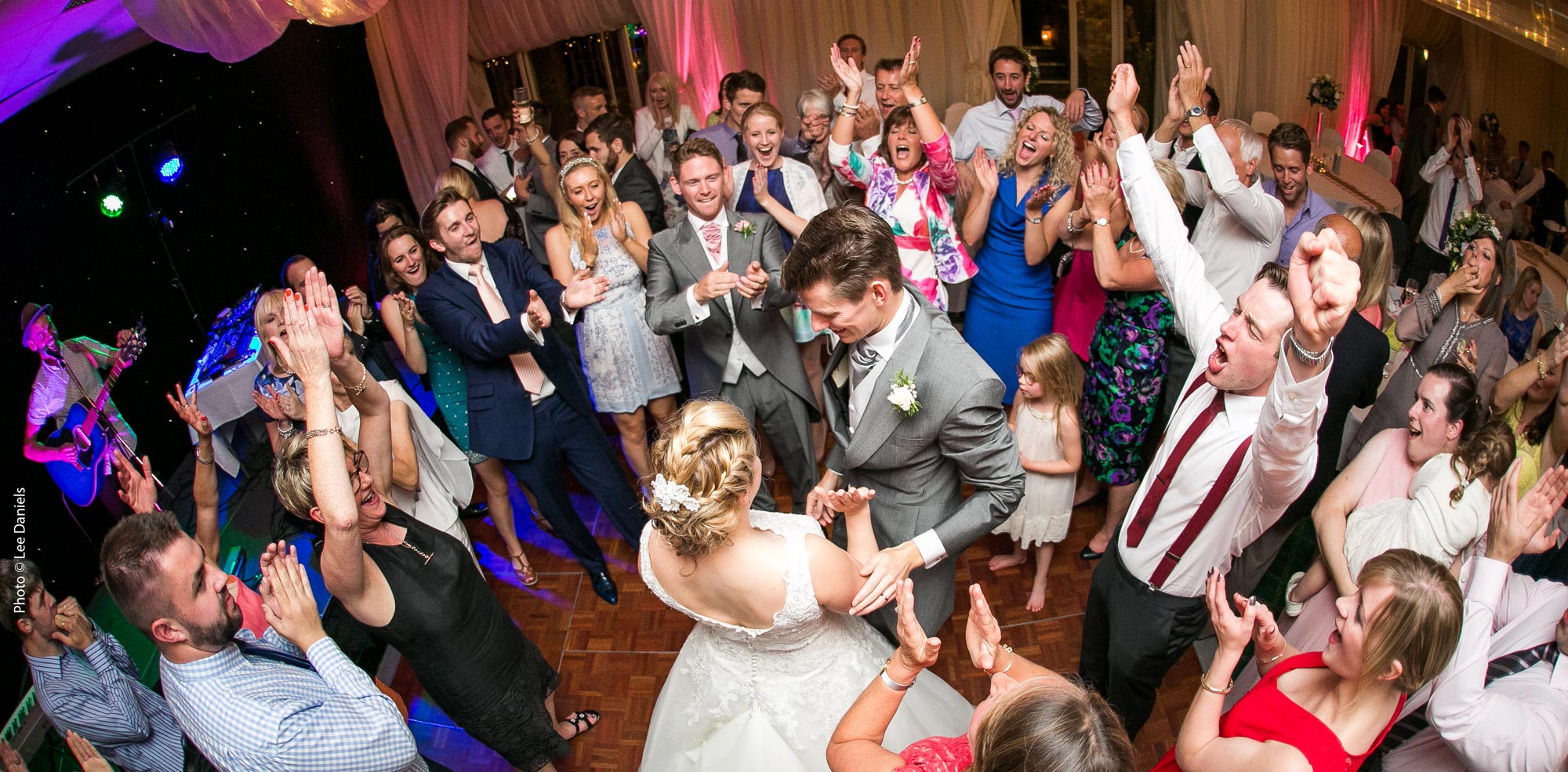
There is a moment, often just as the main course plates are being cleared, when the air in a wedding venue changes. The clinking of cutlery fades, the murmur of table conversation swells with anticipation, and a collective, primal energy begins to stir. Your heart rate quickens, not from the champagne, but from a deep-seated neurological response. This is the call to the dance floor, a ritual that predates language itself. As a guest, particularly one being pulled into a group dance, you are not just participating in a song; you are stepping into a shared psychological space where the ego’s defenses are temporarily lowered, and your brain’s mirror neurons—the very systems that allow you to feel empathy and connection—fire in synchrony with fifty other people. We often focus on the logistics of the playlist, but the real power of the group dance lies in its capacity to dissolve the boundaries of self, offering a rare, sanctioned moment of collective vulnerability and joy.
Yet, for many, the invitation to “get up and dance” triggers a cascade of inner conflict. The modern brain, wired for social comparison and self-preservation, wars with the ancient cerebellum that simply wants to move. We are terrified of being seen, yet we crave the belonging that visibility offers. The group dance, in its purest form, is a modern antidote to the loneliness epidemic. It is a low-stakes, high-reward experiment in human connection, where the choreography—or lack thereof—acts as a mirror to our own relationship with control, spontaneity, and acceptance. Understanding the psychological mechanics behind this seemingly simple act can transform a dreaded obligation into a profound moment of personal growth.
The Emotional Layering of the Group Dance
Hidden beneath the surface of the “Electric Slide” or the “Cupid Shuffle” lies a fascinating cognitive web. The primary emotional trigger is the fear of social rejection, a holdover from our tribal ancestry where ostracism meant death. When you hesitate on the edge of the dance floor, your amygdala is hijacking your executive function, convincing you that your dance moves—or lack thereof—are a direct measure of your social worth. This cognitive distortion, known as the “spotlight effect,” leads us to believe everyone is watching our every misstep, when in reality, most guests are absorbed in their own internal monologue of insecurity. Recognizing this bias is the first step to liberation; the reality is that the crowd is a collection of individuals, each one praying that someone else makes the first move to break the tension.
Must Read
There is also a profound tension between individuality and conformity. Group dances are inherently paradoxical: they demand that you synchronize your movements with others, yet they also require a surrender of the self to the group’s rhythm. For the perfectionist, this is agony; the cognitive dissonance between wanting to perform the steps “correctly” and the chaotic, imperfect reality of a live dance floor can cause a stress spike. I recall a guest, a high-powered attorney, who stood rigidly for three songs, analyzing the steps. When she finally stepped in, she was two beats behind everyone else. She looked mortified. But within thirty seconds, the woman beside her, a complete stranger, grabbed her hand and laughed. That simple, physical connection bypassed her critical brain entirely. It was a reminder that the goal is not precision, but presence. The mental hurdle is not about learning the dance; it is about allowing yourself to be wrong in public and discovering that the world does not end.
Furthermore, group dances act as a powerful mnemonic device for emotional states. Our brains are highly associative; the songs we dance to at weddings become encoded in our long-term memory alongside the emotional chemicals (dopamine, oxytocin, serotonin) released during the dance. This is why a certain song can instantly transport you back to the sticky floor of a reception hall years later. The group dance is a pressure valve for the collective grief and stress of daily life. It allows us to physically shake off the cortisol that builds up from our jobs and responsibilities. When you see a 70-year-old grandfather attempting to twerk and a five-year-old copying him, you are witnessing a neurological harmony that transcends age, where the shared laughter becomes the only choreography that matters.
Rewiring Your Mindset for the Dance Floor
To approach the wedding group dance with a sense of psychological well-being, you must first reframe your internal narrative. Instead of asking, “How do I look?” shift your focus to, “How do I make others feel?” This subtle shift activates your empathetic neural circuits, moving your focus from the self-critical left hemisphere to the relational right hemisphere. When you step onto the floor with the intention of being a generator of joy rather than a consumer of approval, the pressure evaporates. Start with a simple body scan: shake out your hands, relax your jaw, and take three deep breaths that expand your belly. This physical reset signals to your nervous system that you are safe, moving you out of the “fight or flight” sympathetic state and into the “rest and digest” parasympathetic state.

Next, adopt a practice of “micro-commitment.” You do not need to be the first one on the floor. Your routine can begin by tapping your foot at the table, then swaying your shoulders, and finally, making eye contact with someone else who looks hesitant. This incremental exposure is a cornerstone of cognitive behavioral therapy (CBT). The goal is not to avoid the anxiety but to expand your window of tolerance. When the song starts, choose a specific person—a shy cousin, a grumpy uncle—and make it your mission to get them to smile. This external focus is a powerful antidote to social anxiety, as it interrupts the loop of self-monitoring. Your brain cannot simultaneously worry about your own two left feet and actively cheer on someone else’s attempt at the Cha-Cha slide.
If the choreography is complex, simplify it. You are allowed to be a minimalist. The group dance is a study in the philosophy of wu wei—action without effort. Disconnect from the pressure to master the spin move. Instead, focus on the rhythm of your heartbeat and the contact of your feet with the floor. The release of tension comes not from being good but from the physical act of bouncing. A powerful mindset shift is to view the dance floor as a “safe container” for emotional release. Weddings are emotional cauldrons—grief for missing loved ones, joy for new beginnings, hope for the future. The group dance gives you a physical structure to process these complex feelings. Every stomp is a release of a worry; every clap is a declaration of presence.
Finally, plan for aftercare. The psychological high of a group dance can be intense, and the crash afterward can feel like isolation if you are not careful. Before the reception, decide on a small, grounding ritual for yourself. This could be stepping outside for two minutes to look at the stars, finding a quiet corner to sip water, or simply thanking the DJ. This act of mindfulness helps integrate the experience. It turns a chaotic moment into a meaningful memory. Remember, the steps are irrelevant; the connection is the curriculum. The dance is not a test of your coordination but a celebration of your humanity, a chance to practice the art of giving zero fcks about being perfect, and all the fcks about being alive.
Frequently Asked Questions on the Psychology of the Wedding Dance
I suffer from severe social anxiety. How can I participate without falling apart?
Social anxiety in this context is a fear of negative evaluation, and the group dance amplifies this because it puts you on display. The key is to redefine participation. You are not required to be a star. Shift your goal from performing to connecting. Find one other person who looks equally terrified. Approach them and say, “Let’s hide at the back and just sway.” This creates a dyadic alliance, a micro-tribe within the larger crowd, which reduces the perceived threat. Your brain feels safer when it has an ally. Furthermore, use your senses to ground yourself. Feel the fabric of your clothes, the temperature of the room, the bass of the music in your chest. This sensory anchoring brings you out of your racing thoughts and into your physical body, which is where joy actually lives.

Another technique is to pre-plan your exit. Give yourself permission to dance for only one song. Tell yourself, “I will stay for 3 minutes, and then I can leave.” This removes the feeling of being trapped, which is a primary trigger for panic. When you know you have an out, your anxiety lowers enough to allow you to actually enjoy the moment. And when the song ends, leave. Do not push it. The goal is to create a positive association, not to exhaust yourself into a breakdown. The next time, you might last two songs. This progressive exposure rewires your amygdala to realize that the dance floor is not a tiger, but a playground.
Why do I feel an irrational rage when someone tries to force me to dance?
This is a profound reaction to the loss of autonomy. You are not angry at the dance; you are angry at the violation of your boundaries. The feeling of being “forced” to do something, even playfully, triggers a psychological reactance—a motivation to restore your threatened freedom. It is a defense mechanism of your ego. Recognize that this anger is actually a signal that you are a self-aware individual who respects your own internal rhythms. The key is to assert your boundary with kindness, not hostility. You can say, “Not right now, but I love watching you all,” without a hint of apology in your voice. This validates your own needs while allowing others their joy.
However, consider the source of the anger. Is it the grandmother who is just trying to include you? Often, our rage is displaced. We are not angry at the grandmother; we are angry at ourselves for feeling that we should be dancing, for our own internal critic that is mimicking the pressure. This internal conflict is exhausting. Start a practice of self-compassion. Tell yourself, “It is okay for me to sit this one out. My contribution to this wedding is my presence at the table, not my moves on the floor.” By softening your own judgment, the external pressure loses its power over you.

Is it normal to feel a sense of melancholy or sadness during a happy group dance?
Absolutely. This is a beautiful and often misunderstood psychological response known as “sonder mixed with nostalgia.” The group dance is a transient bubble of joy, and within that bubble, your brain often processes the impermanence of life. You look around at your friends and family, and you are simultaneously aware of their youth, their mortality, and the passage of time. The sheer intensity of the joy can trigger a parallel awareness of its fragility. This is not depression; it is a deepening of emotional intelligence. It means you are fully present enough to recognize the value of the moment, and that value is inevitably linked to its fleeting nature.
The healthiest response is to welcome this melancholy as a companion to the joy. Do not try to push it away. It is the weight that makes the balloon float. Let the tears well up if they need to, but keep dancing. The dance becomes a liturgy of gratitude. You are mourning the passage of time while simultaneously celebrating that you are alive to witness it. This cognitive duality is the hallmark of a mature psyche. It is the difference between chasing happiness, which is fleeting, and cultivating a deep sense of meaning, which is enduring.
How do I handle seeing my ex-partner at a group dance?
This is a high-stakes emotional scenario that requires a protocol. First, acknowledge that your brain is being flooded with neurochemicals of attachment (oxytocin) and stress (cortisol) simply by seeing them. The group dance, filled with physical proximity and nostalgia, is a pressure cooker for this. Your instinct might be to freeze or to flee, but the most empowering move is a combination of detachment and self-focus. Set a physical boundary: position yourself on the opposite side of the circle, not out of anger, but to give your nervous system space to regulate. Do not make eye contact. Treat them as a piece of the scenery, not the focal point.
Instead of watching them, turn your gaze inward. Focus on the sensation of your own feet on the floor. Remind yourself that this dance is not about them; it is about the couple getting married and your own personal celebration of your life. If the emotion becomes too overwhelming, use the “window” technique—find the nearest exit and step outside for a breath of fresh air. This is not running away; it is strategic retreat for self-preservation. Once you return, do not re-engage with the memory. Re-engage with the music. The song is temporary, the moment is temporary, and so is your discomfort. You are not the person you were with them anymore; you are the person who knows they can survive the dance floor without them.
Is it possible to facilitate a group dance that feels inclusive for introverts and the elderly?
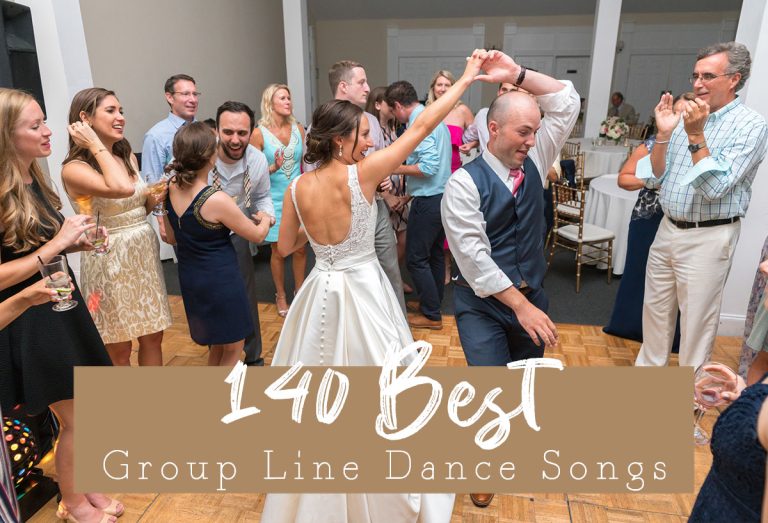
Yes, and the psychological key is to design for different levels of intensity rather than forcing a singular high-energy experience. The goal is to create a “choose your own adventure” sensation. Introduce a dance that has a simple, repeating motion, like the “Wobble” or a slow sway, that requires minimal cognitive processing. This lowers the barrier to entry. Crucially, instruct the DJ to keep the tempo moderate. A frantic beat overwhelms the introvert’s sensitive nervous system. A moderate tempo allows for a state called “flow,” where the music matches the heart rate, creating a sense of ease rather than agitation.
To include the elderly, encourage seated dancing. Put chairs in a circle around the dance floor and designate them as “the rhythm section.” Provide them with tambourines, shakers, or napkins to wave. This validates their participation on their own terms. For the introvert, give them a job—ask them to be the “camera person” for one song, or the designated “water passer.” This gives them a role that is observant rather than performative. By offering multiple modes of participation—full dance, seated movement, or supportive clapping—you are honoring the diverse neurological needs of your guests, creating a group event where everyone feels like they belong to the rhythm, even if they are not on their feet.
Mastering the group dance is not about achieving choreographic perfection; it is about achieving a state of psychological flexibility. It is the ability to say, “I am here, I am imperfect, and I am willing to share this space with you.” This flexibility is the cornerstone of resilience. When you can laugh at yourself for stepping on your partner’s toes, or when you can find peace in the chaotic rhythm of a packed dance floor, you are inherently practicing the art of letting go. You are realizing that the world does not require you to be graceful to be loved; it only requires you to be present.
Ultimately, the group dance is a metaphor for life itself. It is chaotic, unscripted, occasionally awkward, and profoundly beautiful. It asks you to hold your own weight while being held by the rhythm of the community. It teaches us that we are stronger when we move in sync with others, and that the most meaningful steps are the ones we take together. So, the next time the opening notes of a wedding classic ring out, step forward. Not because you know the steps, but because you know your worth. The dance floor is a mirror, and what you reflect back is a choice: a choice to connect, to release, and to belong.