
Graphics Card Better Than Gt 710

Let’s be honest: the GeForce GT 710 wasn’t exactly a love story. It was that old flip phone you kept in your drawer “just in case,” a trusty relic that could call and text but couldn’t stream a movie without buffering. In the GPU world, it’s the definition of a starter paperweight, fine for spreadsheets and 720p YouTube, but it taps out the moment you open a modern game or a 4K video.
You don’t need a PhD in silicon to know it’s time for an upgrade. The good news? You don’t have to sell a kidney to get a graphics card that actually works in 2025. The market is packed with brilliant, budget-friendly options that will make your PC feel like it just drank three espressos.
Why the GT 710 Needs to Retire (Gracefully)
Think of the GT 710 as the VHS tape of graphics cards—historically important but utterly useless for today’s content. It has just 1GB or 2GB of VRAM, and modern games want 6GB just to say hello. Even basic Windows animations can feel like a flipbook.
Must Read
Its biggest crime? It’s not faster than integrated graphics found in most modern CPUs. That means you’re paying for a card that’s essentially a placeholder for a better part you never bought. It’s like bringing a plastic fork to a steak dinner.
The Sweet Spot: Modern Budget Heroes
So, what should you actually buy? Let’s skip the exotics and focus on the cards that give you that “whoa” feeling without the “ouch” on your wallet. The GTX 1650 is the classic go-to—it’s the trusty sedan of GPUs, handling eSports titles like Fortnite and Valorant at 1080p with buttery smooth frames.
If you want slightly more future-proofing, the RX 6500 XT from AMD is your wild card. It’s a bit like a sports coupe with a loud exhaust—great for raw speed, though it has a small 4GB memory, so don’t crank ultra textures. And for the lazy upgrade path, the GTX 1660 Super is a used-market legend, often found for under $150 and capable of playing AAA titles on medium settings beautifully.

Pro tip: Check your power supply’s wattage. Most of these cards only need a 300W–400W PSU, but a 6-pin power cable is non-negotiable. The GT 710 didn’t need one, which is why it was so easy to ignore.
What About the Used Market?
Buying used is like thrift shopping for tech—you can find designer brands at garage sale prices. A used RTX 2060 or RX 5600 XT often fetches under $200, and they’ll run Cyberpunk 2077 at medium settings with ray tracing off. That’s a massive leap from “literally cannot play it.”
Just be smart: ask for a stress-test video, check for bent fins, and avoid cards that smell like an ashtray. Mining cards are fine, but make sure they weren’t cooked to death at 80°C for three years.
Fun Fact: The GT 710 Is Actually a Rebadged 2014 Card
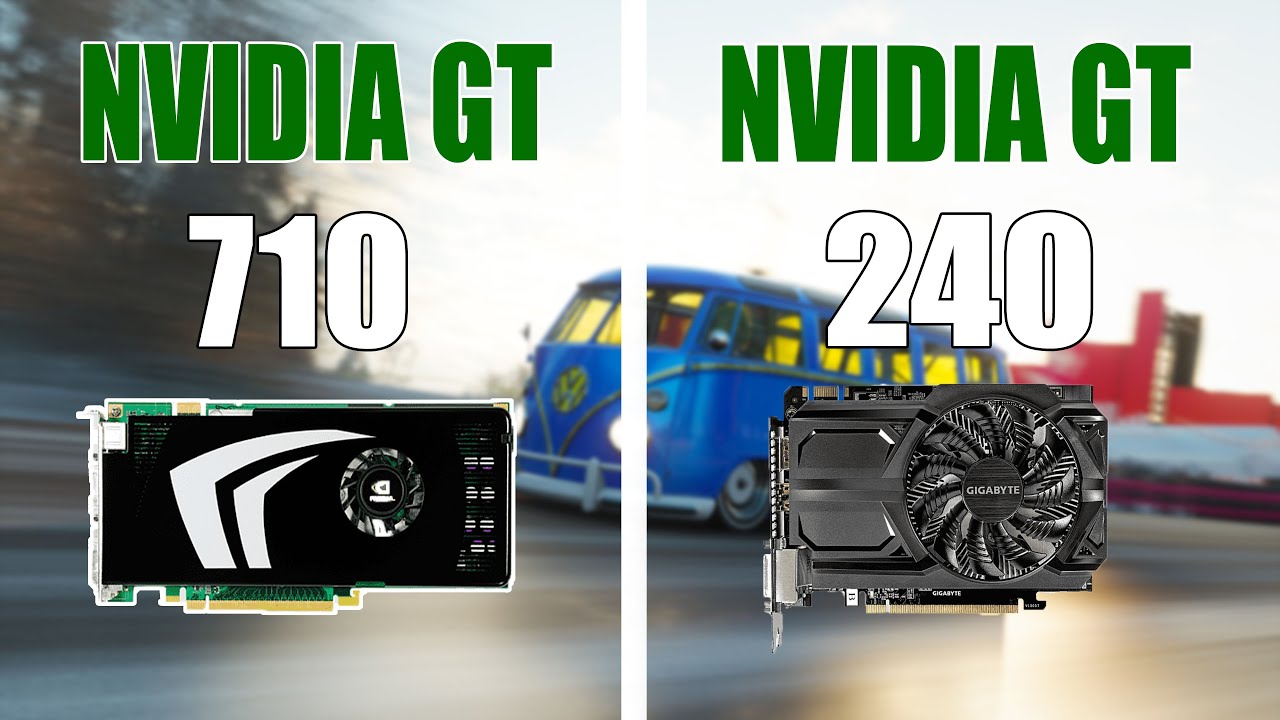
Here’s a party trick for your next nerd gathering: the GT 710 uses the Kepler architecture from 2014. That means it was already outdated the day it launched in 2016. It’s the fashion equivalent of wearing a pair of skinny jeans to a 2025 rave—technically possible, but everyone’s looking at you funny.
Modern cards like the Intel Arc A380 are the opposite—they’re new, quirky, and full of mid-range punch. Intel’s drivers aren’t perfect, but they’re like a young indie band: rough edges, but massive potential for the price.
Real-World Wins: What You’ll Notice Immediately
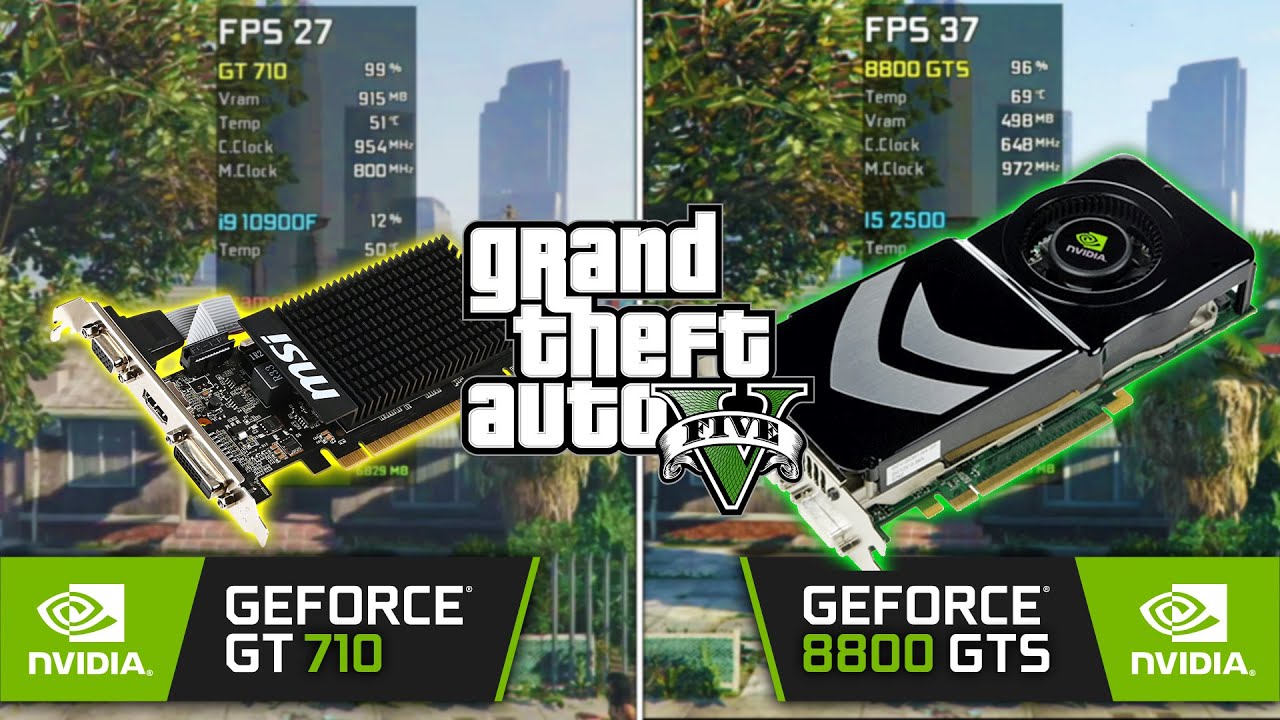
Upgrade, and suddenly your desktop doesn’t freeze when you drag a window. Your browser’s 4K YouTube videos stop stuttering, and you can finally play Hades with a consistent 60fps. That’s not a luxury; that’s a basic human right.
Even something as simple as photo editing in Photoshop becomes instantly snappier. GPU acceleration handles filters, blurs, and smart objects with zero lag, which is a quiet blessing for your sanity. You’ll stop waiting five minutes for a render and start wondering why you ever tolerated the old card.
Cultural aside: This is like upgrading from a bicycle to an e-scooter—you still get to work, but your hair looks better when you arrive.
How to Decide in 60 Seconds
Ask yourself three questions: What games do you play? What resolution is your monitor? And what’s your upgrade budget? If you’re on 1080p and want to play indie titles or eSports, grab a GTX 1650 for under $120 new.
If you want to play Elden Ring on low without crying, stretch to a used RTX 2060. And if you’re a creative professional, the RX 6600 with 8GB of VRAM will chew through Premiere Pro exports like a hungry puppy.
Remember: the GPU isn’t just about gaming. It’s about resizing videos, running multiple monitors, and not having your fans sound like a jet engine just to scroll a PDF.

The One-Second Checklist
Check your PSU (need a 6-pin?), check your case clearance (some cards are chunky), and download the latest drivers with a clean install. That’s it. No magic rituals required.
The Big Takeaway
Upgrading from a GT 710 isn’t just a performance boost; it’s a psychological reset. You stop feeling like you’re using a library computer from 2007 and start feeling like a modern digital citizen. The best part? You don’t need top-tier hardware to be happy—you just need the right hardware.
In daily life, we all deal with old habits, old laptops, and old excuses. Swapping out a weak component reminds us that small, deliberate changes can create major shifts. You don’t have to overhaul everything; you just need to replace the one thing that’s holding you back.
So treat yourself. Your frames per second will thank you, your eyes will thank you, and your inner tech nerd will finally stop rolling its eyes.


