
Good Questions To Ask Partner

The age-old adage "no question is a bad question" rings particularly true when it comes to our personal relationships. In an era where emotional intelligence and deep, meaningful connections are paramount, asking the right questions can be the key to unlocking a stronger, healthier bond with our partner. But why do our brains react so positively to being asked good questions? The answer lies in the psychological need for validation and feeling truly understood. When we're asked thoughtful, introspective questions, it triggers a sense of safety and trust, allowing us to open up and be our authentic selves.
In today's fast-paced, technology-driven world, it's easier than ever to get caught up in the hustle and bustle of daily life and neglect the emotional labor required to maintain a thriving relationship. But by making a conscious effort to ask good questions, we can rekindle the spark and foster a deeper sense of intimacy and connection with our partner. So, what makes a question "good"? Is it the intent behind it, the timing, or the level of vulnerability it requires? The answer is complex, and the psychological nuances at play are multifaceted.
Uncovering Hidden Emotional Triggers
When we ask our partner questions, we're not just seeking information – we're also seeking connection and validation. But what happens when our questions are met with defensiveness or dismissiveness? This can be a major emotional trigger, leading to feelings of hurt and insecurity. To avoid this, it's essential to approach questioning with empathy and active listening. This means creating a safe space for our partner to open up, free from judgment or criticism.
One of the most significant cognitive biases at play in relationships is the assumption of understanding. We often assume we know what our partner is thinking or feeling, without taking the time to actually ask. This can lead to misperceptions and miscommunications, causing friction and conflict in the relationship. By asking good questions, we can challenge our assumptions and gain a deeper understanding of our partner's thoughts, feelings, and desires.
A vivid example of this is the scenario where one partner assumes the other is fine with a particular decision, only to discover later that they were seething with resentment. This could have been avoided by asking a simple question like "How do you feel about this?" or "Is there anything that's bothering you about this decision?" By doing so, we can prevent misunderstandings and build trust in the relationship.
Navigating Mental Hurdles and Building Resilience
So, how can we develop the skills and strategies needed to ask good questions and navigate the complexities of relationships? The first step is to practice self-reflection and self-awareness. This involves recognizing our own emotional triggers and patterns of behavior, as well as developing emotional regulation techniques to manage our emotions and respond rather than react.

Another crucial aspect is active listening and empathy. This means giving our full attention to our partner, paraphrasing and reflecting their words, and validating their emotions. By doing so, we can create a safe space for open and honest communication, build trust, and foster a deeper connection with our partner.
A step-by-step routine for developing these skills could involve setting aside dedicated time for communication and connection, such as a weekly date night or couple's therapy sessions. It could also involve practicing mindfulness and self-compassion, engaging in activities that promote relaxation and stress reduction, and seeking support from friends, family, or a therapist when needed.
Lastly, it's essential to be patient and flexible, recognizing that relationships are a journey rather than a destination. By embracing the ups and downs and challenges that come with relationships, we can build resilience and grow together as individuals and as a couple.
Frequently Asked Questions
What are some good questions to ask my partner to deepen our connection?
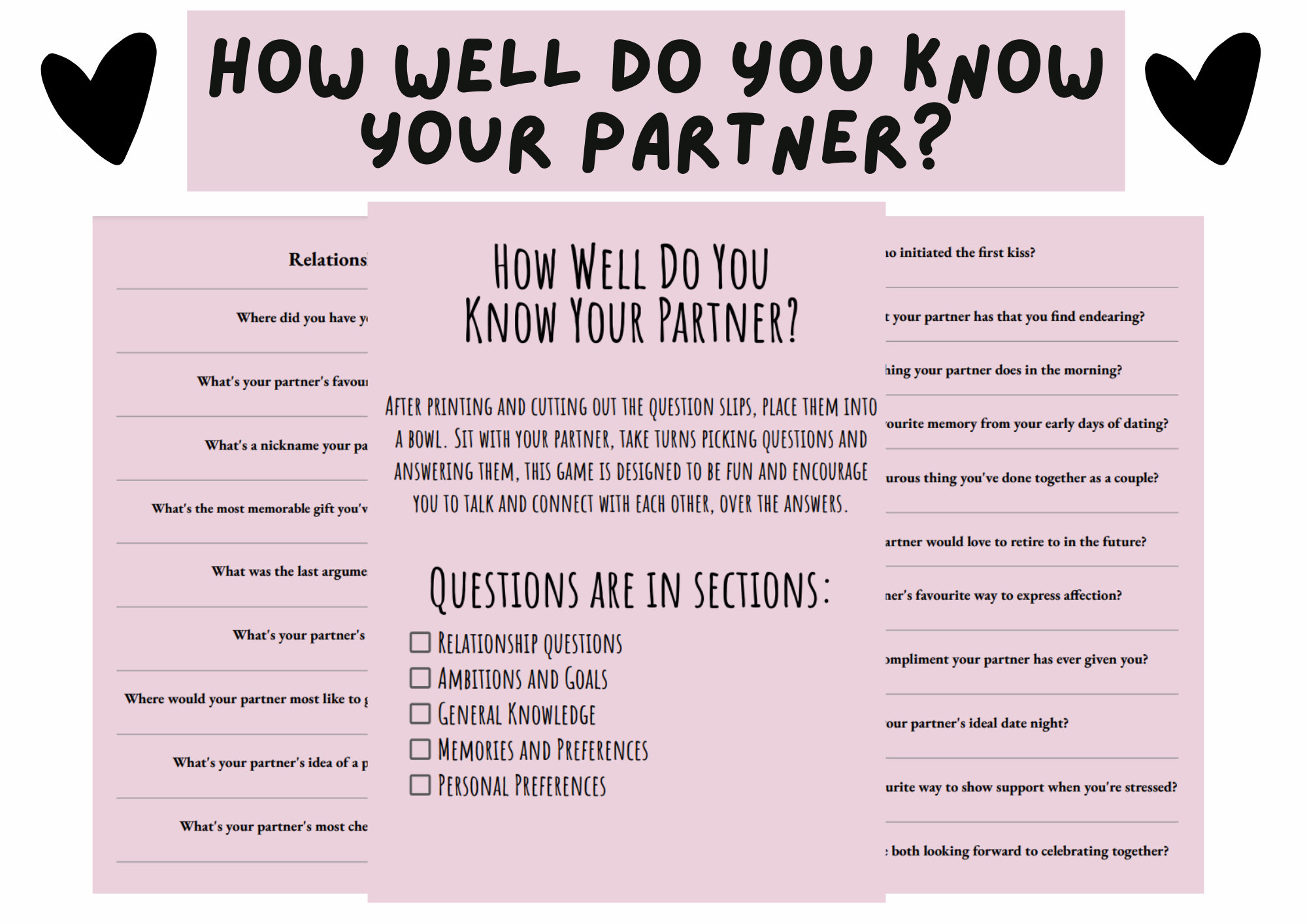
Some examples of good questions to ask your partner include "What's been the highlight of your week?" or "What's something you're looking forward to in the coming months?" These types of questions can help spark meaningful conversations and create a sense of connection. You could also ask more in-depth questions like "What's something that's been on your mind lately?" or "How do you feel about our relationship right now?"

By asking these types of questions, you can gain a deeper understanding of your partner's thoughts, feelings, and desires, and build a stronger bond in the process. Remember to listen actively and respond with empathy, as this will help create a safe space for open and honest communication.
How can I make sure I'm asking questions in a non-judgmental way?
To ask questions in a non-judgmental way, it's essential to approach the conversation with an open mind and a willingness to listen. This means avoiding leading questions or making assumptions, and instead focusing on understanding your partner's perspective. You could also try using "what" or "how" questions rather than "why" questions, as these can come across as more accusatory.
For example, instead of asking "Why did you do that?" you could ask "What led you to make that decision?" or "How did you feel about that situation?" By framing your questions in a non-judgmental way, you can create a safe space for your partner to open up and share their thoughts and feelings.
What if my partner is not receptive to my questions or seems defensive?
If your partner is not receptive to your questions or seems defensive, it's essential to not take it personally and avoid getting frustrated. Instead, try to understand where they're coming from and validate their emotions. You could say something like "I can see why you'd feel that way" or "I understand that this is a sensitive topic for you."
It's also important to reflect on your own approach and consider whether there's anything you could do differently. Are you asking questions in a way that feels confrontational or accusatory? Are you giving your partner space to respond and process their emotions? By being mindful of your approach and adjusting your strategy, you can create a safer space for your partner to open up and build trust in the relationship.
How can I balance asking questions with giving my partner space?
Balancing asking questions with giving your partner space is a delicate dance. On the one hand, you want to show interest and care about your partner's life and feelings. On the other hand, you don't want to overwhelm or intrude on their personal space. To achieve this balance, try to pay attention to your partner's cues and respect their boundaries.
For example, if your partner seems closed off or distant, it may be a sign that they need space and time to themselves. In this case, you could try giving them some space and checking in with them later when they seem more open and receptive. By being attentive to your partner's needs and respecting their boundaries, you can build trust and create a healthier dynamic in the relationship.

Can asking good questions really make a difference in my relationship?
Yes, asking good questions can make a significant difference in your relationship. By showing genuine interest and care about your partner's life and feelings, you can build trust, deepen your connection, and create a safer space for open and honest communication. This, in turn, can strengthen your bond and help you navigate challenges more effectively.
Additionally, asking good questions can help you avoid misunderstandings and prevent conflict in the relationship. By clarifying assumptions and gaining a deeper understanding of each other's thoughts, feelings, and desires, you can build a stronger foundation for your relationship and navigate the ups and downs of life together more effectively.
As we reflect on the importance of asking good questions in relationships, it becomes clear that this simple yet powerful act can have a profound impact on our emotional well-being and mental health. By making a conscious effort to ask thoughtful, introspective questions, we can build trust, deepen our connection, and create a safer space for open and honest communication. This, in turn, can lead to a more balanced and fulfilling human experience, where we feel seen, heard, and understood by our partner.
In the end, asking good questions is not just about gathering information or seeking answers – it's about building a connection with our partner and creating a sense of community. By doing so, we can Experience a deeper sense of intimacy and connection, and live a more authentic, meaningful life with our partner by our side. As we embark on this journey of discovery and growth, we can trust that the rewards will be well worth the effort – a stronger, healthier relationship, and a more fulfilling and balanced human experience.

