Good Critical Thinking Questions

We’re living in a golden age of curiosity, where asking “why” has become a form of entertainment and self-discovery. From viral debate podcasts to cozy living-room philosophy nights, good critical thinking questions are the new party trick. They’re not about being right—they’re about the delightful wobble in your brain when a simple query turns your world sideways.
For artists, these questions are secret paintbrushes. A painter might ask, “What emotion does this color refuse to show?” while a writer wonders, “If my protagonist lied in chapter one, what’s the kindest lie they could tell?” Hobbyists and casual learners benefit too—they turn passive scrolling into active treasure hunts. Every question becomes a mini-adventure, making you feel smarter without needing a textbook.
The magic lies in the variations. Try “What if the opposite were true?” on your favorite hobby—gardening becomes “What if weeds are the real crop?” For style, ask “Who is this for, and who is this not for?” when choosing a new jacket. Even simple subjects bloom: “What does my morning coffee assume about my day?” These aren’t riddles; they’re gentle earthquakes.
Must Read
Another favorite is the “How does this change if I shrink it?” question. A huge life goal becomes a tiny daily habit; a complex recipe becomes a single, perfect spice. Or try the “What’s missing?” approach—look at a photograph and ask what’s just outside the frame. You’ll be shocked how often the best answer is your own curiosity.
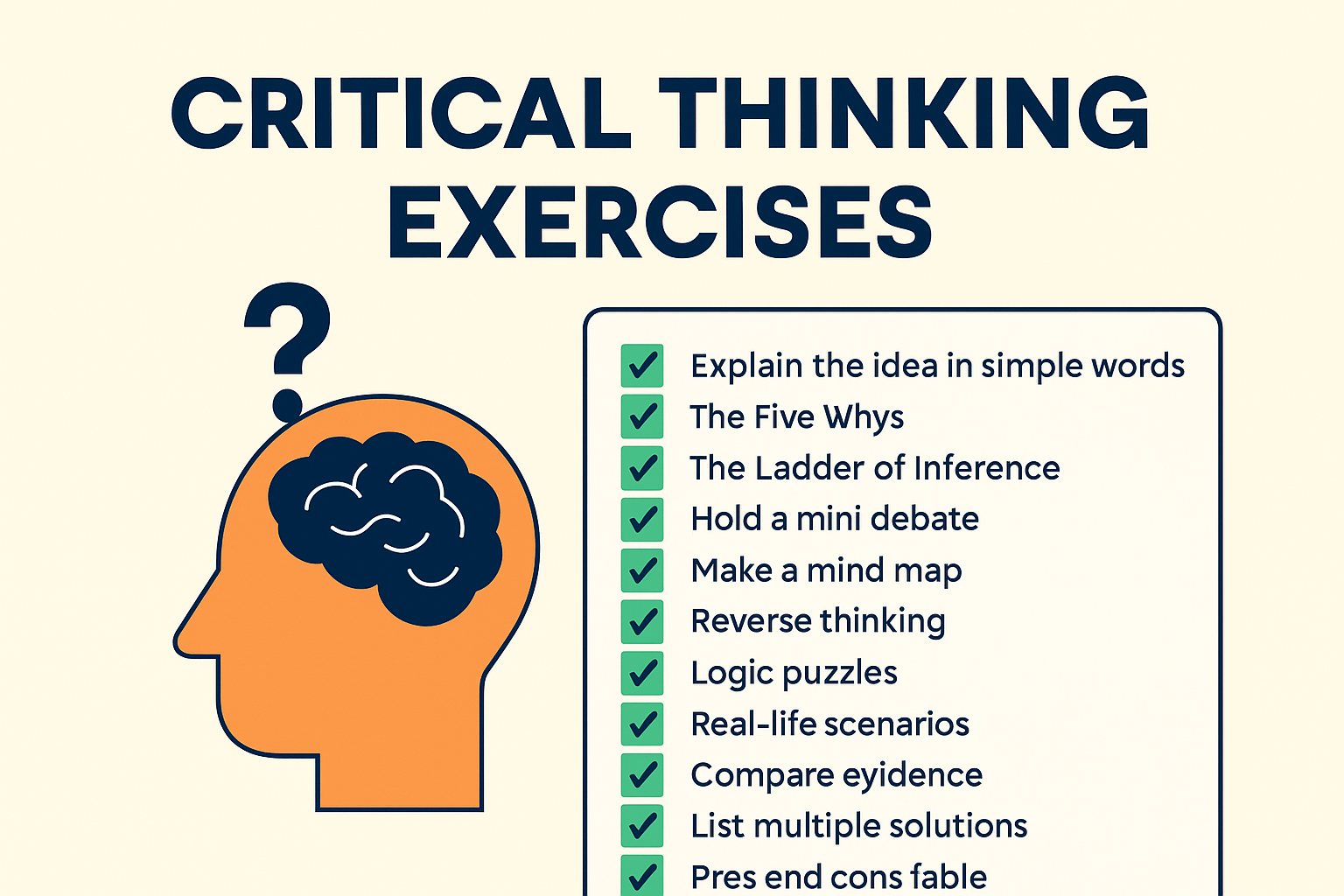
Ready to play at home? Start with a “Question Jar”—write five odd prompts on slips of paper, then pull one each morning. Keep them short: “What does my favorite song want me to feel?” or “If my pet could talk, what would they avoid saying?” Another trick is the “Five Whys” game—ask “why” five times about any annoyance (like cold coffee), and you’ll often end up at a funny, unexpected truth about yourself.
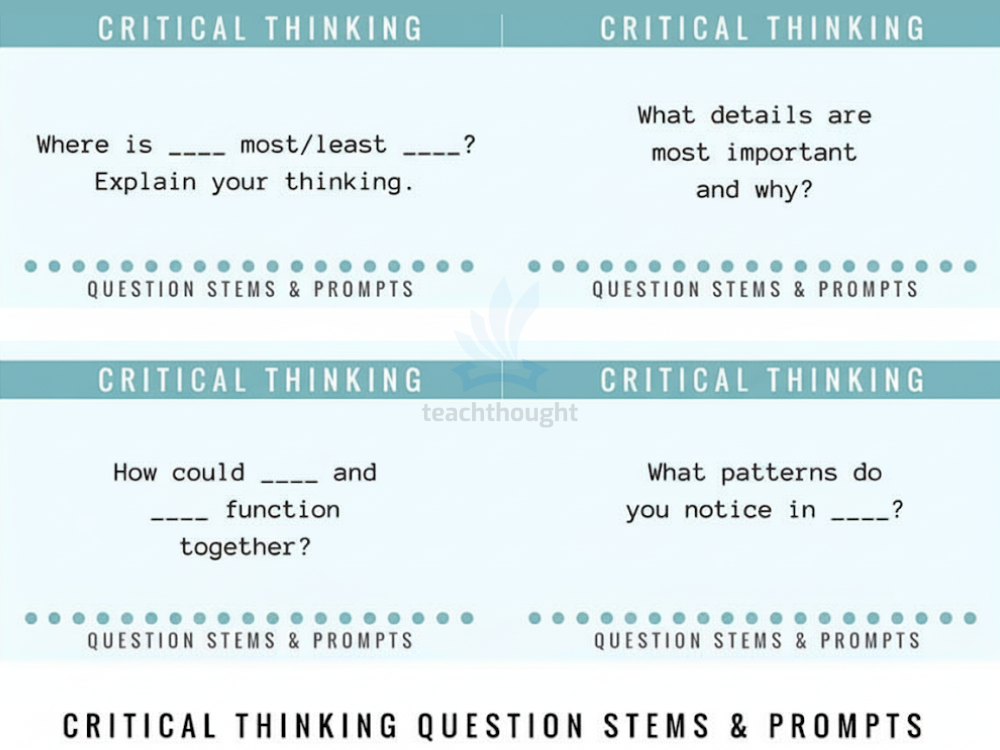
Don’t rush to answer; let the question marinate while you walk or do dishes. You can also pair up with a friend—take turns asking, but forbid immediate answers. The goal is to sit with the awkward pause, where the real thinking happens. And remember: silly questions are allowed. “Would a ghost enjoy spicy food?” can lead you to thoughts about memory, sensation, and what we fear—all without leaving your couch.
Finally, critical thinking questions are enjoyable because they’re low-stakes play. They give you permission to be wrong, weird, or contradictory—and that’s a rare luxury in real life. You’ll finish a session feeling lighter, more inventive, and slightly more alive. So grab a question, any question, and let your mind wander—you might just surprise yourself with the brilliance you’ve had all along.