Getting In The Mood For Sex
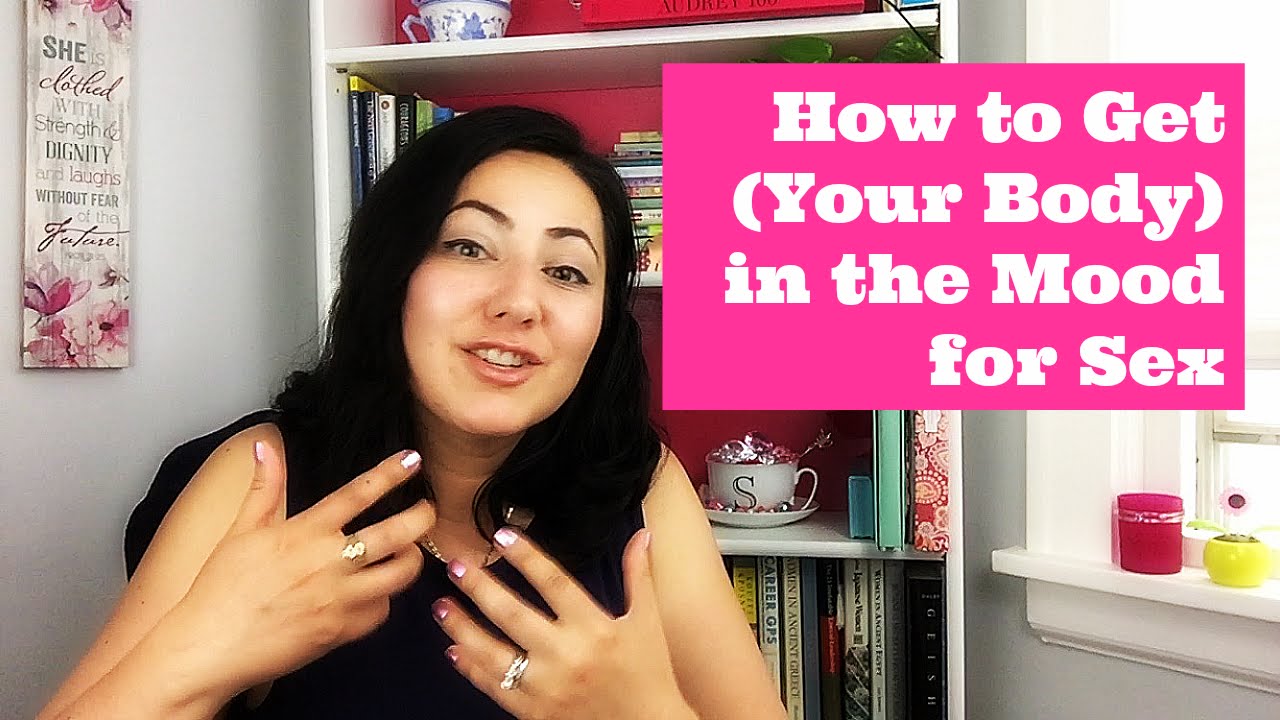
The desire to get in the mood for sex has been a fundamental aspect of human nature for centuries. It's a topic that has been shrouded in mystery, steeped in tradition, and influenced by a multitude of factors, including cultural norms, social expectations, and personal preferences. Looking back, it's fascinating to explore how this topic has evolved over time, from the ancient civilizations of Greece and Rome, where sensual pleasures were revered as an art form, to the Victorian era, where prudishness and restraint were the order of the day.
In the 1920s, the dawn of the jazz age, the topic of sex began to emerge from the shadows, with the likes of Freud and Ellis shedding light on the psychological and sociological aspects of human desire. The 1960s, with its liberation and free love movement, marked a significant turning point, as people began to express themselves more openly and explore their desires without inhibition. And yet, despite this progress, the topic of getting in the mood for sex remained steeped in taboo, with many people struggling to articulate their desires, let alone act on them.
Fast forward to the 21st century, and we find ourselves in a world where the topic of sex is more accessible than ever, thanks to the internet and the proliferation of social media. The rise of dating apps and online platforms has made it easier for people to connect with each other, explore their desires, and engage in open and honest discussions about sex. And yet, despite this increased connectivity, many people still struggle to get in the mood for sex, citing stress, anxiety, and pressure to perform as major obstacles.
Must Read
The Evolution of Seduction
As we delve deeper into the history of getting in the mood for sex, it's fascinating to explore the various tactics and techniques that have been employed over the centuries. From the ancient art of courtesan to the romantic sonnets of the 19th century, the art of seduction has been honed and refined, with each era contributing its own unique twist and flair. In the 1950s, the rise of Hollywood and the silver screen introduced a new era of glamorous and sophisticated seduction, with icons like Marilyn Monroe and Rock Hudson embodying the epitome of screen sex appeal.
In the 1970s and 1980s, the disco and punk movements brought a new level of androgyny and experimentation to the table, as people began to push the boundaries of traditional gender roles and express themselves in more fluid and non-conformist ways. The 1990s, with its rise of grunge and alternative culture, marked a shift towards a more laid-back and introspective approach to sex, with people prioritizing emotional connection and intimacy over flashy displays of seduction.

One of the most significant transformations in the way we approach getting in the mood for sex has been the rise of feminism and the women's liberation movement. As women have become more empowered to express their desires and take control of their own bodies, the dynamics of seduction have shifted dramatically, with a greater emphasis on mutual respect, consent, and communication. This shift has been reflected in the music and literature of the past few decades, with artists like Madonna and Anais Nin pushing the boundaries of female sexuality and desire.
And yet, despite this progress, the topic of getting in the mood for sex remains complex and multifaceted, influenced by a multitude of factors, including cultural norms, personal experiences, and technological advancements. As we move forward into the 21st century, it's clear that our approach to sex and seduction will continue to evolve, reflecting the changing values and priorities of our society.
Modernizing Desire
Today, getting in the mood for sex is more than just about physical attraction or romantic chemistry; it's about creating a holistic experience that nourishes the mind, body, and spirit. With the rise of wellness and self-care, people are prioritizing their physical and emotional well-being, recognizing that a healthy and balanced lifestyle is essential for cultivating a strong and fulfilling sex life. This shift has been reflected in the food and beverage industry, with the emergence of aphrodisiac foods and sensual cocktails designed to stimulate the senses and arouse desire.

The digital age has also brought a new level of convenience and accessibility to the table, with dating apps and online platforms providing a wealth of opportunities for people to connect with each other and explore their desires. And yet, despite these advances, many people still struggle to get in the mood for sex, citing stress, anxiety, and pressure to perform as major obstacles. To overcome these challenges, people are turning to mindfulness and meditation, recognizing that a calm and centered mind is essential for cultivating a strong and fulfilling sex life.
Frequently Asked Questions
What are the most effective ways to get in the mood for sex?
One of the most effective ways to get in the mood for sex is to create a sensual atmosphere, complete with candlelight, soft music, and aromatherapy. This can be achieved through a variety of means, including essential oils, scented candles, and room sprays. Another approach is to prioritize communication and intimacy, taking the time to connect with your partner on a deep and meaningful level. This can involve shared activities, such as cooking or yoga, as well as open and honest discussions about desires, boundaries, and expectations.
In addition to these approaches, many people find that exercise and physical activity can be a powerful way to get in the mood for sex. This can involve cardiovascular exercise, such as running or swimming, as well as strength training and flexibility exercises. The key is to find an activity that you enjoy and that makes you feel confident and empowered, as this can be a powerful way to stimulate desire and arousal.

How has the rise of feminism and the women's liberation movement impacted the way we approach getting in the mood for sex?
The rise of feminism and the women's liberation movement has had a profound impact on the way we approach getting in the mood for sex, as women have become more empowered to express their desires and take control of their own bodies. This shift has been reflected in the music and literature of the past few decades, with artists like Madonna and Anais Nin pushing the boundaries of female sexuality and desire. It has also been reflected in the media and advertising, with a greater emphasis on female pleasure and empowerment.
One of the key ways in which this shift has impacted the way we approach getting in the mood for sex is by prioritizing mutual respect and consent. This involves recognizing that sex is a two-way street, and that both partners must be comfortable and willing to engage in any activity. It also involves prioritizing communication and intimacy, taking the time to connect with your partner on a deep and meaningful level. By prioritizing these values, we can create a more equitable and fulfilling experience for all parties involved.
What role will technology play in the future of getting in the mood for sex?
Technology is likely to play a significant role in the future of getting in the mood for sex, as virtual reality and artificial intelligence become increasingly sophisticated. One potential application of this technology is the creation of immersive experiences that simulate the sights, sounds, and sensations of sex. This could involve VR headsets, haptic feedback, and sensor-equipped clothing, all designed to create a hyper-realistic experience that simulates the thrill of sex.

Another potential application of this technology is the creation of personalized avatars and digital companions that can be programmed to provide emotional support and intimacy. This could involve chatbots, voice assistants, and social robots, all designed to provide a sense of connection and companionship. By leveraging these technologies, we can create new and innovative ways to get in the mood for sex, and to explore our desires in a safe and consensual manner.
As we look to the future, it's clear that the topic of getting in the mood for sex will continue to evolve, reflecting the changing values and priorities of our society. With the rise of technology and social media, we can expect to see new and innovative ways to connect with each other and explore our desires. At the same time, we must prioritize consent, respect, and communication, recognizing that sex is a two-way street that requires mutual participation and agreement.
Ultimately, the future of getting in the mood for sex will be shaped by our ability to balance technology and humanity, leveraging the benefits of innovation while prioritizing the values of intimacy, connection, and mutual respect. By embracing this approach, we can create a more fulfilling and equitable experience for all parties involved, and promote a healthier and more positive attitude towards sex and desire. As we move forward into the 21st century, it's exciting to think about the possibilities that await us, and the new and innovative ways that we will explore and express our desires.