Generic Refrigerator Water Filters
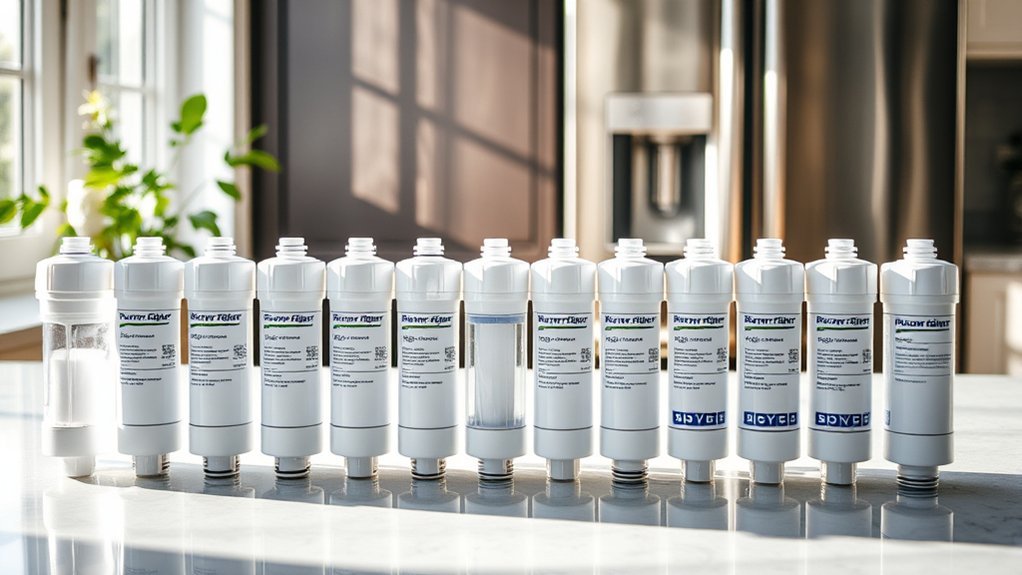
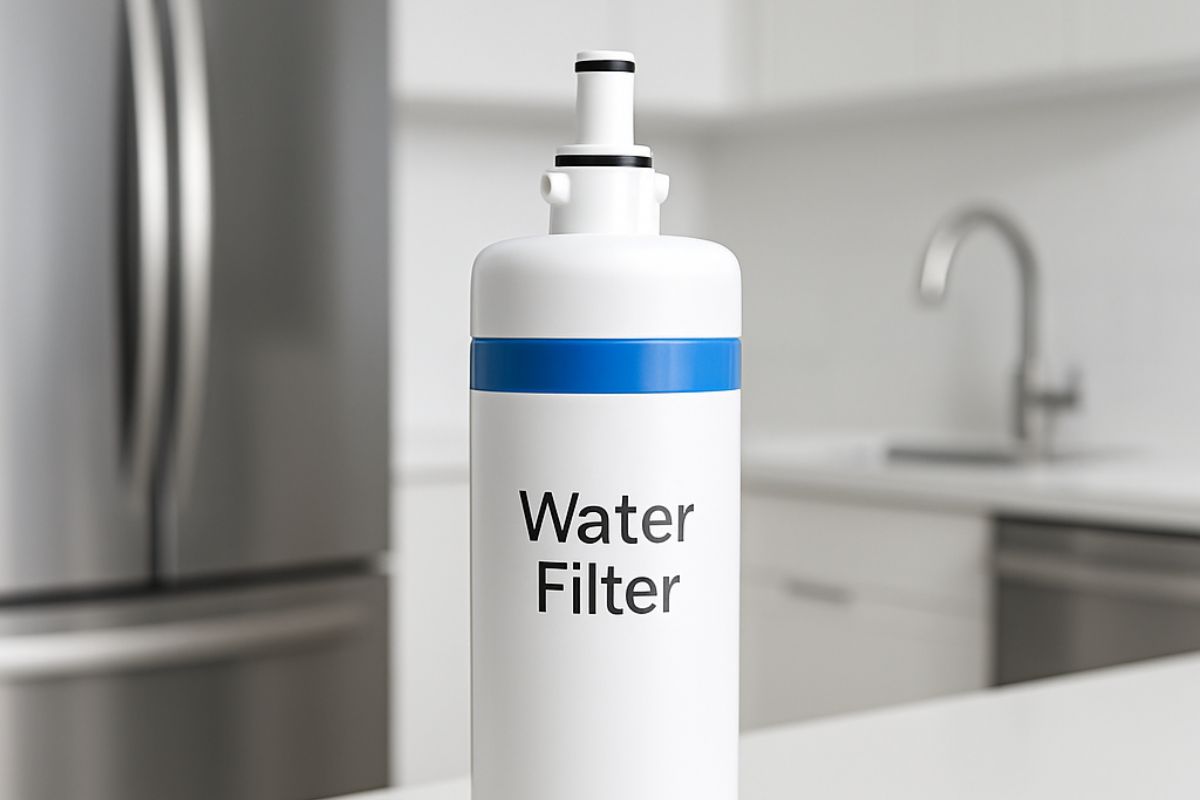
Let’s talk about the unsung hero of your kitchen: the generic refrigerator water filter. Yes, that little plastic cylinder hiding behind your crisper drawer. It’s not glamorous, but it’s the bouncer at the club, keeping weird-tasting junk out of your ice cubes.
The Secret Life of a Plastic Cylinder
Think about it. Your fridge filter is basically a tiny water-treatment plant with a job. It traps chlorine, rust, and the ghost of last week’s leftover fish. Without it, your “fresh” glass of water might taste like a swimming pool’s distant cousin.
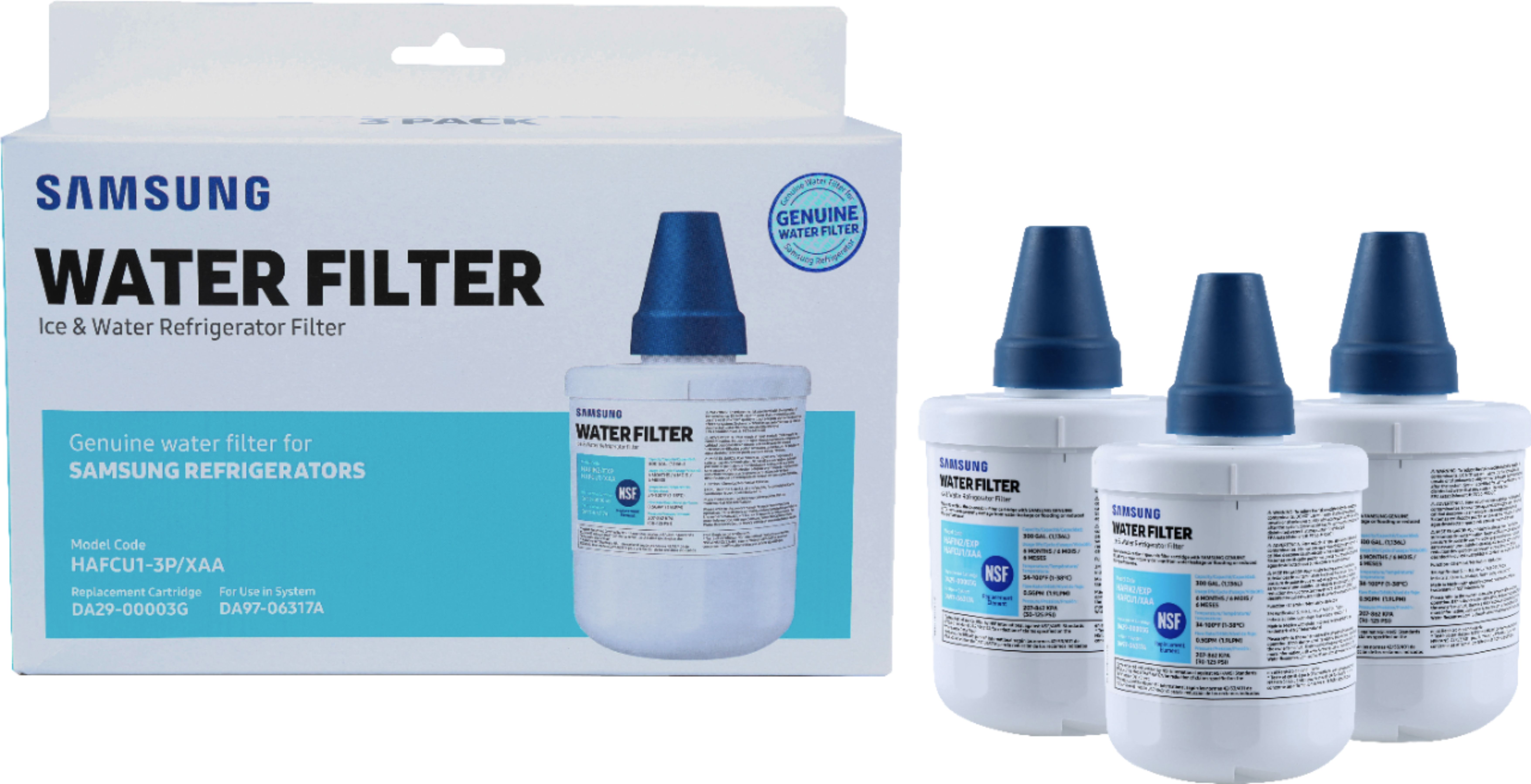
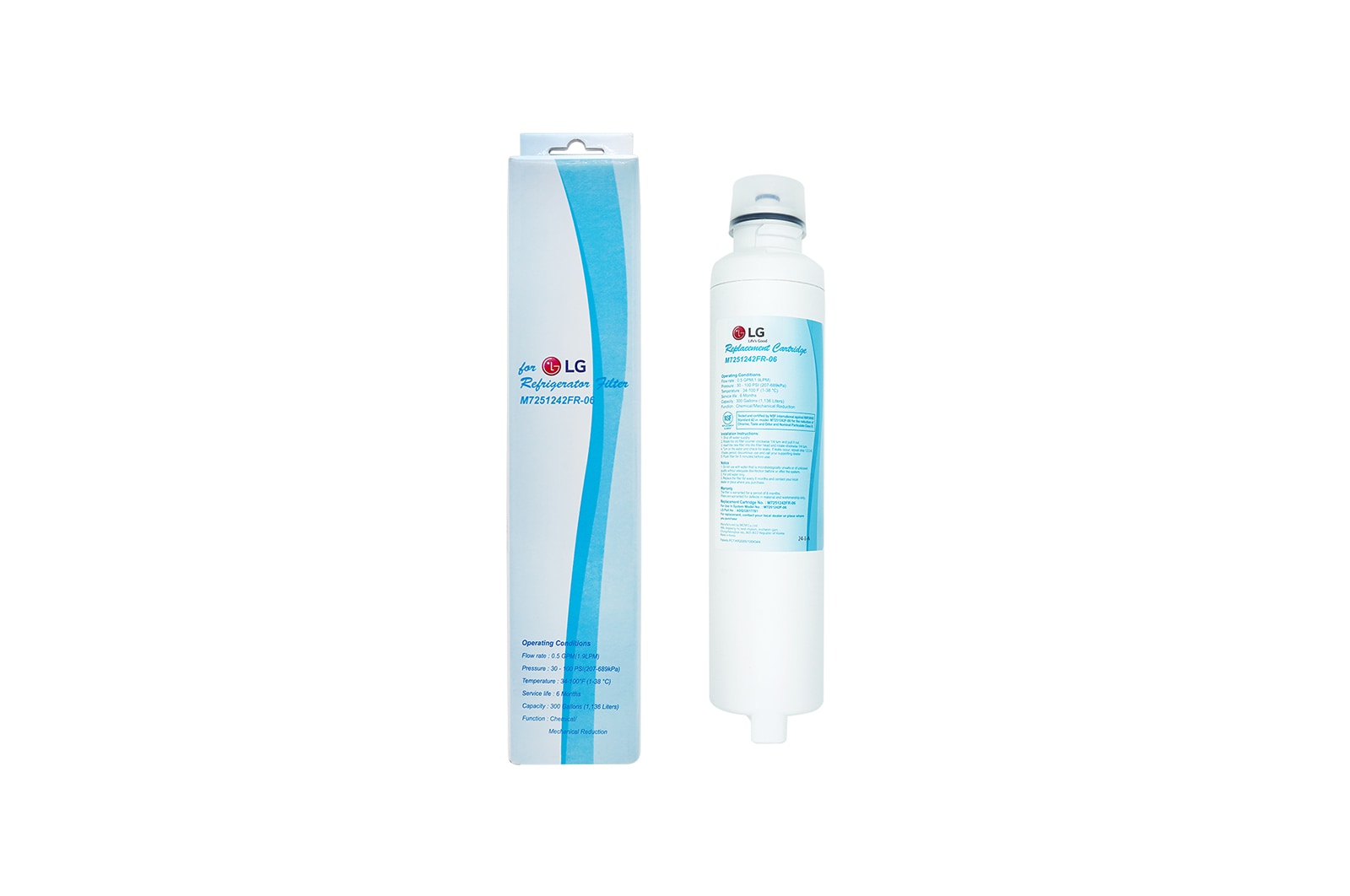
Here’s the kicker: brand-name filters cost up to three times more than their generic cousins. And for what? A fancier sticker? The actual guts—activated carbon, ion-exchange resin—are often made in the same factories. You’re paying for a logo, not magic.
Must Read
Why “Generic” Doesn’t Mean “Gross”
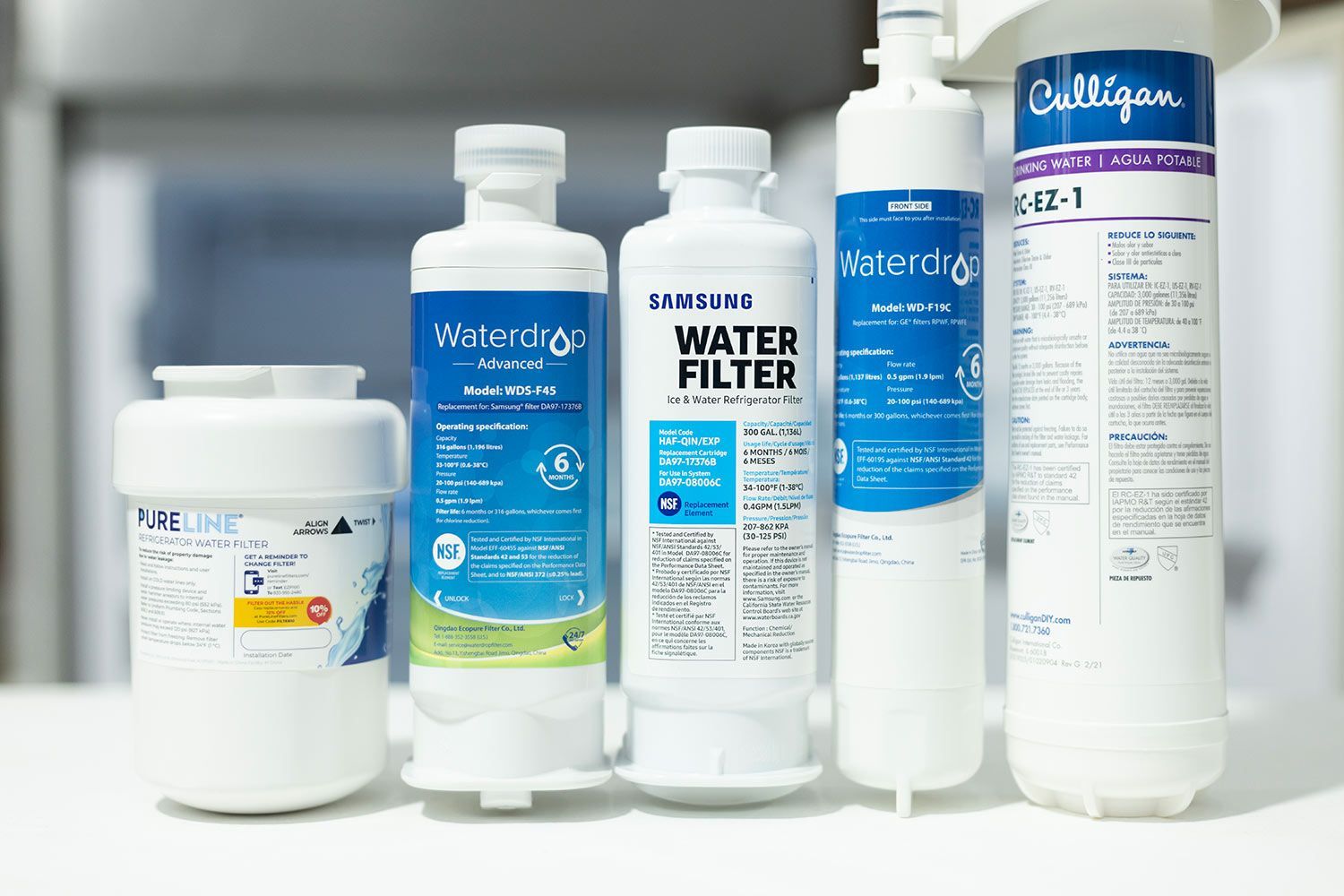
Let’s bust a myth: generic does not mean sketchy. Many generic filters are certified by the same standards (NSF/ANSI 42 and 53) as the big names. They remove the same bad stuff—lead, mercury, and that weird medicinal smell.
Sometimes, they’re literally identical. A factory makes one run for a brand, then switches labels for a generic batch. The only difference? You keep an extra $30 in your pocket. That’s a fancy coffee date with your wallet.

Quirky Facts to Impress Your Friends
Here’s a weird one: your fridge filter is a breeding ground for bacteria if you ignore it. The carbon inside becomes a cozy hotel for microbes after six months. So changing it isn’t just about taste—it’s about avoiding a science experiment in your water.
Another fun fact: water filters don’t remove everything. They leave in healthy minerals like calcium and magnesium. That’s why filtered water still tastes “crisp” and not flat. You’re getting a spa treatment, not distilled nothingness.
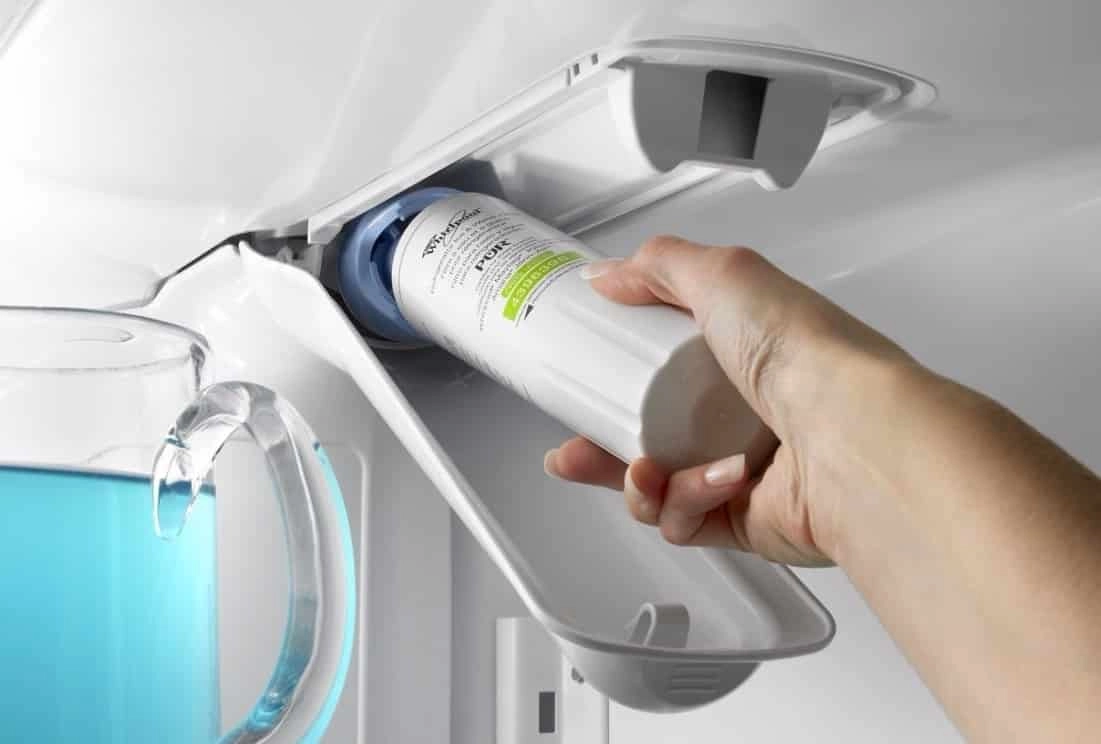
And get this: the average filter lasts for about 200 gallons, or six months. But here’s the snag—most people forget until the ice tastes like cardboard. That’s when you know it’s time to play “replace the cylinder” roulette.
The Joy of the “Chunk”
Let’s talk about the satisfying part: swapping the old filter. You twist, you yank, and—swoosh—a little stale water dumps out. It’s gross and oddly thrilling. Then you run two gallons through the new one, and suddenly your water is a liquid diamond.
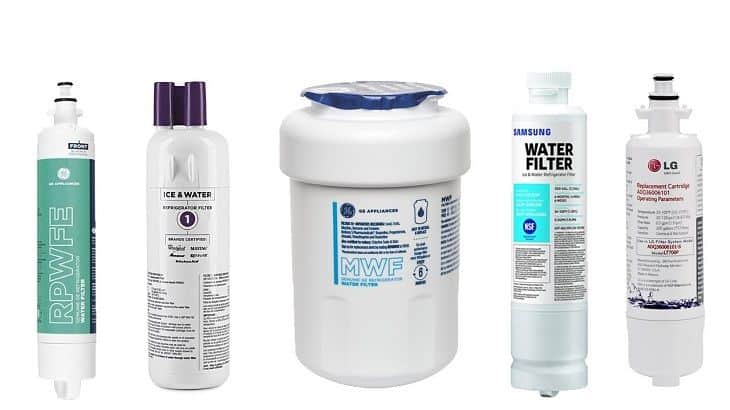
Generic filters make this ritual guilt-free. You can change it early, even if you’re not hitting six months. Who cares? It’s cheap. You’ll feel like a hydration hero, not a penny-pincher.
Why We Love to Hate This Purchase
Buying a filter is boring. It’s not a new phone or a fun gadget. But here’s the twist: choosing generic is a tiny act of rebellion against marketing hype. You’re saying, “I know my water. I don’t need a fancy logo to make it taste better.”
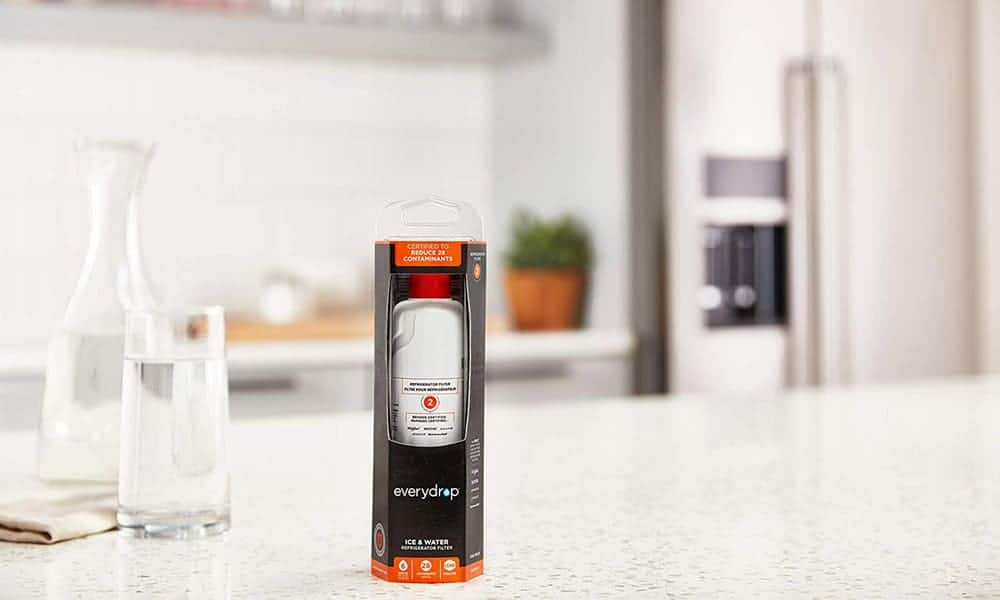
Plus, it’s a low-stakes gamble. Worst case? You sip water that’s slightly less perfect. Best case? You save money and never think about it again. That’s a win-win, folks.
So next time you see that generic filter online for $12, don’t scroll past. Give it a high-five. It’s doing the same job, just without the ego. Your taste buds won’t know the difference—but your bank account definitely will.
Stay hydrated, stay smart. And please, change that filter before your ice starts judging you.