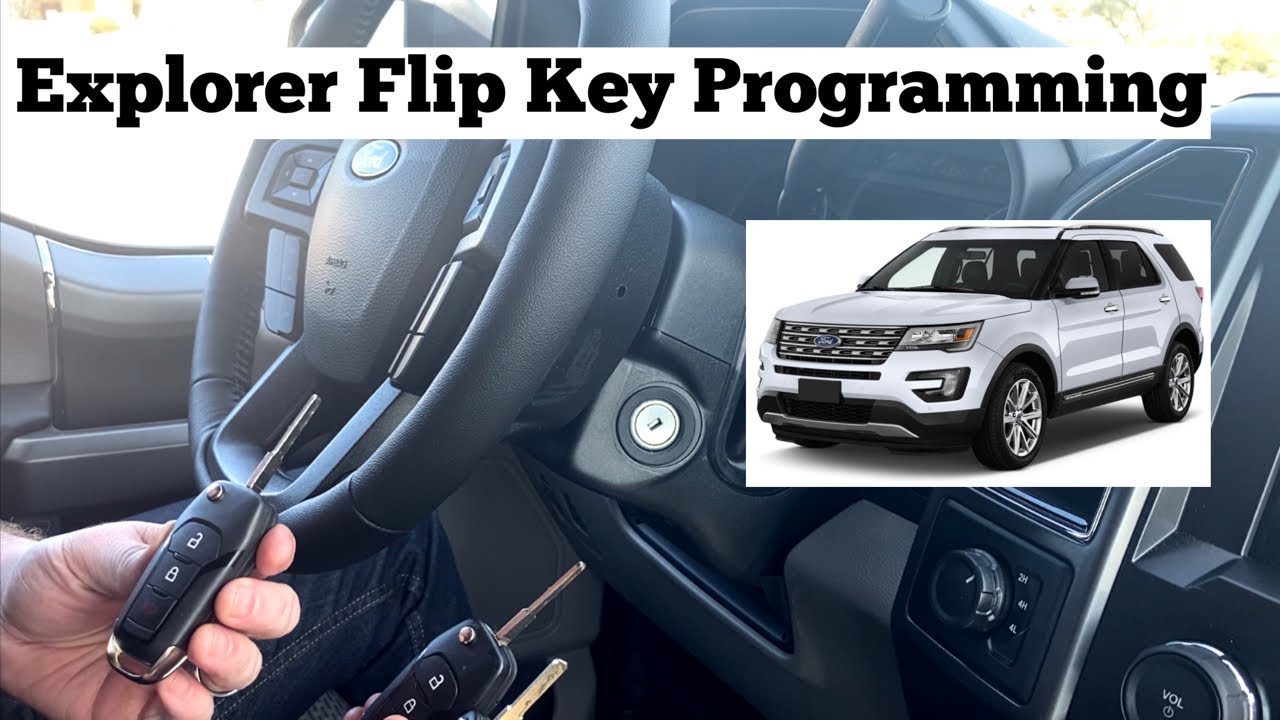
Ford Explorer Key Fob Programming

Ever stood in a parking lot, keys in hand, and wondered if your Ford Explorer could be a little more… responsive? That’s where the magic of key fob programming comes in. It’s not just for tech heads or mechanics; it’s a small, satisfying skill that puts you back in the driver’s seat of your own vehicle’s convenience.
At its core, programming your key fob means teaching your Explorer to recognize a new remote as a trusted companion. Think of it as a handshake between your car and the little plastic device in your pocket. The main benefit is freedom—you can add a spare for a family member, replace a worn-out unit, or even just enjoy the smug satisfaction of doing it yourself.
This isn’t just about avoiding a costly dealership trip. For daily life, it means never being locked out because you can forge a backup key for your weekend errands. In a teaching context, it’s a perfect, tangible example of how modern cars are just rolling computers—you’re essentially syncing a wireless device, which is a concept kids and teens grasp instantly.
Must Read
The process itself usually involves a little choreography with your ignition and door locks. For many Explorer models, you’ll sit in the driver’s seat, cycle the key from off to run a few times, and watch for the door locks to cycle as a silent “go ahead” signal. After that, you press a button on the new fob within a short window, and the car memorizes its unique code.
However, be aware that not all Explorers are created equal. Some model years, especially those with push-button start and advanced anti-theft systems, require two already-working keys to program a third. If you only have one key, the procedure changes, and you might need professional diagnostics to get into the system—that’s not a failure, just a different path.

Before you dive in, the golden rule is to check your owner’s manual. It will tell you which generation of programming you have, and it’s the most reliable cheat sheet you’ll ever get. Also, practice with an old or cheap fob first if you can; this way, you’re not stressing over an expensive piece of tech while you learn the rhythm.
A practical tip for the curious: do this in a quiet, open space, not your garage. You’ll need to hear the subtle clicks of the door locks and the chimes of the dashboard, as audible feedback is your primary guide. Keep a phone nearby to record the exact sequence from a video tutorial if you get lost—pausing is your friend.

Once you’ve got it, you’ll notice a small shift in confidence. Suddenly, the car feels less like a mystery machine and more like a tool you understand. You can even turn this into a fun weekend project: program a spare fob and hide it in a magnetic box under the bumper for emergencies—just remember to tell a trusted friend where it is.
Exploring this skill also opens the door to other DIY car maintenance, from changing batteries to resetting tire pressure sensors. It’s a gateway to a more resourceful, self-reliant relationship with your vehicle. You won’t just be saving money; you’ll be collecting a small, practical piece of automotive knowledge that most drivers never take the time to grab.
So next time you click the unlock button and hear that reassuring thunk, take a moment to appreciate the little dance of codes that just happened. And if a stranger in a parking lot asks how you did it, you’ll have a neat, five-minute story to share. That’s the real joy of learning these tiny, hidden systems—it turns a mundane chore into a quiet little superpower.