Finding The Lengths Of A Triangle

Ever looked at a triangle and thought, “Hey, I wonder how long your sides actually are?” No? Just me? Well, stick around, because figuring out a triangle’s lengths is way more fun than it sounds. It’s like being a geometry detective, and the clues are hiding in plain sight.
Why Should You Even Care?
Triangles are the backbone of the universe, seriously. From the trusses holding up your roof to the slices of pizza on your plate, they’re everywhere.
Knowing their lengths isn’t just for passing a math test. It’s how engineers build bridges that don’t collapse and how architects design rooms that don’t feel like shoeboxes.
Must Read
Once you get the hang of it, you’ll start seeing triangles in the world and think, “Oh, I could totally figure you out.” And that feels pretty awesome, ngl.
The Right-Angle Magic Trick
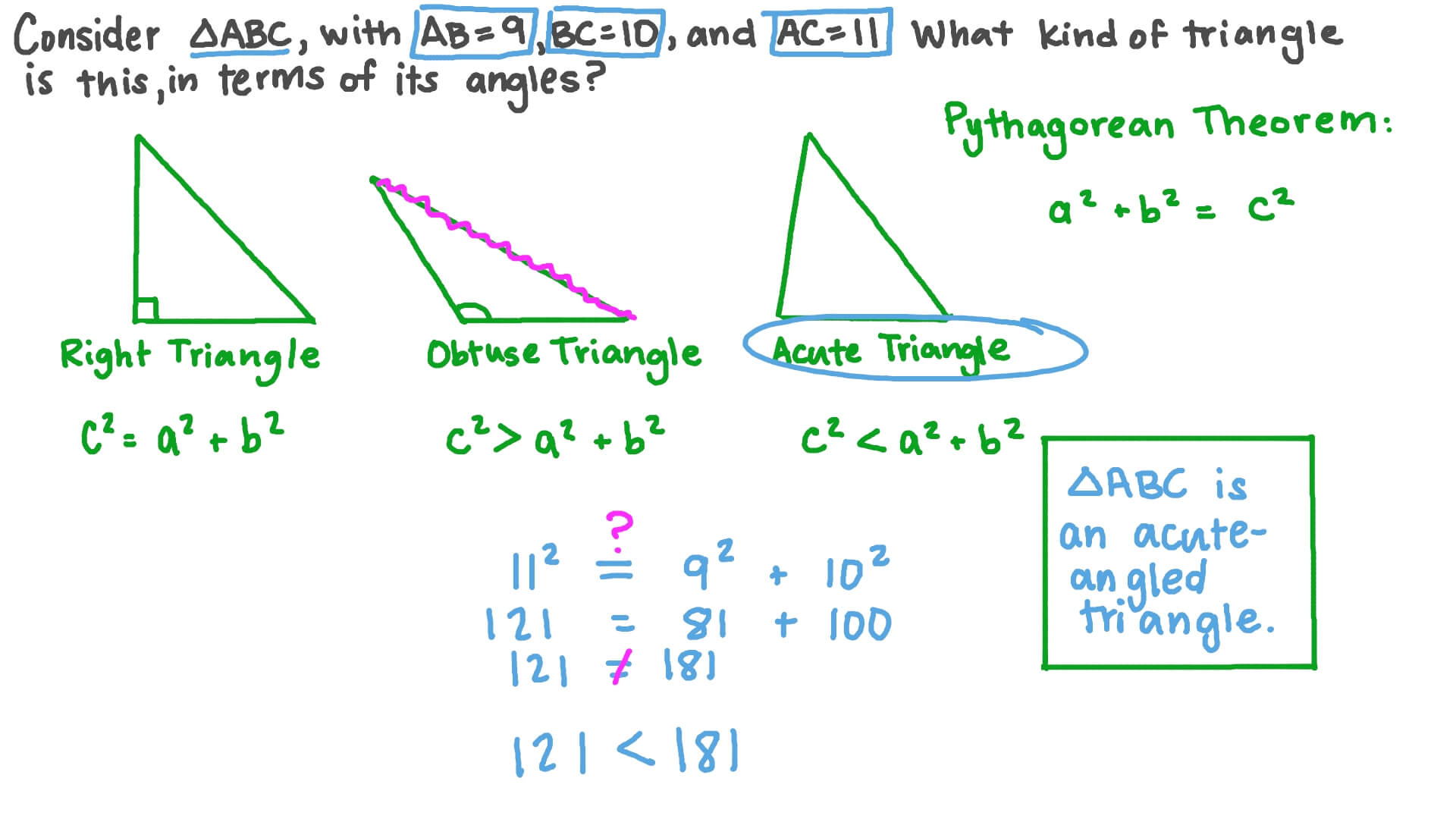
If your triangle happens to have a perfect 90-degree corner, you’ve hit the jackpot. This is where the legendary Pythagorean theorem comes in: a² + b² = c². Sounds scary, right? It’s not.

Think of it like this: you’ve got two short legs (a and b) that meet at the right angle, and a long, lazy side (c) opposite them, called the hypotenuse. The trick? If you know any two of these lengths, the third one is just a little square-root magic away.
For example, if those legs are 3 and 4, the long side is 5. It’s like a secret handshake for numbers—it just works, every single time.
When The Triangle Is A Rebel (No Right Angles)
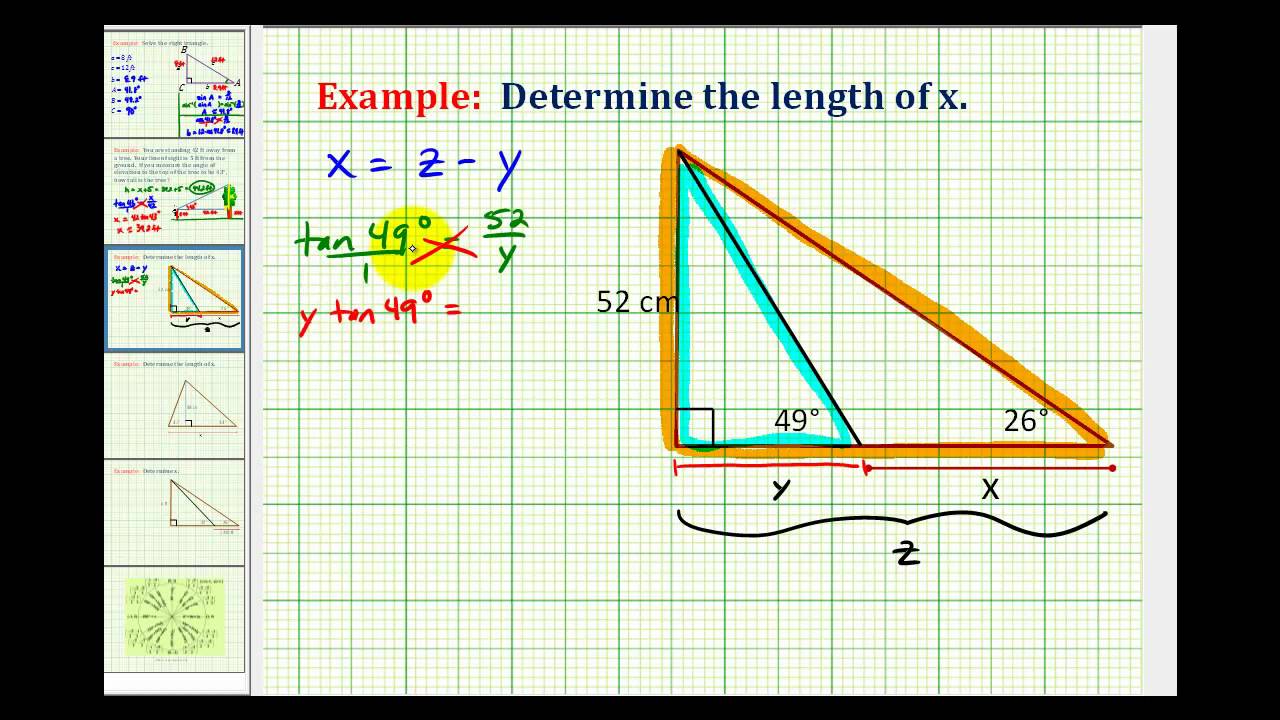
But what if your triangle is stubborn and refuses to have a right angle? Don’t panic. You’ve got two new best friends: the Law of Sines and the Law of Cosines. They sound like courtroom drama, but they’re just clever formulas.

The Law of Sines is great when you know two angles and any one side. Think of it as a ratio party—each side divided by the sine of its opposite angle is the same across the whole triangle.
The Law of Cosines is your go-to when you have two sides and the angle between them. It’s like the Pythagorean theorem’s cooler, more flexible cousin that handles all the weird angles without breaking a sweat.

It’s All About The Clues You Already Have
Here’s the real kicker: you never need to measure all three sides. Usually, you just need a couple of sides and an angle, or two angles and a side, and the rest unfolds like a good story.
It’s like baking a cake—you don’t need to taste every single ingredient to know it’ll turn out. You trust the recipe, and the math is the most reliable recipe you’ll ever find.
Just remember, the sum of all interior angles must be 180 degrees. That’s your compass; if you ever get lost, it points you home.
Why It’s Actually Kind Of Cool
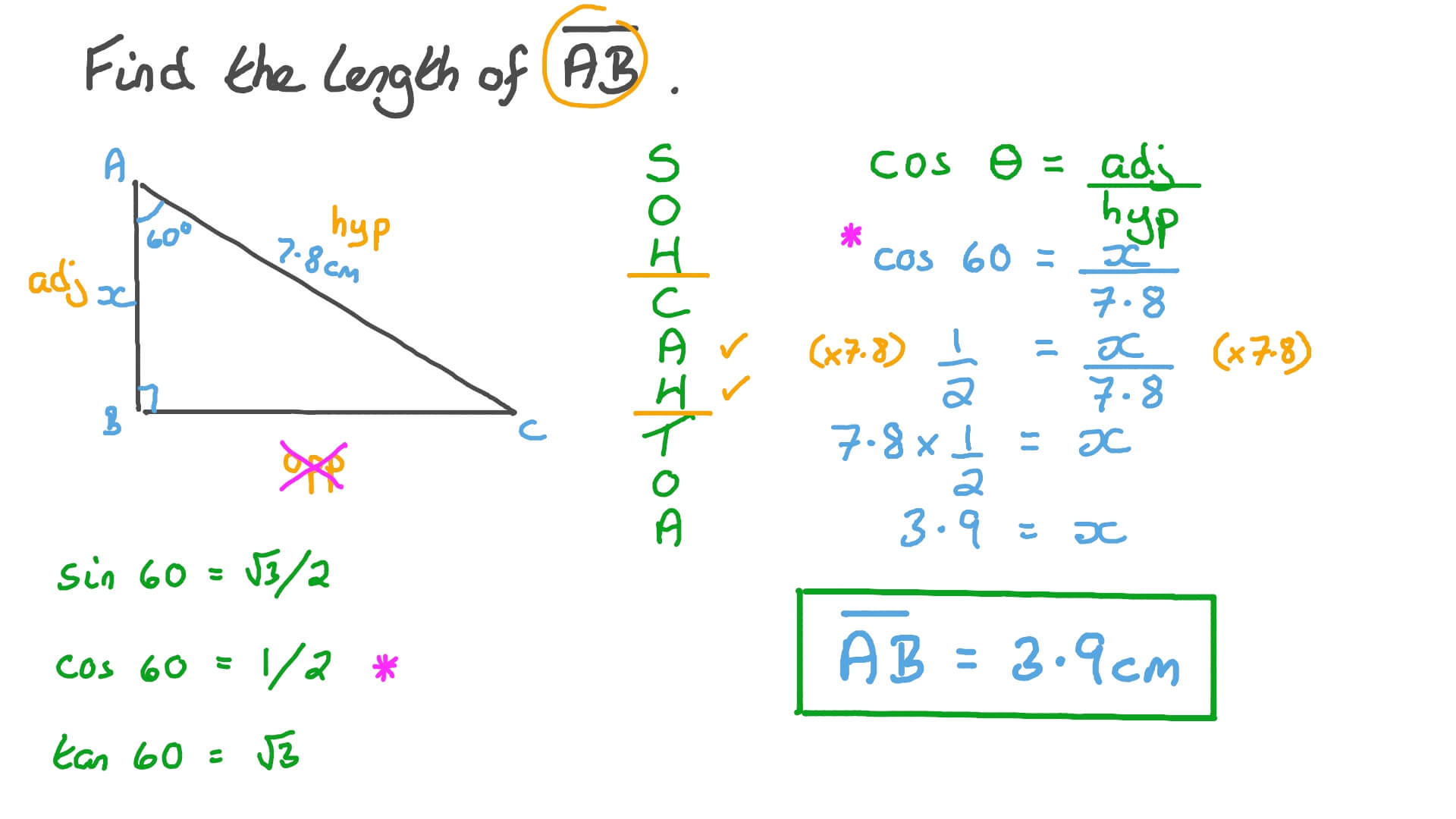
Finding triangle lengths is problem-solving at its purest. You’re taking a few tiny clues and reconstructing an entire shape in your mind.
It’s the same thrill you get from fitting the last piece of a jigsaw puzzle, or realizing you can guess a friend’s password because they always use their dog’s name (not that I condone that).
So next time you see a leaning ladder against a wall or a ramp on a skateboard park, ask yourself: “What are the lengths?” Then, just for kicks, try to find them. You might surprise yourself with how satisfying it is. Go on, be a triangle whisperer.