
Film Kartun Dubbing Bahasa Indonesia
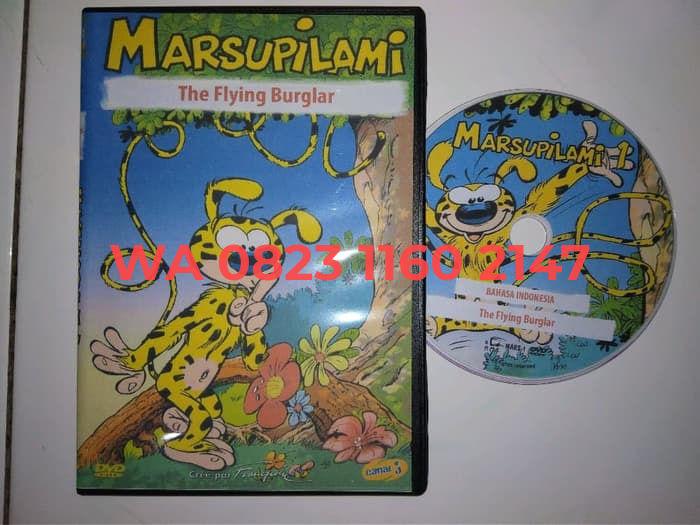
In the sprawling, chaotic, and gloriously vibrant media landscape of Indonesia, there exists a peculiar sonic universe that has shaped the childhoods of millions for over four decades. It is not the realm of Hollywood’s original English tracks, nor the subtitled prestige dramas of streaming giants. It is the world of Film Kartun Dubbing Bahasa Indonesia—the art and industry of Indonesian voice-over for Western animation. For most Indonesians, the voice of SpongeBob is not Tom Kenny’s nasal pitch, but a distinctly localized, high-energy cadence; the gruff charm of Batman is not Kevin Conroy’s baritone, but a theatrical, formalized Indonesian interpretation. This is not merely translation; it is a cultural transmutation, a process where American slapstick is filtered through the lens of Indonesian humor, societal norms, and linguistic playfulness.
Why does this matter today? In an era of hyper-globalization, where English proficiency is increasingly seen as a status symbol, the persistence of Indonesian dubbing is a fascinating act of cultural defiance and accessibility. It democratizes entertainment, allowing children from the bustling streets of Jakarta to the remote villages of Papua to experience the same global stories without a literacy barrier. Yet, beneath the surface of cheerful voices and puns lies a complex history of censorship, improvisation, and sheer linguistic acrobatics. The dubbers are not just voice actors; they are unwitting cultural negotiators, tasked with making a talking crab in Bikini Bottom feel like a relatable, slightly neurotic neighbor from a Jakarta kampung.
The Unseen Theater: Psychology, Censorship, and the Art of "Localization"
Delving beneath the cheerful exterior of these cartoons reveals a dark and practical underbelly: the industry operates under a self-imposed and government-imposed regulatory shadow. The Indonesian Broadcasting Commission (KPI) enforces strict content guidelines, and dubbing studios act as the first line of defense. Jokes about death, sexuality, or even mild Western-centric sarcasm frequently undergo a process of semantic bleaching. For instance, in The Simpsons (which aired with a local dub for years), satirical jabs at religion are heavily softened or replaced with generic jokes about family squabbles. The voice actor must therefore master the art of vocal contortion—delivering a line that sounds natural while essentially saying something entirely different from the intended script. This creates a bizarre psychological dissonance for older viewers who cross-reference the two versions, finding that the Indonesian version often exudes a naive innocence that the original dark satire lacks.
Must Read
Psychologically, the dubbing process taps into what linguists call "involuntary intimacy." Because the voices are recorded in local studios, often with ambient noise and the acoustic signature of Jakarta’s humid air, the sound feels closer, more physically present than a pristine Hollywood mix. This is why Indonesian children often form deeper emotional attachments to the dubbed versions of characters like Doraemon (ironically, a Japanese import, but dubbed in a similar fashion) or the cast of Phineas and Ferb. The voice becomes a maternal or paternal substitute—a familiar, non-threatening presence in the living room. Moreover, the speed of delivery in Indonesian dubs is noticeably faster. This is a secret survival mechanism; because Indonesian sentences are often longer than English ones, the actors must speak at a machine-gun pace to fit the mouth flaps, resulting in a frenetic, energetic listening experience that actually primes children's brains for faster cognitive processing.
The cultural impact is profound when it comes to linguistic "code-switching" among youth. The dubbed cartoons often introduce informal Bahasa Gaul (slang) that later permeates real speech. Words like "banget" (very), "gitu loh" (like that), and the iconic insertion of "kan?" (right?) become staples of a child’s vocabulary. However, there is a darker, cynical side: the dubbing industry is a grueling, low-paying grind. Top actors can record an entire episode in under two hours, with no royalties. The pressure to maintain a "charming" tone while suffering from vocal fatigue leads to a high burnout rate. This results in a strange phenomenon where the same actor voices five different characters in the same episode, distinct only by a slight shift in larynx position—an invisible, financial sleight of hand that the audience never suspects.
From SpongeBob to Naruto: Scenarios, Case Studies, and How to Listen Differently
Let us take a case study of SpongeBob SquarePants, arguably the pinnacle of Indonesian dubbing success. The original SpongeBob is a neurotic, childlike optimist. The Indonesian dub, voiced primarily by the legendary Ahmad Zaki (and later, others), interprets him as a polos (naive) village boy with a heart of gold and a hint of passive-aggressive sass. The iconic laugh is not a nasal "hee-hee" but a loud, full-throated "Hahaha!" that sounds more like a Javanese puppet character. The practical takeaway for a viewer is to watch the same episode in English and then in Indonesian back-to-back. You will notice that the Indonesian version removes all references to SpongeBob getting physically injured (due to blood depiction rules) and replaces them with exaggerated snoring sounds. This teaches us about the filial piety embedded in the culture—the protection of children from realistic consequence.
/vidio-web-prod-film/uploads/film/image_landscape/7360/little-angel-dubbing-bahasa-indonesia-049e77.jpg)
Another scenario is the long-running saga of Detective Conan. In Indonesia, Conan’s voice is higher, squeakier, and more adorable than the Japanese original. But the dialogue regarding the "Black Organization" is often dumbed down to avoid complex political terms. Why? Because the studios assume the audience is primarily elementary school children. This presents a unique practical insight for creators: dubbing is not about fidelity; it is about hierarchy. The Indonesian audience expects animated characters to sound "cartoonish" regardless of the source material’s tone. A gritty anime like Attack on Titan was initially met with laughter in its Indonesian dub because the actors were instructed to overdramatize their gritty voices, inadvertently creating a comedy. The lesson here is that localization requires a deep understanding of the target audience's emotional expectations, not just the script.
For the casual listener, engaging with dubbing is an exercise in meta-listening. Instead of passively absorbing the story, try to identify the "four pillars" of Indonesian dubbing: the over-enunciation of final consonants, the use of "lah" and "dong" suffixes to convey command or pleading, the rhythmic repetition of key phrases for comedic timing, and the occasional complete flub that gets kept in because re-recordings are expensive. These small imperfections are the "analog" charm in a "digital" world. They remind us that these are human performances, not AI synthesizations. Furthermore, streaming platforms like Netflix and Disney+ Hotstar have recently shifted to offering Indonesian audio tracks as a default, not an afterthought. This shift has caused a revival of the industry, leading to a new generation of actors who study the old masters while incorporating modern, subtle performance techniques.
Finally, consider the practical scenario of a parent choosing content. Many Indonesian parents prefer dubbed versions over subtitles because they argue it allows children to fully focus on the visual problem-solving in the cartoon without reading distractions. This is true, but it also creates a strategic vulnerability: children become dependent on the dub's "mood" to understand the plot. If the dubber makes a grouchy character sound whimsical, the child misses the narrative cue. Therefore, the most engaging way to consume these films today is to treat them as alternate universes. Watch a classic like Dexter's Laboratory in Indonesian and note how Dee Dee’s destructiveness is framed as "kind of cute" rather than "chaotic evil." This reframing is a delightful, philosophical exercise about how perception shapes reality.
Navigating the Dub: 5 Burning Questions Answered
1. Is Indonesian dubbing a literal translation of the original script?
Absolutely not. In fact, literal translation is considered a cardinal sin in the industry. What studios employ is a method called dynamic equivalence. The goal is to translate the intent and the emotion, not the words. Western jokes often rely on specific cultural references—like American sports (baseball), historical figures (George Washington), or fast-food chains (McDonald's). These references mean nothing to Indonesian kids. Therefore, the dubbers cleverly replace them with local equivalents: baseball becomes badminton or football; a joke about a hotdog becomes a joke about bakso (meatball soup). Furthermore, grammatical structure is completely reversed. English puts the subject first; Indonesian often drops the subject entirely. If they translated literally, the dialogue would sound robotic and stiff. The actors naturally improvise and truncate sentences to make them sound like casual street Bahasa.
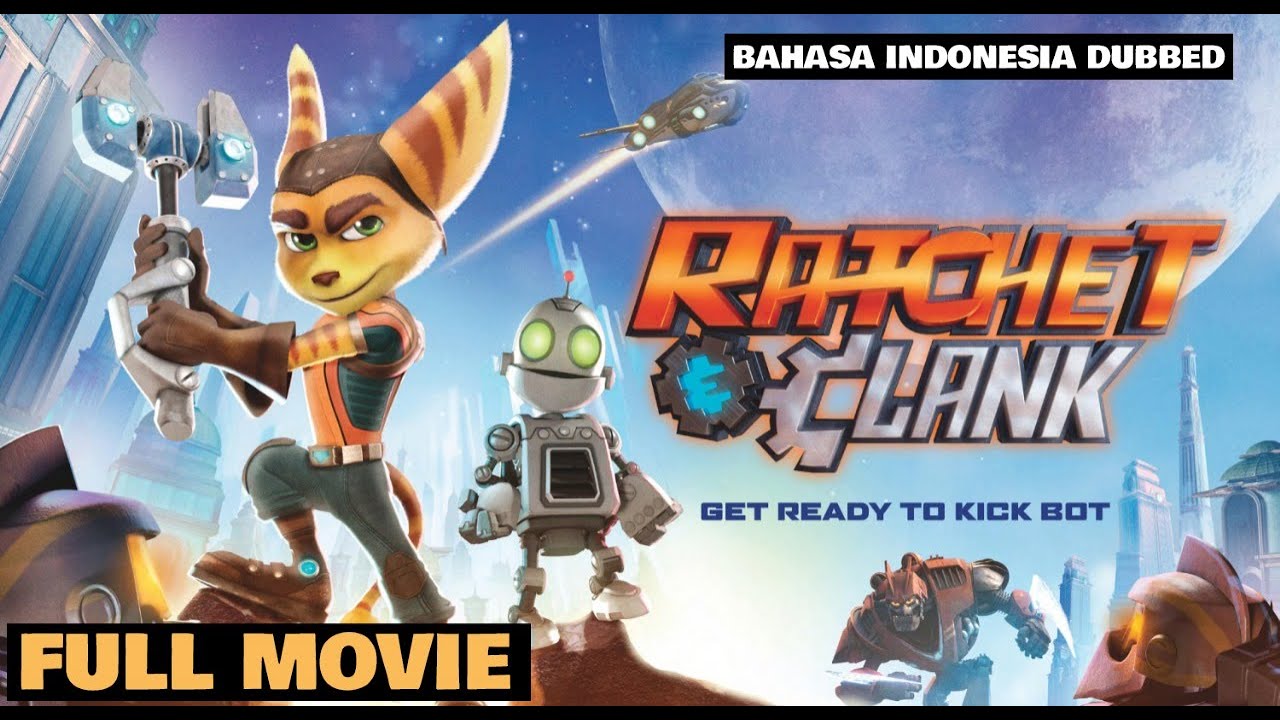
However, this freedom leads to a famous quirk: Indonesian dubs often increase the "volume" of the dialogue's morality. Aggressive insults are downgraded to petty squabbles, and any hint of romantic tension is completely erased. For example, in Kim Possible, the playful flirting between Kim and Ron is rendered as simple "best friend" banter. This isn't an error; it’s a deliberate cultural choice to align with Indonesian media guidelines that discourage pre-marital romantic displays in children's media. Thus, the answer is that it is a translation of values, not just vocabulary.
2. Why do the same voice actors appear in almost every cartoon?
This is the "micro-monopoly" of the Indonesian VO scene. The industry is incredibly resource-constrained. There are perhaps only 50 to 100 top-tier voice actors who hold the keys to the major studios in Jakarta. Because consistency is highly valued, they become the "face" of multiple characters. You might hear the same actor voicing Squidward, Doraemon, and a random villain in Ben 10 in the same week. This is not laziness; it is a matter of survival. Work is recruitment—studios prefer a known professional who can fix script errors on the fly over a newbie who takes 10 takes per line.
This creates a fascinating psychological effect for the audience. The familiarity of the voice creates a sense of a "universe" where all cartoons exist simultaneously. It strengthens the parasocial relationship; the actor isn't just a voice, they become a trusted family member. The downside is that it breeds typecasting. If an actor is famous for voicing a goofy sidekick, they will rarely be allowed to voice a serious main character. For the audience, this means you have to listen more carefully to distinguish between characters—often, the only distinction is a slightly different accent (e.g., using a Medanese accent for a tough character) or a quicker cadence.
3. Does watching dubbed cartoons hinder English language learning for Indonesian kids?
This is a fiercely debated topic among educators. On one hand, research indicates that exposure to original audio is crucial for phonetic development. Over-reliance on dubbing can prime the brain to ignore English phonemes, making accent acquisition more difficult later in life. However, the counterargument is more culturally nuanced. Dubbing does not hinder learning; it postpones it. The goal of Indonesian childhood media is comprehension engagement, not linguistic instruction. If a child spends their childhood watching Doraemon in Indonesian, they are building strong cognitive abilities in their mother tongue, which is the foundation for learning any second language.
Moreover, the "blocking effect" of dubbing is less severe than you might think. Children are excellent at distinguishing between "the voice of the TV" and "the voice of the teacher." The kids who obsessively watched anime dubs might not be able to speak fluent Japanese, but they are often the same kids who show heightened cultural curiosity and a passion for storytelling. In fact, the speed and comedic timing required in dubbing often introduces children to complex vocabulary they wouldn't otherwise encounter in daily speech. The key is balance; successful students often watch the same movie in English with no subtitles and then in Indonesian to check comprehension.
4. How has the dubbing industry changed with the advent of streaming services?
The shift has been seismic. In the era of broadcast TV, dubbing was done for broad reach—you had to make it understandable for the widest possible demographic. Today, with Netflix, Disney+, and Viu, the focus has shifted to niche immersion. Streaming platforms demand higher audio quality, stricter sync, and often, they preserve the original soundtrack's volume, which forces the dubber to whisper or shout at very specific decibel levels—a far cry from the chaotic "shout-and-laugh" style of 90s TV dubs.
Furthermore, streaming has introduced contractual transparency. In the old days, actors were paid a flat fee and their work was shown for years. Now, they often sign contracts for exclusive release windows. This has professionalized the industry, pushing out some of the older, more eccentric veterans in favor of younger actors who can match the "international" tone. However, this also means losing the charming, chaotic energy of the old dubs. The new dubs are polished, clean, and almost sterile. The cultural references are still localized, but they feel less like passionate improvisation and more like calculated marketing strategies. The "soul" is more consistent, but arguably less wild.
5. Are there any "dark" lore or legends associated with Indonesian cartoon dubbing?
Yes, there are eerie remnants of analog-era dubbing folklore. The most famous revolves around the SCTV broadcast of Hamtaro (a Japanese show about hamsters) in the early 2000s. Due to a studio mishap, a local production log was left running in the background. You can faintly hear the director screaming curses at an actor in Javanese during a quiet scene of the hamster chewing a sunflower seed. This "ghost track" is a highlight for collectors of media anomalies. Another legend involves the "lost episode" of Doraemon where, due to a technical data corruption, the audio files for the final act were swapped with a different show. The episode aired with Nobita speaking in the voice of a booming Australian cartoon character for the last two minutes—causing widespread confusion and resulting in the station blaming "satellite interference."
On a darker note, there's the psychological toll known as "Dubber's dissonance." Actors who exclusively voice violent or action-heavy cartoons (like Naruto) report having nightmares of speaking in the character's voice during personal arguments. Because the recording process demands aggressive vocal abuse for hours, some have experienced vocal cord hemorrhages that permanently changed their speaking voice. This is the hidden violence of the craft; actors are often paid in cash, under the table, to avoid taxes, leading to a precarious profession where the joy of voicing a beloved hero is often offset by the fear of not being paid the following week. The "magic" of the cartoon is built on the fragile, overworked vocal chords of real humans.
Ultimately, the phenomenon of Film Kartun Dubbing Bahasa Indonesia is a mirror reflecting our innate human need for connection and adaptation. We do not want to watch a distant myth; we want to see ourselves in it. When SpongeBob speaks with the slang of a Jakarta youth, he ceases to be an American sea sponge and becomes a vessel for local anxieties, joys, and idiomatic expressions. This process connects to our daily lives more than we realize—every time we tell a joke that doesn't "land," we re-translate it for our audience. We are all voice actors, constantly dubbing our own experiences into a language others can understand.
It also touches upon our relationship with imperfection. The slight echo in the studio, the breathy intake of air before a big line, the occasional mispronunciation—these flaws are what make the art human. In a world obsessed with 4K resolution and Dolby Atmos perfection, there is a profound nostalgia and comfort in the impermanent, slightly muffled sound of a 2005 dubbing session. It reminds us that art is not about flawless execution, but about the effort and love behind the delivery.
As children, we didn’t care about the translation. We cared about the feeling. That feeling—of sitting cross-legged on a cool tile floor, mesmerized by a talking mouse with a Javanese accent—is the true legacy of this industry. It proves that culture is not something static, but a living, breathing organism that consumes foreign media and transforms it into something uniquely, wonderfully, and sometimes hilariously its own. We are left with the simple, profound truth: a story is only as good as the voice that tells it, and in Indonesia, that voice will always find a way to sound like home.

/vidio-web-prod-film/uploads/film/image_landscape/12317/little-angel-dubbing-bahasa-indonesia-f862bd.jpg)

