Fatty Infiltration Of Pancreas Means

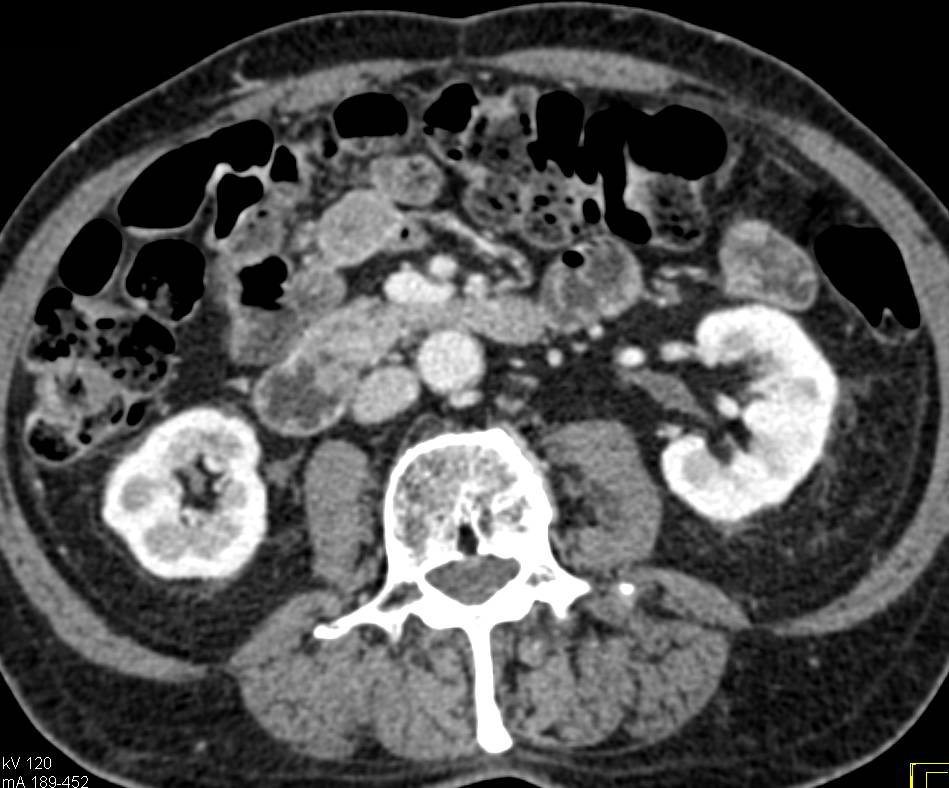
Your pancreas is a silent workhorse, a wedge of unglamorous tissue tucked behind your stomach that orchestrates two critical operations: the production of digestive enzymes and the regulation of your blood sugar via insulin. But modern imaging—an ultrasound for gallstones, an MRI for back pain—is increasingly revealing a startling phenomenon: the pancreas is becoming infiltrated with fat. This isn't the soft, jiggly subcutaneous fat you pinch on your belly; this is ectopic fat, lipid droplets deposited inside an organ where they have no business being. The clinical term, fatty infiltration of the pancreas (FIP), or more precisely, pancreatic steatosis, is the metabolic equivalent of a slow leak in your hull. It doesn’t announce itself with pain, but it silently compromises the vessel's integrity, altering how you digest food and how your body manages energy.
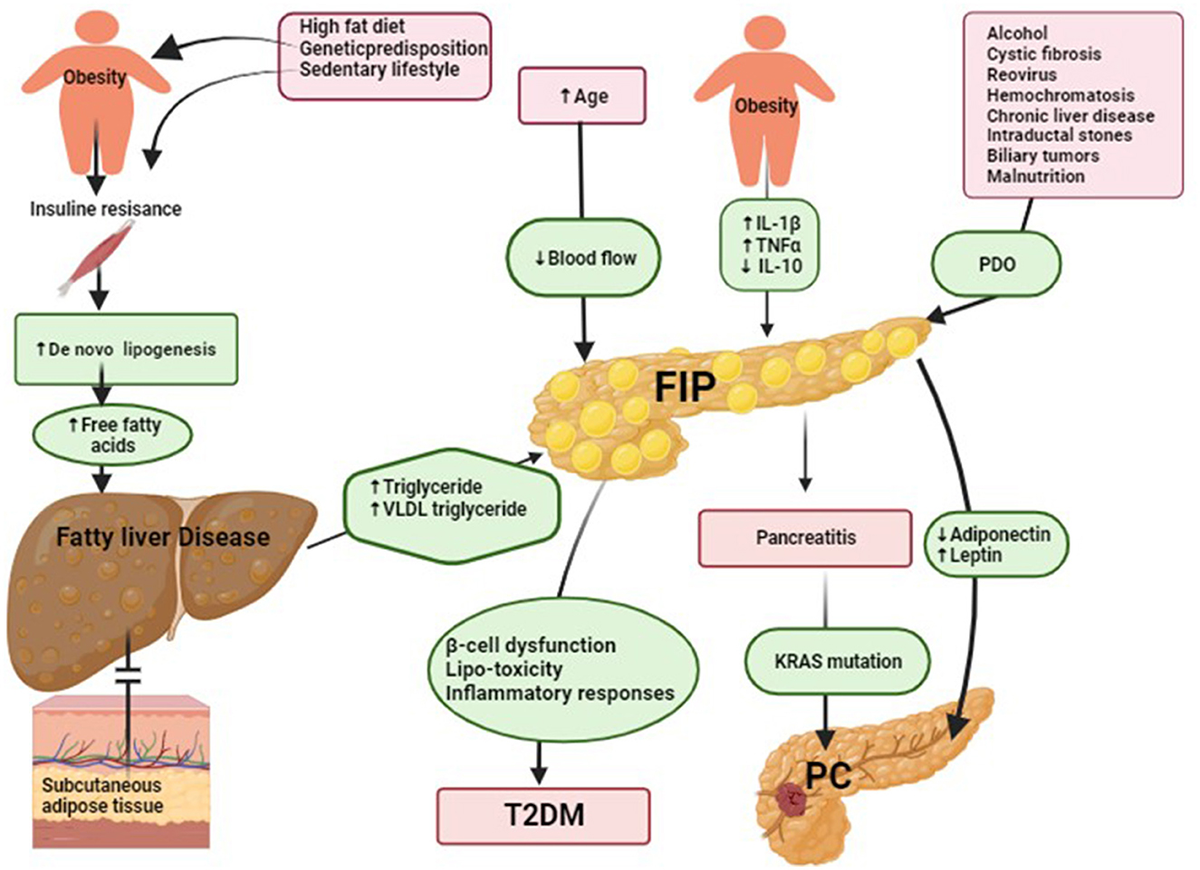
To grasp the mechanics, think of your pancreas as a high-performance engine. Its acinar cells are built for high-throughput protein secretion (enzymes), and its islet cells are precision instruments for glucose sensing. When you chronically consume more energy than your subcutaneous fat stores can safely buffer, your body looks for alternative storage sites. The liver is the primary overflow depot, but the pancreas is a close second. The infiltration begins with the accumulation of triglycerides inside the cytoplasm of pancreatic cells. This is not a passive padding; fat droplets physically distort cellular architecture, disrupting the endoplasmic reticulum and mitochondria. The result is a state of lipotoxicity, where the very lipid molecules meant to store energy become toxic to the tissue that houses them.
From a pragmatic, daily-life perspective, this changes the calculus of your metabolic health. A fatty pancreas is a less responsive pancreas. The fat interferes with the signaling cascade that prompts beta-cells to release insulin in response to glucose. Biopsies and MRI-PDFF (proton density fat fraction) studies show that for every 1% increase in pancreatic fat, insulin secretion capacity drops measurably. This isn't just a precursor to Type 2 diabetes; it's a direct contributor. Furthermore, high pancreatic fat correlates with reduced exocrine function, meaning your body produces fewer digestive enzymes, leading to subtle malabsorption. You eat a nutrient-dense meal, but your gut doesn't extract the full value because your pancreas is "muffled" by fat.
Must Read
Beyond the Liver: The Unique Biology of Pancreatic Steatosis
While everyone talks about non-alcoholic fatty liver disease (NAFLD), the pancreas has a distinct metabolic fingerprint. The liver has a remarkable capacity for regeneration and fat export via VLDL (very-low-density lipoprotein). The pancreas, however, lacks a robust mechanism for exporting accumulated triglycerides. Once fat is deposited in the organ, it is notoriously stubborn to mobilize. This is a critical biological distinction. In the liver, lifestyle changes can rapidly deplete fat stores within weeks. In the pancreas, the lipid turnover is slower, and the fat is more deeply integrated into the structural matrix of the gland, often replacing apoptotic acinar cells with fibrous tissue—a process called pancreatic lipomatosis.
The chemical cascade is driven by a triad of factors: hyperinsulinemia, inflammation, and oxidative stress. When your fasting insulin is chronically elevated—a hallmark of insulin resistance—it stimulates lipogenesis in the pancreas directly. The fat itself then becomes an active endocrine organ, secreting pro-inflammatory cytokines like IL-6 and TNF-alpha. These cytokines further desensitize the insulin receptors on the pancreatic cells, creating a vicious feedback loop. Moreover, the fat droplets increase local oxidative stress. The pancreas has one of the lowest baseline expressions of antioxidant enzymes (like glutathione peroxidase) of any organ, making it exceptionally vulnerable to reactive oxygen species (ROS) generated by the metabolically active fat.
Clinically, FIP is a silent multiplier of risk. It is now recognized as a component of the Metabolic Syndrome cluster, sitting alongside hypertension, dyslipidemia, and central obesity. But its unique danger lies in its correlation with acute pancreatitis severity. Studies in Gastroenterology have demonstrated that patients with significant pancreatic steatosis have a higher incidence of necrotizing pancreatitis and a 30% longer hospital stay. The fat acts as a fuel source for the inflammatory fire, converting a mild edematous attack into a systemic inflammatory response syndrome (SIRS). Understanding this biology shifts the focus from simply "losing weight" to specifically reducing ectopic visceral fat, which requires a targeted physiological intervention.
The Optimization Protocol: Hacks to Reverse Fatty Infiltration
You cannot spot-reduce fat in the pancreas. However, you can orchestrate systemic metabolic changes that force the organ to prioritize lipid oxidation. The data is clear: a 10% reduction in total body weight leads to a 30-40% reduction in pancreatic fat fraction, as measured by MRI. But the method of weight loss matters more than the scale number. Crash dieting, which lowers calorie intake without addressing macronutrient ratios, often burns muscle and preserves or even increases visceral fat. You need a targeted protocol.

First, restrict fructose to under 25 grams per day. Fructose is uniquely lipogenic; it bypasses the phosphofructokinase regulatory step in glycolysis and directly stimulates the production of triglycerides in the liver and pancreas via the transcription factor SREBP-1c. This is not about "natural vs. processed" sugar—a large apple contains 15g of fructose. You must treat fructose as a metabolic toxin specifically when addressing pancreatic steatosis. Prioritize starches (white rice, potatoes) over sugar, as glucose can be stored as glycogen and doesn't trigger the same de novo lipogenesis pathway.
Second, implement a time-restricted eating (TRE) window of 10 hours or less. The science of chrononutrition shows that pancreatic beta-cell function is highest in the morning and declines by evening. When you eat late at night, the insulin response is blunted, and the fatty acids remain in circulation longer, promoting pancreatic uptake. Eating all your calories between 8 AM and 6 PM allows for a 16-hour fasting window where pancreatic fat can be mobilized for oxidation. Data from Salk Institute studies shows TRE without calorie counting significantly reduces ectopic fat, including pancreatic fat, within 12 weeks.
Third, use zone-2 cardio for 45 minutes, four times a week, at a heart rate of roughly 60-70% of your max. This intensity specifically targets fat oxidation in oxidative muscle fibers, reducing the overall lipid burden in the bloodstream so the pancreas stops accumulating it. But strictly follow zone 2—if you go harder into zone 4/5, you shift to glycolytic metabolism and stimulate cortisol, which paradoxically increases visceral fat deposition. Monitor your heart rate; don't guess. A heart rate monitor or a perceived exertion where you can barely hold a conversation is the mandatory metric.
Fourth, augment with specific compounds. Berberine (500mg, twice daily) activates AMPK, the body's master energy sensor, mimicking the effects of caloric restriction and forcing the pancreas to oxidize fat instead of storing it. Clinical trials show a 20-30% reduction in pancreatic fat fraction when berberine is combined with lifestyle changes. Additionally, consider ligandrol or other traditional supplements? No—stick to science: supplement with Vitamin E (particularly mixed tocopherols at 800 IU/day). This isn't for everyone, but the PEP study in NAFLD showed Vitamin E reduces oxidative stress in ectopic fat. For the pancreas, it acts as a lipophilic antioxidant that penetrates the fatty deposits, reducing local ROS damage. Consult a physician before starting, but the evidence of benefit outweighs the risk.
Finally, you must aggressively manage your omega-6 to omega-3 ratio. High intake of linoleic acid (from soybean and sunflower oil) increases the inflammatory profile of pancreatic fat. You should push your omega-3 index (a blood test) above 8%. This requires 2-3 grams of EPA/DHA per day (not the standard 1000mg). This physically changes the composition of the fats stored in the pancreas, making them less inflammatory and more prone to oxidation. Trace your dietary fats—if you eat out or consume processed foods, you are likely at a 20:1 ratio; you need to force it down to 3:1.
Frequently Asked Questions (FAQ)
Can fatty infiltration of pancreas be reversed completely?
Yes, but with a crucial caveat regarding the stage of infiltration. If the fat is primarily intracellular (inside the cells), it is metabolically active and reversible. Weight loss studies using MRI-PDFF show significant reduction in fat fraction within 6-12 months of sustained calorie deficit and exercise. However, if the condition has progressed to pancreatic lipomatosis, where adipocytes have replaced dead acinar cells and fibrosis has set in, the tissue architecture is permanently altered. The fat will shrink, but the glandular density will not fully recover, potentially leaving you with mildly reduced digestive capacity. The "reversal" you aim for is functional, not anatomical. The goal is to stop the inflammatory cascade and protect the remaining islet cells.
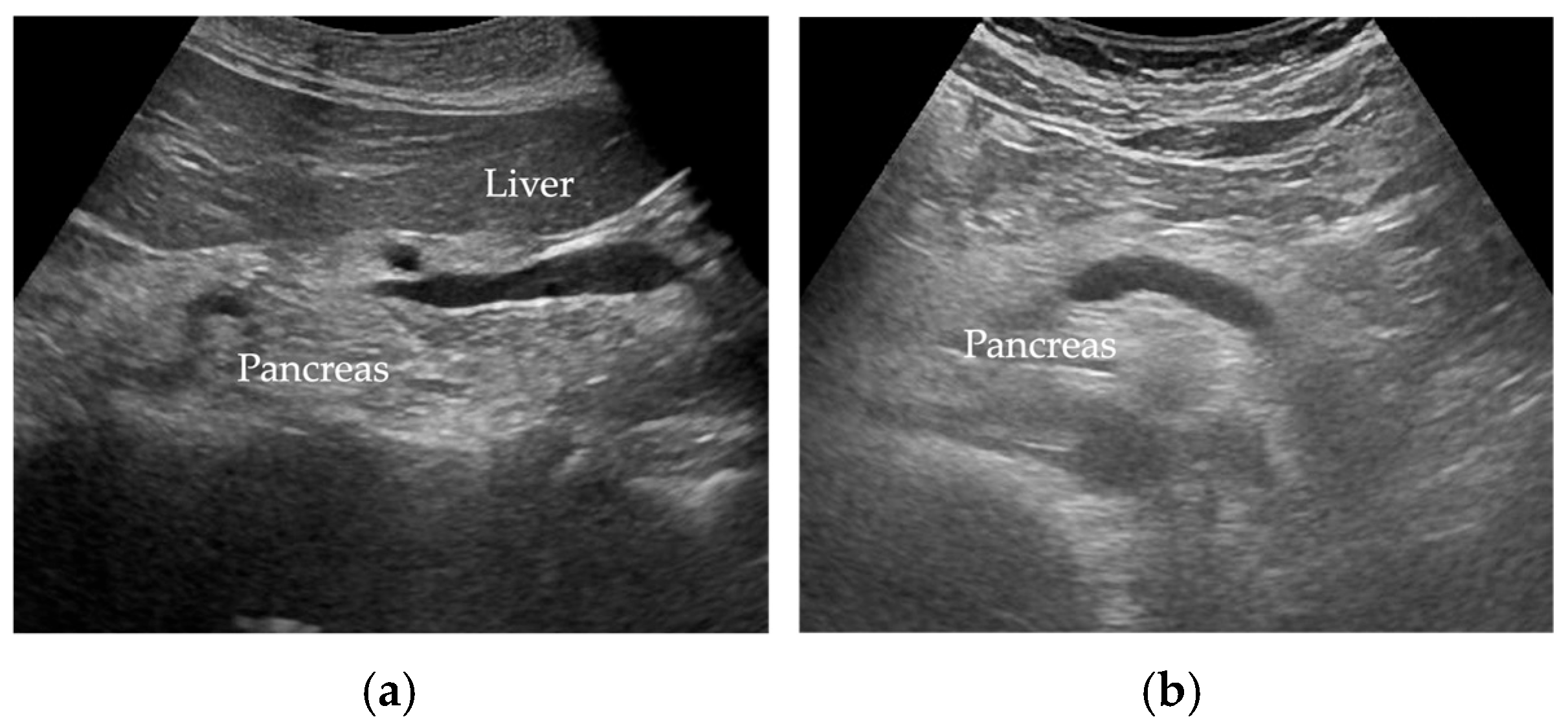
Pragmatically, this means you cannot judge reversal by how you feel because it is asymptomatic. You must use biomarkers. Repeat a non-contrast MRI or a dedicated pancreatic ultrasound at 12-month intervals. Look for a reduction in the pancreas-to-spleen signal intensity ratio. If you are losing weight and your fasting triglyceride levels drop below 100 mg/dL, you are likely reversing the ectopic fat. Do not wait for a diabetes diagnosis to start; the best time to reverse FIP is when your fasting insulin is still below 8 µIU/mL.
Is fatty infiltration of the pancreas the same as fatty liver disease?
No, and this is a critical distinction in clinical practice. Fatty liver disease (NAFLD) is hepatic steatosis; fatty infiltration of the pancreas is pancreatic steatosis. While they share the same root cause—caloric excess and insulin resistance—they are distinct pathophysiological entities. The liver has a high capacity for fat export via VLDL, so it can "flush" the lipids. The pancreas cannot. Therefore, the liver responds more quickly to dietary changes; you can deplete liver fat in 2-4 weeks on a low-carb diet. The pancreas takes 2-3 times longer. Furthermore, a fatty liver directly causes transaminitis (elevated liver enzymes), which is detectable in routine blood work, providing an early warning. The pancreas does not release specific enzymes until it's severely compromised, making FIP a "silent" condition.
The clinical implications differ too. Fatty liver is a strong predictor of cardiovascular disease. Fatty pancreas is a stronger predictor of new-onset diabetes and pancreatic cancer. A 2020 study in Gut showed that patients with FIP had a 2.5-fold higher risk of developing pancreatic ductal adenocarcinoma over 10 years, independent of BMI. So, while you treat both with lifestyle changes, the urgency is higher for FIP. You cannot assume that because your liver enzymes are normal, your pancreas is fine. You need specific imaging to differentiate the two.
I am lean and eat well. Why do I still have a fatty pancreas?
This is the most common frustration among my pragmatic readers. Lean individuals (BMI < 25) can have FIP due to a concept called metabolically obese normal weight (MONW). This occurs when your fat distribution is skewed toward visceral and ectopic storage, even without generalized obesity. The primary driver here is often chronic elevated cortisol. Stress, poor sleep, and overtraining activate the HPA axis, which releases cortisol. Cortisol upregulates lipoprotein lipase (LPL) in the visceral fat depots and pancreatic tissue, pulling circulating triglycerides into those cells. Additionally, you may have a genetic predisposition—certain PPAR-gamma gene variants increase de novo lipogenesis in peripheral organs.
Another overlooked factor is excessive alcohol even in moderate amounts. Alcohol is a direct pancreatic toxin and induces steatosis independent of caloric intake. It activates the sterol regulatory element-binding protein (SREBP) pathway, which synthesizes fat directly in the pancreatic cells. If you are lean but consume 2-3 drinks nightly, or you are a "weekend warrior" binge drinker, that is sufficient. Moreover, a high-protein, high-fat diet that is low in carbohydrates but high in saturated fat can still cause steatosis if the fat is hypercaloric. Track your calories for two weeks without judgment. If you are maintaining weight but have FIP, you are consuming more lipids than your oxidative capacity can burn, even if your weight is stable.
Does a fatty pancreas affect digestion, or just blood sugar?
It affects both, but digestive symptoms appear later and are more subtle. The exocrine pancreas produces about 1.5 liters of enzyme-rich fluid daily. In early steatosis, the acinar cells are distended with fat droplets, reducing their protein synthesis capacity. You might experience occult steatorrhea—fat in the stool that isn't visible to the naked eye but causes the stool to float, be sticky, or leave a residue in the toilet bowl. This is often dismissed as "normal." More concerning is the malabsorption of fat-soluble vitamins (A, D, E, K) which can lead to brittle hair, poor bone density, and impaired immunity.
However, the blood sugar impact is more immediate. The beta-cells are directly invaded by fat, causing what we call beta-cell apoptosis. A fatty pancreas has a blunted first-phase insulin response (the rapid burst of insulin released within 10 minutes of a meal). This leads to postprandial hyperglycemia—your blood sugar spikes 2 hours after eating, even if your fasting glucose is normal. To test this, wear a continuous glucose monitor (CGM) for two weeks. If you see spikes above 140 mg/dL after meals, your exocrine function is likely compromised too. Thus, you must address both ends: monitor amylase and lipase levels annually and check your stool elastase-1 to ensure you are digesting food properly. If elastase-1 is low, you need pancreatic enzyme replacement therapy (PERT) to reduce the toxic load on the remaining cells.
What is the quickest measurable way to track my progress?
You cannot rely on weight loss or waist circumference alone, as these are lagging indicators of ectopic fat. The most pragmatic, accessible biomarker is your fasting insulin and your triglyceride-to-HDL ratio. A TGL/HDL ratio above 2.0 indicates insulin resistance and ectopic fat accumulation. As you reduce pancreatic fat, your fasting insulin will drop. Aim to get it below 5 µIU/mL. This is a blood test you can order at any LabCorp or Quest without a doctor's prescription in most states. You do not need a DEXA scan for pancreatic fat; you need a blood test every 90 days to track the trend.

However, for the gold standard, request a Dixon MRI or an MRI-PDFF. It quantifies fat fraction with absolute precision. It costs between $300-$500 out of pocket. Do one baseline, then repeat at month 6. For a more frequent, home-based metric, use a bioimpedance scale that estimates visceral fat, but treat it with skepticism; it only tracks gross trends. Chart your daily fasting glucose with a glucometer. If you were pre-diabetic and your fasting glucose drops from 105 to 90 mg/dL, your pancreas is recovering. The most satisfying marker is a reduction in post-meal glucose excursion on a CGM. You shouldn't see a rise of more than 30 mg/dL from baseline 1-hour post-meal. If you do, the pancreatic fat is still attenuating insulin release.
How does sleep quality directly impact pancreatic fat storage?
Sleep is not merely rest; it is a metabolic state of lipid partitioning. When you are sleep-deprived (less than 6 hours), your body secretes more grehlin (hunger hormone) and less leptin (satiety hormone), but more critically, it reduces insulin sensitivity by 25% in a single night. This acute insulin resistance forces the pancreas to work harder, and if the tissue is already steatotic, the compensatory hyperinsulinemia drives more fat into the organ. A 2023 study in the Journal of Clinical Endocrinology found that participants restricted to 5.5 hours of sleep for 4 weeks had a measurable increase in pancreatic fat volume, despite no change in caloric intake.
Moreover, deep sleep (slow-wave sleep) is the period where your body performs lipolysis of visceral fat stores, breaking down triglycerides into free fatty acids for energy. If you have fragmented sleep, this process is inhibited, and circulating triglycerides remain high, promoting pancreatic uptake. To hack this, prioritize cold exposure before bed? No—the data points to stable blood glucose. Eat your last meal 4 hours before bed. A postprandial elevated insulin level at 10 PM blocks the nocturnal lipolytic signal. Target 7.5 to 8 hours of uninterrupted sleep. Do not drink alcohol 3 hours before bed; it reduces REM and slow-wave sleep, directly sabotaging the metabolic repair of your pancreas. Use a sleep tracker not for bragging rights but to optimize your deep sleep percentage above 20%.
Respecting the science of pancreatic steatosis is an exercise in metabolic humility. It forces you to recognize that your body is not a uniform container of calories but a network of specialized tissues with distinct vulnerabilities. The pancreas cannot negotiate; it can only accumulate or oxidize. When you perform the daily hack—choking down the vegetables, refusing the late-night cravings, lacing up for zone-2 cardio—you are not just burning calories. You are actively reprogramming the gene expression of your spindle cells, telling them to stop hoarding lipids and start performing their enzymatic duties. This is the purest form of biohacking: using behavior to manipulate molecular pathways that dictate your longevity.
The pragmatic benefit is exponential. Reducing pancreatic fat by 5% can improve your insulin sensitivity by 30%, which reduces systemic inflammation, which protects your arteries, your brain, and your joints. It is the efficient domino to tip. Each time you choose a meal that does not spike insulin, you are giving your pancreas a seven-hour respite to clear its intracellular fat. This isn't about denial; it's about optimization of your hardware. You are the architect of your metabolic dashboard. The data is available, the biomarkers are traceable, and the methodology is consistent. You now have the knowledge to look at a CT scan report that says "fatty infiltration of the pancreas" and not see a random misfortune, but a clear, solvable engineering problem.