Everything To Know About Anal
The human body is a complex and fascinating entity, with each part playing a vital role in our overall well-being. One aspect that has long been shrouded in mystery and misconception is the anal region. Our brains react to this topic with a mix of curiosity and apprehension, often due to societal norms and lack of education. However, it's essential to acknowledge the significance of this area in our physical and mental health. In modern times, there's a growing need to discuss and understand the psychological aspects related to anal health, as it directly impacts our self-esteem, confidence, and overall well-being.
As we delve into the realm of anal health, it's crucial to recognize that our minds play a significant role in shaping our perceptions and experiences. The brain-gut connection is a powerful force that influences our emotional state, cognitive function, and behavioral patterns. By exploring the psychological root of anal health, we can gain a deeper understanding of why our brains react to it in certain ways. This knowledge can empower us to break free from societal stigmas and personal anxieties, allowing us to embrace a more holistic approach to our well-being.
Uncovering Hidden Emotional Triggers
When it comes to anal health, there are several hidden emotional triggers that can affect our mental well-being. One common trigger is the fear of pain or discomfort, which can lead to anxiety and stress. This fear can be rooted in past experiences, societal norms, or lack of education. For instance, a person who has had a traumatic experience related to anal health may develop a deep-seated phobia or aversion to the topic. On the other hand, someone who has been misinformed about anal health may feel embarrassed or ashamed to discuss their concerns.
Another emotional trigger is the stigma surrounding anal sex or anal play. This stigma can lead to guilt, shame, or self-doubt, causing individuals to feel like they're abnormal or deviant. This can be particularly damaging, as it can prevent people from seeking help or discussing their concerns with healthcare professionals. By acknowledging and addressing these emotional triggers, we can begin to break down the barriers that prevent us from embracing a more open and honest approach to anal health.
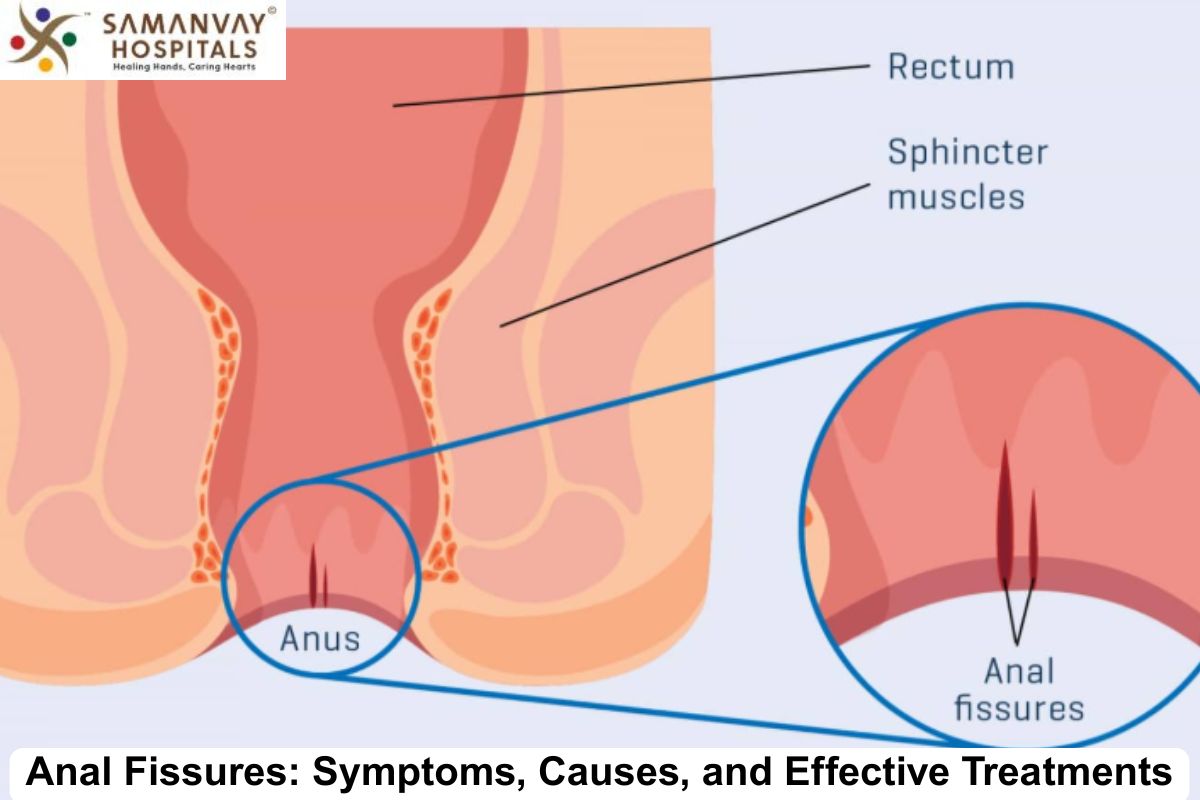
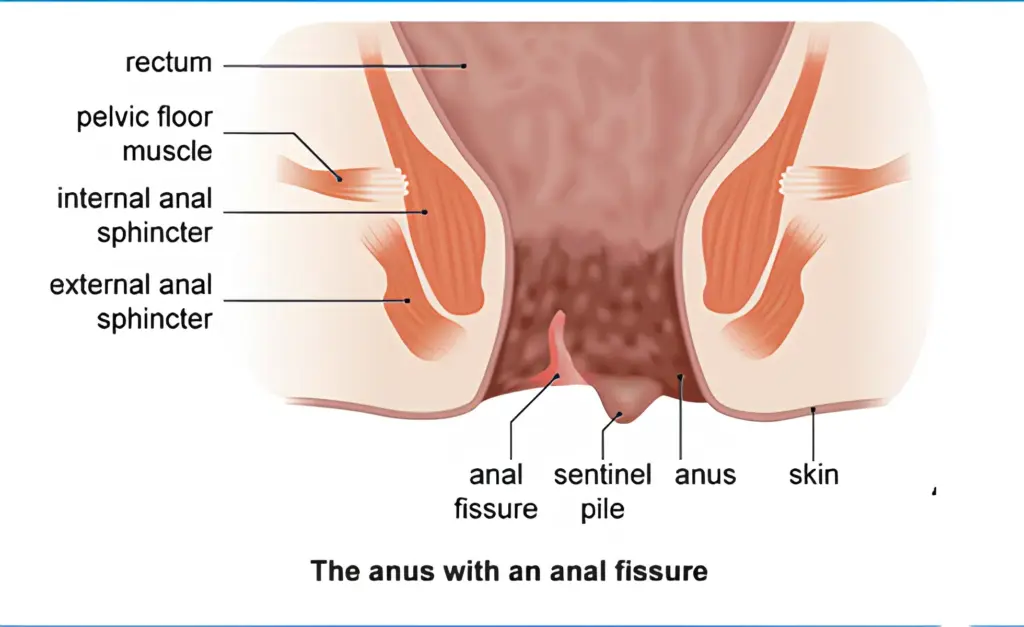
A vivid example of this is the story of Sarah, who had been struggling with anal fissures for months. Despite her discomfort, she felt too embarrassed to discuss her concerns with her doctor, fearing that she would be judged or lectured. It wasn't until she opened up to a trusted friend that she felt empowered to seek help and address her anal health concerns. This experience taught her the importance of communication and self-advocacy in maintaining good anal health.
Coping Mechanisms and Mindset Shifts
So, how can we cope with the emotional triggers and mental hurdles associated with anal health? One effective approach is to practice self-compassion and self-awareness. By acknowledging our thoughts and emotions, we can begin to challenge negative self-talk and reframe our perceptions. This can involve mindfulness techniques, such as meditation or deep breathing, to help calm our minds and reduce stress.

Another crucial step is to educate ourselves about anal health. By seeking out reliable sources and trusted healthcare professionals, we can gain a better understanding of our bodies and the importance of anal health. This knowledge can empower us to make
A step-by-step routine for maintaining good anal health can include practicing good hygiene, eating a balanced diet, and exercising regularly. Additionally, relaxation techniques, such as yoga or progressive muscle relaxation, can help reduce tension and stress in the anal region. By incorporating these habits into our daily lives, we can promote overall well-being and reduce the risk of anal health issues.
It's also essential to recognize that anal health is not just about physical health, but also about mental and emotional well-being. By prioritizing our self-care and self-love, we can cultivate a more positive body image and reduce anxiety related to anal health. This can involve practicing self-care rituals, such as journaling or creative expression, to help us connect with our bodies and emotions.
Frequently Asked Questions
What are the most common anal health issues, and how can I prevent them?
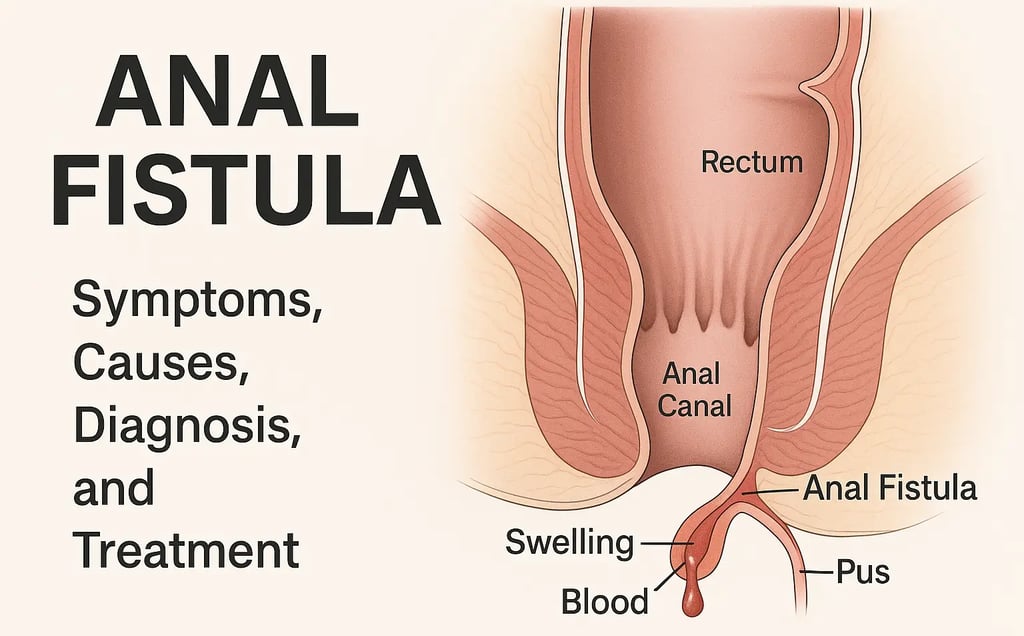
The most common anal health issues include hemorrhoids, anal fissures, and anal abscesses. To prevent these issues, it's essential to practice good hygiene, eat a balanced diet, and stay hydrated. Additionally, avoiding straining during bowel movements and taking regular breaks to stretch and move can help reduce the risk of anal health problems. By being proactive and educated about our anal health, we can take steps to prevent issues and promote overall well-being.

Preventing anal health issues also requires a holistic approach to our well-being. This involves managing stress, getting enough sleep, and exercising regularly. By prioritizing our physical and mental health, we can reduce the risk of anal health problems and promote a balanced lifestyle. Furthermore, staying informed about anal health and seeking help when needed can empower us to take control of our well-being and make
How can I overcome the stigma surrounding anal sex or anal play?
Overcoming the stigma surrounding anal sex or anal play requires a shift in mindset and a willingness to educate ourselves. By recognizing that anal sex is a normal and healthy aspect of human sexuality, we can begin to break down the barriers that prevent us from discussing our desires and concerns openly. It's essential to communicate with our partners and seek out trusted resources to help us navigate our feelings and desires.
A crucial step in overcoming the stigma is to practice self-reflection and self-acceptance. By acknowledging our own biases and prejudices, we can begin to challenge negative self-talk and reframe our perceptions. This can involve seeking out supportive communities or therapy to help us work through our emotions and develop a more positive body image. By embracing our sexuality and desires, we can promote a more open and honest approach to anal health and overall well-being.

What are the benefits of practicing anal self-care, and how can I incorporate it into my daily routine?
Practicing anal self-care can have numerous benefits, including reduced stress, improved overall health, and increased self-awareness. To incorporate anal self-care into our daily routine, we can start by practicing good hygiene, eating a balanced diet, and staying hydrated. Additionally, taking time to relax and unwind can help reduce tension and stress in the anal region.
Another way to practice anal self-care is to engage in activities that promote relaxation and reduction of stress. This can include yoga, meditation, or deep breathing exercises. By prioritizing our self-care and self-love, we can cultivate a more positive body image and reduce anxiety related to anal health. Furthermore, seeking out supportive communities or therapy can provide us with the tools and resources needed to maintain good anal health and overall well-being.
How can I communicate with my partner about anal health and desires?
Communicating with our partner about anal health and desires requires openness, honesty, and empathy. By creating a safe and supportive environment, we can feel comfortable discussing our desires, boundaries, and concerns. It's essential to listen actively and validate each other's feelings, recognizing that communication is key to a healthy and fulfilling relationship.
A helpful approach is to start with open-ended questions and engage in active listening. By asking our partner about their desires and boundaries, we can gain a deeper understanding of their needs and concerns. Additionally, practicing empathy and validating each other's feelings can help us build a stronger and more intimate connection. By prioritizing communication and mutual respect, we can navigate our desires and concerns in a healthy and positive way.

What are the long-term benefits of prioritizing anal health, and how can I maintain good anal health over time?
Prioritizing anal health can have numerous long-term benefits, including reduced risk of anal health issues, improved overall health, and increased self-awareness. To maintain good anal health over time, it's essential to stay informed and proactive about our health. This involves practicing good hygiene, eating a balanced diet, and staying hydrated.
A key aspect of maintaining good anal health is to stay consistent and committed to our self-care routine. By incorporating relaxation techniques, such as yoga or meditation, into our daily routine, we can reduce tension and stress in the anal region. Additionally, seeking out supportive communities or therapy can provide us with the tools and resources needed to maintain good anal health and overall well-being. By prioritizing our self-care and self-love, we can cultivate a more positive body image and reduce anxiety related to anal health.
As we reflect on our journey to understand and prioritize anal health, it's essential to recognize the profound impact it can have on our lives. By embracing a more open and honest approach to anal health, we can promote a more balanced and fulfilling human experience. This involves letting go of shame and guilt, and instead, embracing our desires and needs. By doing so, we can cultivate a deeper connection with ourselves and others, leading to a more authentic and meaningful life.
In conclusion, mastering the topic of anal health can lead to a more enlightened and empowered human experience. By prioritizing our self-care, self-love, and self-awareness, we can break free from the barriers that prevent us from discussing our desires and concerns openly. As we continue on this journey, it's essential to remember that everyone's experience is unique, and that communication, empathy, and understanding are key to promoting a more positive and inclusive approach to anal health. By embracing this mindset, we can create a more compassionate and supportive community, where everyone can thrive and live a more authentic and fulfilling life.