Essay Questions About Jose Rizal
Okay, let’s be real for a second. If you’ve ever sat down to write an essay about José Rizal, you know the feeling—it’s like being asked to explain why your favorite childhood blanket is so special to a room full of historians. You know it’s important, you feel the weight of it, but where do you even start without sounding like a walking textbook? It’s a unique kind of academic pressure, almost like trying to describe the flavor of water to someone who’s only ever drunk soda.
But here’s the thing: writing about Rizal isn’t about memorizing dates or reciting his biography like a robot. It’s about unpacking a guy who was basically the ultimate overachiever—a poet, a doctor, a novelist, and a part-time revolutionary who somehow found time to be a martyr. Think of him as the Filipino Renaissance Man who also had a side hustle in changing the course of history. And when you’re staring at a blank screen, the essay questions about him can feel less like prompts and more like tiny, intimidating riddles thrown at you by a mischievous professor.
The “What Would Rizal Think?” Trap
You’ll inevitably hit a question like, “How would Rizal address modern-day corruption?” And suddenly, you’re not writing an essay; you’re trying to imagine a 19th-century genius reacting to social media trolls. It’s like asking your lola to explain TikTok—there’s a disconnect, but you also know he’d probably have some scathing commentary. The best approach? Don’t try to be a mind-reader. Instead, pull from his own writings, like Noli Me Tangere, and show how those themes—abuse of power, hypocrisy—are eerily familiar today.
Must Read
This is where the funny comparison kicks in: Rizal was basically the original whistleblower, except his “Twitter” was a novel that got him exiled. When you write, imagine you’re telling a friend why his observations still hit like a brick wrapped in velvet. You can say, “Look, if Rizal saw a corrupt politician today, he wouldn’t just tweet about it—he’d write a sequel that would take years to ban.” That’s the kind of casual, relatable angle that makes your essay pop.
The “Hero vs. Writer” Dilemma
Another classic prompt is, “Was Rizal more effective as a writer or as a revolutionary?” This one’s a doozy, like asking whether your dad is a better cook or a better driver—he’s fine at both, but you only trust him on one. The trick here is to avoid picking a side like it’s a schoolyard brawl. Instead, argue that his pen was his real weapon, and his actual revolution happened in the minds of his readers. He didn’t need a sword; he had a printing press, which is way more dangerous for a colonial government.
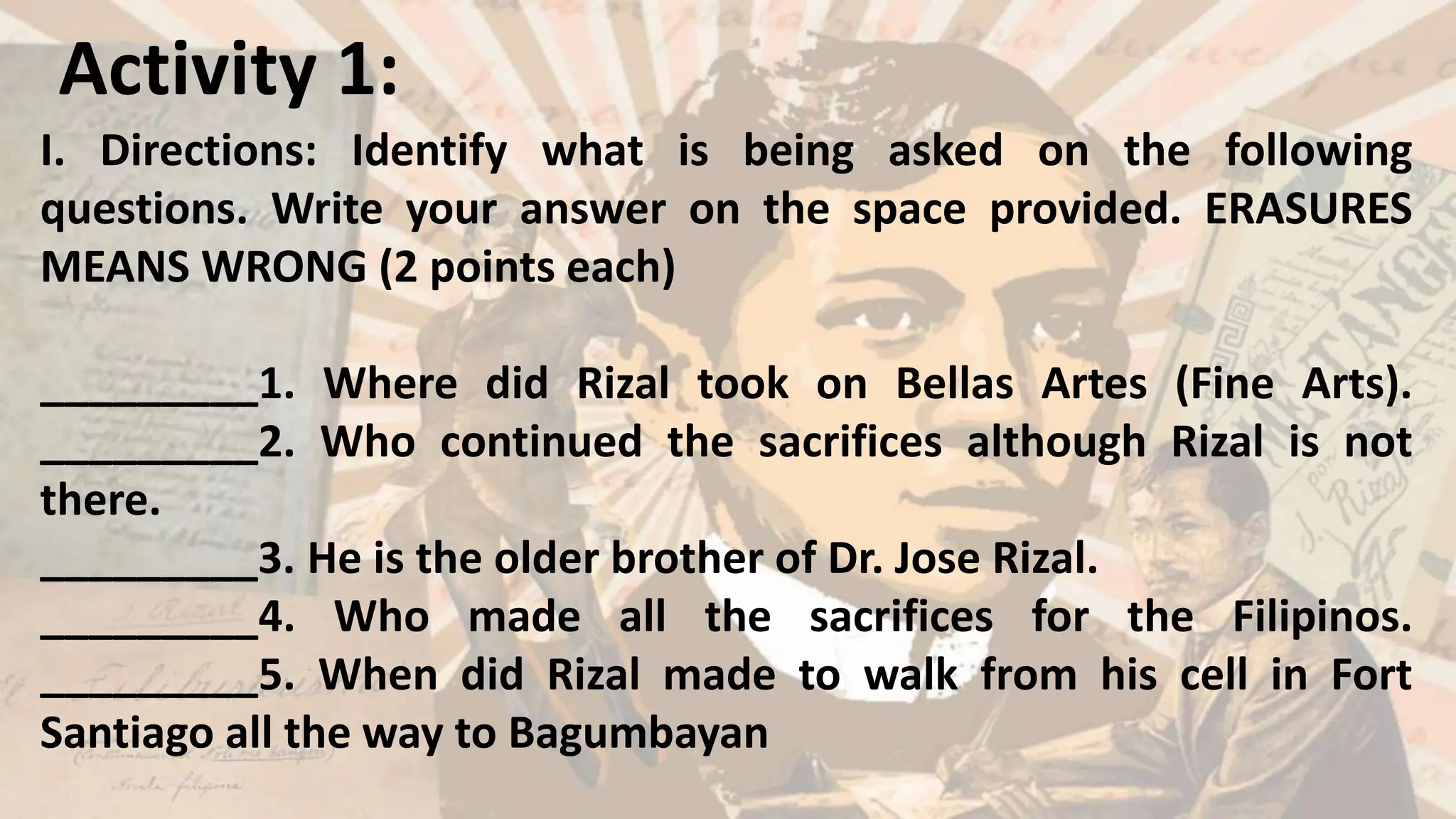
You can even joke that Rizal’s writing was the 19th-century equivalent of a viral thread that gets you banned from the platform. He didn’t start the fight with bullets, but with words, and those words are still echoing. For your essay, focus on how his literary works—especially the ones that got him in trouble—were the real bang. It’s not about whether he fired a gun; it’s that he so thoroughly roasted the friars that they had him killed for it. That’s some next-level “read for filth” energy.
Dealing With the “Personal Reflection” Questions
Then come the sneaky ones: “What does Rizal’s life mean to you?” These feel like a pop quiz in a class you forgot to attend. Your immediate instinct is to write something grand and heroic, but honestly, it’s more honest to start with a small, relatable point. Maybe you admire his struggle to balance family expectations with his own calling—hello, every graduate with a degree they didn’t want. Or perhaps you relate to his failures; he wasn’t a perfect saint, and he had a messy love life, which makes him more human than a marble statue.
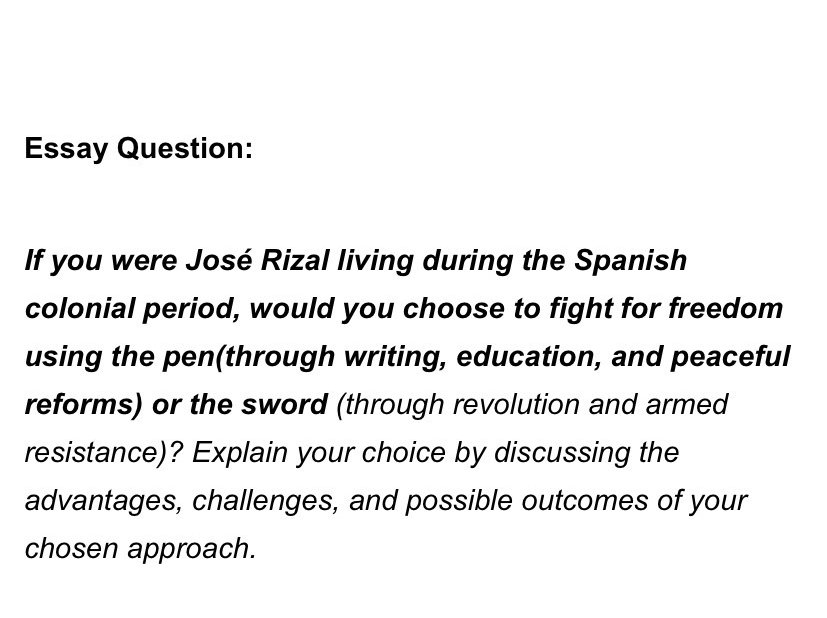
Here’s the laugh-out-loud truth: Rizal was a bit of a serial heartbreaker, and his love life was a telenovela. So, when an essay asks for personal meaning, don’t shy away from saying, “I respect that he kept trying despite getting rejected and exiled—honestly, that’s just like my last three job applications.” This kind of comparison makes the essay yours, and it’s way more memorable than a dry, generic tribute.
The “Compare and Contrast” Head-Scratcher
The worst offenders are the comparison prompts, like “Rizal vs. Bonifacio.” This is the historical version of an “Apples vs. Oranges” debate, and it makes your brain sweat. You’ll feel pressured to declare a winner, which is a classic mistake. Instead, use a chill approach: treat them like two different roommates. Rizal is the one who writes a strongly-worded letter to the landlord, while Bonifacio is the one who organizes a rent strike. Both are necessary, and you might just say that we need both the intellectual and the action-oriented guy to get anything done.
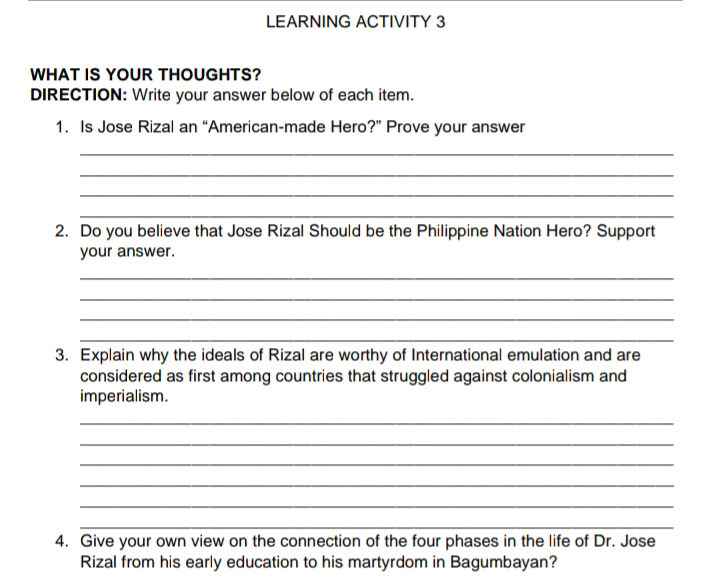
This playful angle disarms the tension. You can write, “If Rizal was the strategic planner of the group project, Bonifacio was the one who actually stayed up all night to finish the slides.” It’s a silly analogy, but it makes the academic argument stick. You aren’t dumbing it down—you’re making it smart in a way people nod along to.
In the end, essay questions about Rizal aren’t about getting the “right” answer. They’re about showing that you can take a historical figure and riff on him like he’s a meme. You’re allowed to be playful, to make mistakes, and to connect his 19th-century struggles to your 21st-century procrastination habits. So, next time you see that question prompt, don’t panic. Just channel your inner Rizal, take a deep breath, and remember: even he probably had to edit his drafts a hundred times before he got them right.