Enzyme Cleaner For Cat Urine Petco

Let’s be honest: if you share your home with a feline overlord, you’ve probably played the sniff-and-hunt game. You know the one—you walk into a room, catch a whiff of something distinctly ammonia-ish, and immediately start suspecting every potted plant and corner. The culprit is usually a stressed-out kitty, a territorial rebel, or a senior cat with a tiny bladder grudge.
Before you reach for the bleach or, worse, the ammonia-based all-purpose spray, pause. You’re about to make the single most common mistake in cat-parenting history. Bleach doesn’t break down the uric acid crystals; it just masks them for a day until they return with a vengeance, smelling stronger and more enticing to your cat.
That’s where the modern miracle worker comes in: enzyme cleaner. And conveniently, your local Petco shelf is basically an apothecary for this exact emergency. Let’s dive into why this stuff is the secret sauce for a fresh-smelling home.
Must Read
The Science of the Stink (And the Magic of Enzymes)
Think of cat urine as a stubborn little time capsule. The culprit is uric acid, a compound that doesn’t dissolve in water and can stay active for years. Standard cleaners just wipe the surface, leaving the crystals embedded in your carpet fibers or hardwood floor gaps.
Enzyme cleaners, however, are like tiny, hungry Pac-Men. They contain specific biological proteins (protease and urease) that literally eat the uric acid, breaking it down into carbon dioxide and ammonia gas that evaporates harmlessly. It’s not a cover-up; it’s a full-on biological demolition.

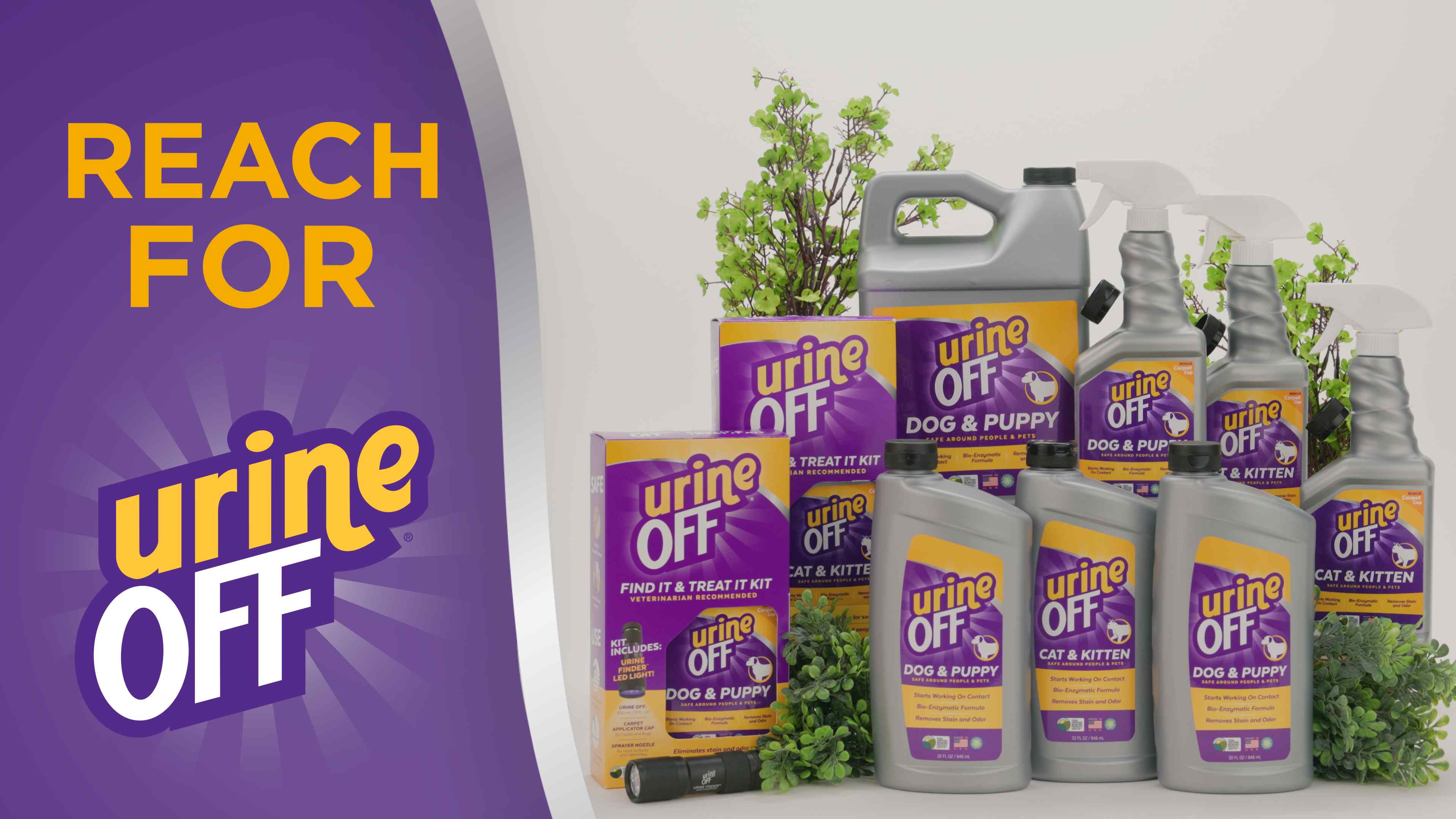
When you shop at Petco, you’ll see brands like Nature’s Miracle or Rocco & Roxie staring back at you, all promising that "stain and odor" elimination. They aren’t lying. The key is to look for the words “enzymatic” or “bio-enzymatic” on the label—anything else is just perfumed water.
Why Petco is Your Best Friend in This Crisis
There’s something reassuring about walking into a Petco with a stained throw pillow under your arm (or a frantic look on your face). The staff won’t judge you; they’ve seen worse. They’ll point you to the cleaning aisle like a sommelier recommending the perfect wine for a dinner disaster.
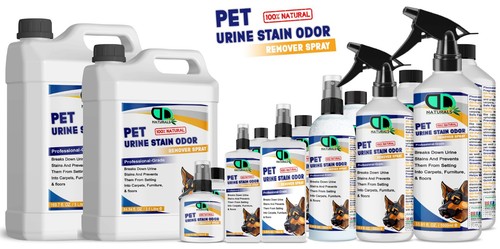
The beauty of buying there is the sheer selection. You can grab a spray bottle for quick touch-ups, a jug of concentrate for deep-cleaning your washing machine, or even a foaming cleaner for vertical surfaces. It’s a one-stop shop for your accidental biohazard zone.

Pro tip: Don’t forget to check the “Dog” section for the same active ingredients, but honestly, cat-specific formulas are usually stronger because feline urine is famously more concentrated. Also, grab a blacklight flashlight while you’re there—it’s the detective tool you never knew you needed.
The Golden Rules of Enzyme Cleaning (Read This Before You Spray)
First, soak, don’t spritz. You need to saturate the spot completely, reaching the padding underneath if possible. Enzymes can’t work on dry, crusty crystals; they need a moist environment to activate their digestion powers.
Second, patience is not just a virtue; it’s a requirement. You must let it air-dry for 24 to 48 hours. Resist the urge to blot it dry with a towel after ten minutes. The longer it stays wet, the more time the enzymes have to party and break down the waste.
Third, forget the “wet vac” for the initial soak. Let it dwell. If you have to walk on it, cover it with a plastic bag and some cute tape to keep the area off-limits. Think of it as a crime scene you’re letting the CSI team process overnight.
Fun Fact: The Sniff Test Trick
After it's dry, don't just trust your nose—trust your cat’s. If you can’t smell it, but your cat keeps returning to the spot, she can still detect the residual uric acid. That’s why you should always use a blacklight to check for invisible spots you missed. Once the glow is gone, you’re officially forgiven.
Also, a bit of cultural trivia: in ancient Rome, urine was prized for its ammonia content and used for laundering togas. You’re effectively doing the opposite—using modern science to banish that ancient stink. Progress, people.

When Life Gives You Lemon... Use Enzyme Cleaner
Look, cats aren’t out to get you. They’re just tiny, furry creatures with strong opinions and sensitive noses. An accident is often a cry for help—maybe a dirty litter box, a new pet, or a weird shadow on the wall. Solving the why is as important as fixing the where.
But for the immediate moment, grab that bottle from Petco, liberally douse the offending area, and walk away. Let science handle the grunt work while you go pet your cat and apologize for being so smell-blind.
In the grand scheme of life, a little pee on the rug is just a messy footnote. What matters is that you show up with the right tools, a little patience, and a sense of humor. Because tomorrow, that spot will be gone, and you’ll just have a funny story about the time you became an expert in enzymatic hydrolysis. And honestly? That’s a pretty cool skill to have up your sleeve.