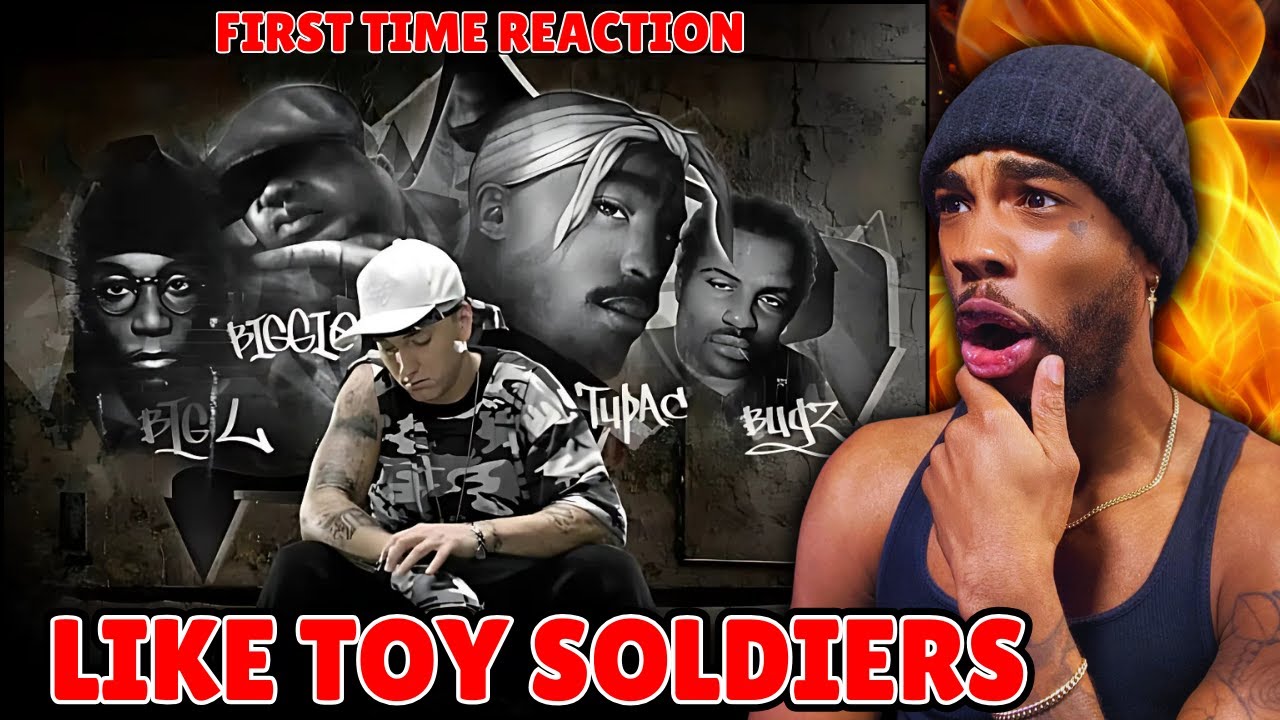
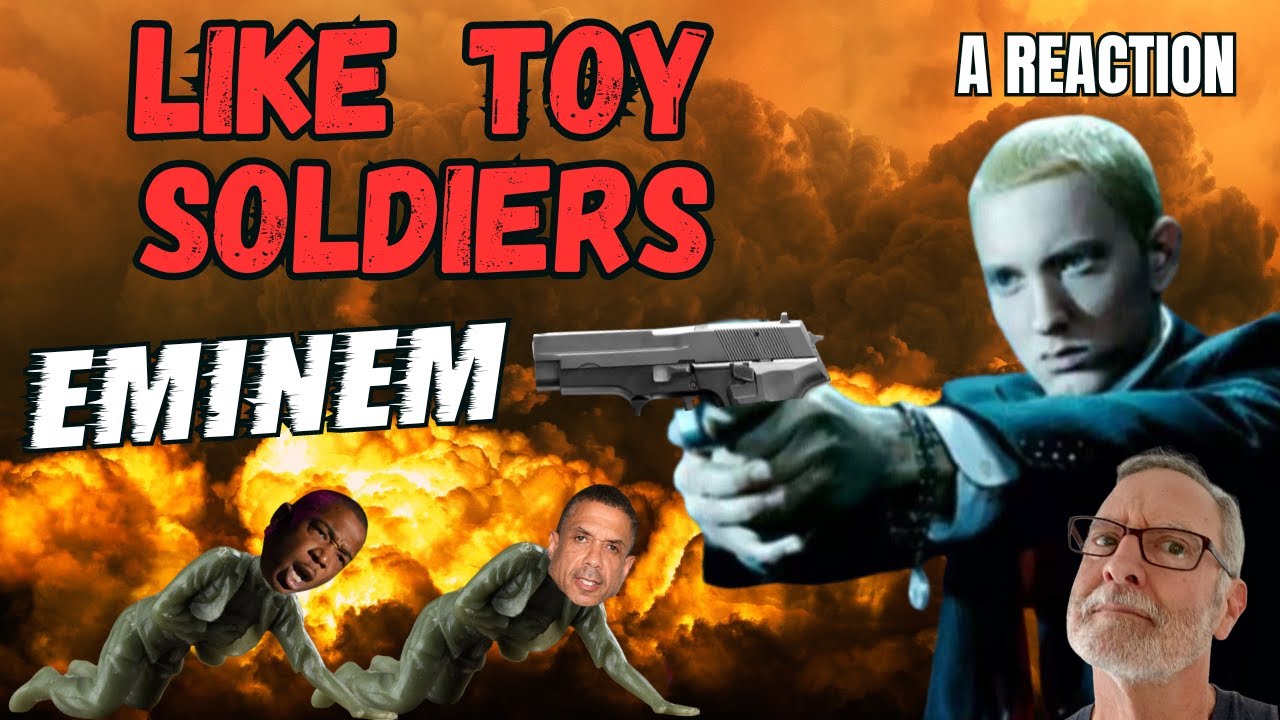
Eminem Like Toy Soldiers Reaction

Okay, so picture this: it’s 2003, and I’m fourteen, sitting cross-legged on my bedroom floor with my oversized headphones on. My older cousin, the one who thought he was the gatekeeper of all things cool, had just burned a CD for me. He said, “You have to hear this, but like, actually listen to it,” and then he hit play on “Like Toy Soldiers.”
I was expecting another “Lose Yourself” banger, you know, the adrenaline-pumping, window-down, invincible kind of vibe. Instead, I got this haunting, sampled piano loop that felt like it was pulling the floor out from under me. And then Eminem started talking—not rapping, but pleading—about his friends dying and his own stupid beefs.
I didn’t move for four minutes. I just sat there, staring at the posters on my wall, feeling like I’d just walked in on a private conversation I wasn’t supposed to hear. That’s the moment I realized Eminem wasn't just a shock-jock with a sharp tongue; he was a guy carrying a weight so heavy that even his bravado couldn’t hide the cracks.
Must Read
The Sound of a White Flag
Fast forward to now, and I still get chills when that first verse kicks in. “Like Toy Soldiers” isn’t just a song; it’s a public surrender dressed up in an absolutely gorgeous beat. It’s the sound of a general realizing that the war he started has already taken too many casualties, and the victory isn't worth the bodies.
What gets me every single time is the context. This was peak Eminem, fresh off the 8 Mile victory lap, sitting on top of the rap world. He had the lyrical skills to murder anyone in a freestyle, and the commercial power to make his enemies disappear. So why write a song that basically says, “Hey, let’s stop this before you and I end up dead”?
Because he saw the futility. He watched his friend Proof get dragged into his mess, and he saw the domino effect of beefs that started over a mixtape or a joke. The line about “having a talk with Proof” and saying he’s “gonna stop all this” is so raw because you can hear the fear in his voice—fear for his friend’s life, not his own.
The Irony That Stings
Here’s the kicker, and this is the part that makes my heart sink every time I read about it. The song was supposed to be a ceasefire, a mature step away from the violence that plagued hip-hop. But just three years later, Proof was shot and killed at a Detroit club. The very guy he wrote the song for, the guy he was trying to protect from the crossfire… he was gone.
So, the song becomes this bizarre, sad artifact. It’s a warning that went unheeded by fate. You listen to the track now, and it doesn’t feel like a warning anymore; it feels like a eulogy written in advance. Does that make the song heavier for you too? I swear, I can’t hear “there’s gonna be a lot of sour faces” without feeling a lump in my throat.

It’s ironic, right? Here’s a guy who built his career on shock value, on pushing buttons and being the “bad guy,” and his most impactful song is the one where he begs for peace. It’s like the whole idea of the “Angry White Man” persona just melts away, and you’re left with a dude who’s just tired. Tired of looking over his shoulder, tired of losing friends, tired of the game.
The “Daddy, I’m Sorry” Effect
And let’s not forget the chorus, the sample from Martika. It’s so soft, almost childish, and that contrast is what makes it brilliant. You have this hardcore rapper, the guy who talked about killing his wife’s new boyfriend, singing along to a pop melody about stepping back from the edge. It’s disorienting, but it’s perfect.
For me, the real hook is the internal conflict. He mentions “Daddy, I’m sorry,” which is a direct nod to his daughter, Hailie. He’s realizing that his legacy might be a shadow that falls on her. That’s the moment where the “rapper” disappears and the father shows up. He’s not worried about his street cred; he’s worried about what his daughter will think when she grows up and reads about all the bodies.
That’s the part that makes it a timeless reaction piece. It’s not just about rap beefs; it’s about the moment you realize that your actions have collateral damage. Whether you’re in a rap war or a Twitter feud, eventually you have to look at the people you love and ask if the victory is worth the wreckage.
You can almost see him in the booth, hands on his head, realizing that he’s become the very thing he used to mock. He’s the puppet master, but the strings are pulling him into the dirt.
Why We Still React
Every time a new generation discovers this track, they react the same way I did: with silence. It’s not a song you put on to get pumped up; it’s a song you put on to process something. It’s proof that vulnerability is often louder than aggression. In a world of diss tracks and clap-backs, “Like Toy Soldiers” stands as this weird monument to maturity.
It’s a lesson in how to lose gracefully, or better yet, how to walk away. Eminem didn’t “win” the beef by releasing this; he won by outgrowing it. That’s the real flex, isn’t it? To be so secure in your skills that you can say, “I’m done,” and walk off the battlefield without looking back.
So, the next time you listen to it, don’t just hear the beat or the flow. Hear the exhaustion. Hear the plea. And maybe, just maybe, think about the last time you had to lay down your arms in an argument, just to save the people you care about from the shrapnel. It’s heavy, man. But it’s real—and that’s why, even after all these years, it still hits like a ton of bricks.