
Eat Clean Bro Vs Kettlebell Kitchen
In the modern fitness landscape, we no longer just sweat; we optimize. We track our macros with the obsessiveness of a Renaissance scholar, and we view our lunch not as a meal, but as a critical piece of performance machinery. This shift has given rise to a fascinating culinary arms race: the rise of the "meal prep delivery" service. Among the titans of this industry, a fierce rivalry has emerged, pitting the Jersey-born grit of Eat Clean Bro against the strictly utilitarian, science-backed precision of Kettlebell Kitchen. It’s a clash of philosophies, a battle between the bro-hemian hustle and the algorithmic dietitian, and it’s changing the way we think about Tuesday night dinner.
Born from the paleo diaspora of the early 2010s, these services promised a refuge from the SAD (Standard American Diet) and the tyranny of the drive-thru. Yet, they are not the same beast. One is a culinary comfort blanket infused with chipotle aioli; the other is a lab-tested protocol designed for metabolic efficiency. Choosing between them is not just about picking a meal; it’s about deciding who you are at your core—a foodie who lifts, or an athlete who eats. Today, we dissect the nuance, the sodium levels, and the cultural zeitgeist of these two prep giants to see which one deserves a permanent spot in your fridge’s top shelf.
The Gastronomic Identity: Comfort Food vs. Clinical Fuel
Let’s get the fun fact out of the way first: the term "Bro" in Eat Clean Bro isn’t just slang; it’s a lifestyle. Founder David Dossantos started the company out of his parents' garage, surviving on a shoestring budget while trying to balance a college workload and a rigorous bodybuilding regime. The result is a menu that reads like a cheat sheet for a frat house with a nutrition degree—think Buffalo Chicken Meatloaf, Bourbon Glazed Meatballs, and Smothered Pork. The psychology here is deeply rooted in the idea of healthy indulgence. They aren't selling kale; they are selling the idea of kale, lightly sautéed in bacon fat. This is the "Bro" approach: it’s a rebellion against the rabbit food stereotype of dieting, proving you can eat like a hungry linebacker and still shed fat.
Must Read
Kettlebell Kitchen (KBK), on the other hand, operates with the cold, precise logic of a Swiss watchmaker. Their branding lacks the machismo; it’s clean, white, and sterile. This is a service born from the CrossFit box, where performance is measured in Fran times and load tolerance, not in Sauce Piquante levels. Their menu is a masterclass in restraint—think Lemon Herb Chicken with Quinoa Pilaf or Teriyaki Glazed Salmon with Sesame Veggies. The cultural impact here is the "Zone Diet" legacy; KBK meals are engineered to keep blood sugar stable, preventing the dreaded 3:00 PM crash. This is the quiet luxury of eating with intent. It appeals to the person who views food as a component, not a celebration.
This distinction creates a psychological fork in the road. If you are eating to suppress hunger while enjoying a guilty pleasure, Eat Clean Bro wins the dopamine battle. But if you are eating to enhance a specific physical outcome—like a marathon PR or a bodybuilding cut—KBK offers a more predictable, data-driven template. The dark fun fact here is the sodium ratio. A heavy-hitter Bro meal can push past 1,100mg of sodium, which is fine for a heavy sweater, but a potential bloat-fest for the office worker. KBK consistently hovers around 600-800mg, making them the safer bet for blood pressure, but often sacrificing the savory punch that makes us look forward to lunch.
Navigating the Logistics: Cost, Convenience, and the "Cheat" Factor
Let’s bring this down to the practicalities of your busy life. You’re juggling a career, a social life, and a gym membership. You have roughly eight minutes to eat before a Zoom call. Here is where the rubber meets the road. Eat Clean Bro generally offers a better price-per-pound value. Their portions are generous—often bordering on excessive—which is excellent for the hungry athlete, but can be a calorie bomb for a smaller individual trying to maintain a lean weight. Their subscription model is flexible, but their delivery windows can feel a bit "conveyor belt," often arriving with the mechanical efficiency of a freight train but lacking in finesse.
Kettlebell Kitchen, conversely, is the premium option. The portion control is meticulous; you will likely never have a leftover half-pound of food staring at you accusingly. Case Study: A 35-year-old female executive trying to build lean mass while working sixty-hour weeks. On Eat Clean Bro, she found the chicken was juicy and flavorful, but she had to split every meal into two sittings, which threw off her macro timing. Switching to KBK, she found the 3oz protein portions perfectly aligned with her 2pm refuel, and the vegetable variety (broccoli rabe, red cabbage) offered a micronutrient density she wasn't getting before. It was a quieter, more sustainable energy.
But there is a cultural caveat: the "Cheat Factor." Eat Clean Bro actively embraces this. Their "Cheat Meal" category is famous, offering wings and brownies under the guise of a "refeed." This is psychologically brilliant—it keeps you in the program because you don't feel deprived. Kettlebell Kitchen has no such category. They offer "Performance Breakfasts" and "Snacks," but they are devoid of the cheeky language of transgression. For the 20-something male, the Bro's "Cheat Meal" is the saving grace that prevents a midnight run to Taco Bell. For the 40-something executive, the word "Cheat" implies a moral failing, and KBK’s neutral language feels less judgmental and more professional.
The actionable takeaway here is to audit your why. If your motivation is waning and you are prone to boredom eating, the variety and flavor bomb of Eat Clean Bro will keep you on the wagon. If your motivation is laser-focused on a competition or a specific health marker (like LDL cholesterol), the predictable formula of Kettlebell Kitchen takes the guesswork out of the equation. Don't look at the price tag; look at your brain profile. Are you a hedonist in recovery? Or a stoic in training?
Decoding the Menu: Ingredients, Sourcing, and the Hidden Agenda
We must talk about the actual food—the raw materials. Eat Clean Bro brags about "no hormones, no antibiotics," but their ingredient labels often reveal the presence of canola oil and sugar in the sauces. It’s not a dirty secret, but it is a reality of making food taste good at scale. The "Bro" philosophy leans heavily on the Maillard reaction—that browning of meat that creates umami bombs. They get high marks for texture; their beef is rarely dry, a feat when mass-cooked in a commissary kitchen.
Kettlebell Kitchen is stricter on the sourcing side. They feature more organic leafy greens and lean proteins like ground turkey and cod. Their oils are largely avocado or olive. However, the trade-off is dry texture. A reheated KBK chicken breast can sometimes feel like a rubber eraser if you don't follow their heating instructions to the letter (which require a touch of water, a detail many people skip). This is the hidden agenda: KBK assumes you are a competent kitchen technician. Eat Clean Bro assumes you have a microwave and a pulse.

For the purist, the question comes down to seed oils. If you are militant about avoiding industrial seed oils, Eat Clean Bro will be a minefield. The "Bro" does not shy away from a mayo-based dressing. Kettlebell Kitchen is far easier to align with a Paleo or Whole30 lifestyle. Yet, here’s the modern wrinkle: the expense. KBK’s "clean" label often comes with a 20% premium over the Bro. You are literally paying for the label "Certified CrossFit Fuel." Whether that is worth it depends entirely on your tolerance for reading the fine print on a nutrition label. In blind taste tests, Bro wins for flavor, but KBK wins for post-meal mental clarity.
Frequently Asked Questions: The Final Verdict
1. Can I sustain a cut (fat loss) using Eat Clean Bro?
Yes, but you have to be a detective. The menu is carb-heavy and sauce-heavy, making it easy to blow past your calorie target. You need to stick strictly to their "Lean" portions and resist the allure of the Smothered Chicken. Many clients have successfully cut on Bro, but they often report needing to eat only half the plate and saving the rest for later, effectively turning one meal into two. This works if you plan strategically, but it is a mental tax.
Kettlebell Kitchen, on the other hand, is a cut-friendly machine. Their calorie counts are painfully accurate, and their macros are balanced to avoid insulin spikes. You can literally eat their "Lean" menu three times a day and hit a 1,600-calorie target plus a protein shake. The downside is a potential lack of satiety—you might feel hungry an hour later because the volume of food is smaller. Thus, for a cut, Bro requires willpower, while KBK requires heartiness.
2. Which service is better for building muscle mass?
For pure hypertrophy, Eat Clean Bro has the edge. Their portions are generous, and the higher fat and sodium content actually aids in joint lubrication and hormone production when you're lifting heavy. The "Cheat" meals also provide the glycogen depletion refill that serious lifters crave. You’ll feel stronger on Bro, but you might look fluffier.
Kettlebell Kitchen is better for "lean gains" or the "toned" look. Their higher protein-to-fat ratio supports muscle synthesis without the water retention. However, those looking to push major mass might struggle to eat enough volume, and the clean nature of the food can make them feel underfed after a heavy squat session. If you are a powerlifter, Bro. If you are a physique athlete, KBK.
3. Are the meals truly clean, or is it marketing?
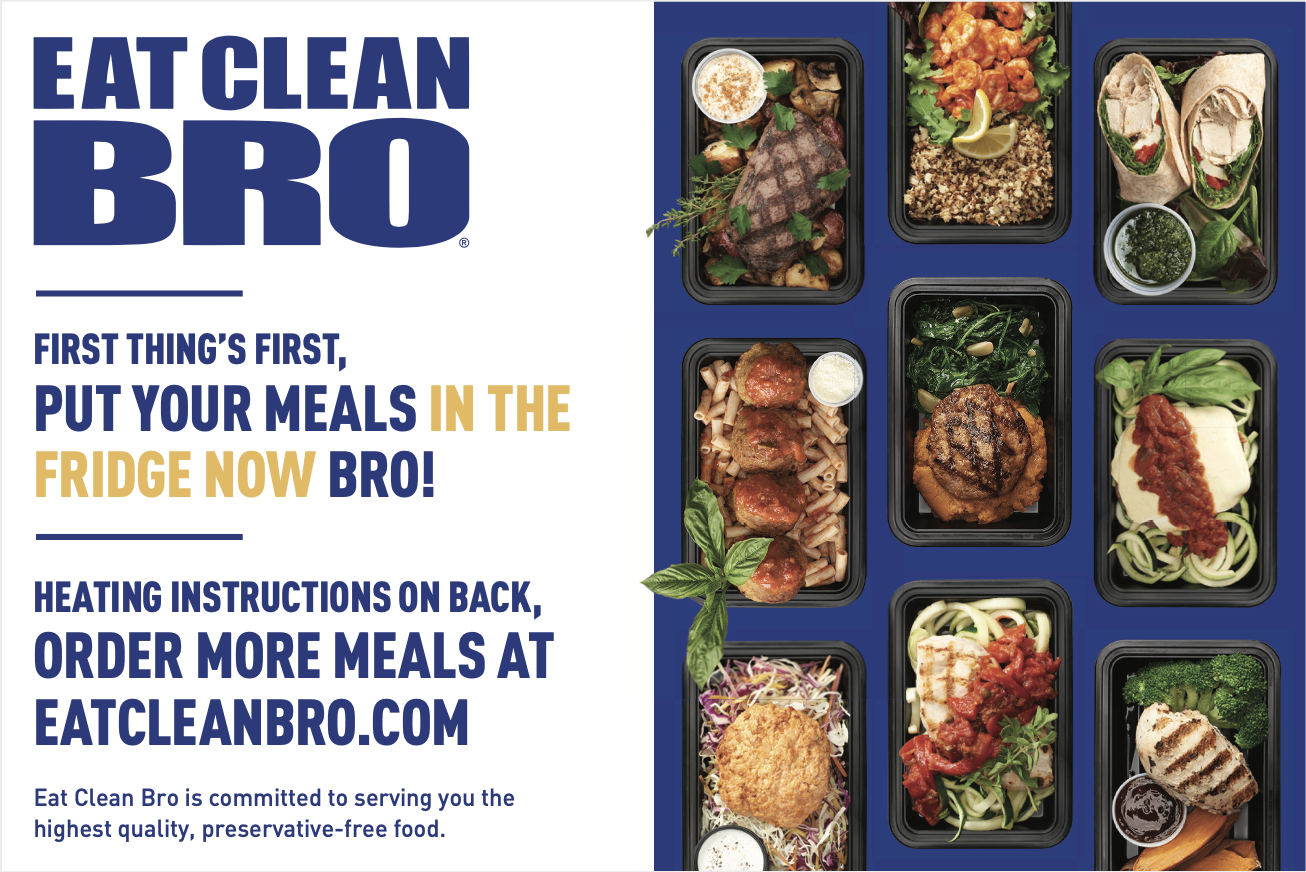
"Clean" is a nebulous term. Eat Clean Bro uses minimally processed meats, but their sauces contain refined sugar and natural sweeteners, which some consider "dirty." They fit the "practically clean" category—like a restaurant that fries with peanut oil but calls it "artisan." It’s marketing, but with a wink.
Kettlebell Kitchen is closer to the clinical definition of clean. Their lists are shorter, with fewer chemical additives. They are the "pharmaceutical grade" version. However, the act of eating a plastic-packed meal is, in itself, a form of processed convenience. So, technically, neither is "clean" in the way cooking from scratch at home is. But KBK is the safest bet for avoiding inflammatory ingredients.
4. Which service handles dietary restrictions better (gluten-free, dairy-free)?
Kettlebell Kitchen is the undisputed champion here. Their entire infrastructure is built around allergen separation, and they offer wide array of gluten-free options that are actually free of cross-contamination. They are very friendly to the dairy-free athlete, using nut-based sauces.
Eat Clean Bro is less reliable. While they label items GF, there is a high risk of cross-contamination in their bustling kitchens. Their cheese content is high, and their "dairy-free" options often feel sparse and boring. If you have celiac disease or a severe allergy, Napkin, go with Kettlebell Kitchen. The Bro is for the "avoidant but not allergic" crowd.
5. Is the packaging sustainable?
Here’s the dark fun fact: Eat Clean Bro historically used heavy plastic trays with tear-off lids, which are recyclable in theory but often end up in landfills due to food residue. Their commitment is pragmatic, but not deeply green. They focus on getting the food to you cold, not the environment.
Kettlebell Kitchen has made strides in using polyethylene trays that are fully recyclable, and their shipping boxes are trimmed to reduce weight. They edge out the Bro in terms of environmental consciousness, though neither service is carbon-neutral. If your conscience matters, you might end up spending extra for KBK's slightly greener footprint, but even that is a marginal difference in the grand scheme of plastic waste.
Examining our dietary choices reveals a deeper narrative about control and self-care. The meal prep industry tells us we are busy, so we delegate the burden of nutrition. Choosing Eat Clean Bro is an act of self-forgiveness; it’s accepting that you are a human who likes flavor and comfort, and that’s okay. It acknowledges the inner hedonist who just needs a little structure to stay out of the drive-thru. Choosing Kettlebell Kitchen is an act of self-discipline; it’s a meditative practice of choosing function over fleeting taste, a daily affirmation that your body is a temple, not a theme park.
We are constantly bombarded with the idea that eating right must be a punishment. These services offer a reprieve from that. The Bro’s success lies in making healthy eating feel less like a sacrifice; KBK’s success lies in making performance feel achievable. We oscillate between these two desires—the craving for a warm, messy meal and the desire for a lean, rifled physique. The truth is that both are valid. The modern fitness journey is not a straight line; it’s a dance between indulgence and rigor.
In the end, the "winner" is you. You are taking control of your fuel source, which is more than most of the population can say. Whether you are smearing extra buffalo sauce on a Bro chicken breast or measuring out your KBK almonds with clinical precision, you are engaging in a ritual of self-improvement. The shimmer of novelty eventually fades, and what remains is habit. Choose the habit that you can live with for a decade, not just a week, because that is where the true transformation happens—not in the gym, but in the quiet consistency of the kitchen.


