During Sex How To Last Longer
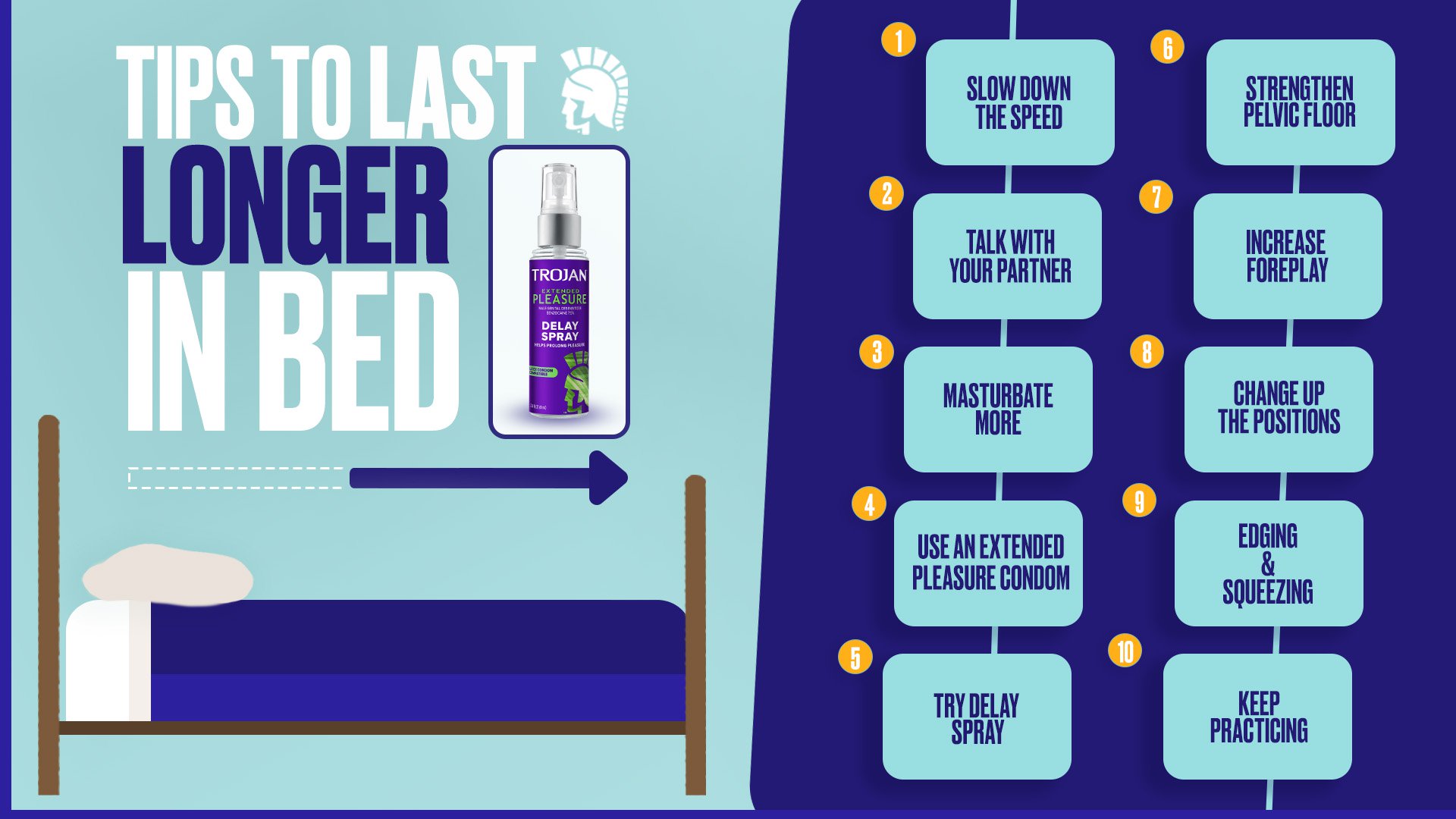
When it comes to intimacy, one of the most common concerns for many individuals is how to last longer during sex. This concern stems from a variety of factors, including performance anxiety, physical conditioning, and biological responses. Understanding the core mechanics behind sexual performance and arousal is crucial for addressing this issue. The process begins with arousal, which triggers a series of neurological and vascular responses that lead to erection in males and lubrication in females. These physiological changes are mediated by hormones such as testosterone and dopamine, which play significant roles in libido and pleasure.
The biological aspect of sexual performance is intricately linked with psychological factors. Stress, anxiety, and depression can significantly impact one's ability to perform sexually. Moreover, the brain's processing of sensory inputs during sex influences the duration and quality of the experience. This includes the interpretation of tactile, visual, and auditory stimuli, which can either enhance or detract from sexual performance. By understanding these interactions, individuals can better navigate their sexual experiences and work towards lasting longer.
Another critical aspect to consider is the impact of
Must Read
Understanding the Biology
Diving deeper into the biology of sexual performance, it becomes clear that neurotransmitters such as serotonin and dopamine play crucial roles in regulating arousal and orgasm. Serotonin, for example, is involved in inhibiting the ejaculatory reflex, which can help in lasting longer. On the other hand, dopamine is associated with pleasure and motivation, influencing the desire for sexual activity. Understanding these biochemical pathways can provide insights into how to manage and improve sexual performance.
The physiology of sexual arousal also involves complex vascular changes. In males, the process of erection is dependent on the engorgement of penile blood vessels, which is mediated by relaxation of smooth muscle and increased blood flow. Similarly, in females, lubrication and engorgement of the genital tissues are crucial for comfortable and enjoyable sex. These vascular responses can be influenced by overall health, hormonal balance, and psychological state.
Hormonal balance is another critical factor that influences sexual performance. Testosterone, often referred to as the "sex hormone," plays a pivotal role in libido and sexual function in both males and females. Fluctuations in testosterone levels can impact sexual desire and performance, highlighting the importance of maintaining

Practical Strategies for Enhancement
For individuals seeking to last longer during sex, several practical strategies can be employed. One of the most effective methods is practice of pelvic floor exercises, commonly known as Kegel exercises. These exercises help strengthen the pubococcygeus muscle, which can improve sexual stamina and control over ejaculation. Regular physical exercise is also beneficial, as it enhances cardiovascular health, improves muscle tone, and boosts self-esteem, all of which are positive factors for sexual performance.
Another approach is the use of behavioral techniques such as the stop-start method or squeeze technique. These methods involve controlling the pace of sexual activity and applying pressure to the penis to delay ejaculation. Additionally, communication with one's partner about desires, preferences, and concerns can significantly enhance the sexual experience, allowing for a more mutually satisfying and enduring encounter.
Relaxation techniques such as deep breathing, progressive muscle relaxation, and mindfulness meditation can also be highly effective. These practices help reduce stress and anxiety, which are common barriers to lasting longer during sex. By learning to manage stress levels and cultivate a relaxed state, individuals can improve their sexual performance and overall well-being.
Furthermore, educational resources and sex therapy can provide valuable insights and strategies for enhancing sexual performance. These resources can offer personalized advice, techniques, and support tailored to an individual's specific needs and concerns. Whether through self-study or professional guidance, acquiring knowledge about sexual health and function is a powerful step towards optimizing one's sexual experiences.

Frequently Asked Questions
What role does diet play in sexual performance?
A healthy diet rich in fruits, vegetables, whole grains, and lean proteins can significantly support sexual health. Certain foods, such as those high in antioxidants (e.g., berries, leafy greens) and omega-3 fatty acids (found in fatty fish like salmon), can improve blood flow and enhance sexual function. Additionally, staying hydrated and limiting intake of processed and high-sugar foods can also contribute to better sexual health.
It's also important to note that certain nutrients and supplements can have a positive impact on sexual performance. For example, arginine and vitamin D have been linked to improved vascular health and sexual function. However, it's crucial to consult with a healthcare provider before adding any new supplements to one's regimen to ensure safety and efficacy.
Can stress and anxiety impact sexual performance?
Stress and anxiety can significantly impact sexual performance by affecting hormonal balance, vascular health, and neurological responses. High levels of cortisol, the stress hormone, can lower testosterone levels, leading to decreased libido and sexual function. Moreover, anxiety can distract from the sexual experience, making it difficult to relax and enjoy intimacy.
Managing stress and anxiety through relaxation techniques, exercise, and mindfulness practices can help mitigate their negative impacts on sexual performance. Establishing a pre-sex routine that promotes relaxation and connection with one's partner, such as through foreplay or intimate conversation, can also enhance the sexual experience and reduce the effects of stress and anxiety.
How can communication with my partner improve our sexual experience?
Communication with one's partner is key to a satisfying and enduring sexual experience. Openly discussing desires, preferences, and concerns can help both partners understand each other's needs and boundaries, leading to a more mutually satisfying experience. This includes talking about positions, pace, and stimulation techniques that work best for both partners.
Communication can also help in addressing and overcoming sexual issues or concerns that may arise. By creating a safe and non-judgmental space for discussion, partners can work together to find solutions and strategies that enhance their sexual experience. This might involve exploring new activities, setting boundaries, or seeking professional help when needed, all of which can contribute to a healthier and more fulfilling sexual relationship.
What are some common misconceptions about lasting longer during sex?
One common misconception is that lasting longer is solely the responsibility of the male partner. However, sexual performance is a shared experience that involves both partners. Communication, mutual understanding, and teamwork are essential for creating a satisfying and enduring sexual experience.
Another misconception is that performance-enhancing products or medications are the only solutions for lasting longer. While these may offer temporary benefits, they do not address the underlying physical, emotional, and relational factors that influence sexual performance. A more holistic approach that incorporates

How can I maintain a healthy sexual relationship as I age?
Maintaining a healthy sexual relationship as one ages involves a combination of physical, emotional, and relational efforts. Regular exercise, a balanced diet, and stress management can help preserve sexual function and overall health. Additionally, open communication with one's partner about changing desires, needs, and concerns is crucial for adapting to the natural changes that occur with aging.
It's also important to be aware of age-related health issues that can impact sexual performance, such as erectile dysfunction in men and vaginal dryness in women. Consulting with a healthcare provider can provide valuable guidance on managing these conditions and maintaining sexual health. Furthermore, exploring new activities and intimacy practices that accommodate changing physical abilities and preferences can help keep the sexual relationship vibrant and fulfilling.
Reflecting on the importance of respecting the science behind lasting longer during sex, it becomes clear that this approach not only enhances sexual performance but also contributes to overall well-being and relationship satisfaction. By understanding the biological, psychological, and relational aspects of sexual health, individuals can make informed decisions about their lifestyle, communication, and intimacy practices. This holistic understanding empowers individuals to take control of their sexual health, fostering a more positive and fulfilling sexual experience.
In conclusion, the journey to lasting longer during sex is multifaceted, involving physical, emotional, and relational dimensions. By embracing a data-driven, pragmatic, and empowering approach, individuals can navigate the complexities of sexual performance with confidence and knowledge. Whether through lifestyle modifications, communication strategies, or educational resources, the path to enhanced sexual health and performance is accessible and rewarding. By respecting the science and complexity of human sexuality, we can cultivate more satisfying, enduring, and healthy sexual relationships.