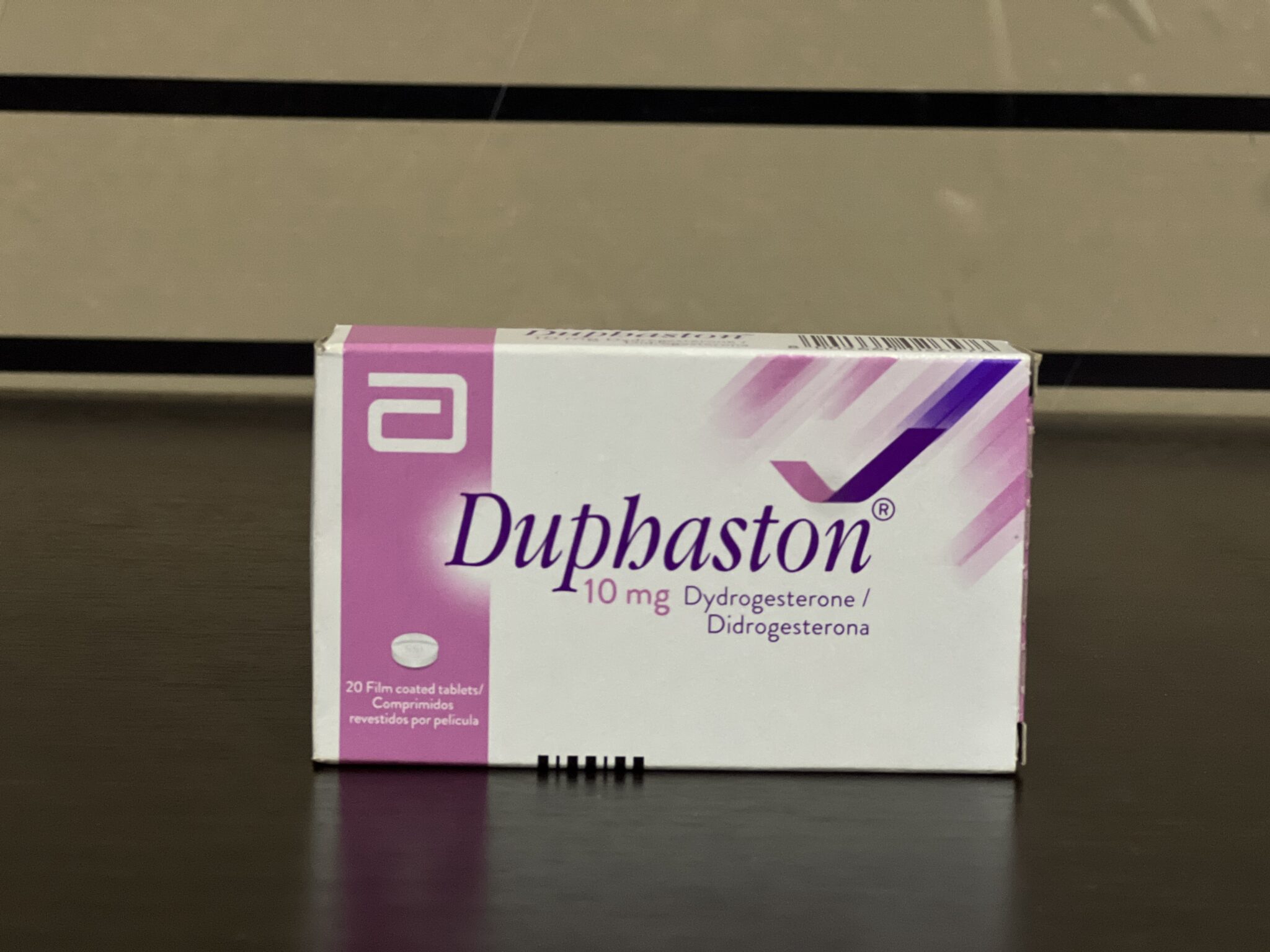
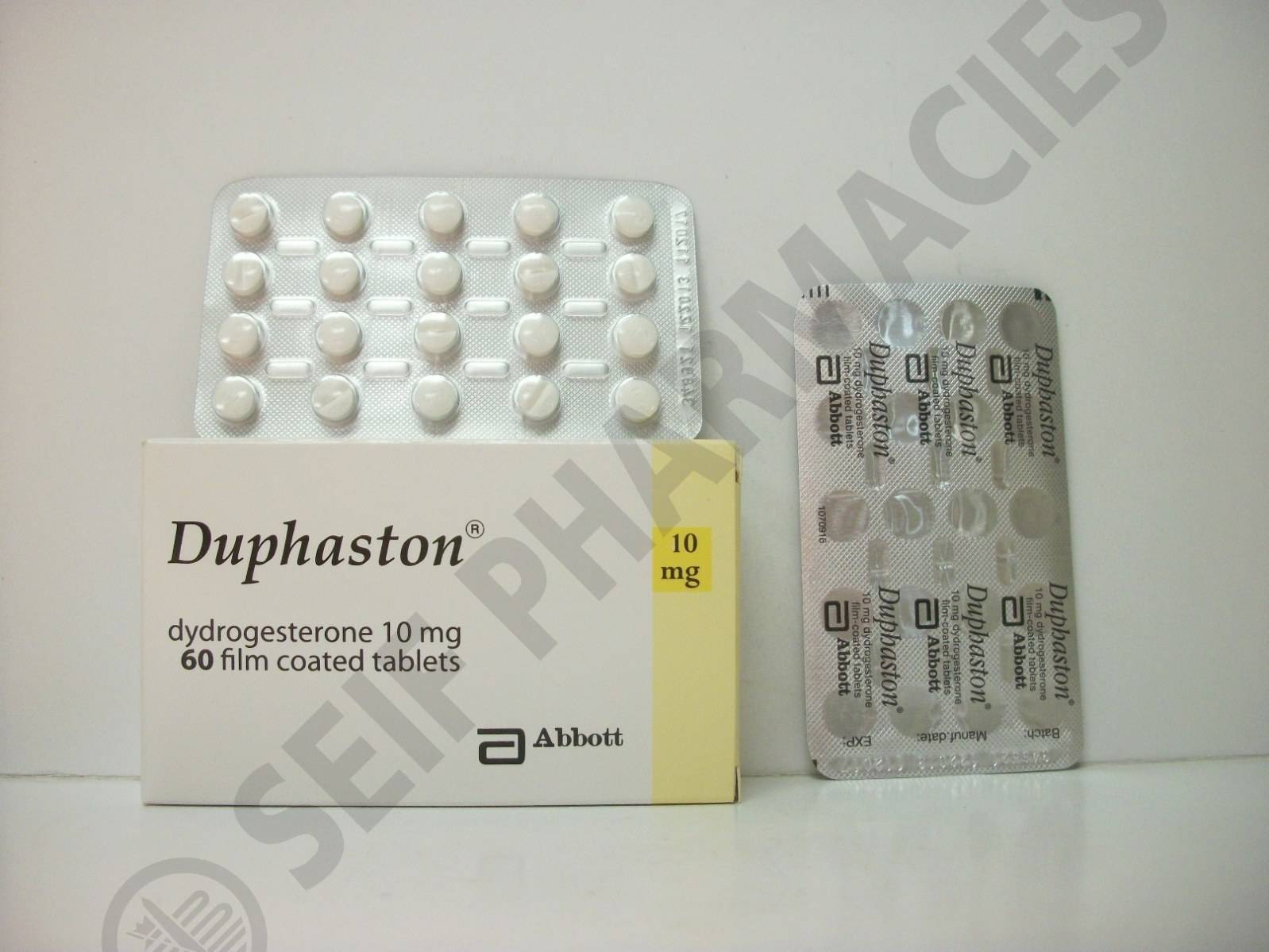
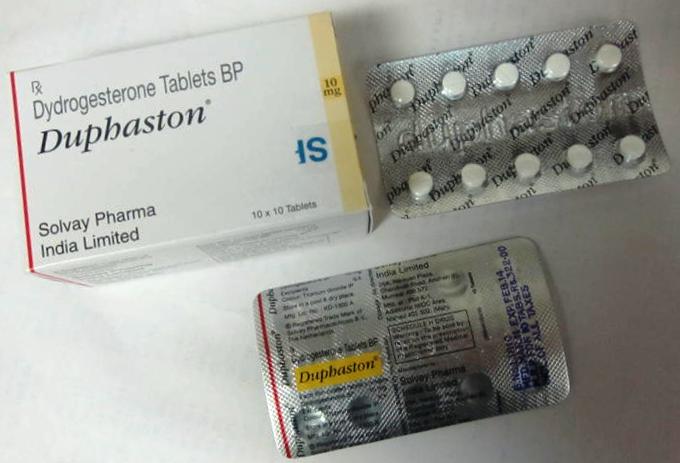
Duphaston Tablet After Ovulation
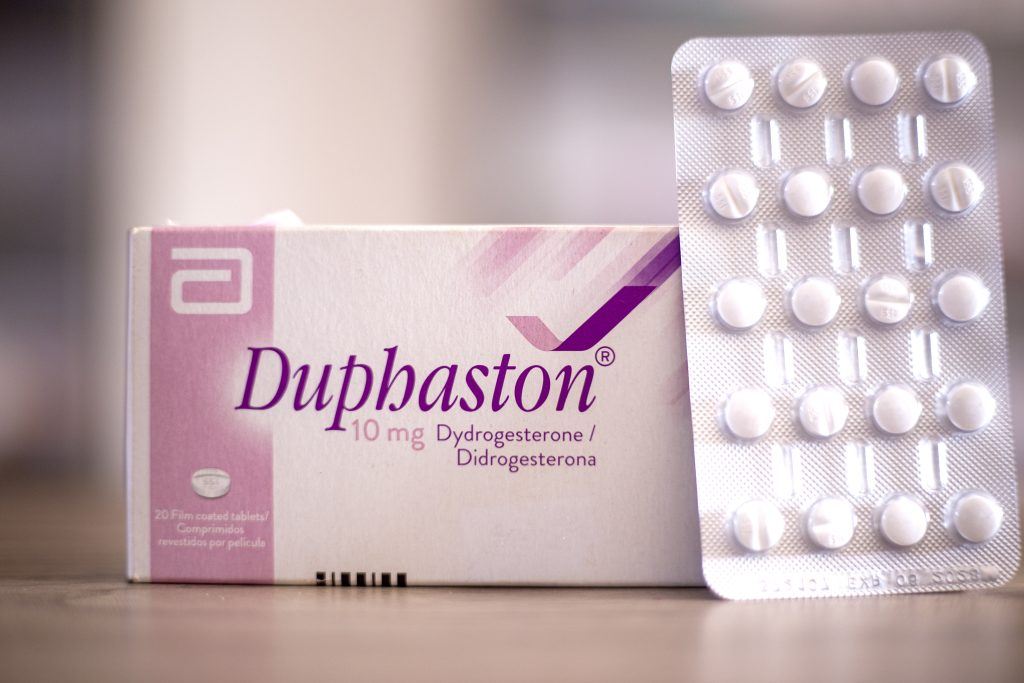
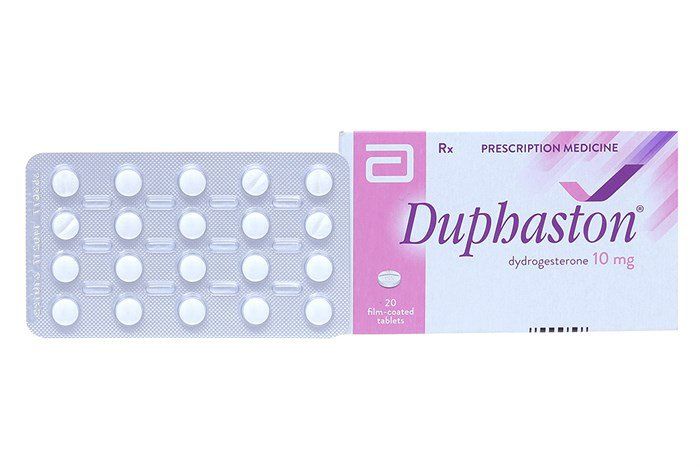
Let’s be honest—nobody wakes up excited to pop a tiny, chalky pill. Yet, for millions of women, that little white tablet called Duphaston is like a quiet superhero in their monthly cycle. It’s not glamorous, but it’s the behind-the-scenes friend that helps your body get ready for the big event: a possible pregnancy. After ovulation, your ovaries start pumping out progesterone, and when that hormone dips, your whole system throws a tiny tantrum.
That’s where Duphaston steps in. It’s a synthetic progesterone look-alike that calms the chaos, giving your uterine lining a firm, cozy grip. Think of it as laying down a plush welcome mat for a fertilized egg. Without enough progesterone, your lining sheds early, and that hopeful embryo never gets a chance to check in. This tablet doesn’t just delay your period—it buys your body time to do its most important job.
For everyday life, the benefits go way beyond fertility. Many women use Duphaston to tame irregular cycles, painful periods, or that awful mid-cycle spotting. If you’ve ever felt like your monthly rhythm is a chaotic drummer, this pill is the metronome. It helps you plan your life—beach days, business trips, or that wedding where you refuse to feel like a stuffed sausage—because you can finally predict when Aunt Flo will visit.
Must Read
Common uses are everywhere. A doctor might prescribe it after ovulation (usually day 14 to 28 of your cycle) to correct a luteal phase defect. Women with PCOS, endometriosis, or post-pill hormonal blues often rely on it. Even those trying IVF use Duphaston as a hug for the uterus after embryo transfer. And let’s not forget the miracle fix: it stops that annoying mid-cycle bleeding that ruins your favorite underwear.

Now, how do you enjoy this little helper more effectively? Timing is everything. Take it at the same time daily—set an alarm on your phone, right after breakfast. A steady level in your blood makes the uterus sing in harmony. Don’t skip doses, even if you feel fine, because your lining is counting on you. And always, always pair it with food, because a hungry stomach can turn this gentle pill into a grumpy companion.
Another pro tip: log your symptoms in a simple app. Note your cramping, mood, and any spotting. This turns you from a patient into a detective, helping your doctor tweak the dose. Also, don’t panic if your period doesn’t arrive on the last pill day—sometimes it takes two to three days. And here’s the kicker: if you’re trying to conceive, do not test too early. Wait 48 hours after your last dose for accurate results, or you’ll cry over a false negative.
Lastly, understand that Duphaston isn’t a party drug—it’s a peace treaty between your brain and your reproductive system. You might feel tired, bloated, or a little weepy for the first few days. That’s normal; your hormones are doing the cha-cha. Give yourself grace, sip extra water, and wear loose pants. Many women even find their skin clears up and their sleep deepens, because a balanced cycle is a calmer nervous system.
In the end, this pill is about control in a world where your body often feels unpredictable. Whether you’re TTC (trying to conceive), managing PCOS, or just tired of surprise spotting, Duphaston after ovulation is your backstage pass to a smoother show. So take it faithfully, track your cycle like a boss, and remember—you’re not just swallowing a tablet, you’re coaching your uterus to be a five-star host. Now go ahead, set that daily alarm, and give your future self a high-five.