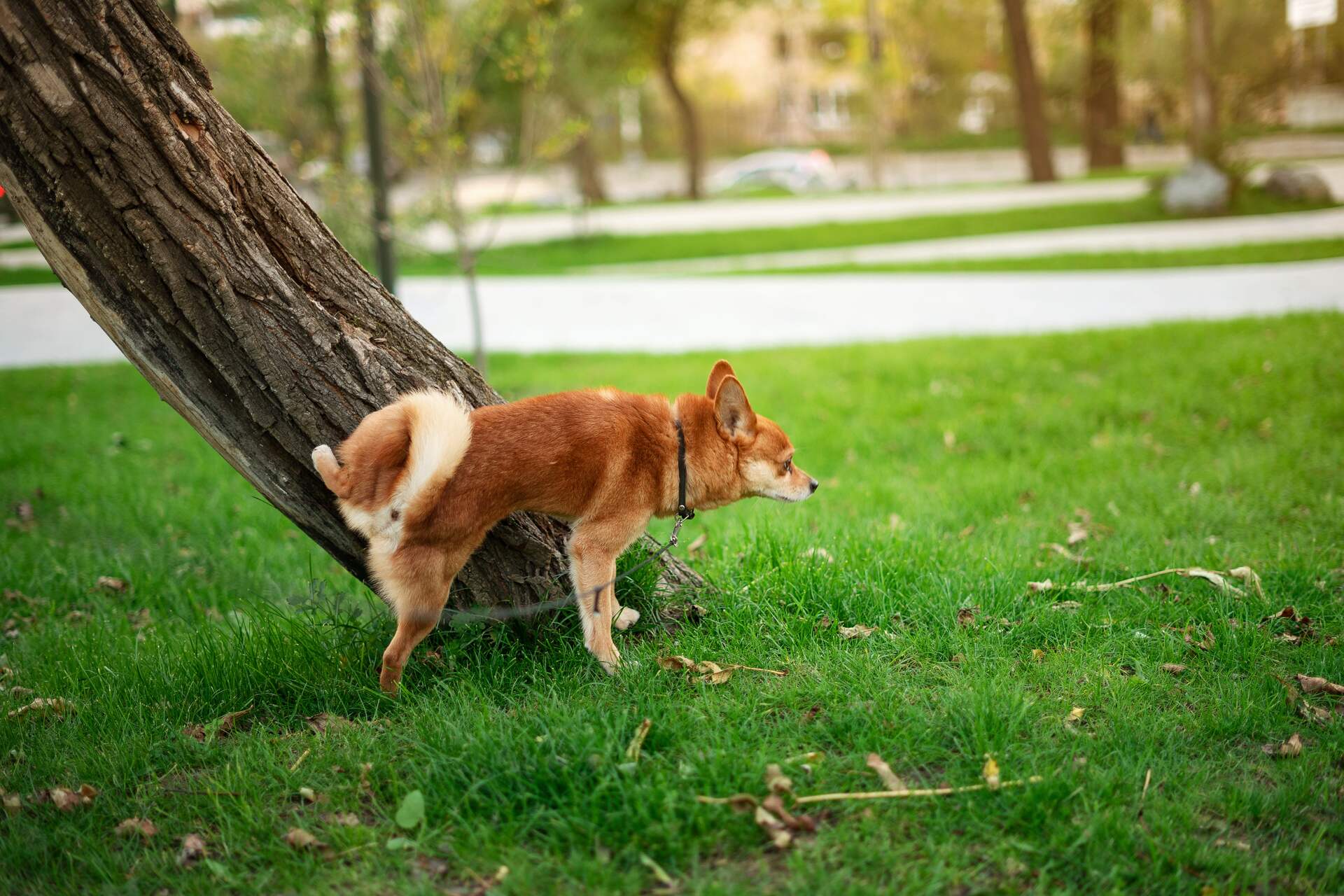
Dog Urinating In Communal Garden
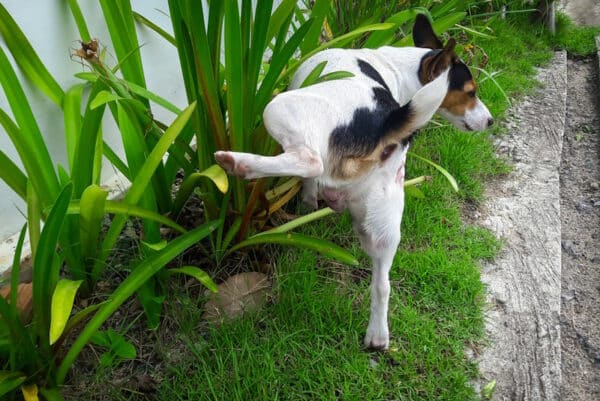
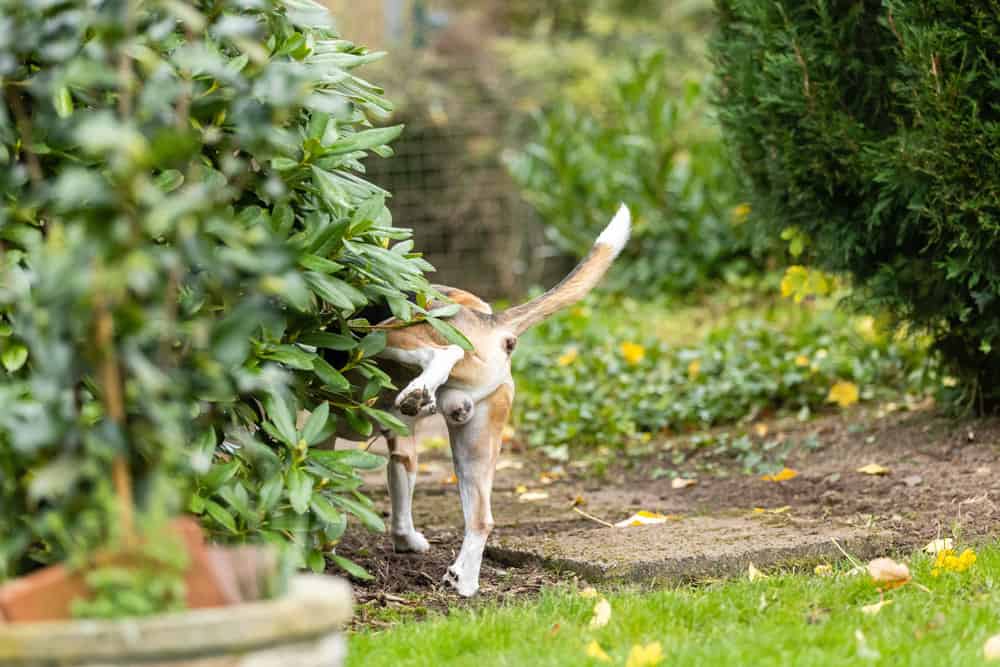
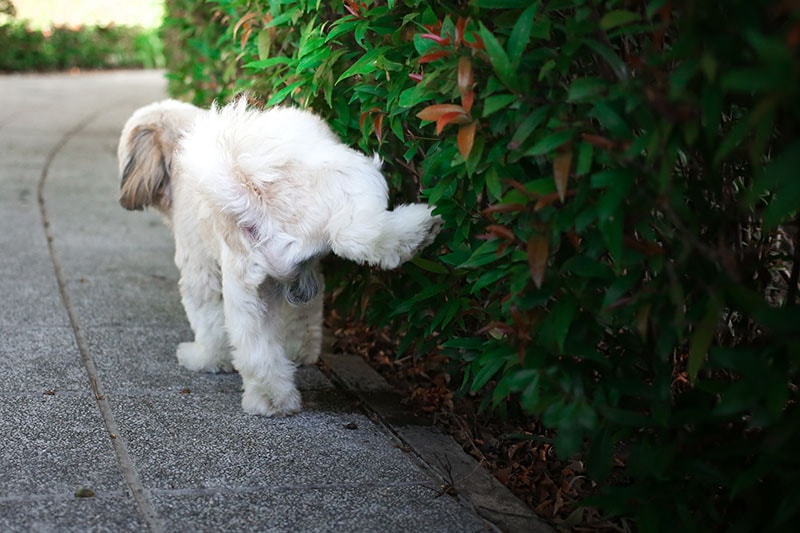
Let’s be honest: the communal garden is a shared stage, and our dogs are the unscripted actors. The morning ritual of a dog methodically sniffing every bush before lifting a leg is a familiar, often comical, sight for anyone living in an apartment block. But behind that casual piddle lies a surprisingly complex and unspoken social contract that affects every resident who uses that green space.
Understanding why your dog urinates in the garden isn’t just about saving the grass; it’s about decoding canine communication. For your pup, that urine isn’t waste—it’s a status update, a Yelp review, and a personal signature all in one. Every post marks territory, shares health information, and tells other dogs who visited and when, turning a simple patch of lawn into a bustling neighborhood bulletin board.
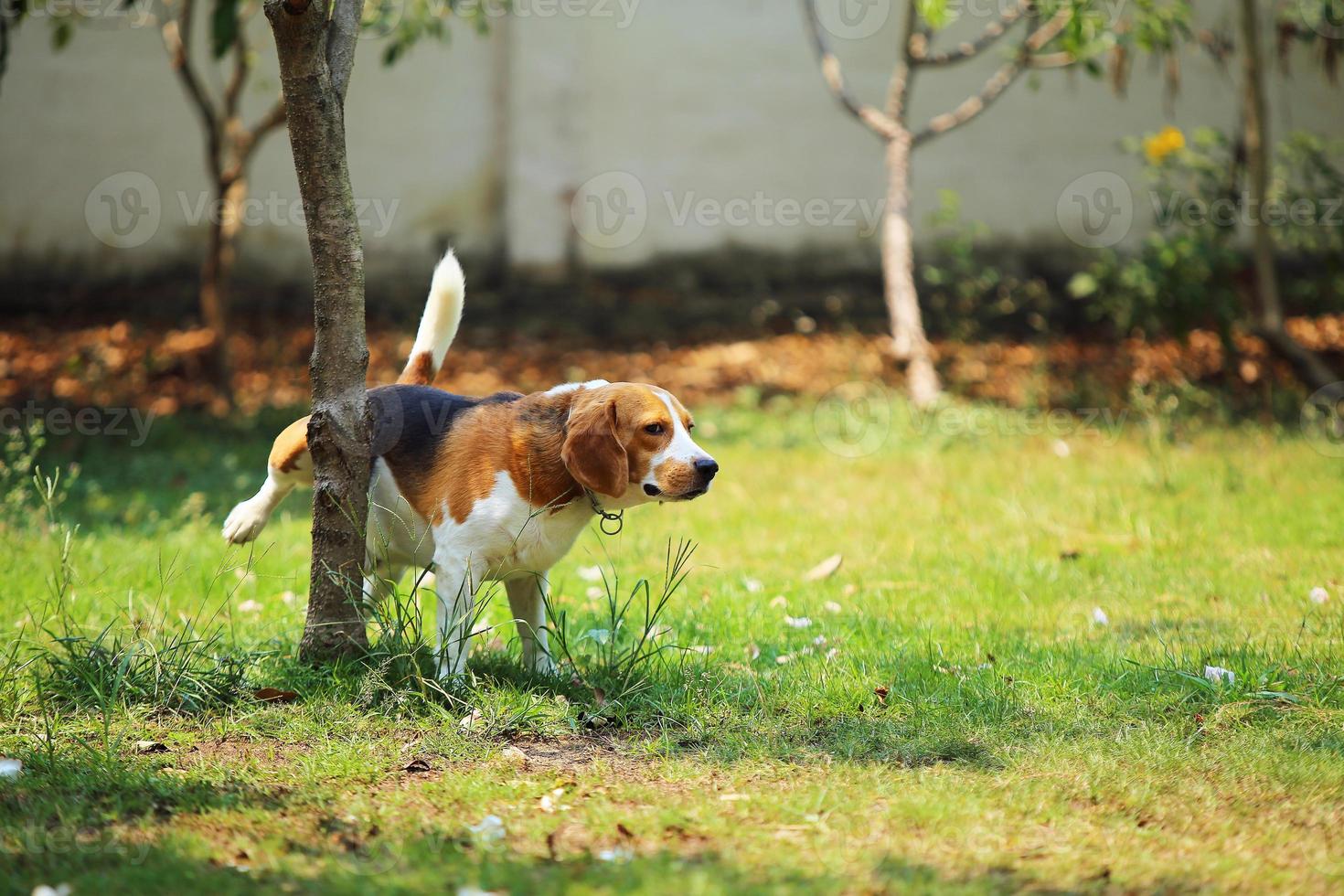
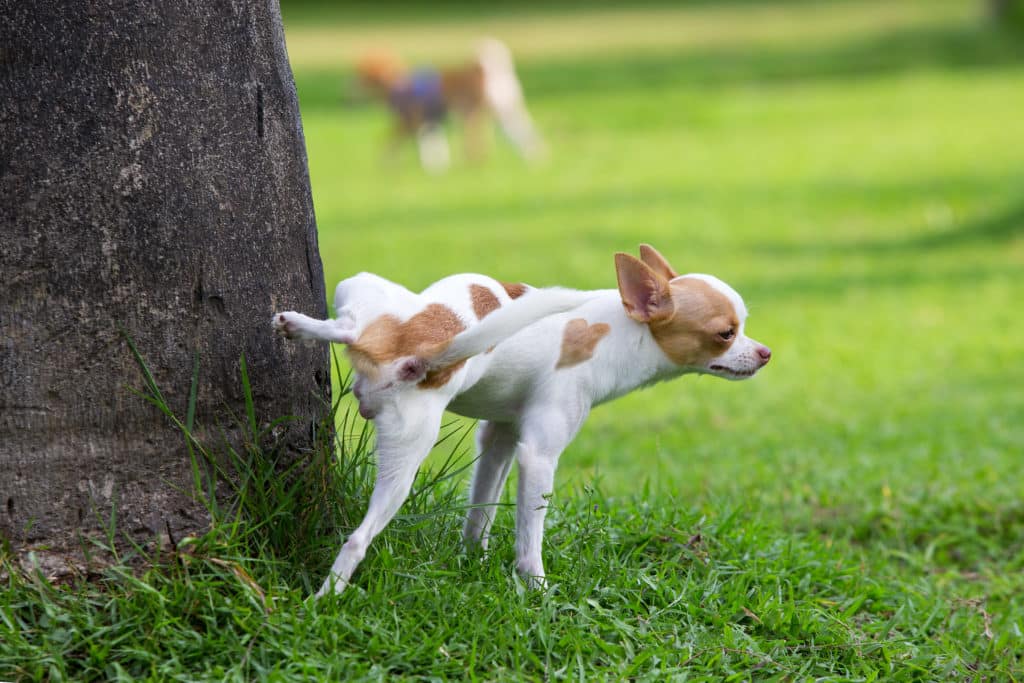
The primary purpose is marking, which is fundamentally different from emptying a full bladder. While a dog might pee to relieve pressure, a few strategic squirts on a fence or a rose bush are deliberate messages. This behavior reduces stress for your dog by creating a familiar “scent map,” which ironically can prevent future aggression by letting other dogs know who’s around without a face-to-face confrontation.
Must Read
This knowledge has practical benefits for daily life. If you notice your dog obsessively re-marking the same spot, it’s often a sign of neighbors’ dogs being walked there, not a behavioral problem. For parents, it’s a perfect, low-stakes teaching moment about animal instincts—you can explain why your dog prefers a certain shrub while gently reinforcing the garden’s shared rules.
In an educational setting, this is a brilliant gateway into ecology. A teacher can use a dog’s urine marks to introduce concepts like scent trails and chemical communication, comparing it to how wild wolves or even foxes use feces and urine. It’s a tangible, everyday example of biology that doesn’t require a lab, just a curious dog and a patch of grass.
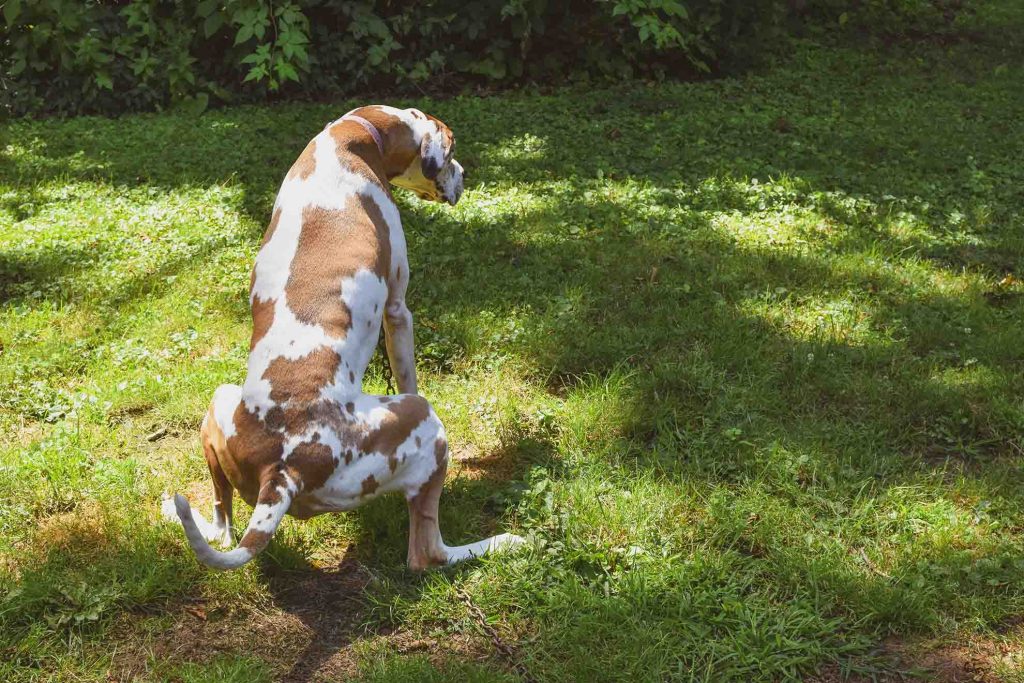
So, how do you explore this in a relaxed, practical way? Start by observing your dog’s routine for one week without rushing the walk. Note the difference between a long, relaxed pee (empty bladder) and a short, targeted squirt on a vertical object (a message). This simple awareness shifts your view from “annoying habit” to “fascinating behavior.”
Another tip is to bring a small water bottle to the garden. After your dog goes, a quick pour effectively dilutes the scent, which is polite to other humans and reduces your dog’s urge to keep over-marking. It’s a tiny act of courtesy that shows you understand the unspoken etiquette of shared spaces.

Finally, don’t be afraid to talk to your neighbors about it. A light-hearted comment like, “Rex thinks this is his personal signpost, sorry!” can open a friendly conversation. You’ll often find that most pet owners share the same curiosity, and you might even start a casual “who’s marking what” watch, turning a mundane problem into a shared, gentle amusement.
Next time you see your dog circling, pause before you pull the leash. That little act of urine isn’t an accident—it’s your dog reading the daily news and leaving a reply. Embrace the quirk, be a courteous neighbor, and you’ll find that the communal garden becomes a richer, odder, and much more interesting shared world.