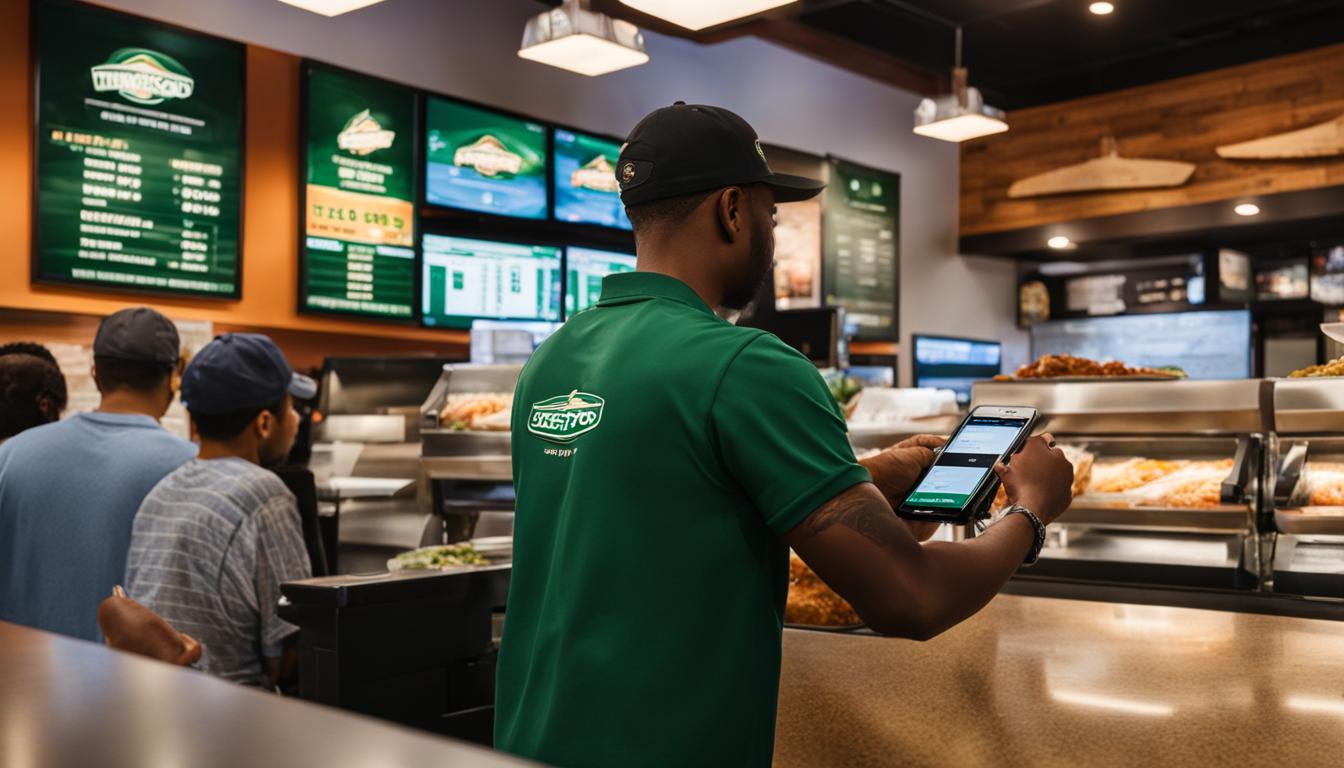
Does Wingstop Delivery Take Cash
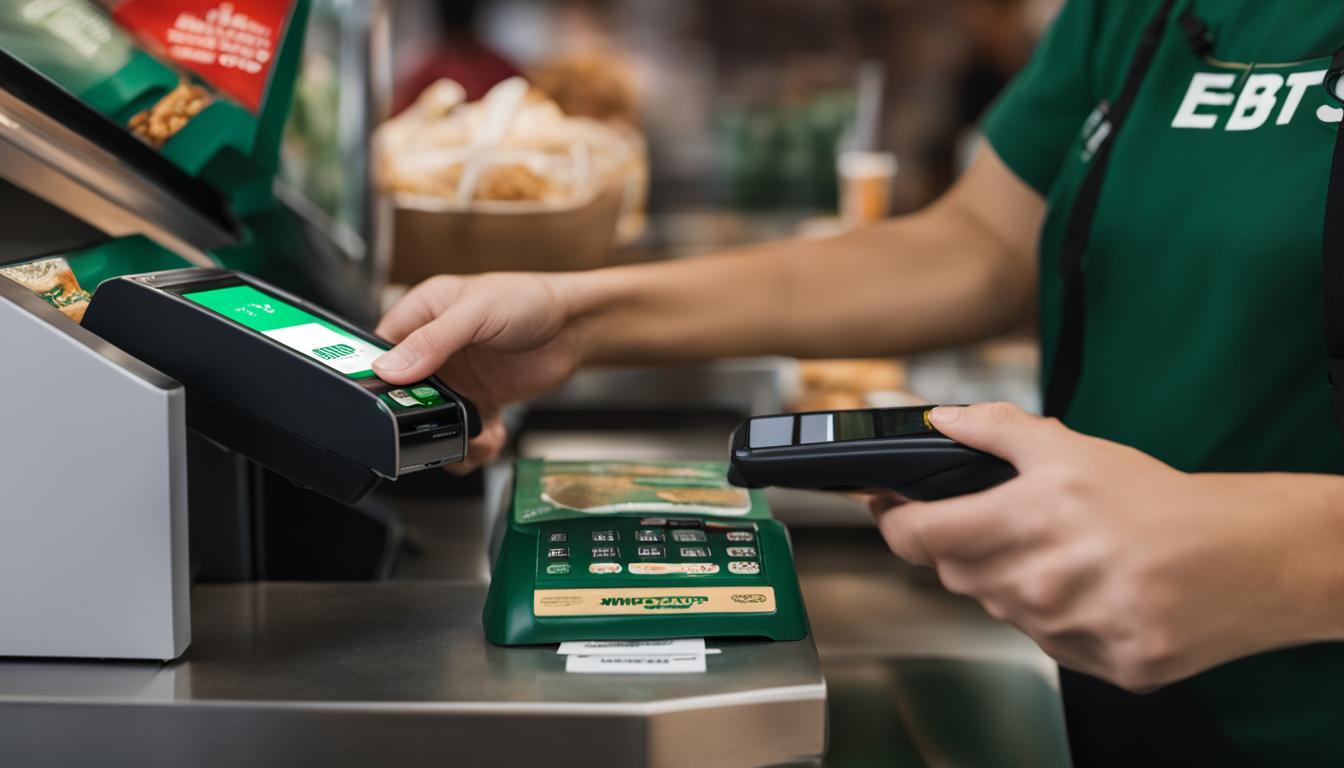
The glowing orange sign of Wingstop has become a universal beacon for those seeking vinegar-based heat and the unmistakable crunch of seasoned fries. In the modern era of food delivery, where the tap of a smartphone can summon a feast within thirty minutes, a peculiar anxiety still lingers in the wallet of the modern consumer: Does Wingstop delivery take cash? This question, seemingly simple, opens a Pandora's box of logistics, corporate policy, and the subtle anthropology of how we pay for comfort food. It is a query that pits the nostalgic rustle of paper bills against the sterile efficiency of the digital wallet, forcing us to confront how the ghost of the pre-internet era interacts with the hyper-connected convenience of the gig economy.
Historically, food delivery was a cash-first transaction. The pizza guy with a magnetized change dispenser on his belt was a cultural icon, a purveyor of both pepperoni and pocket change. But the explosion of third-party aggregators like DoorDash, Uber Eats, and Grubhub has fundamentally rewired this dynamic. These platforms were born in the fintech boom, designed to minimize friction, and their entire infrastructure is built on digital payment rails. Today, the answer to the cash question isn't just about a restaurant's policy; it's a complex negotiation between the corporate brand, the independent delivery driver, and the algorithm that connects them. This matters because the way we pay for our atomic wings reveals a broader societal shift: we are moving toward a cashless society whether we like it or not, and Wingstop is a fascinating case study in how that transition plays out at the neighborhood level.
The Great Split: Corporate versus Third-Party Realities
To understand the cash conundrum, one must first untangle the two distinct channels through which a Wingstop order arrives at your door. The first is the Wingstop proprietary app and website, which utilizes the company’s internal digital ordering system. The second, and vastly more common, is via third-party marketplaces. When you order directly through the Wingstop app, the policy is strictly cashless. The transaction occurs digitally at the point of sale, and the order is handed to a delivery driver who is either a Wingstop employee or a contracted courier. In this channel, cash is not accepted at the door because the payment is pre-authorization and settlement is complete before the bag is even sealed. The driver holds no financial responsibility, and accepting cash would create a reconciliation nightmare for the store manager.
Must Read
However, the plot thickens when you pivot to DoorDash or Uber Eats. Here, the standard rule is also digital-only; the app charges your card seamlessly. Yet, there is a notorious, oft-discussed exception: Cash on Delivery (COD). Some third-party platforms, most notably DoorDash, have dabbled with COD in select markets. This allows the customer to select "Cash" at checkout, and the driver is then expected to collect the exact amount upon handoff. This is where the dark side of the gig economy emerges. Drivers are notoriously hostile to cash orders because they introduce risk (carrying large bills makes them a target) and accounting friction (they must remit the cash to the restaurant, which requires a time-consuming physical visit to a corporate location). In many cities, Wingstop orders marked as "Cash" are routinely declined by drivers, leading to massive delays or outright cancellations, a silent war between the customer's preference and the driver's safety.
The psychological impact of this split is fascinating. When you order from Wingstop directly with a card, you are engaging in a "pre-paid" ritual that feels efficient but slightly detached. The delivery becomes a simple logistics event. Conversely, the rare successful cash delivery taps into a primal exchange dynamic—the immediate transfer of value for goods—which studies suggest creates a higher sense of satisfaction and "realness" of the transaction. Additionally, the inability to tip in cash (since the app controls the gratuity) removes the spontaneous reward mechanism, replacing it with a sterile, pre-calculated gesture. This subtle shift in payment mechanics changes the entire perceived hospitality of the experience, making the "cash or not" question less about currency and more about the authenticity of the human connection.
Navigating the Fry-Printed Waters: Practical Scenarios and Hacks
So, you are craving the Mango Habanero wings, but your wallet is stuffed with crumpled fives and you’ve lost your card. What is the actual playbook? Let’s break down the scenarios. Scenario One: The Direct App Attempt. You open the Wingstop app, attempt to select "Cash," and find the option greyed out. This is the standard experience for 95% of users. The app forces a card entry. If you are adamant about cash, you must abandon this route. The only exception is if you are placing an order for pickup at the restaurant, where cash is universally accepted at the physical counter. Scenario Two: The Third-Party Gamble. You switch to DoorDash. You find the "Cash" toggle in the payment settings. You place your order for Wingstop. Statistically, you have just entered a lottery with terrible odds. Your order will sit in "awaiting driver" limbo for 20–30 minutes longer than a card order, and you may receive a frantic call from a driver asking you to pay via Venmo instead because they "don't carry change."

There is a legendary, albeit unethical, workaround that circulates in online forums: the "Tip Bait." Some users select "Cash on Delivery" but then refuse to answer the door, forcing the driver to return the food to the store. This is a terrible practice that harms gig workers, but it highlights the desperation of cash-only consumers. A better, more ethical approach is to use the "Mail a Gift Card" strategy. You can purchase a Wingstop digital gift card using cash at a local retail partner (like a grocery store kiosk), then load it into your account and use it as the payment method for delivery. This effectively lets you pay with cash while satisfying the digital requirement.
For those who are simply trying to avoid card fees or track spending, the most reliable and stress-free method is to call the specific Wingstop location directly. Some franchise owners, operating on razor-thin margins, will override the corporate system to accept a cash order if they have their own dedicated in-house drivers. This is rare but possible. When you call, politely ask, "Do you have a house driver and can I pay them in cash?" If they say yes, you are dealing with a legacy operation that values flexibility. If they say no, accept the card charge. The key takeaway is that the cash question is less about the restaurant's ability to cook and more about the distribution network's ability to handle physical currency. The modern supply chain has ruthlessly optimized for digital data, and cash is simply an aberration that breaks the flow.
There is also the psychological angle of "convenience inertia." Even if you have cash, the friction of navigating the COD toggle on a food app often leads to a "screw it, I'll just use the card" moment. This is the intended design. The apps are engineered to make card payment feel like the default path of least resistance. To truly pay with cash, you must become a deliberate, rebellious consumer, willing to sacrifice speed and reliability for the sake of your preferred tender. This is a heroic, albeit frustrating, stance in a world that is actively designing cash out of existence.
The Cashless Conundrum: Five Burning Questions
1. Does Wingstop accept cash at the physical restaurant location?
Yes, absolutely. If you walk into a Wingstop store—not a delivery order—you can pay with cash at the register without any issue. Federal law mandates that U.S. currency is legal tender for all debts, and while private businesses technically have the right to refuse cash, Wingstop corporate policy does not prohibit it for in-store counter transactions. You can hand over your crumpled bills, receive your greasy change, and walk out with your Louisiana Rub wings. The cashless policy applies strictly to the delivery ecosystem, not the point-of-sale system inside the brick-and-mortar establishment.
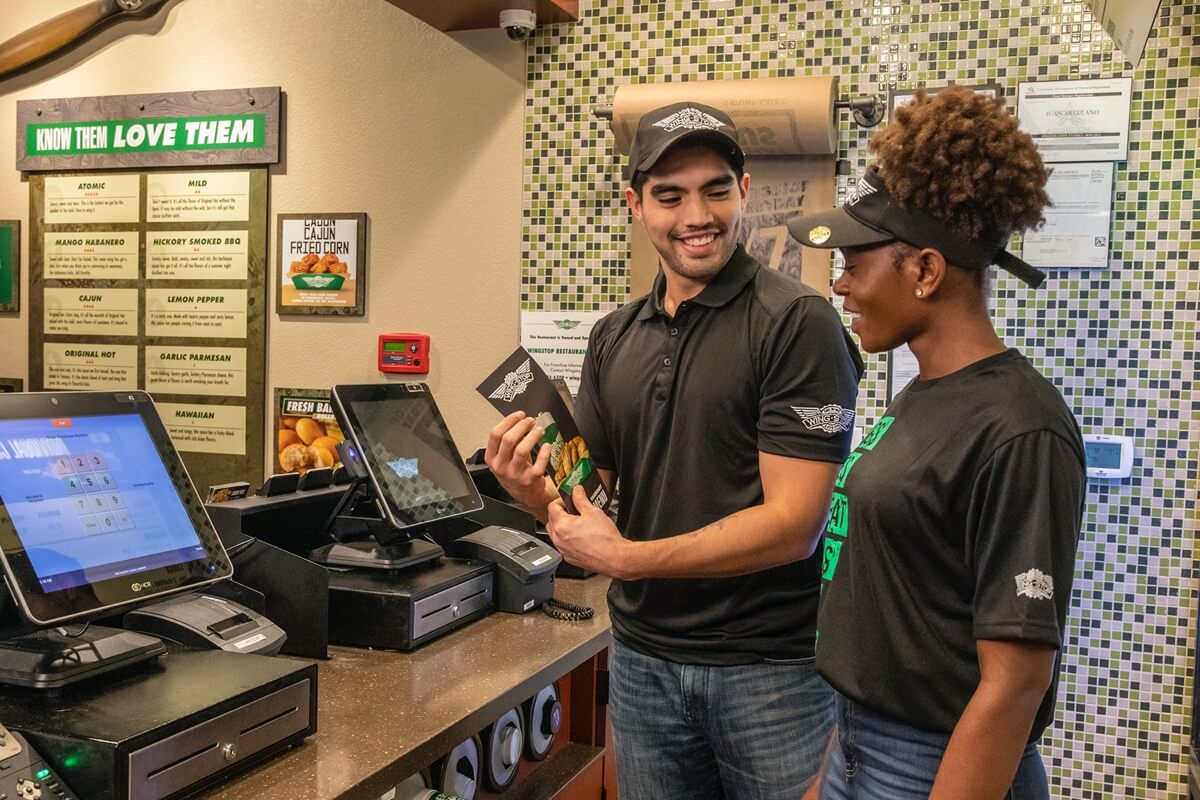
However, there is a nuance in 2024 and 2025. Many franchise locations are experimenting with self-service kiosks that are credit-card-only. If a location has these kiosks, they may attempt to route you to them, but they are legally obliged to have a human cashier available if they accept cash, or they must post a clear sign stating "NO CASH." In practice, the vast majority of Wingstops still maintain a traditional counter with a cash drawer. It is always wise to carry a small bill, but rest assured, the physical store is the last bastion of the cash economy in the Wingstop universe.
2. If I select Cash on Delivery (COD) on DoorDash, will my order definitely arrive?
No, it is not definite, and in many markets, it is highly unlikely. The primary reason is driver autonomy. DoorDash drivers are contractors; they see the "Cash" indicator on the order before accepting. A high percentage of drivers will decline these orders because they carry a higher risk of theft, require the driver to carry a float of change (which is impractical), and slow down their earnings by requiring a physical visit to the Wingstop to drop off the cash before their next delivery. This often results in your order being bounced around the network, leading to cold food and significant delays.
Furthermore, some DoorDash regional operations have completely eliminated COD due to widespread fraud and driver safety concerns. If the option is available, it is usually a "participating" merchant feature, and Wingstop corporate has been known to discourage it. The best practice is to check the "Est. Arrival Time" when you select COD. If it is significantly longer than the card option, the algorithm is warning you of the impending driver shortage. If you value your time and the heat of your wings, treat the COD option as a unicorn—nice to imagine, but rare to actually harness.
3. Can I tip the driver in cash if I pay with a card?
Yes, you can, and it is often welcomed, though with a caveat. While the app will prompt you for a digital tip at checkout, drivers are independent contractors who appreciate cash tips because they can access them immediately without waiting for the weekly payout. However, you should not 100% rely on this being a smooth interaction. Some drivers, expecting a high digital tip, may feel slighted if you hand them a single dollar bill and have zeroed out the in-app tip. Conversely, if you give a generous cash tip and a small digital tip, you become a legendary customer.
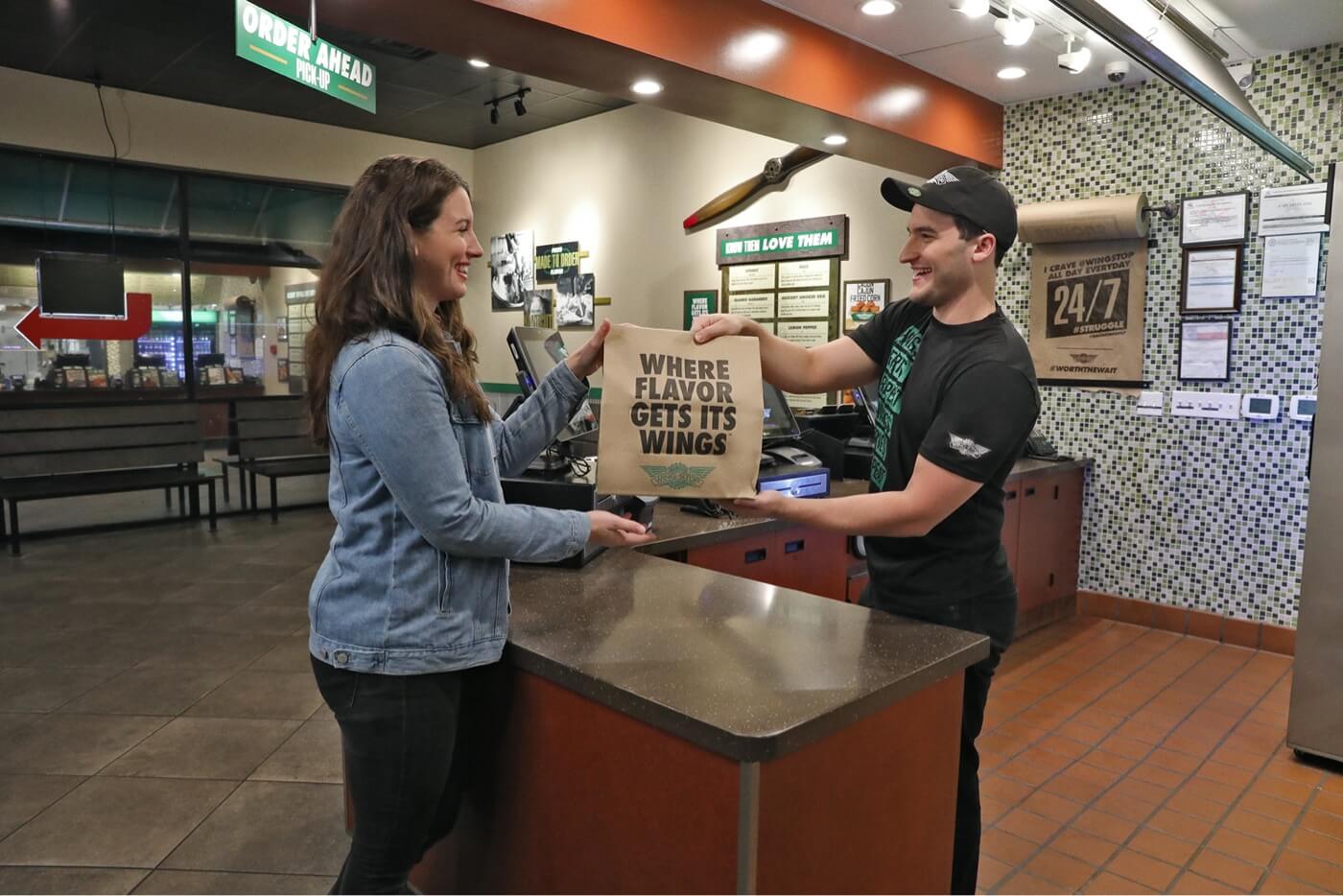
The cultural shift here is that the app has become the record of payment; cash is now an "extra" gesture of gratitude. It is a way to circumvent the app's artificial cap on tipping percentages. For example, if you want to tip 25% in cash, you can set the app tip to 0% and hand over the cash directly. This is a power move that bypasses the surveillance of the platform and creates a human bond with the driver. Yet, be aware that some drivers report cash tips for tax evasion purposes (which is illegal, but common), so your gesture might inadvertently place them in a gray area.
4. Does Wingstop's own website have a "pay in cash" button?
No, the Wingstop proprietary website and mobile app do not have a "pay in cash" button for delivery. The system is strictly integrated with payment gateways like Stripe or CardConnect. The architecture is built for pre-payment only. The only way to use cash with the Wingstop site is to order for "Pickup" and pay at the store, or to purchase a Wingstop e-gift card with cash from a third-party retailer and use that as a virtual card form of payment.
This is a deliberate business decision. By eliminating cash from the delivery loop, Wingstop avoids the liability of drivers losing money, reduces accounting errors, and speeds up the kitchen's ticket times. They do not have the physical infrastructure to handle "collect on delivery" because their drivers are often just minimum-wage staff using their own cars. The company has firmly placed its flag in the digital camp, viewing the cashless delivery model as a luxury feature that suggests modernization and security, even if it alienates the unbanked demographic.
5. What happens if a driver accepts my cash order but then tells me he can't make change?
This is a classic standoff. If you have a $50 bill for a $28 order, and the driver has no change, you are entering a negotiation. The driver is not obligated to search for change, but they also don't want to lose the sale. In many cases, the driver will ask you to pay via a mobile payment service like Zelle or Venmo to avoid the hassle. If you do not have that, the driver may call their support line, which will often result in the order being cancelled or the driver being instructed to leave the food regardless (a loss for the franchise).

To mitigate this, the onus is on you. Always have exact change or small bills (like $5s and $10s) when you choose COD. It is an unspoken rule of the gig economy that the customer is responsible for providing the total amount without needing change. If you are caught in this situation, and you want the food, you have two options: 1) Overpay as a "tip" to the driver to accept the large bill, or 2) Politely refuse and let the driver walk away with a cancelled order. This scenario is a potent reminder that in the cash world, "payment" is not just a transaction; it's a social contract requiring preparedness.
The discussion of whether Wingstop takes cash is emblematic of a broader human struggle. We are creatures of habit, wired to understand the tangible loss of a dollar bill leaving our hand. The digital abstraction of swiping a card or tapping a phone dulls the pain of spending, a concept known as the "credit card premium." Yet, we are also creatures of convenience, craving the instant gratification that only an algorithmic delivery network can provide. The friction between these two desires is played out nightly on kitchen counters across America, where the question of cash isn't really about the money—it's about control. Paying with cash gives us a sense of finality and fiscal discipline; paying with digital credit gives us speed and traceability. We want both, and the market's refusal to offer both comfortably is a small, daily frustration that forces us to pick a side.
Ultimately, the fate of the cash transaction may rest on the perspective of the individual driver braving the traffic. As long as there are drivers who view cash as a tangible, immediate reward rather than a liability, the option will survive in some form. But the corporate trend is unyielding. The infrastructure of the future is data-driven, and cash leaves no data trail. Our craving for the atomic boneless wings is permanent, but the method of exchange is fluid. We are witnessing the slow, awkward death of a utilitarian ritual, replaced by a frictionless ghost in the machine.
So, next time you place that late-night order, take a moment to appreciate the complexity of the payment screen. It is not just a menu of cards; it is a map of our economic evolution. Whether you choose the clean digital path or fight for the visceral cash route, you are a participant in a quiet revolution. The wings are the destination, but the payment method is the journey—a journey that is increasingly cash-only in memory, but card-only in practice. Embrace the convenience, but never forget the rusty magic of the altercation over a five-dollar bill at the front door.