Does Tillamook Yogurt Have Probiotics

Ever stood in the dairy aisle, staring at a mountain of yogurt cups, wondering if you're getting a gut-health glow-up or just a tasty snack? You’re not alone. The big question on everyone’s mind is whether Tillamook, that creamy Oregon legend, packs the same probiotic punch as the fancy “active culture” brands.
Here’s the short, sweet, and spoonable truth: Tillamook yogurt does contain probiotics, but they’re not the loud, show-offy kind. Think of them as the quiet, hardworking neighbors who keep the community tidy, rather than the ones waving flags and blasting music.
Let’s Talk About the “Live” in Live & Active Cultures
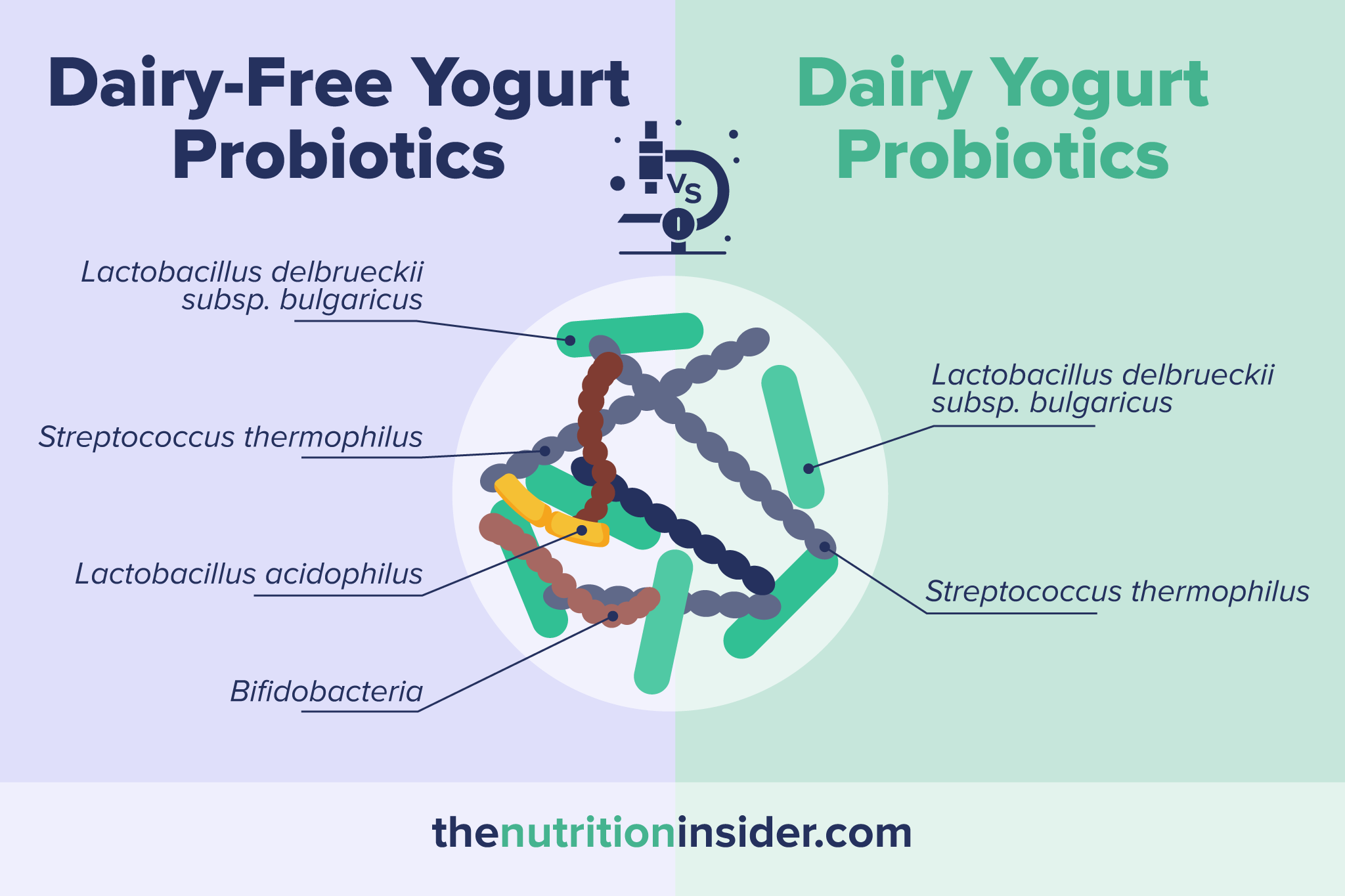
Every yogurt starts with milk and friendly bacteria, but not all bacteria survive the journey to your bowl. Tillamook is real yogurt, which means it’s made with live cultures like Lactobacillus bulgaricus and Streptococcus thermophilus. Those two are the bare minimum, the entry-level bouncers for the gut club.
But wait, before you do a happy dance, here’s the catch: Tillamook doesn’t add the extra, more famous strains like Lactobacillus acidophilus or Bifidobacterium, which are the celebrity probiotics you see on every supplement bottle. So, you get the classic yogurt bacteria, but not the full red-carpet roster.
That means your gut gets a decent little boost, but don’t expect Tillamook to fix a post-pizza bloat like a superhero in a tiny cup. It’s more like a trusty sidekick—reliable, tasty, and happy to help, but not the main hero.
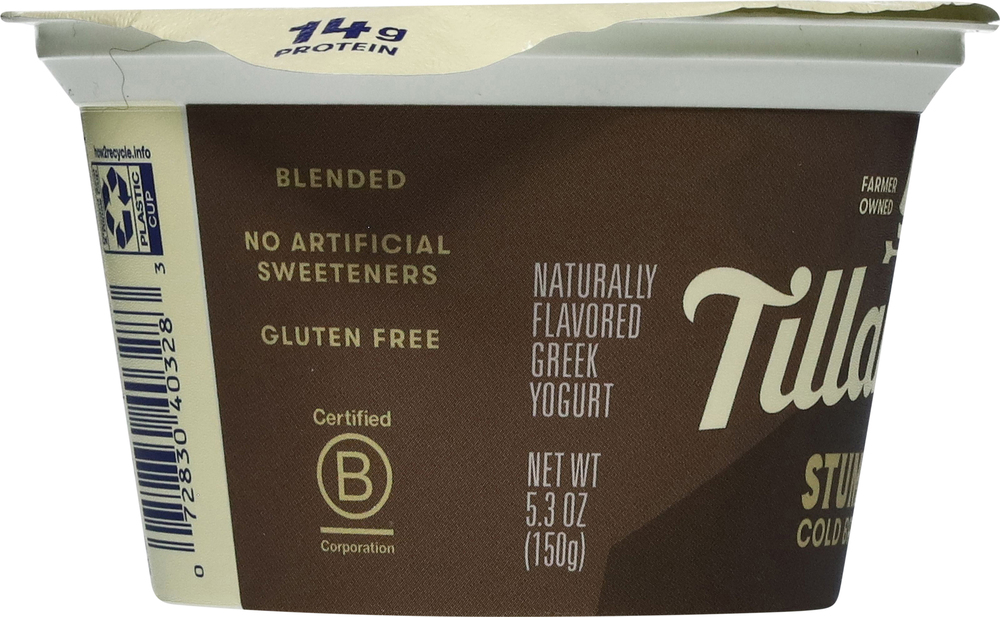
Think of it this way: If probiotic supplements are a full rock concert, Tillamook is a friendly acoustic jam in a coffee shop. You still leave feeling good, but you didn’t mosh.
Why Doesn't It Have the “Extra” Stuff?
Tillamook’s whole vibe is about simplicity and creaminess, not lab-made superbugs. Their focus is on a thick, rich texture and a flavor that tastes like dessert, not a science experiment. They pasteurize their milk after culturing, which kills some of the bacteria right before it hits the tub.
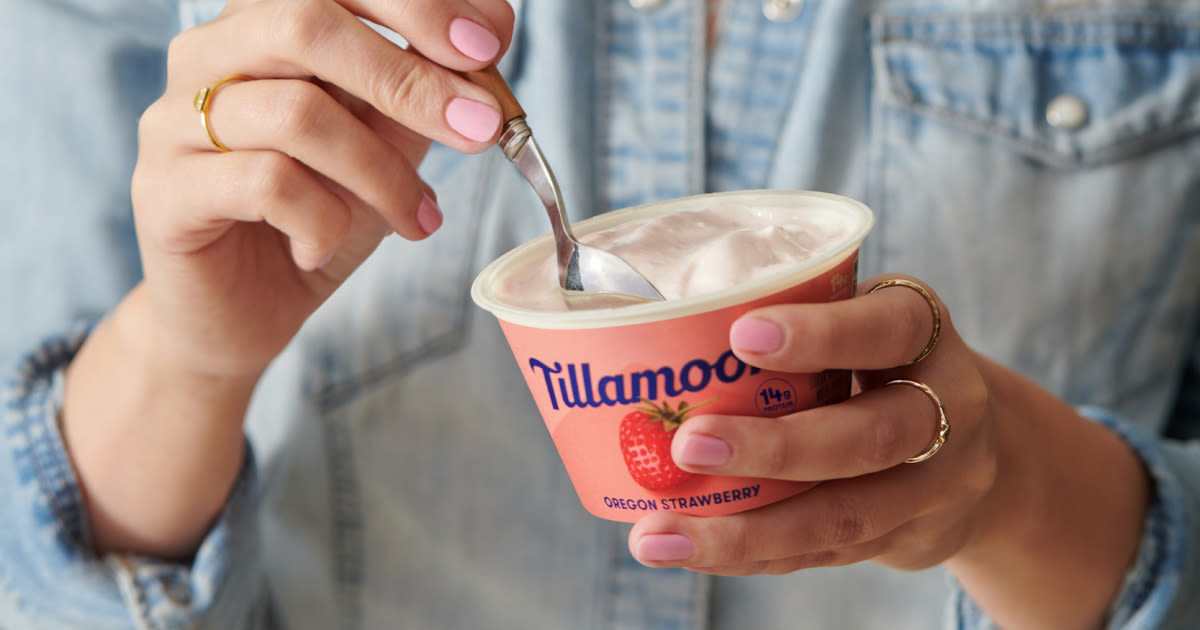
Wait, did I just say that? Yes, but don’t panic—many brands do this to extend shelf life, but it does weaken the probiotic count. The official scoop is that Tillamook’s process heats the yogurt after fermentation, which nudges the live cultures down to a “present but not powerful” level.
So, if you’re eating Tillamook for the flora of your intestines, you might be playing a game of chance. You’ll get some beneficial bugs, but they may be dazed and confused after the heat treatment.
But Wait—Your Gut Still Wins (a Little)
Even with fewer vibrant, jumping-around probiotics, Tillamook still offers fermented goodness that helps digestion in other ways. The tiny amounts of leftover bacteria, along with the lactic acid they produced, can still assist with breaking down food and soothing your tummy.
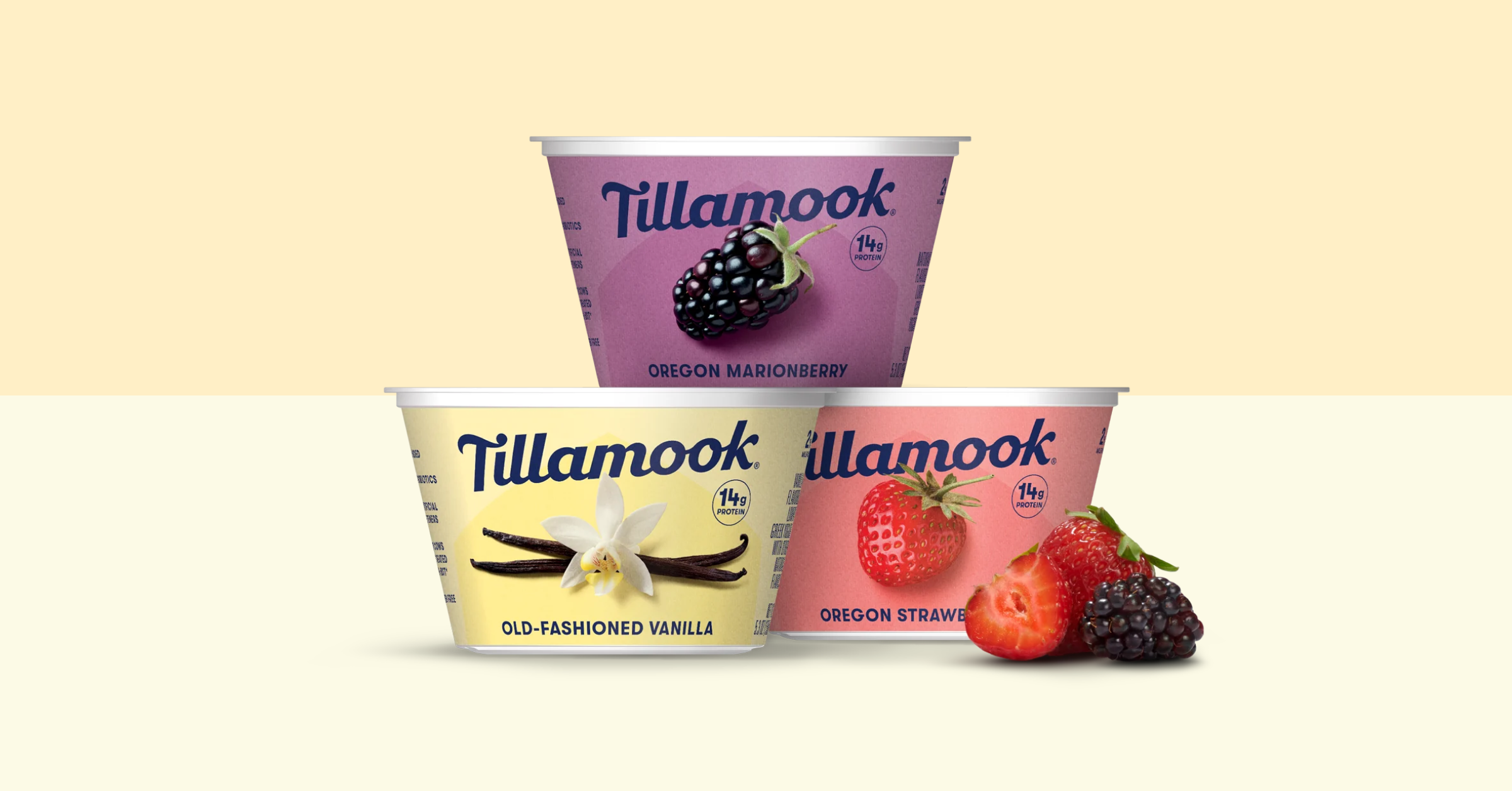
Plus, let’s be brutally honest: you’re not eating Tillamook for your health—you’re eating it because it tastes like a cloud dipped in honey. And that’s okay! The mental health boost from a spoonful of pure bliss counts for something, right?
If you want a massive probiotic hit, grab a Kefir or a brand that screams “contains a billion cultures!” on the front label. Tillamook is your cozy, comforting, “I deserve this” treat, not a prescription.
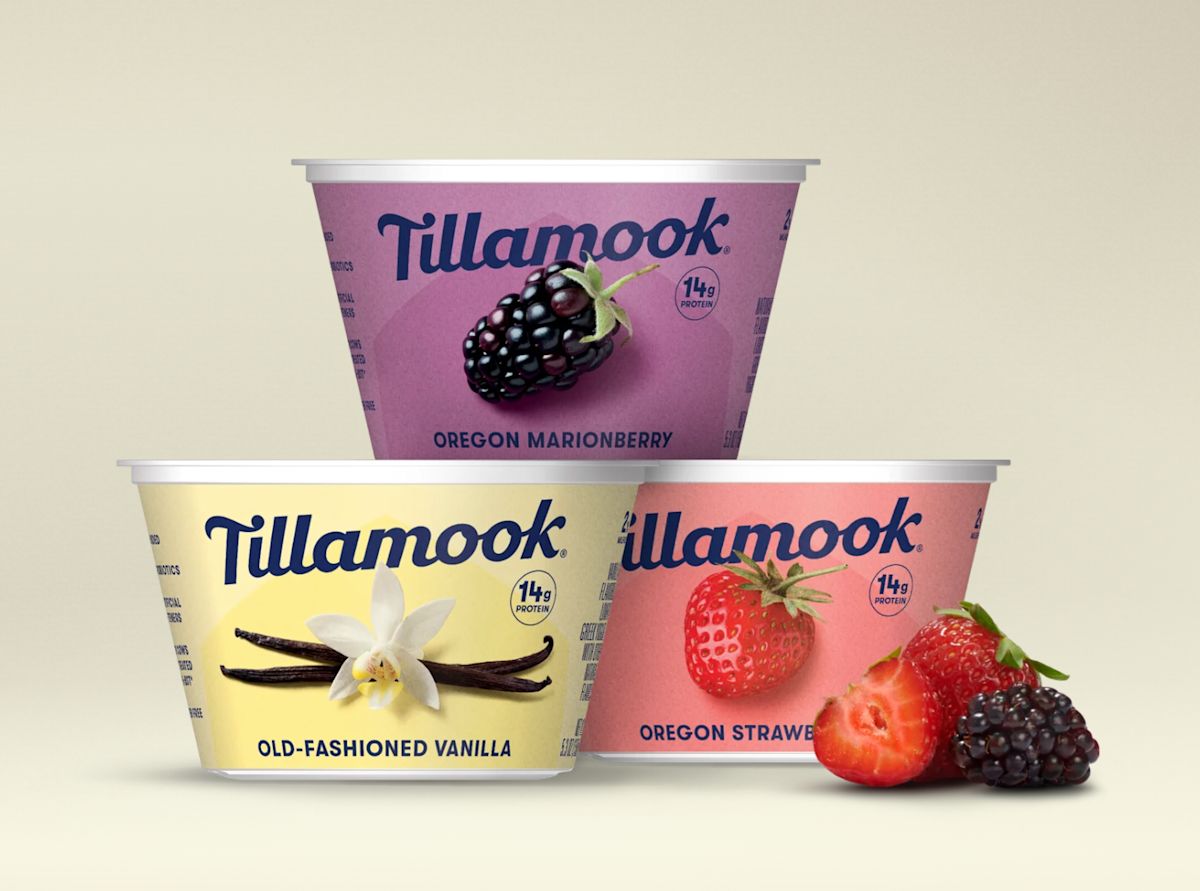
The Final Spoonful
Does Tillamook yogurt have probiotics? Yes, absolutely—just not the mega-dose kind. It’s like having a friend who knows a little bit about fixing cars, but isn’t a licensed mechanic. Helpful, but don’t ask them to rebuild your engine.
So, go ahead and enjoy your Tillamook without guilt. Let it be your creamy, happy escape, and if you want to be a microbiome boss, pair it with a banana or a handful of berries. Those add natural prebiotics, which feed whatever good bugs are already hanging out in your gut.
In the end, a happy belly is a happy belly, whether it’s from a billion lab-grown bacteria or from a spoonful of pure Oregon joy. Just don’t pretend it’s a health cure—pretend it’s a hug in a cup, because that’s what it really is.