Does State Farm Have Home Insurance
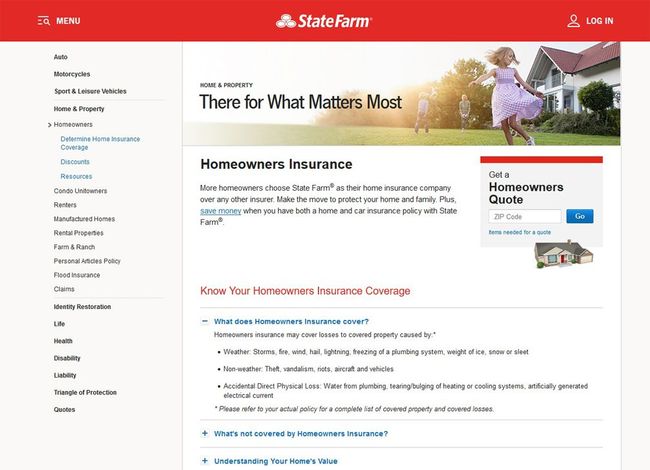
Let’s be honest: most of us know State Farm from that relentlessly catchy jingle—“Like a good neighbor…”—or from the omnipresent Jake from State Farm in his khakis, handling everything from a midnight snack emergency to a meteor strike. But when the conversation turns from commercials to contracts, a very practical question bubbles up: does State Farm actually have home insurance? The short answer is a resounding yes, and it’s not just a side hustle for them; it’s a core part of their business.
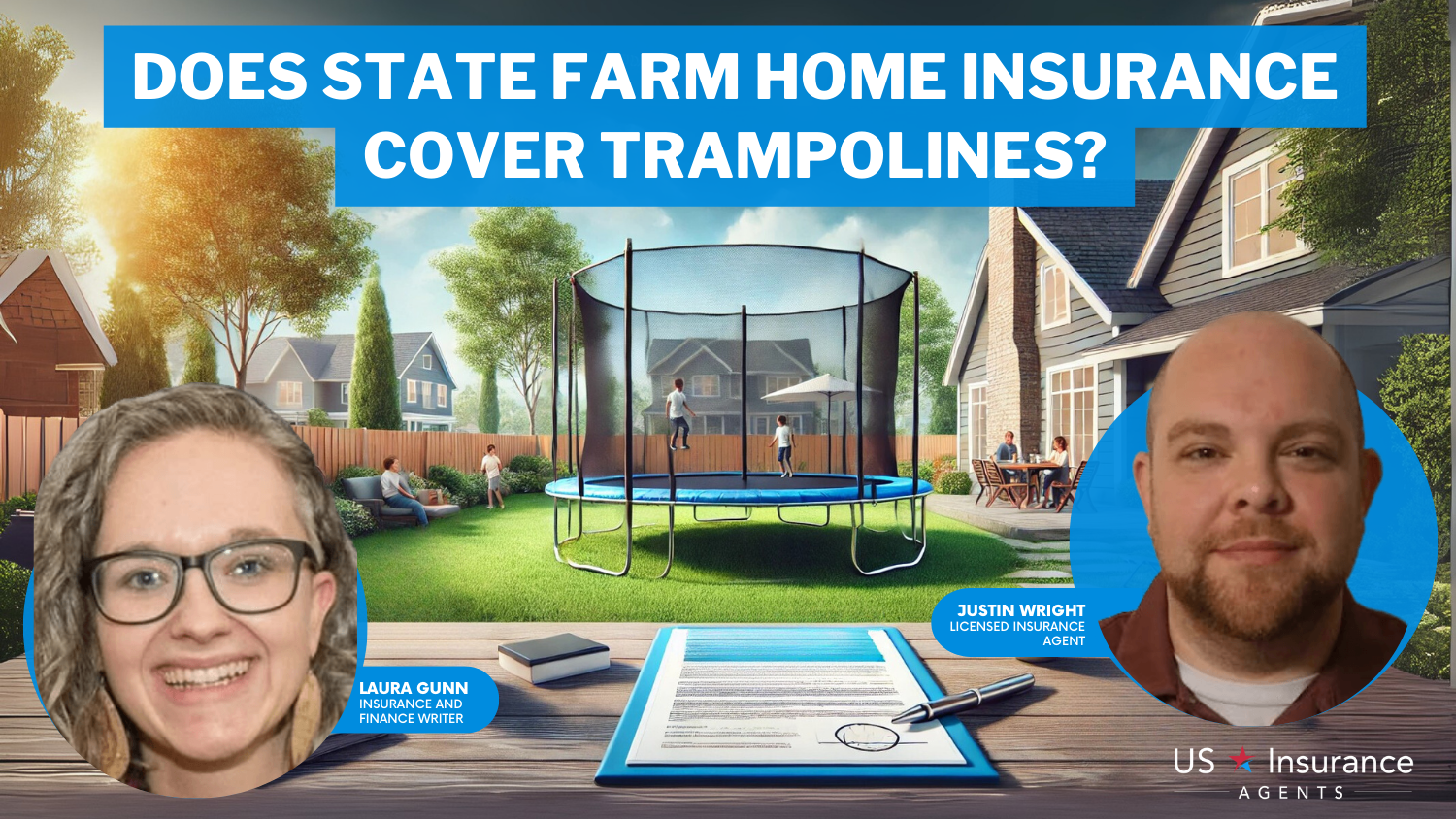
In fact, State Farm is the largest homeowners insurance provider in the United States, holding a market share that makes your favorite streaming service look like an indie startup. They write policies for nearly one in five homes across the country, which means they’ve seen it all—from a rogue backyard trampoline to a basement that decided to become a swimming pool overnight. So, you’re not just buying a policy; you’re plugging into a massive, well-oiled machine designed to handle your home’s dramas, big and small.
What’s Actually in the Policy?
State Farm’s standard homeowners policy, often called an HO-3, is the industry's workhorse. It’s the financial equivalent of a good pair of jeans—reliable, fits most situations, and you don’t have to think too hard about it until you need it.
Must Read
Here’s the breakdown, minus the legal jargon. You get dwelling coverage (to rebuild the house itself), personal property coverage (for your beloved espresso machine and vintage sneaker collection), and liability protection (for when your dog decides the mailman’s leg looks like a chew toy). They also include “loss of use” coverage, which pays for your hotel stays and takeout if your place is being repaired—think of it as a forced vacation, but with more insurance paperwork.
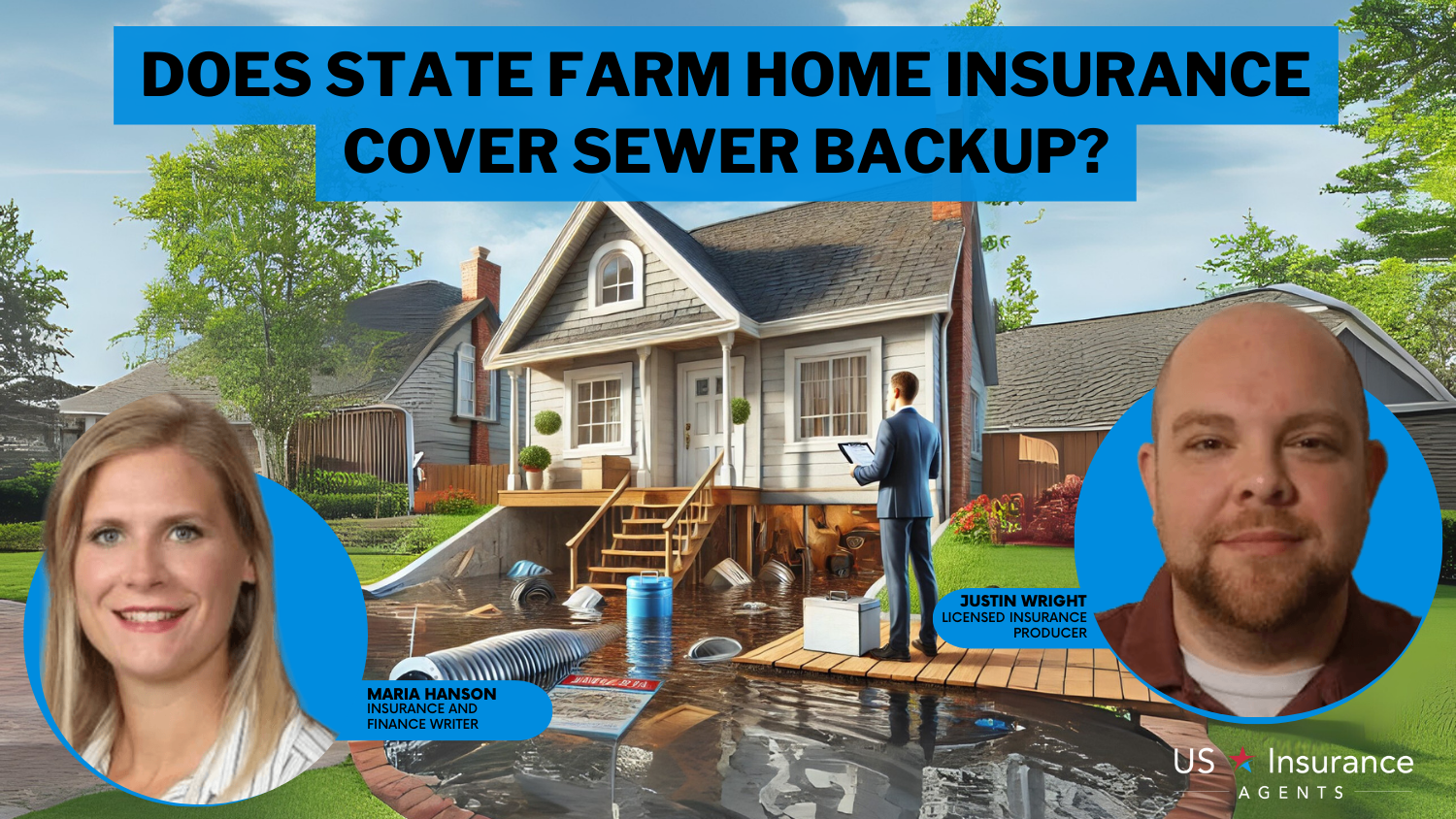
One of the coolest features is their water backup coverage, which is often an add-on. Since basements are basically giant sponges, this rider is a lifesaver; it protects you when the sump pump fails or the city sewer decides to reverse-course into your living room. It’s the kind of thing you don’t think about until you’re ankle-deep in a flood that isn’t covered by your basic policy, so it’s worth the extra few bucks a month.
Customization and the “Stealth” Savings
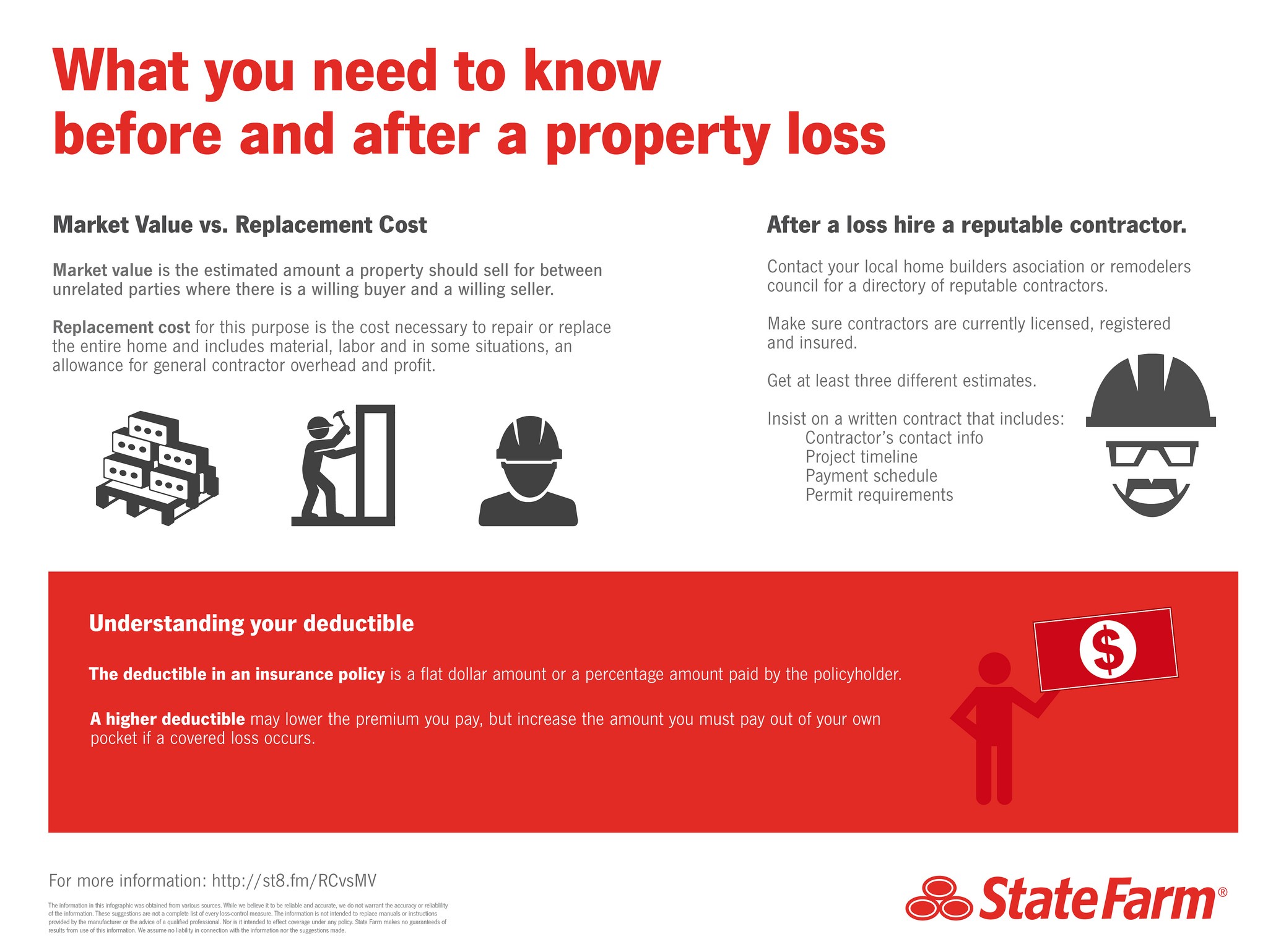
What makes State Farm feel less “big box” and more “bespoke” is their flexibility. They don’t just hand you a one-size-fits-all quote; they let you mix and match deductibles and riders. For instance, if you have a home-based business with expensive equipment, you can add a rider to cover it—because your laptop is not a “personal property” item if you use it to make a living.
Here’s a pro-tip: State Farm offers big discounts for things you probably already do. Bundling your home and auto policies is the classic move, but they also reward you for having a security system, smoke detectors, or even being claim-free for a few years. It’s like being rewarded for responsible adulthood, which is rare in this economy. You can also save up to 8% if you install a whole-house generator—because nothing says “I have my life together” like being prepared for the next big blackout.

Another fun fact: unlike some insurers who use a generic algorithm, State Farm relies heavily on local agents. This isn’t just nostalgia; it means you get a human being who knows that your zip code has a weird tornado alley microclimate, or that the local fire station is actually 12 minutes away, not 5. That human touch can be the difference between a fair settlement and a frustrating one.
The Fine Print and the “Oops” Factor
Now, let’s talk about the elephant in the room: what they don’t cover. Like most standard policies, State Farm does not cover flood damage (that’s a separate FEMA policy) or earthquakes (which is a separate rider). It’s not a scam; it’s just the actuarial reality of catastrophic, regional risks. If you live on a fault line or in a flood zone, you’ll need to add those, and your friendly local agent will happily walk you through it.
One thing that stands out is their claims process. In a world of automated chatbots, State Farm has invested heavily in a smooth, app-based claims system, but they still keep humans on the line. You can snap a photo of a leaky roof mid-storm and file a claim before the pizza delivery guy even arrives. It’s efficient, which is the highest compliment you can pay to an insurance company in the 21st century.
Let’s drop a quick cultural reference: remember the “Mayhem” commercials from Allstate? State Farm quietly positions itself as the anti-Mayhem—the boring, dependable neighbor who fixes the fence, not the one who knocks it down. Their customer satisfaction scores are consistently high, particularly for claims handling, which is essentially the “game day” performance for an insurer.

The Verdict for Your Daily Life
So, does State Farm have home insurance? Absolutely, and it’s arguably the safest bet in the game. But more than that, it offers peace of mind with a human face attached to it. It’s a little bit like having a reliable friend who happens to have a massive corporate legal team and a billion-dollar reserve fund on speed dial.
Ultimately, home insurance isn’t about protecting your drywall; it’s about protecting your life’s story—the scratch on the floorboard from moving your piano, the wall color you chose after a glass of wine, the smell of Sunday pancakes. When the unexpected happens, and it will, you want someone who picks up the phone, knows your name, and says, “Don’t worry, we’ve got this.” In a chaotic world, that little bit of reassurance is worth the monthly premium.
As you scroll past another ad for “Jake,” remember: the real magic isn’t the khakis; it’s the quiet security of knowing your biggest investment isn't just a pile of wood and bricks, but a protected sanctuary. And that’s a story worth sharing—even if it doesn’t have a catchy jingle.