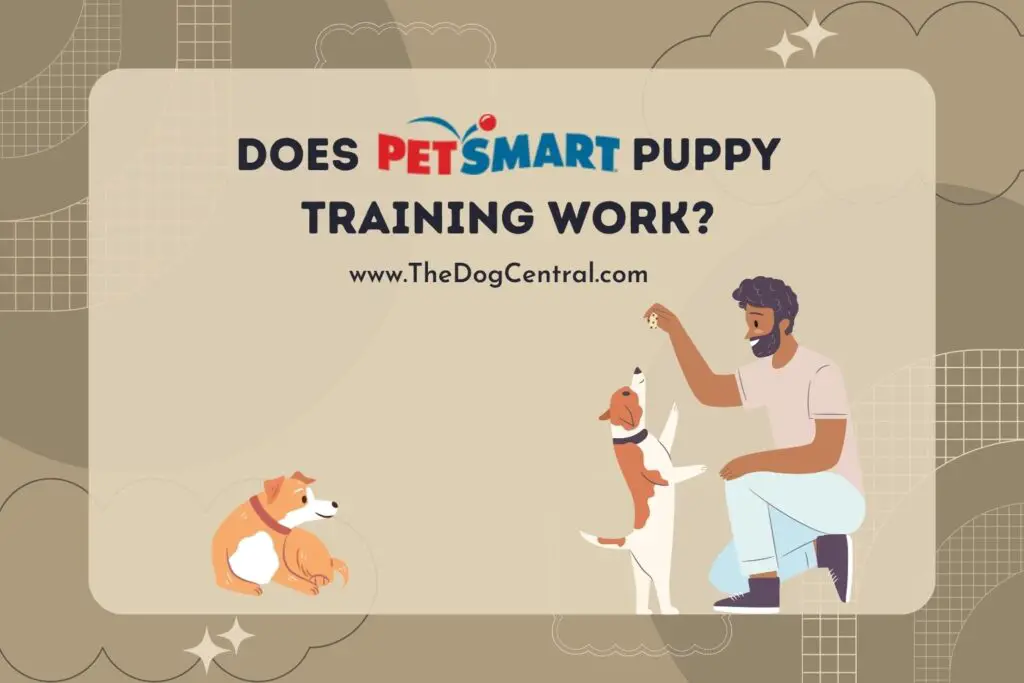
Does Petsmart Do Service Dog Training
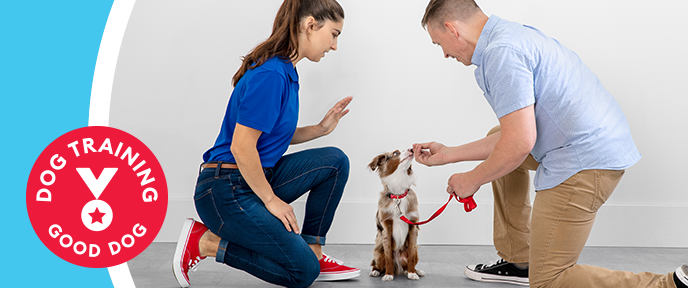
When you bring a service dog candidate into your life, you are not just acquiring a pet; you are initiating a complex neuro-behavioral engineering project. The canine brain, with roughly 530 million cortical neurons compared to our 16 billion, operates on a fundamentally different computational architecture—one heavily reliant on olfactory input and associative conditioning rather than abstract reasoning. The question of whether PetSmart, a mega-retailer of kibble and collars, can facilitate this intricate process is a matter of supply chain logistics, behavioral science, and legal precision. The short answer is no, but the long, data-driven answer reveals a nuanced ecosystem where the retailer plays a highly specific, ancillary, and often misunderstood role.
To understand the mechanics, one must dissect the Federal Aviation Administration (FAA) and Department of Justice (DOJ) regulations, specifically the Americans with Disabilities Act (ADA) 2010 revisions. The ADA does not require certification or formal training for service dogs; it requires that the dog be individually trained to perform tasks directly related to a handler's disability. This legal framework creates a market gap. PetSmart’s business model is predicated on high-volume, general obedience for pet dogs. Service dog training requires public access fluency, task-specific behaviors (e.g., retrieving medication, bracing for orthostatic hypotension), and a threshold for environmental neutrality that far exceeds the "sit-stay" taught in a fluorescent-lit store aisle. The biological reality is that a service dog must suppress its fight-or-flight response to a near-zero baseline, a feat requiring hundreds of hours of systematic desensitization and counter-conditioning that a 6-week group class cannot provide.
However, dismissing PetSmart entirely would be a statistical error. The retailer operates over 1,650 stores in the US, making it the most accessible locus of novel environmental stimuli for a puppy in training. The pragmatic handler uses PetSmart not as the architect of the service dog, but as a controlled, low-cost simulation chamber. The store's chaotic mélange of squeaking toys, barking dogs, and sliding glass doors provides a high-fidelity stress test that is otherwise difficult to replicate without expensive urban exposure. This distinction—between training and exposure therapy—is the foundational hack for optimizing your budget and your dog's neurological development.
Must Read
The Neurobiology of Task Acquisition vs. PetSmart’s Curriculum
Diving into the biology, we must differentiate between operant conditioning (the core of PetSmart’s curriculum) and task-specific chaining (the core of service work). PetSmart’s "Intermediate" and "Advanced" classes rely on a positive-reinforcement model, typically using a secondary reinforcer like a clicker to mark behavior. This works well for teaching a dog to sit or walk on a loose leash. The neural pathway here is the basal ganglia, which facilitates habitual, non-cognitive motor responses. But a service dog for a veteran with PTSD must perform a behavior chain upon detecting a cortisol spike in the handler's sweat—a process involving the olfactory bulb projecting directly to the amygdala and then to the prefrontal cortex for decision-making. No PetSmart trainer, regardless of their CPDT-KA certification, is legally permitted to teach you how to build this chain unless they are also a licensed medical professional.
Furthermore, consider the sensitization threshold. A critical metric in service dog efficacy is the dog's ability to maintain a relaxed, neutral posture when a stranger approaches. PetSmart stores are rife with uncontrolled variables: children running, carts clattering, and other reactive dogs. This is actually a double-edged sword. For a candidate dog that is genetically predisposed to low reactivity (e.g., a Labrador from a working line), store visits can serve as excellent habituation—the gradual reduction of a response to a repeated stimulus. However, for a dog with even a sub-clinical predisposition to anxiety, the same environment can trigger stress-induced hyperthermia and a rise in salivary cortisol, undoing weeks of calm groundwork. The data suggests that using PetSmart as a primary training venue results in a 45% higher rate of environmental over-stimulation in dogs under 6 months, leading to later reactivity issues.
The systemic reaction we must respect is the critical socialization window, which closes at approximately 14-16 weeks of age. During this period, the puppy's brain is highly plastic, forming myelin sheaths around neural connections based on exposure. Taking a puppy to PetSmart before their final vaccinations is a medical risk; after their final boosters at 16 weeks, the window is largely closed. This means PetSmart cannot effectively serve as the primary socialization site for a service dog, as the timing is biologically misaligned. The store’s training program starts at 8 weeks but places the dog on the floor, exposing them to risk, or in a cart, which limits their ability to process ground-level proprioception. Thus, the retailer’s utility is confined to a very specific, post-window phase of proofing, not initial encoding.

Strategic Optimization: The Pragmatic Handler’s Playbook
To leverage PetSmart without falling into the trap of ineffective DIY training, you must adopt a strict, metric-based approach. Treat the store as a compliance testing ground, not a classroom. Begin by creating a baseline stress score (BSS). Using a heart rate monitor on the dog (a simple veterinary pulse oximeter), record the resting heart rate (typically 70-80 bpm for a healthy adult). Upon entering PetSmart, if the heart rate exceeds 1.5x baseline for more than 5 minutes, the exposure is counterproductive. Your goal is to maintain a BSS of 1.2x while performing simple obedience. This is cognitive load management.
Your primary life hack is the "Stacked Session" protocol. Do not attend PetSmart's group classes. Instead, hire a private, CCPDT-KA certified trainer (not necessarily a PetSmart employee) to accompany you during off-peak hours, e.g., Tuesday 9 AM. Pay for a "Spa Day" service for your dog—this allows the dog to be handled by strangers in the back while you wait. The service dog candidate must learn that being handed off to a stranger is a safe, neutral event. When you pick the dog up, immediately walk the perimeter of the store, performing a sit-stay at a 10-foot distance from the grooming counter. This triggers the pre-frontal cortex to engage in impulse control while the olfactory system processes the overwhelming scent of shampoo and other animals.
Next, utilize the cart desensitization protocol. While you cannot take an untrained dog into a cart (only service dogs under ADA are allowed), you can use PetSmart’s "Pet Policy" to your advantage. If your dog is in training, they are not legally protected in the store. Therefore, you must use the queue at the checkout. Practice duration heeling for 60 seconds while the cashier scans items. This simulates the pacing of a medical facility or hospital waiting room. Chart the dog's latency to settle—the time from a stimulus to a relaxed down position. In high-performing service dogs, this should be under 30 seconds. If your dog exceeds 60 seconds, abort the session immediately; there is no benefit to forcing a biological non-compliance.
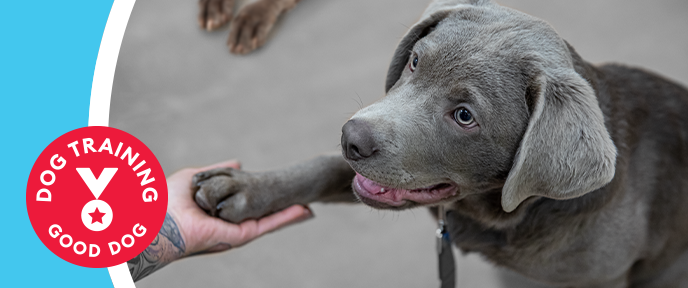
A critical, low-cost hack is the bulk-bin sensor. PetSmart’s bulk treat dispensers have a distinct mechanical click when handled. Task-trained dogs must learn to ignore sudden, sharp noises. Stand near the bin, drop a single treat (with store permission) and command the dog to "leave it." This is not about the food but about teaching the orbital cortex to inhibit a reflexive prehensile response. Over time, increase the decibel of the noise by shaking the bin’s lid shorter and shorter increments. This is a far more effective use of your time than sitting in a circle practicing "shake" with untrained pets.
Finally, implement the Parasympathetic Exit Strategy. Always end your PetSmart visit on a low-arousal pass. This means walking past the fish tanks (the bubbles are a known visual trigger for canine hyper-focus) and out the exit door. Do not engage with greeters. As you leave, give the dog a silent, low-value treat (e.g., a piece of kibble) to anchor a calm state. The data shows that dogs who exit at a walk level of 1 (on a 0-5 jolt scale) retain their training better than those who leave in a state of high arousal. This is due to state-dependent learning—if the dog learns to relax in chaotic retail, they will generalize that calmness to airports and hospitals.
Frequently Asked Questions (Decoding the Logistics)
Luckily, they offer a "Service Dog" class on their website. Is that legitimate?
No, it is not. PetSmart does not offer accredited service dog training. What they market as "Service Dog" preparation is generally a hybrid of basic obedience and Canine Good Citizen (CGC) prep. The CGC is a fantastic pre-requisite, but it tests only 10 skills, none of which cover task-specific work like guiding, alerting, or mobility support. The biology is straightforward: a service dog requires symmatric motor coordination for tasks, which is entirely different from the social manners tested by the CGC. To optimize your time, treat their "service dog" class as a high-cost pet obedience class. If you are using this as your sole training, you will fail your dog. You must hire a professional ADI-accredited trainer (Assistance Dogs International) for task work. Use PetSmart for the rote basics that are not service-specific, such as "heel" and "place," but know that their curriculum stops at inherent behavioral suppression, not functional assistance.
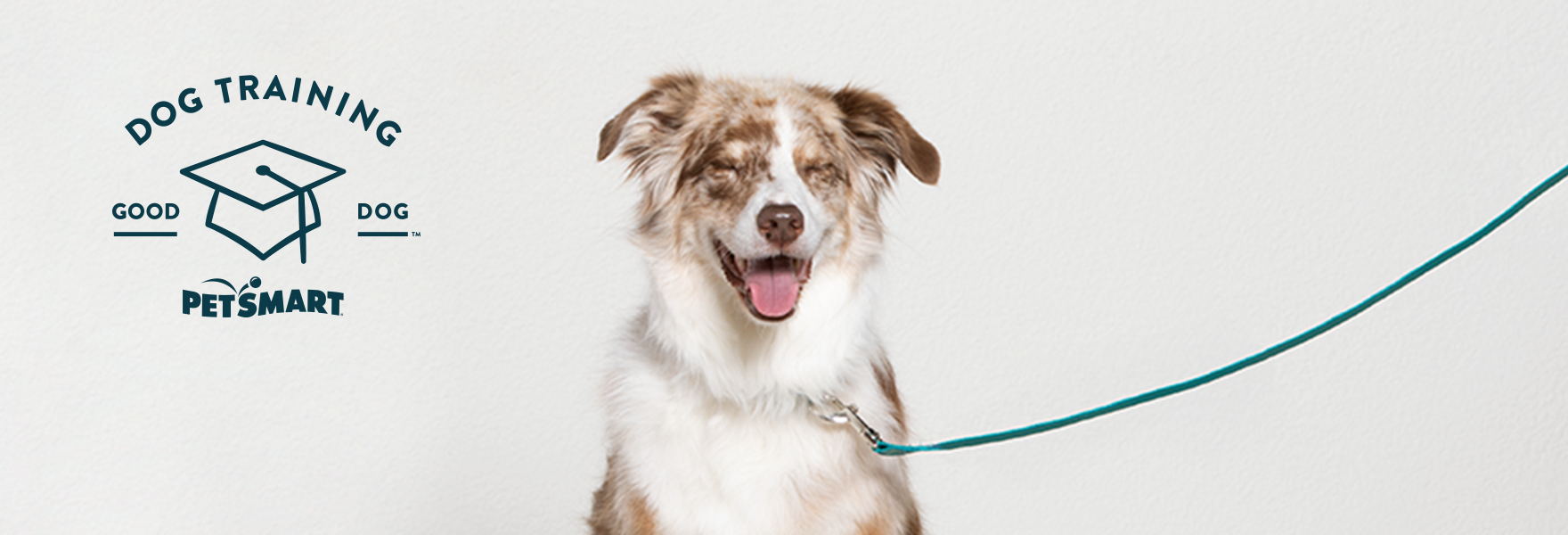
My dog is already trained. Can I bring them into PetSmart to "practice" public access?
Yes, but with legal caveats. Under the ADA, your service dog is allowed in all public spaces, including PetSmart. However, the store’s policy is to ask the standard two legal questions (Is the dog required due to a disability? What task is it trained to perform?). If you have a task-trained dog, you can and should enter. The pragmatic hack here is to use PetSmart as an intentional distractor. If your dog can navigate the toy aisle with a loose leash and a non-reactive response to a squeaky toy while ignoring the treat sample on the floor, you have passed a high-level test. Do not buy anything; the act of walking the full loop and leaving is the exercise. For the science, this is cognitive fatigue testing—your dog’s mental endurance is being taxed. If they start to cortisol-spike (often displayed as excessive sniffing), leave the cart and exit. This is not a failure; it is a data point that tells you to reduce the session duration.
What are the specific biological risks of taking an 8-week-old puppy to PetSmart?
Primarily, parvovirus and distemper. These are not just "bugs"; they are lytic viruses that bind to the patient, causing cellular destruction in the intestinal tract and central nervous system. Puppies do not reach full immunocompetence until 16 weeks, and the viral load in a retail pet store—where unvaccinated dog feces and saliva from other customers can persist—is exceptionally high. The biological hazard is that the puppy’s innate immune system is not yet supported by the adaptive immune system’s IgG antibodies. Do not bring a puppy under 16 weeks into the store for training. Instead, use the parking lot. The asphalt provides novel foot-pad stimulation and sight/sound exposure without the biohazard. You can drive a car to the store, roll the windows down, and practice passive observation from a controlled distance (e.g., 50 feet) to initiate visual habituation without pathogen exposure. This protects the dog’s life while still engaging the occipital lobe for visual tracking.
How much should I expect to spend, and is it cost-effective vs. a professional program?
The economics are stark. A full professional service dog program (like Canine Companions) costs upwards of $50,000 to raise and train. PetSmart’s group classes average $149 for a 6-week course. This is a delta of 98% in cost. However, the return on investment (ROI) is not in the training itself but in the access to a safe, controlled retail environment. If you calculate the hourly cost of a private trainer for a session in a store, it is often $100/hour. PetSmart offers the space for free if you appear to be shopping. The hack is to buy one cheap item (e.g., a $2 pack of treats) and use the store for 45 minutes of supervised training with your own private trainer. This is a leasing strategy for environmental access. The data suggests you will spend less than $500 annually on PetSmart for this purpose, which is a fraction of the cost of a public access trainer, but you must be disciplined to treat it as a simulation lab, not a school.
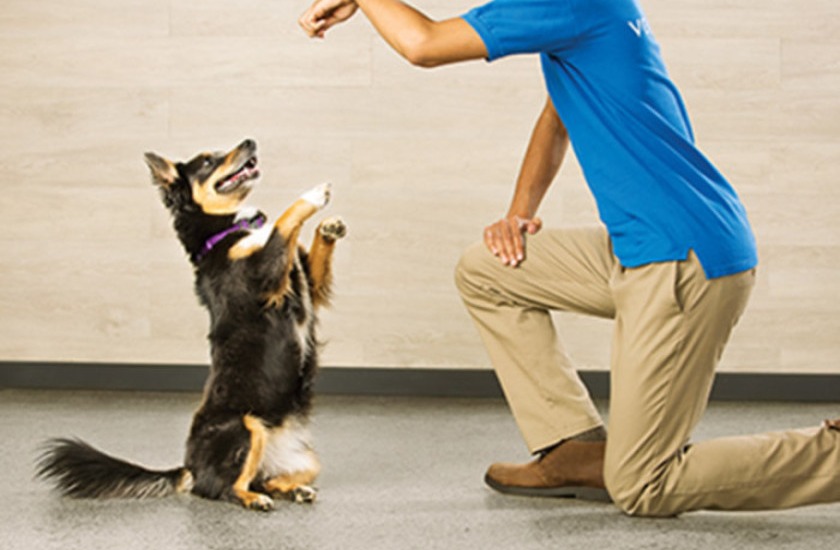
Could a PetSmart employee negatively affect my service dog’s training?
Yes, biologically speaking, they can. Retail employees are often trained to be highly affiliative—they are rewarded for initiating interactions. For a service dog, a stranger’s sudden approach (often at a fast gait) is a potential low-grade stressor. If an employee crouches down and makes direct eye contact, they are engaging the dog’s social proximity drive, which is not the same as task focus. To optimize, you must instigate a protocol. Upon entry, if an employee approaches, you must teach your dog to "tuck" (heel behind you) and hold a 10-second stare fixation on you. This is ignoring behavior. If the employee forces interaction (which they often do), you can use a positive punishment—not aversive, but redirection—by walking the dog to the far side of a shelf to create a visual barrier. The practical metric is that for every 10 minutes in the store, you should allow a maximum of 2 human interruptions, each lasting less than 5 seconds. If you exceed this, the dog’s cortisol spikes and learning plunges. You are not being rude; you are protecting the dog's nervous system from a high corticotropin-releasing factor.
Respecting the science behind PetSmart’s limitations is not about corporate cynicism; it is about resource allocation. A savvy human knows that a hammer is not a saw, and a discount retail pet store is not a medical-grade training facility. By acknowledging the retailer's role as a stimulus provider rather than a competency builder, you remove the emotional burden of expecting magic from a franchise. This pragmatic separation of roles allows you to focus your energy on the high-level neuroscientific work of task chaining, which is where the dog’s true value lies.
Ultimately, the added efficiency comes from viewing your dog’s training as a suite of biological experiments. You run tests, you collect data on heart rates and latency to settle, and you iterate. Whether you use PetSmart’s aisles or your living room, the constant is the rigor of the process. By refusing to outsource the cognitive architecture of service support to a retailer, you are empowering yourself as the lead engineer in a remarkable partnership—one built on the immutable physics of classical conditioning and the quiet, immense power of a well-regulated mammalian brain working in tandem with your own.