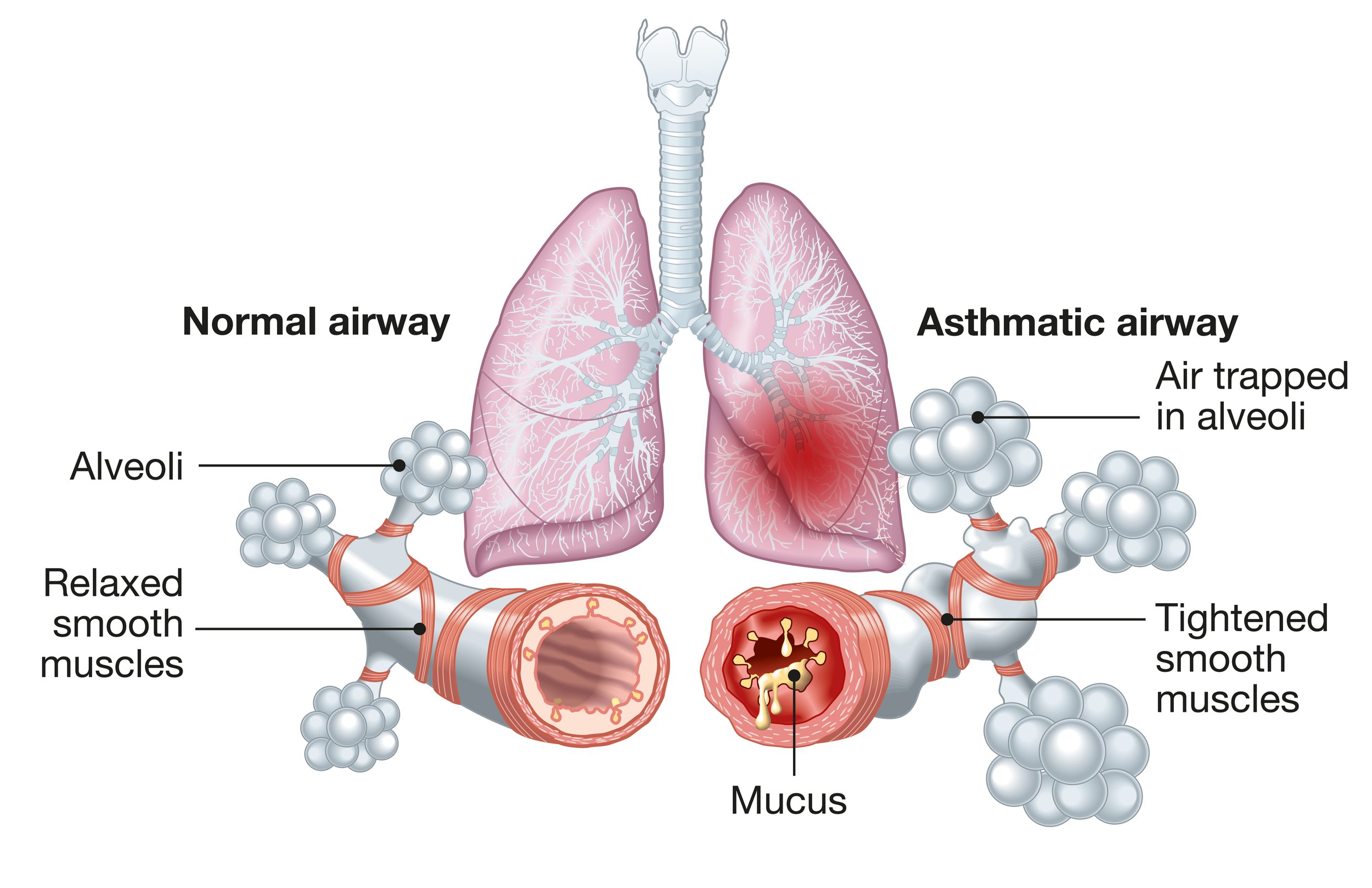
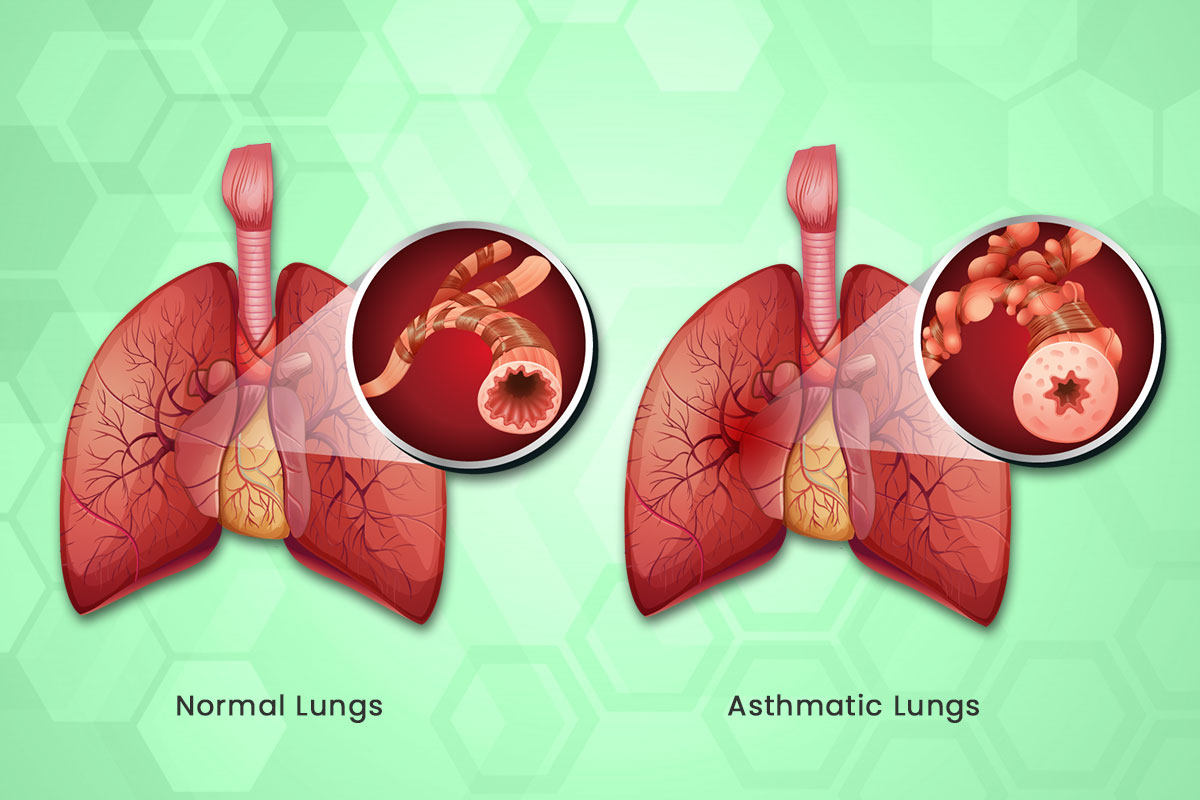
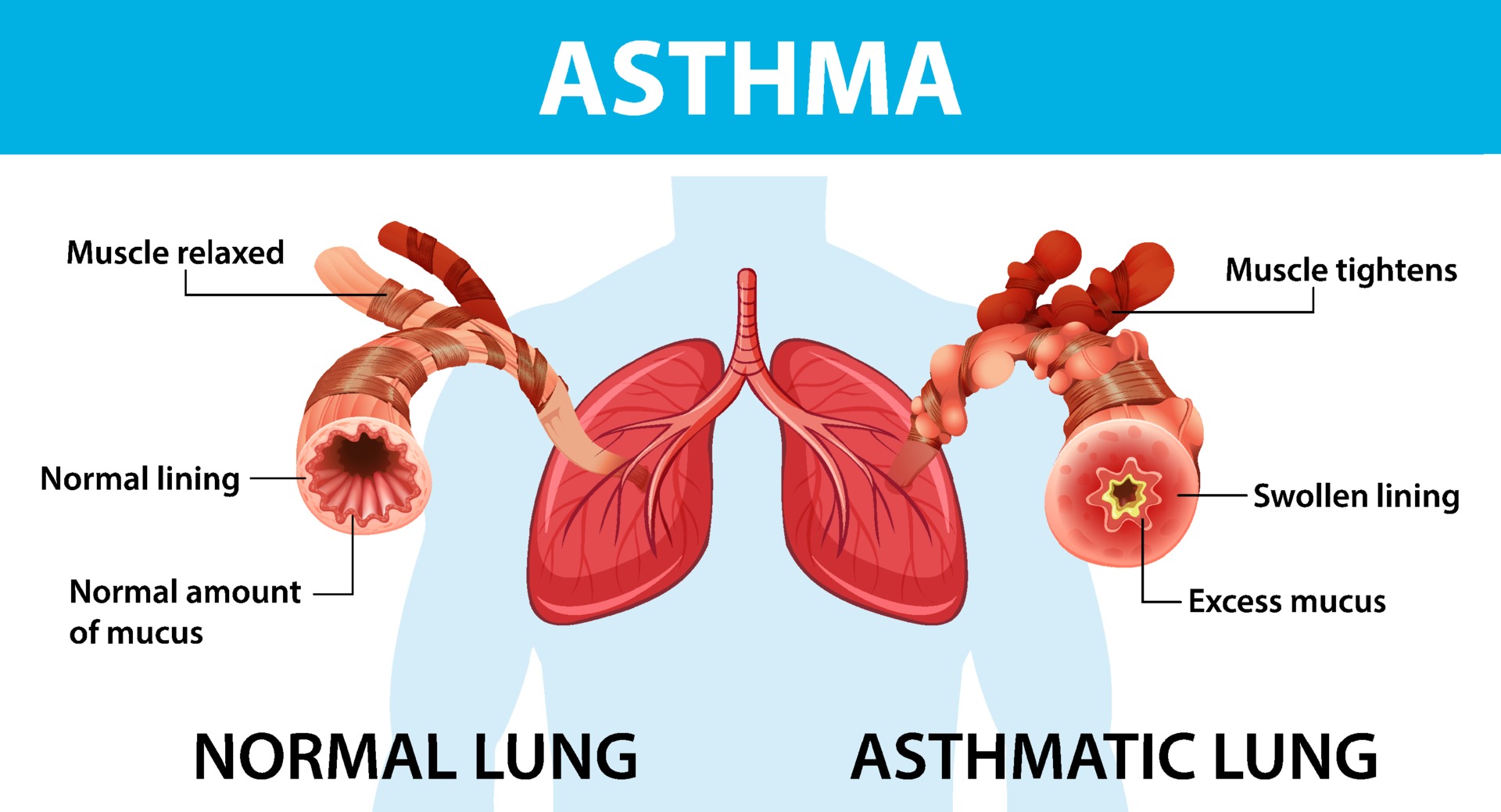
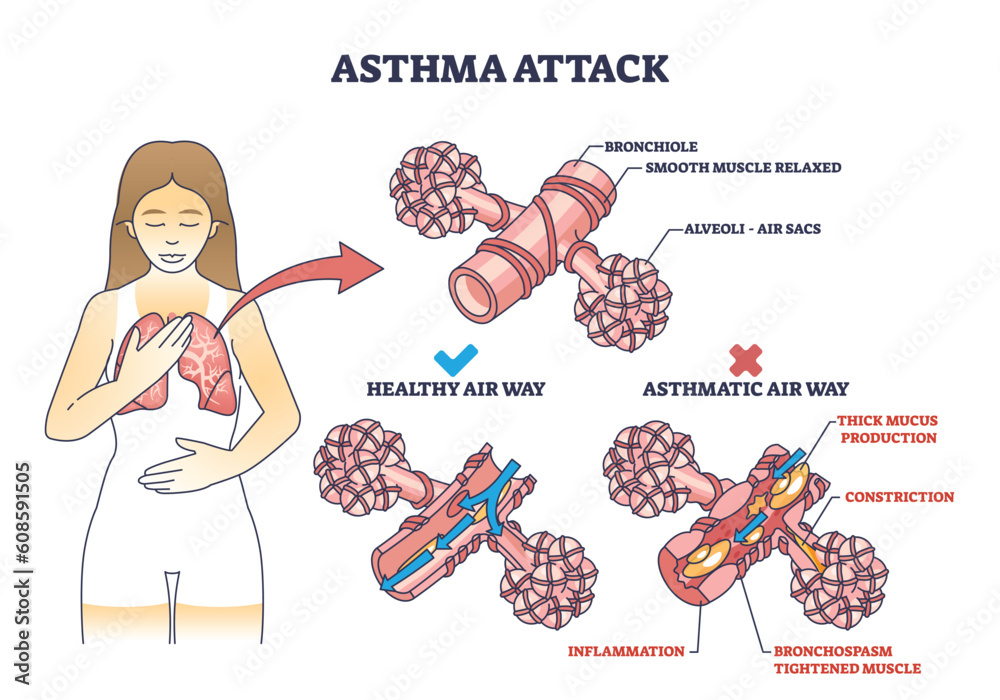
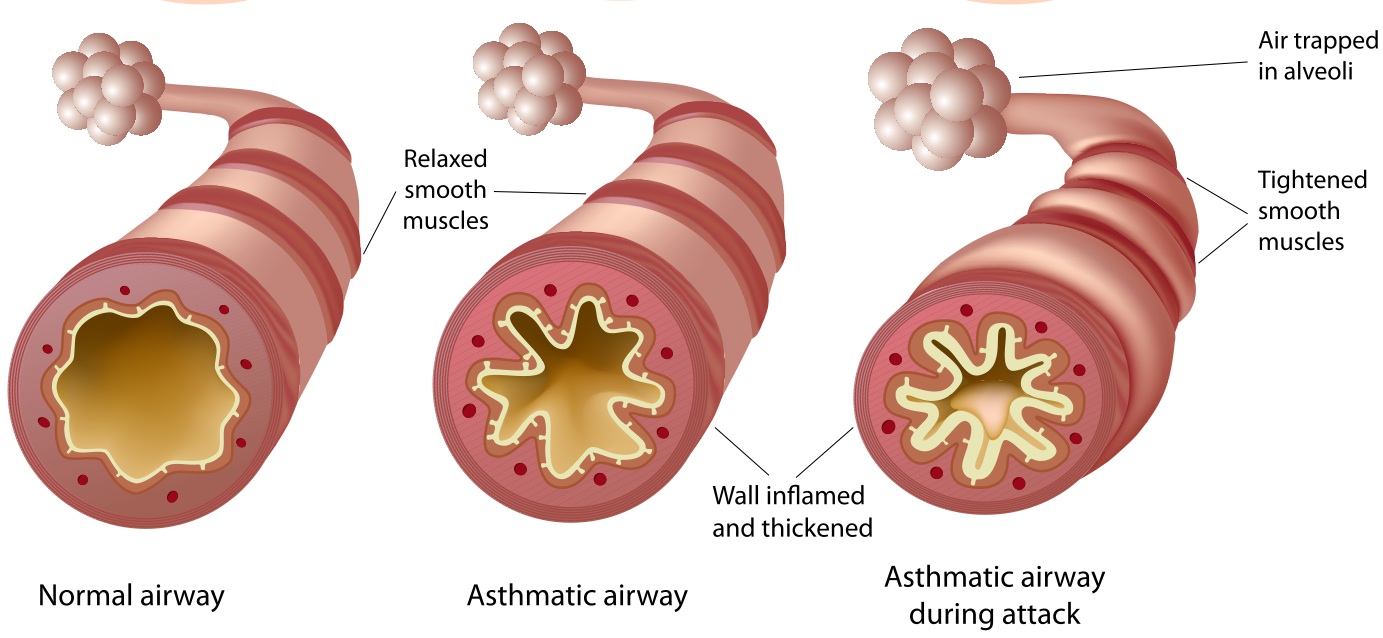
Does Asthma Cause Hyperinflated Lungs
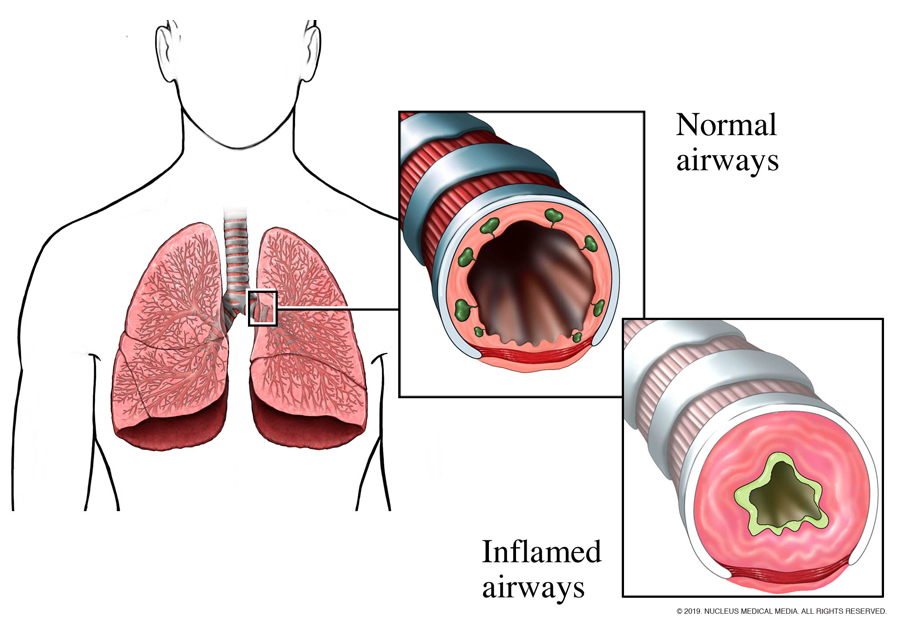
There is a peculiar intimacy in the way we remember our first breathless moments. For those of us who grew up with asthma, the memory is often not of the wheeze itself, but of the space it created—the strange, hollow feeling in the chest, as if the lungs had become vast, silent cathedrals where air once echoed. I recall, in the late 1970s, sitting on the cool linoleum floor of my grandmother’s kitchen, clutching a glass of warm water, while she insisted that a spoonful of honey and a whisper of a prayer would “open the pipes.” We didn’t have the words for hyperinflation then; we just knew that my chest felt too full and too empty at the same time. This was the era before peak flow meters, before the ubiquitous blue inhaler, a time when asthma was treated with a kind of folkloric reverence, a mystery tucked between the ribs. The history of asthma is a history of trying to map that internal landscape, a journey that begins not in a laboratory, but in the anxious, loving arms of caregivers who watched their children struggle for a breath that never felt quite deep enough. The term “hyperinflated lungs” was, for decades, a secret whispered among radiologists and pathologists. It wasn’t a patient-facing diagnosis; it was an autopsy finding, a post-mortem curiosity. When I discovered an old medical text from 1932, brittle and yellowed, it described the asthmatic chest as “emphysematous in character,” noting that the lungs remained “voluminous and pale” even after death. This was the early, observational stage of our understanding. Doctors in the 1950s, armed with rudimentary X-ray machines, would squint at the dark films and note the flattened diaphragm, the widened intercostal spaces, the increased retrosternal air gap—all silent hallmarks of air being trapped. But they lacked the physiological narrative. They saw the result—the balloon-like over-inflation—but couldn’t connect it to the dynamic, obstructive processes occurring in the small airways. The human necessity behind this early investigation was stark: understanding why some asthmatics survived attacks and others didn’t, and why the elderly asthmatic often seemed to have a permanently barrel-shaped chest, unable to expel the very air they so desperately needed to replace. It took the revolutionary work of physiologists and the advent of body plethysmography in the late 1960s and 1970s to begin translating those static images into dynamic stories. The invention of the forced expiratory volume (FEV1) test, and the subsequent measurement of residual volume and functional residual capacity, allowed clinicians to quantify what the patient had always felt: the lungs were retaining air. The initial necessity was diagnostic clarity—to separate asthma from chronic bronchitis, from emphysema, from the panoply of breathless diseases. But the deeper necessity, the emotional one, was to validate the patient’s subjective experience. For the first time, a doctor could say, “Your lungs are not just ‘tight’; they are literally trapping air, and that is why you feel so profoundly hollow.” This was a pivotal moment. It moved asthma from the realm of nervous disorders (a common Victorian and Edwardian mislabeling) into the realm of hard, measurable pulmonary mechanics, giving patients a tangible enemy to fight, rather than a nebulous anxiety to endure.
The Age of Air Trapping: From Balloons to Bronchospasm
The great transformation in understanding hyperinflation came with the recognition that it was not a static state, but a dynamic failure of expiration. In the 1980s, as our understanding of airway inflammation deepened, we began to see the lung not as a passive balloon, but as a series of millions of tiny, delicate balloons—the alveoli—connected by a complex network of bronchioles. The “forgotten vintage fact” of this era was the so-called “airway closure” phenomenon. Researchers like Dr. Peter Macklem, a giant in respiratory physiology, demonstrated that in asthma, the small airways collapse before expiration is complete, effectively snapping shut like trapdoors, leaving the air behind them stranded. It was a bizarre juxtaposition: the lungs were fighting for air in, but the enemy w was the inability to let air out. The treatment in previous decades, the infamous “asthma cigarettes” of the 1930s, which contained stramonium, would have actually exacerbated this trapping by drying and irritating the mucosa, while providing a temporary, dangerous bronchodilation. We were, in a sense, pushing the balloon harder at its weakest point. By the 1990s, with the global asthma epidemic reaching its peak, the discussion moved from the macroscopic to the microscopic. The introduction of inhaled corticosteroids as a first-line therapy fundamentally altered the trajectory of hyperinflation. We realized that the persistent, low-grade inflammation was remodeling the airways, causing a chronic thickening of the smooth muscle and a permanent loss of elastic recoil in some long-term sufferers. This was a sobering, analytical revelation: hyperinflation was not always fully reversible. The vintage myth that asthma was merely “reactive” was replaced by the more nuanced and frightening reality of structural change. I remember reading a study from the late 1990s that used high-resolution CT scans to visualize the lungs of asthmatics, and there it was, in grayscale glory: the lungs were visibly too large for the thoracic cavity, compressing the heart and leaving a saber-sheath trachea. The treatment paradigm shifted from merely relieving bronchospasm to preventing the structural collapse, leading to the modern “controller” versus “reliever” distinction—a direct acknowledgment that we were fighting a war of volume, not just a battle of spasms.Hacking the Hollow: Modern Mechanics and Digital Breath
Today, the classic principles of hyperinflation are being hacked by data-driven, precision medicine approaches that would have seemed like science fiction to my grandmother. The humble peak flow meter has evolved into smart, Bluetooth-enabled spirometers that pair with smartphones, creating longitudinal graphs of expiratory flow that patients can share with their pulmonologists in real time. We are no longer asking, “Does the patient have hyperinflation?” but rather, “How much lung volume is being gained or lost across different micro-environments—during pollen season, after exercise, or even after an argument on the phone?” The modern hack is the “dynamic hyperinflation” assessment—using the inspiratory capacity (IC) test to detect the insidious increase in end-expiratory lung volume that occurs during exercise, even when the FEV1 appears normal. This allows for the optimization of bronchodilator therapy, ensuring that the drug targets the expiratory muscle dynamics, not just the inspiratory rush. Furthermore, the futuristic leap is the use of electrical impedance tomography (EIT), a bedside imaging tool that provides a real-time, breath-by-breath map of regional ventilation. This is the ultimate hack of the 1932 X-ray—instead of a static shadow, we now watch the lung inflate and deflate in a rainbow of colors, identifying which lobes are trapping air and which are perfusing blood efficiently. The modern patient, wrapped in a sensor-laden vest, becomes the living monitor of their own thoracic geometry. The internet of medical things is turning the ancient, nostalgic fear of the “hollow chest” into a quantifiable, controllable variable. We are moving from treating the symptom of breathlessness to actively shaping the physical space of the lungs, using biologics like anti-IL5 therapies to reduce the eosinophilic inflammation that drives the remodeling, thus preserving that precious elastic recoil and preventing the insidious hyperinflation from becoming a permanent architectural flaw of the thorax.Frequently Asked Questions: The Long Breath of History
Does hyperinflation mean my lungs are actually bigger, or is it just a sensation?
This is a beautifully human question, echoing the sentiments of the 1950s when patients feared their chests were “growing a cage” around them. The answer, rooted in modern physiology, is both. Hyperinflation is a true, measurable increase in the total lung capacity and, more importantly, the functional residual capacity (the amount of air left in the lungs after a normal, passive exhale). The lungs themselves are not growing new tissue; rather, they are remaining inflated at a higher baseline. Imagine a balloon that has lost some of its stretchiness—it takes up more space at rest because the elastic walls are weakened or the airways are blocked, trapping air downstream. This is not a sensation; it is a physical state confirmed by body plethysmography, which measures the volume of gas in the chest. The historical myth that it was purely “nervous hyperventilation” was debunked in the 1960s, and today, we know it is a mechanical consequence of obstruction. It feels like a size increase because the diaphragm gets flattened and the rib cage is pushed outward, making the chest appear barrel-shaped over time, a finding that was first described in the 18th century by physicians who called it “emphysematous asthma.”
However, the perception of size is indeed amplified by the nervous system. A hyperinflated lung stretches the visceral pleura and the intercostal muscles, activating stretch receptors that send a constant barrage of signals to the central nervous system, creating an unshakable sense of “tightness” and an urge to inhale even when your oxygen saturation is normal. In the past, this led to the dangerous practice of giving sedatives to “calm the breathing,” which often worsened respiratory failure. Modern management, thankfully, focuses on reducing the gas trapping through bronchodilators like salmeterol and anti-inflammatory drugs, which restore the airway patency and allow the lungs to deflate to a more normal resting volume. The sensation of “bigness” and the objective measurement are two sides of the same coin, but the modern hack is that we can now target the objective side with medication, while behavioral breathing techniques, like Buteyko, help the patient tolerate the subjective side without panic.
Can hyperinflation from asthma cause permanent damage, or does it go away with treatment?
The nostalgic answer from the 1970s was a gloomy “once an asthmatic, always an asthmatic,” with the implication of progressive lung damage. The modern, analytical answer is far more nuanced and hopeful. The key differentiator is reversible versus chronic hyperinflation. Acute asthma attacks, even severe ones, typically cause dynamic hyperinflation—excessive air trapping during the attack—which is usually fully reversible within hours or days with effective bronchodilator and corticosteroid therapy. The lungs, in a youthful, non-remodeled state, have excellent elastic recoil and will snap back to their normal shape, much like a properly inflated tire finding its intended pressure again. This is why, in the 1980s, we saw asthmatics in remission who had perfectly normal lung volumes; the hyperinflation was a temporary crisis, not a permanent condition.
Must Read
But the shadow of chronicity grows with years of uncontrolled inflammation. When asthma is poorly managed, the persistent inflammatory cascade leads to airway remodeling—thickening of the smooth muscle, deposition of collagen, and damage to the alveolar attachments themselves, a condition that closely mirrors the pathology of early emphysema. In these cases, decades later, the hyperinflation becomes fixed. The lungs lose their ability to deflate fully, even when the bronchi are wide open. The historical turning point was the 1999 landmark study by Dr. James Lange and colleagues, which demonstrated an accelerated decline in FEV1 among asthmatics, showing that untreated asthma was a structural destroyer. The good news, the modern futuristic possibility, is that the aggressive early use of inhaled corticosteroids and novel biologics like Dupilumab and Tezepelumab is showing a genuine ability to halt and perhaps even reverse some aspects of this remodeling. The lungs are resilient, but they are not immortal; the treatment now is no longer just to relieve the wheeze, but to protect the elastic architecture against the relentless passage of time and inflammation.
Is it possible to have hyperinflated lungs without feeling out of breath?
Strangely enough, yes, and this was a clinical puzzle that haunted physicians in the pre-modern era. In the 1930s and 1940s, doctors would X-ray a patient’s chest, see significant hyperinflation, and then converse with a patient who claimed to feel “perfectly fine.” The vintage assumption was that these patients had a high “pain tolerance” or were “stoic.” The analytical truth is far more elegant: the body adapts via a phenomenon called normo-ventilation with increased dead space. A hyperinflated lung has a larger volume of conducting airways (the dead space) that does not participate in gas exchange. To maintain normal blood oxygen and carbon dioxide levels, the patient subconsciously increases their tidal volume (breathing slightly deeper) while maintaining a slower, more deliberate respiratory rate. They are, in effect, moving more air but with less efficiency, allowing them to feel “fine” during rest. However, this compensation has a limit. The diaphragm, flattened by hyperinflation, becomes a less efficient pump. It can no longer generate the same negative pressure it once did, putting the accessory muscles (neck and shoulder muscles) at a mechanical disadvantage.
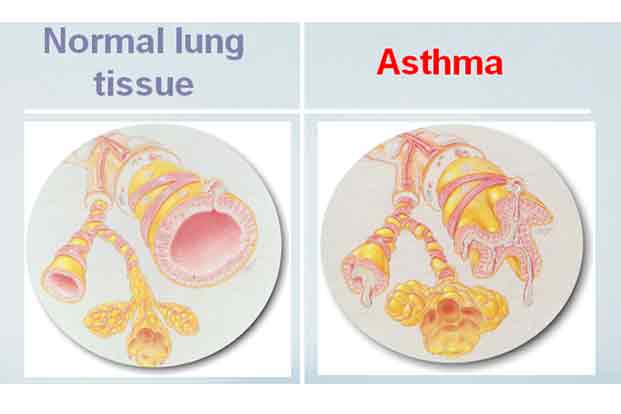
This explains why some asthmatics with profound hyperinflation only notice breathlessness during exertion. Their resting state is a delicate balance—a normal breath feels okay because the body has recalibrated its volume set-points. But the moment metabolic demand rises, the lungs cannot increase their already inflated volume sufficiently, and the diaphragm, stretched over a flat dome, fails to contract effectively. This is called ventilatory limitation. The modern interpretation, thanks to cardiopulmonary exercise testing, is that the body is a master of silent sacrifice. It gives up the feeling of breathlessness at rest to maintain oxygenation, but it pays the price in a severely reduced exercise reserve. The takeaway is that hyperinflation is a silent thief of functional capacity, and the absence of dyspnea at rest is not a sign of health, but a marker of an incredibly adaptable—but ultimately strained—respiratory system that is one small stressor away from a catastrophic decompensation.
Looking into the next twenty years, the landscape of hyperinflation will be radically reshaped by bioengineering. I envision a future where we have “smart” bronchial stents, not made of metal, but of a bioresorbable, drug-eluting polymer that physically holds the small airways open during expiration, preventing the trapdoor collapse altogether. These “airway scaffolds” would be dynamically responsive, expanding and contracting with neural signals, effectively giving a remodeled lung its elastic recoil back. The nostalgic quest to simply “open the pipes” will have been solved not with a bronchodilator, but with a biological architecture that mimics a youthful, healthy lung. In this world, the concept of hyperinflation will be a historical footnote, a condition we read about in old medical texts much like we now read about lobotomies—a crude solution to a problem we have since elegantly refined. Moreover, the quantum leap will be in preventive pulmonary genetics. We will be able to identify, in infancy, a child’s genetic predisposition to airway remodeling, distinguishing between the child who merely has episodic bronchospasm and the child whose lung architecture will degrade into fixed hyperinflation by age 40. With CRISPR-based therapies and targeted exosome delivery, we could intercept the inflammatory pathways before the alveolar attachments are frayed. The human necessity will shift from treating struggling breathers to prescribing prophylactic “lung fitness” regimens tailored to one’s genomic signature. The profound irony is that our ancestors, who feared the hollow chest as a curse, will be looked upon by our descendants as pioneers who bravely endured a condition that was wholly preventable. The journey from the honey on a spoon to the digital mapping of a breath is long, but the next chapter promises a time when the question itself is obsolete, and the only hyperinflation we remember is the metaphorical expansion of our understanding. The breath, that most ancient and intimate possession, will finally be secure.