Do Women Prefer Large Penis
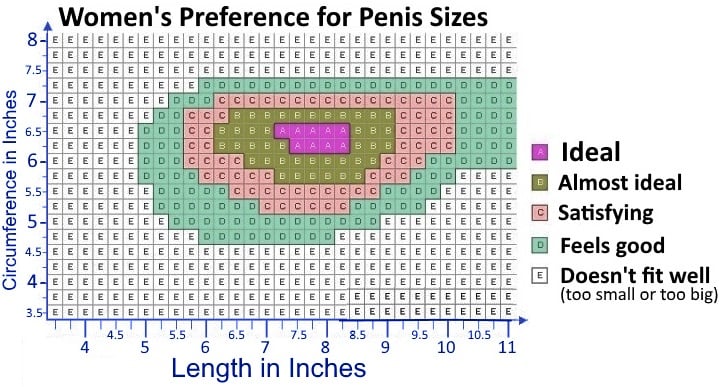
The age-old question of whether women prefer large penises has been a topic of discussion and debate for centuries. On the surface, it may seem like a simple matter of physical preference, but as we delve deeper, it becomes clear that the answer is far more complex and rooted in psychological and emotional factors. Our brains are wired to respond to certain stimuli, and when it comes to attraction and intimacy, there are many factors at play. The idea that women prefer large penises may be more of a cultural myth than a reflection of actual desire, and it's essential to explore the reasons behind this notion.
One reason why this topic persists is that it taps into our deep-seated insecurities and fears. For men, the idea that a larger penis is more desirable can create anxiety and pressure to conform to unrealistic standards. For women, the emphasis on penis size can lead to feelings of objectification and exploitation, reducing their value to a single physical attribute. As we navigate the complexities of human relationships and intimacy, it's crucial to separate fact from fiction and understand the emotional triggers that drive our desires and preferences.
The Psychological Roots of Desire
When exploring the psychological roots of desire, it becomes clear that the preference for a large penis is not as straightforward as it seems. Social conditioning plays a significant role, with cultural and media representation often perpetuating the idea that larger is better. However, this can lead to unrealistic expectations and a distorted view of what constitutes a healthy and fulfilling relationship. In reality, women's preferences vary greatly, and factors such as communication, empathy, and emotional connection are far more important in determining intimacy and satisfaction.
Must Read
Moreover, the emphasis on penis size can also be linked to cognitive biases, such as the availability heuristic, where we overestimate the importance of a particular trait based on its salience or memorability. This can lead to a Confirmation Bias, where we selectively seek out information that confirms our preconceived notions, rather than seeking a more nuanced understanding of human desire and intimacy.
A closer examination of human relationships reveals that emotional intelligence, vulnerability, and mutual respect are essential components of a healthy and fulfilling partnership. By shifting the focus away from physical attributes and towards emotional connection, we can cultivate deeper, more meaningful relationships that prioritize mutual understanding and support. This, in turn, can lead to a more authentic and empowering experience of intimacy, where individuals feel valued and appreciated for who they are, rather than being reduced to a single physical characteristic.
Navigating the Complexities of Intimacy
So, how can we navigate the complexities of intimacy and desire, and move beyond the narrow focus on physical attributes? One approach is to practice self-reflection and self-awareness, recognizing our own biases and insecurities, and working to overcome them. This can involve engaging in open and honest communication with our partners, and seeking to understand their desires, needs, and boundaries. By doing so, we can create a safe and supportive environment, where individuals feel comfortable expressing themselves and exploring their desires without fear of judgment or rejection.

Another essential aspect is to focus on building emotional connection and intimacy, rather than solely prioritizing physical attraction. This can involve practicing empathy and active listening, and seeking to understand the emotional and psychological needs of our partners. By cultivating a deeper understanding of each other's desires, fears, and insecurities, we can create a stronger, more resilient bond, and navigate the complexities of intimacy with greater ease and confidence.
In addition, it's crucial to challenge societal norms and expectations, recognizing that the emphasis on physical attributes is often a product of cultural and media representation. By promoting a more nuanced and inclusive understanding of human desire and intimacy, we can work to create a more empowering and liberating experience of relationships, where individuals feel free to express themselves and explore their desires without fear of judgment or rejection.
Ultimately, the key to navigating the complexities of intimacy is to prioritize mutual respect, trust, and communication. By doing so, we can create a safe and supportive environment, where individuals feel comfortable expressing themselves and exploring their desires, and where relationships are built on a foundation of emotional intelligence, empathy, and mutual understanding. This, in turn, can lead to a more fulfilling and satisfying experience of intimacy, where individuals feel valued, appreciated, and connected on a deeper level.
Frequently Asked Questions
What role does penis size play in female orgasm and satisfaction?
The relationship between penis size and female orgasm is complex, and research suggests that other factors, such as clitoral stimulation and emotional connection, play a far more significant role in determining female satisfaction. While some women may prefer a larger penis, others may find that other attributes, such as girth or shape, are more important. Ultimately, the key to female orgasm and satisfaction lies in understanding and communicating individual desires and needs, rather than relying on simplistic or reductionist notions of physical attraction.
Moreover, the emphasis on penis size can often distract from more critical aspects of intimacy, such as emotional connection, communication, and mutual respect. By prioritizing these factors, we can create a more fulfilling and satisfying experience of relationships, where individuals feel valued and appreciated for who they are, rather than being reduced to a single physical characteristic. This, in turn, can lead to a more empowering and liberating experience of intimacy, where individuals feel free to express themselves and explore their desires without fear of judgment or rejection.
Can a small penis be a source of insecurity or anxiety for men?
The idea that a small penis is a source of insecurity or anxiety for men is a common cultural trope, but it's essential to recognize that penis size is just one aspect of male identity. Many men with smaller penises report high levels of confidence and self-esteem, and are able to navigate relationships and intimacy with ease. However, for some men, the emphasis on penis size can create real and significant anxiety, which can impact self-esteem, relationships, and overall well-being.
It's crucial to challenge societal norms and expectations, recognizing that the emphasis on physical attributes is often a product of cultural and media representation. By promoting a more nuanced and inclusive understanding of human desire and intimacy, we can work to create a more empowering and liberating experience of relationships, where individuals feel free to express themselves and explore their desires without fear of judgment or rejection. This, in turn, can lead to a more fulfilling and satisfying experience of intimacy, where individuals feel valued, appreciated, and connected on a deeper level.

How can women communicate their desires and needs to their partners effectively?
Open and honest communication is essential for building a healthy and fulfilling relationship, and for ensuring that desires and needs are met. Women can communicate their desires and needs to their partners by practicing assertiveness and self-expression, and by seeking to understand their partner's desires and boundaries. This can involve engaging in regular and ongoing conversations about intimacy, desire, and relationships, and by being willing to listen and adapt to changing needs and desires.
Moreover, it's essential to prioritize mutual respect and trust, recognizing that relationships are built on a foundation of emotional intelligence, empathy, and mutual understanding. By doing so, we can create a safe and supportive environment, where individuals feel comfortable expressing themselves and exploring their desires, and where relationships are built on a foundation of deep and abiding connection. This, in turn, can lead to a more fulfilling and satisfying experience of intimacy, where individuals feel valued, appreciated, and connected on a deeper level.
Can a focus on penis size be detrimental to relationships and intimacy?
A focus on penis size can be detrimental to relationships and intimacy, as it can create unrealistic expectations and anxiety, and distract from more critical aspects of intimacy, such as emotional connection, communication, and mutual respect. By prioritizing these factors, we can create a more fulfilling and satisfying experience of relationships, where individuals feel valued and appreciated for who they are, rather than being reduced to a single physical characteristic.
Moreover, the emphasis on penis size can often perpetuate unhealthy and unrealistic standards, which can impact self-esteem, relationships, and overall well-being. By promoting a more nuanced and inclusive understanding of human desire and intimacy, we can work to create a more empowering and liberating experience of relationships, where individuals feel free to express themselves and explore their desires without fear of judgment or rejection. This, in turn, can lead to a more authentic and empowering experience of intimacy, where individuals feel valued, appreciated, and connected on a deeper level.

How can men overcome anxiety or insecurity related to penis size?
Men can overcome anxiety or insecurity related to penis size by practicing self-reflection and self-awareness, recognizing their own biases and insecurities, and working to overcome them. This can involve engaging in open and honest communication with their partners, and seeking to understand their desires, needs, and boundaries. By doing so, men can create a safe and supportive environment, where individuals feel comfortable expressing themselves and exploring their desires, and where relationships are built on a foundation of emotional intelligence, empathy, and mutual understanding.
Moreover, it's essential to challenge societal norms and expectations, recognizing that the emphasis on physical attributes is often a product of cultural and media representation. By promoting a more nuanced and inclusive understanding of human desire and intimacy, we can work to create a more empowering and liberating experience of relationships, where individuals feel free to express themselves and explore their desires without fear of judgment or rejection. This, in turn, can lead to a more fulfilling and satisfying experience of intimacy, where individuals feel valued, appreciated, and connected on a deeper level.
As we reflect on the complexities of intimacy and desire, it becomes clear that mastering this topic leads to a better, more balanced human experience. By prioritizing emotional connection, communication, and mutual respect, we can create a more fulfilling and satisfying experience of relationships, where individuals feel valued and appreciated for who they are, rather than being reduced to a single physical characteristic. This, in turn, can lead to a more empowering and liberating experience of intimacy, where individuals feel free to express themselves and explore their desires without fear of judgment or rejection.
Ultimately, the key to navigating the complexities of intimacy is to prioritize mutual respect, trust, and communication. By doing so, we can create a safe and supportive environment, where individuals feel comfortable expressing themselves and exploring their desires, and where relationships are built on a foundation of emotional intelligence, empathy, and mutual understanding. This, in turn, can lead to a more authentic and empowering experience of intimacy, where individuals feel valued, appreciated, and connected on a deeper level, and where relationships are built on a foundation of deep and abiding connection.