Do Saucony Shoes Run Wide Or Narrow

The perennial question of footwear fit often feels less like a matter of preference and more like a high-stakes biological compatibility test. When you slide your foot into a new pair of sneakers, you are not just engaging in a retail transaction; you are negotiating a mechanical interface between your skeletal structure, your soft tissue, and the ground. For the data-driven pragmatist, the query "Do Saucony shoes run wide or narrow?" is not a simple yes/no binary. It is a complex equation involving volumetric geometry, last curvature, and biomechanical gait cycles. To answer it with precision, we must abandon anecdotal hearsay and examine the proprietary architecture of the brand’s fit system.
At its core, the issue is about the last—the 3D mold around which the shoe is constructed. Saucony, unlike some minimalist brands, does not adhere to a single universal shape. Instead, they deploy a multi-last strategy, meaning that the width and contour vary dramatically depending on the model's intended purpose. The critical biological metric here is the metatarsal-phalangeal joint (the ball of your foot), which requires a specific volume to allow for splaying during the loading phase of your stride. A shoe that is too narrow in this zone will cause the 1st and 5th metatarsal heads to compress, leading to neuromas and bursitis. Conversely, a shoe that is excessively wide will cause the foot to slide laterally, creating friction and destabilizing the heel counter. The science of fit is a quest for a neutral kinematic lock.
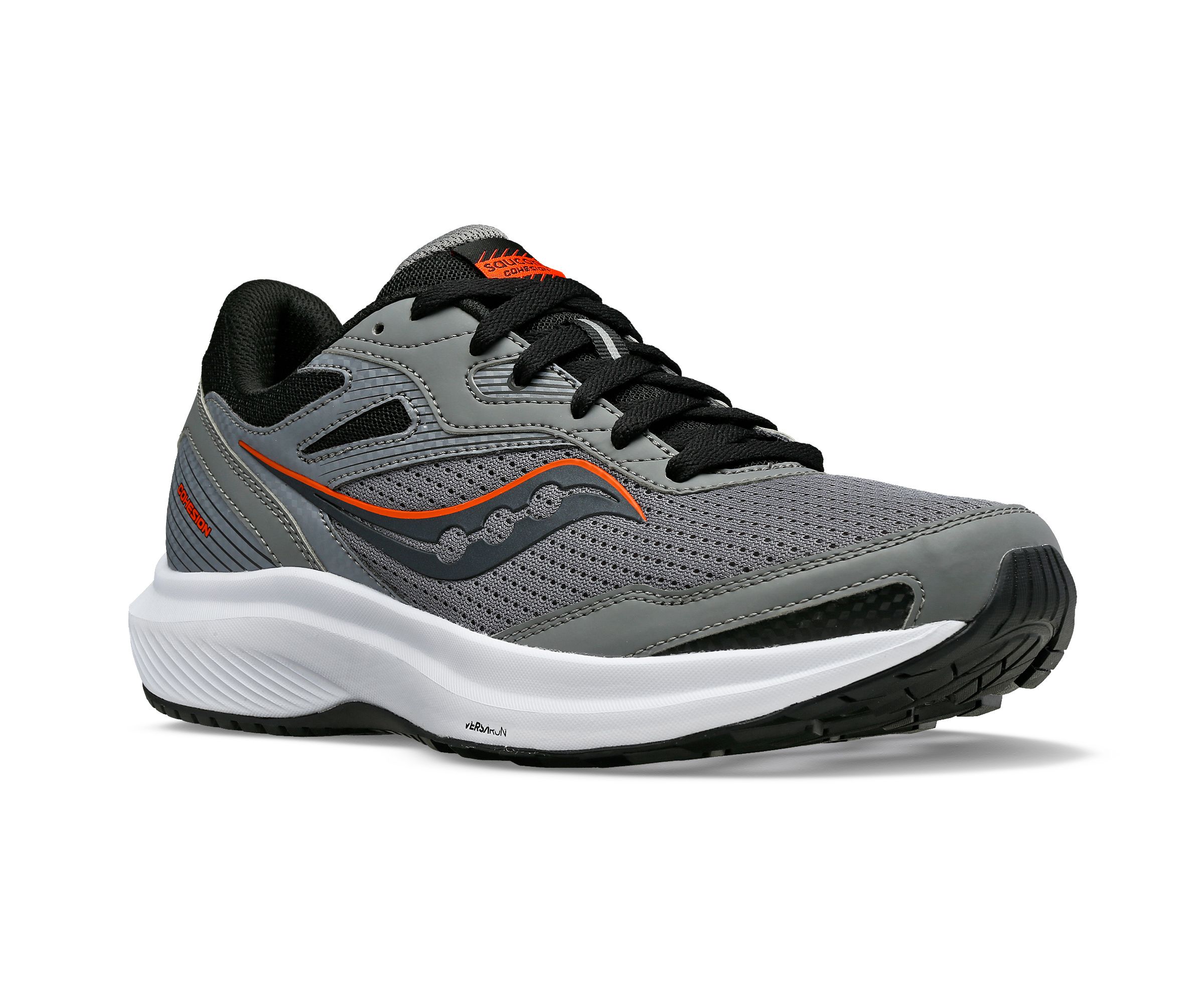
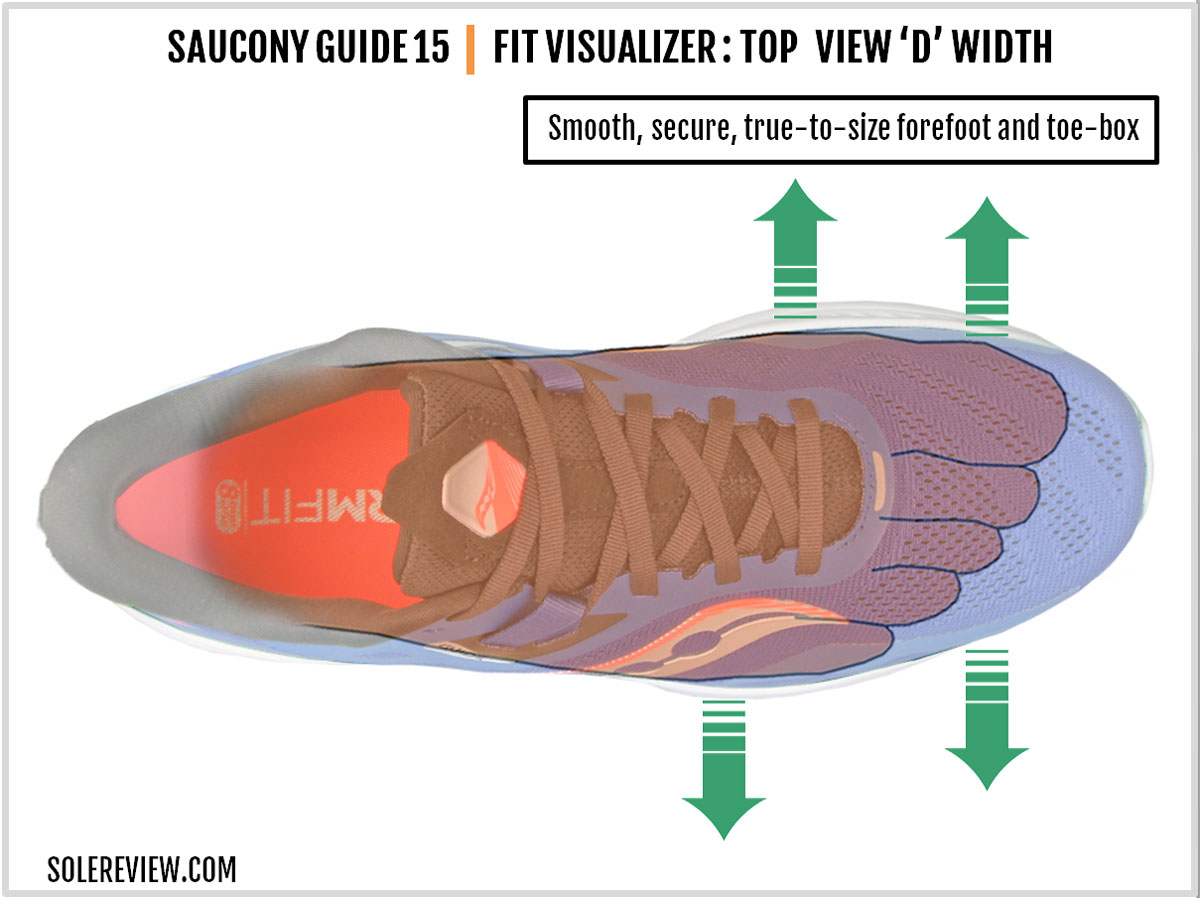
The empirical data across Saucony’s lineup suggests that they generally run true-to-size with a medium-to-slightly-narrow standard volume, particularly in their performance categories. However, this is where the nuance becomes critical. The brand measures width on a D-last for men and a B-last for women as their baseline. This does not mean they are narrow; it means they are anatomically standard for a broad population. The perceived "narrowness" often arises from the midfoot lockdown, which is intentionally aggressive to prevent the foot from rolling over the platform during high-cadence running. This is a functional choice, not a fit flaw. For those with high-volume feet or a wide forefoot splay, the standard D width will feel restrictive, necessitating a shift to their specific wide (2E) or extra-wide (4E) offerings, which are engineered with additional horizontal displacement in the forefoot and toe box while maintaining the heel’s secure grip.
Must Read
The Bio-Mechanics of Constraint: Why "Wide" Isn't Always Wide
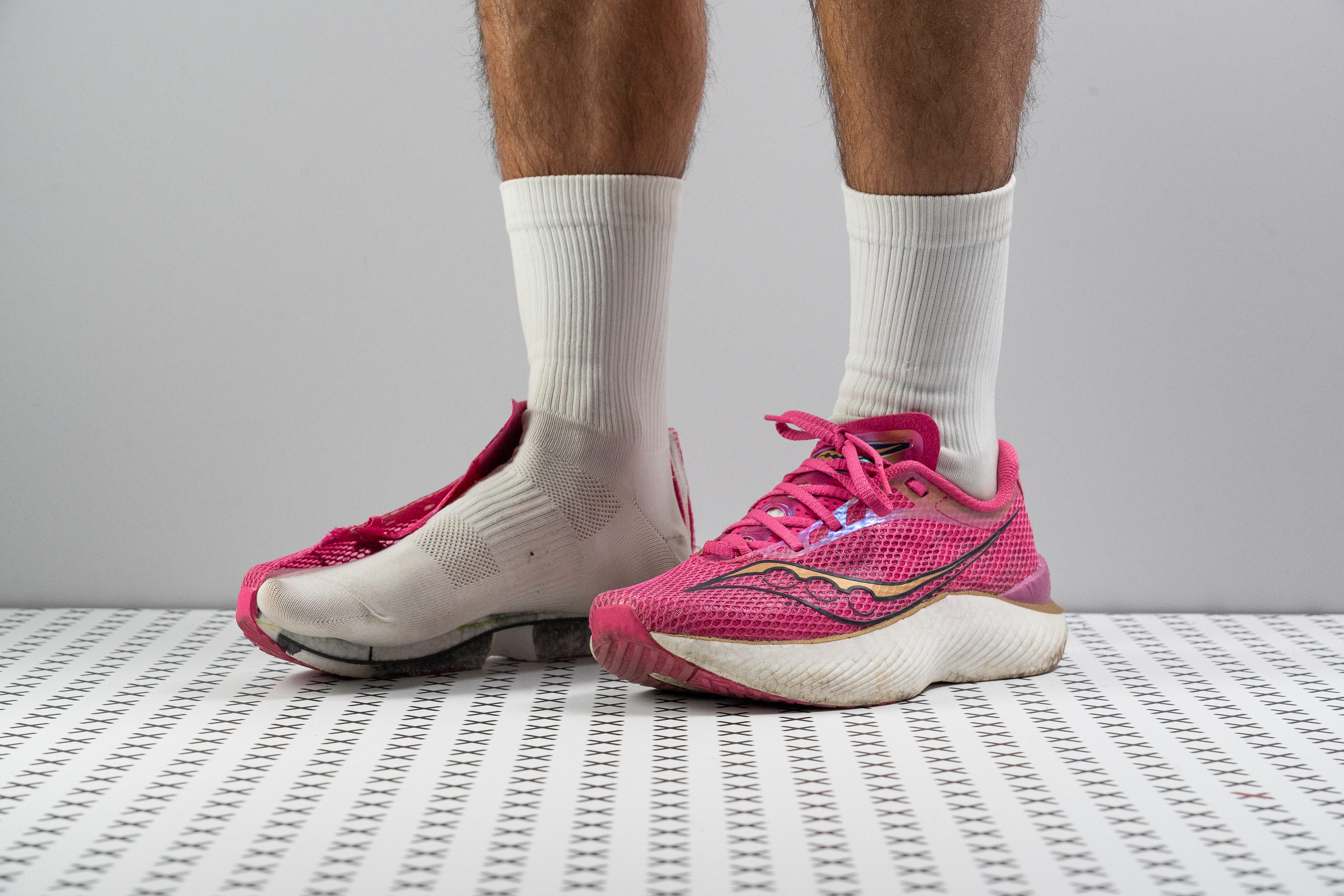
To understand why your foot feels cramped in a standard Saucony, you must look beyond the simple metric of centimeters. The shoe’s toe spring—the upward curve of the sole at the front—plays a massive role in perceived width. A high toe spring naturally narrows the effective internal volume because it forces the toes into a relative dorsiflexion (raised position). If you have rigid, long toes, this curve will effectively reduce the space in the box, making the shoe feel narrow even if the width measurement is technically "D." Conversely, the outsole flare on models like the Saucony Endorphin series creates a wider base for stability, but this is not synonymous with internal width. The upper material might be contoured tightly to the arch to create a "hugging" sensation, which is often misdiagnosed as narrowness.
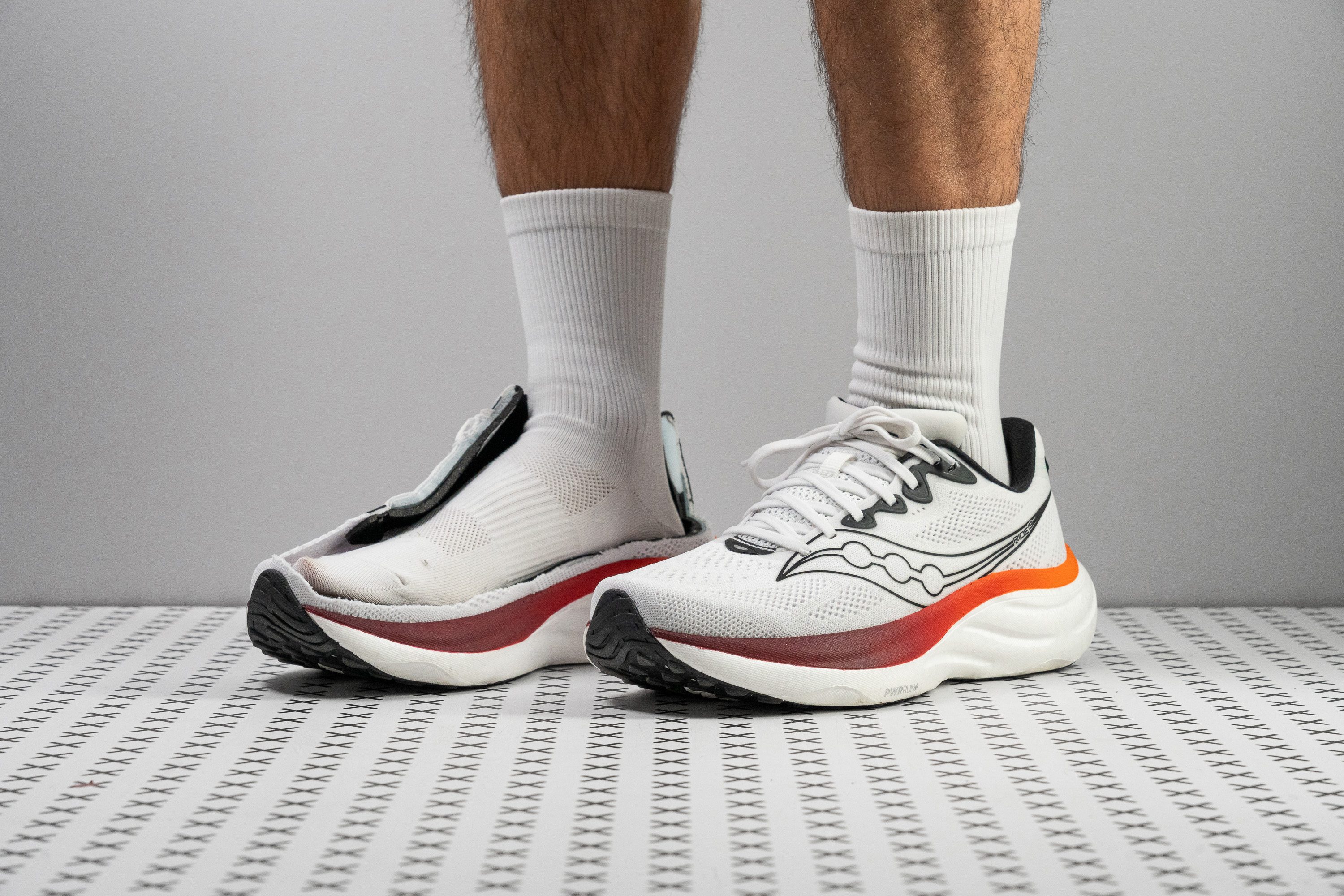
There is also the overlooked science of volumetric expansion. Your foot is not a static block; it undergoes edema (swelling) throughout the day, increasing in volume by roughly 5% to 8% by evening due to gravity and circulatory fluid pooling. A shoe that feels perfectly aligned at 8 AM can become a vice by 6 PM. Saucony’s midsole foams, particularly PWRRUN and PWRRUN+, are designed with a specific compression set that yields slightly over time. This means that a narrow-feeling shoe might actually "break in" and conform to the foot’s thermal and pressure map. However, if you are buying a shoe with a rigid, non-stretch upper (like the engineered mesh on some stability shoes), the material does not give; it only accommodates what is available. Therefore, the "narrowness" is a physical constant, not a temporary state.
Furthermore, we must consider the heel-to-toe drop and its effect on foot position. Saucony often uses a 8mm drop in their running shoes. This incline shifts your center of mass forward, pulling the foot down the shoe's internal ramp. If the shoe runs slightly long in the toe box but narrow in the midfoot, your foot will feel like it is being squeezed into a funnel. The peroneal tendon runs along the outside of the ankle and foot; a tight lateral counter (the side of the shoe) can cause that tendon to rub against the fibula, creating the illusion of narrowness in the heel even if the toe box has adequate space. This is a common complaint among runners who switch from Altra (a zero-drop, wide-foot shaped brand) to Saucony; they are experiencing a change in gait geometry, not necessarily a defect in the shoe's width.
Finally, the sock interface acts as a confounding variable. The science of tribology (the study of friction between surfaces) dictates that a thick, cushioned sock will eat up internal volume. When you wear a standard running crew sock with a 2mm thickness, you effectively reduce the shoe's internal width by approximately 1.5mm on each side. For a runner with a borderline B/D width foot, this is the difference between a "perfect fit" and a "pinched nerve." Thus, when analyzing Saucony’s fit, you must isolate the shoe's raw dimensions from the sock and the time of day. The data suggests that Saucony excels for low-arch, narrow-to-medium feet in their neutral line, but their Triumph line is notably more accommodating due to a softer, more pliable upper that conforms to wide feet without offering a wider platform.
Strategic Fit Optimization: Hacks for the Quantified Self
To master the Saucony fit profile, you must abandon "how they feel" in the store and adopt a system of measurement. Your first hack is the Chalk Outline Protocol. Trace your foot on a piece of paper while standing, ensuring you are bearing full weight. Measure the distance from your longest toe to your heel (length) and the distance across your forefoot at the widest point (width). Compare this to Saucony’s size chart. If your width measurement is between 95mm and 105mm for a men’s size 9, you are a solid D. If you exceed 110mm, you are a 2E. Do not trust the letter on the box; measure the actual insole. Remove the insole from the shoe and measure it. A men’s size 9 insole should be approximately 97mm wide at the forefoot. If the shoe’s marketing says "wide" but the insole is only 95mm, you have been deceived by geometry.
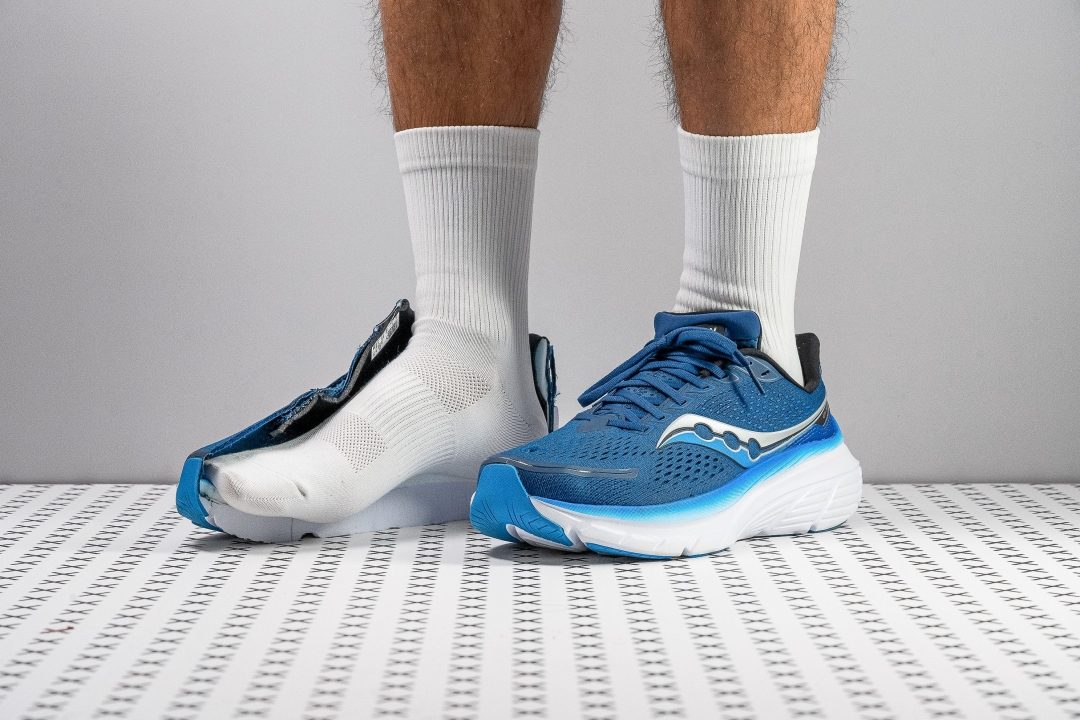
For tactical optimization, you must understand the lace pressure distribution. If you feel tightness in the middle of your foot but have room in the toes, you do not need a wider shoe; you need a lacing hack. The "window lace" method—skipping the second eyelet and running the lace diagonally—releases pressure over the instep, effectively making the shoe feel 2-3mm wider without sacrificing heel lock. If your forefoot is the issue, look specifically at Saucony’s Guide or Paradox models, which feature a broader toe box taper. The Endorphin Pro, however, is a racing flat designed for speed, meaning it has a narrower metatarsal width to reduce weight. Do not buy a racing shoe for daily volumetric comfort; buy it for propulsion.
Timing is the third variable. Purchase your shoes in the afternoon, specifically after 4 PM, when your feet are at their maximum daily swelling. Wear the exact socks you plan to run in. If you are between sizes, always size up for length, not width. A shoe that is 0.5cm too long is a nuisance; a shoe that is 0.5cm too narrow is a biomechanical hazard. For those with high-volume feet, consider the plastic insert removal hack. Most Saucony shoes come with a shock-absorbing insole that is 3-4mm thick. Remove it and replace it with a low-profile, 1mm insulin pad or a thin cork liner. This adds 2-3mm of vertical depth to the shoe, which directly translates to reduced vertical pressure on the instep, allowing the foot to spread more naturally.
Finally, apply the Zero-Defect Test for width. Put on the shoes, lace them normally, and then try to wiggle your toes. You should be able to spell the alphabet with your big toe without feeling resistance from the side walls. Next, use the thumb test: press your thumb into the side of the shoe at the widest point. If you cannot indent the upper material with moderate pressure to touch your foot, the shoe is too narrow for you. But also check the heel: if you can slip your heel out without unlacing, the shoe is too wide there. Saucony offers specific models in Wide (2E) for men and Wide (D) for women. Do not settle for a medium if your splay score dictates otherwise; the data will not lie to you.
Frequently Asked Questions: Troubleshooting the Fit
Are all Saucony models the same width?
No. This is a critical misconception. Saucony utilizes different lasts for different categories. The Endorphin Speed & Pro line uses a "racing last" that is noticeably narrower in the midfoot to reduce weight and enhance stability during fast turnover. In contrast, the Triumph 20/21 and Ride 15/16 use a "daily trainer last" that is more anatomically accommodating, especially in the toe box. The Arahi and Hurricane (stability models) have a wider base at the heel for pronation control but a similar width to neutral models in the forefoot. Therefore, you cannot assume that because you fit a Ride perfectly, you will fit a Kinvara the same way. Always check the specific model’s last description and the measuring data provided by retailers like Running Warehouse, which often provide exact heel and forefoot width measurements in millimeters.
To troubleshoot, you must identify your foot's unique volume. If you have a high instep and a wide forefoot, the Ride is your best bet. If you have a narrow heel and a regular-width forefoot, the Kinvara is a perfect match. The key is to treat every model as a unique experiment, never a family trait. Two shoes with the same size label can have a 3mm difference in internal width, which is a massive physiological difference.
How do I know if I need a Wide (2E/4E) version?
The science is in your callouses. Look at the soles of your feet. If you have callouses on the outer edge of your big toe and the outer edge of your pinky toe, you are a candidate for a wide fit. These callouses indicate that your toes are abrading against the shoe's side walls during push-off. Another metric is the hallux valgus angle. If you have a visible bunion (a protrusion at the base of the big toe), you are forcing your first metatarsal into a varus (inward) position in a standard shoe. A wide width (2E) is not just about comfort; it is about preventing the progression of this structural deformation. Specifically, measure the circumference of your forefoot around the ball. For a men's size 10, a circumference of 10.5 inches indicates a standard D. At 11 inches, you are borderline. At 11.5 inches or more, you absolutely require a 2E, and you should only consider the Triumph or Echelon models, which have known high-volume uppers.
Moreover, perform a "paper test" at home. While standing, slide a piece of standard printer paper between your foot and the shoe’s insole (underneath the tongue). If it slides in easily with no resistance, you have space for a wide. If it tears or gets stuck, you need the wide version. Do not rely on the fit of your previous brand; Nike and Adidas run notoriously narrow, so if you are coming from those, Saucony will feel wider. But if you are coming from New Balance or Brooks, Saucony will feel narrower.
Do Saucony shoes stretch out over time?
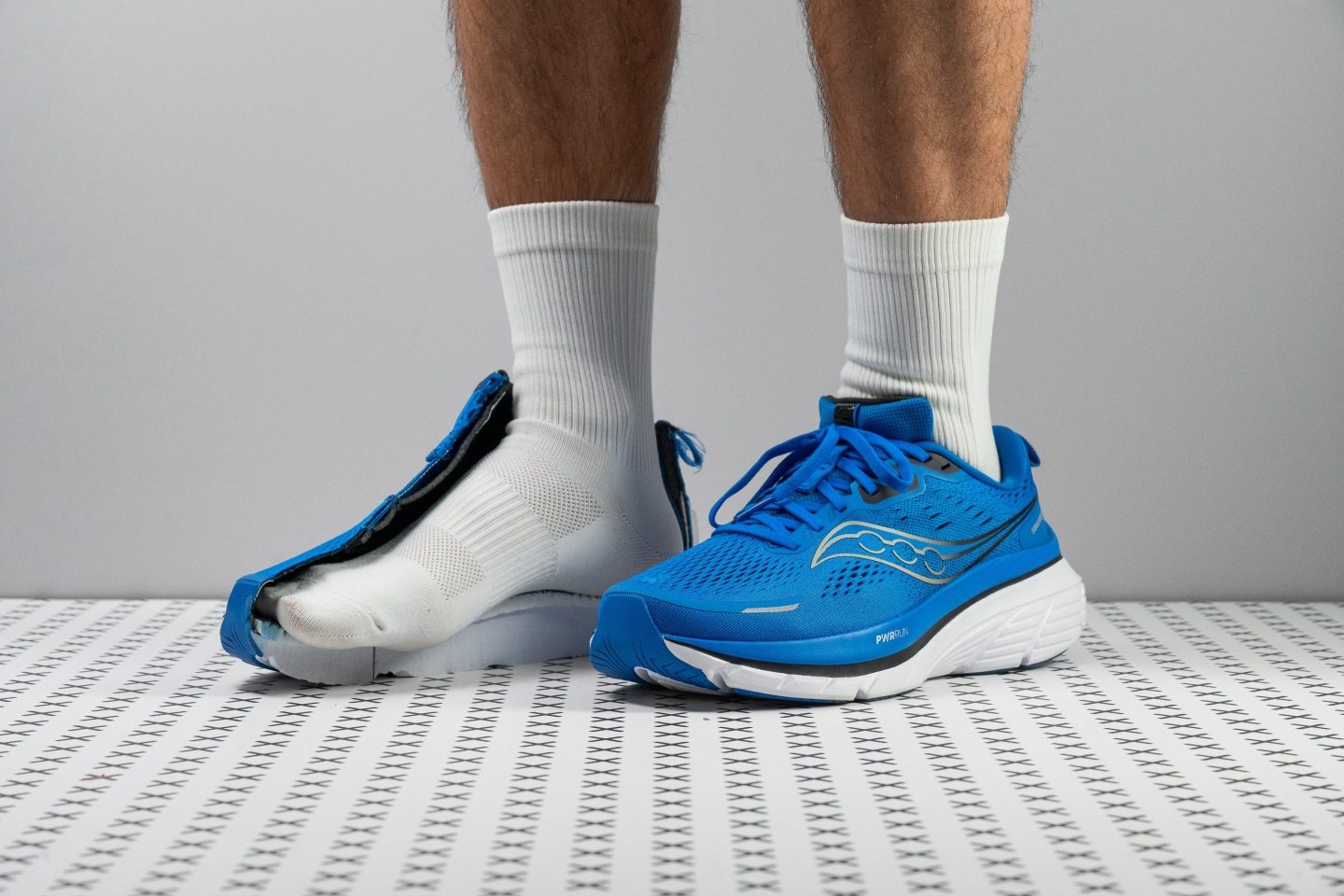
Yes, but only within a limited range, and this is a chemical process dependent on the upper material. Engineered mesh (found on most Saucony trainers) has a plastic polymer coating that allows for slight elastic recovery, but it does not stretch like leather. It will mold to your foot's hot spots after about 50-100 miles, conforming to the metatarsal head protrusions. However, this accommodation is usually only 1-2mm. If the shoe feels aggressively tight at the purchase point, it will not magically become comfortable. The foam midsole will compress, which lowers your foot slightly deeper into the shoe, increasing the volume slightly by 2-3mm. This is why some runners say their shoes "loosen up" after 20 miles; it is not the upper stretching, but the midsole settling.
To accelerate this process, do not use a shoe stretcher (which applies mechanical force and can break the foam). Instead, wear them at home for one hour each evening for three days with thick wool socks. The constant slight pressure over time at a low intensity allows the knit fibers to reposition without losing structural integrity. Heat is your enemy here; do not use a hairdryer. High heat (>60°C) will melt the thermoplastic adhesives that bind the upper to the midsole, causing delamination. Patience is the only safe chemical catalyst for this process.
What if I have a narrow foot? Is Saucony a good option?
Absolutely. In fact, Saucony is often praised by narrow-footed runners for its excellent heel lockdown. The structured heel counter in models like the Kinvara and Endorphin Shift is particularly narrow in the medial (inner) side, which grips the calcaneus (heel bone) effectively for those with a B-width foot. The only area of concern is the toe box; if you have a narrow heel but a Greek-shaped foot (a long second toe), you might find that the regular toe box feels sloppy in the toes, leading to blisters between the toes. In this case, look for the Fastwitch or the Liberty, which are built on a slightly lower-volume last.
For narrow-width runners, the solution is not to buy a children's size or a women's model (if you are male) to get a narrower fit. The heel width might be correct, but the midfoot will be too long and cause arch fatigue. Instead, utilize the lace lock (runner's loop) to cinch the heel down tighter, and consider wearing an insole with a metatarsal dome to elevate the foot slightly, filling the vertical space and effectively narrowing the fit by pushing the foot higher up towards the instep.

Should I size up if I’m between sizes?
Yes, always size up in length for running shoes, especially with Saucony. The reason is the toe clearance required during the toe-off phase. When you run, your foot moves forward in the shoe by roughly 5-7mm. If you have a thumb’s width (about 1.27cm) of space between your big toe and the end of the shoe, you are safe. If you are between a size 9 and 9.5, choose the 9.5. This extra length does not make the shoe wider; a D width in a size 9.5 is only 1mm wider than a D in a size 9. That is negligible. However, the extra 5mm of length allows the metatarsals to splay naturally without the toes hitting the end, which would cause your foot to push back and compress the arch, making the shoe feel narrower.
When testing the size, push your foot firmly to the front of the shoe until your toes touch the tip. You should be able to slide a single index finger behind your heel. This is the standard running fit rule. If you cannot, size up. Remember, a shoe that is too long is safer than one that is too short, and you can always add a heel pad or wear thicker socks to compensate for length, but you cannot widen a shoe that is structurally narrow.
Respecting the science of footwear fit transforms a mundane shopping trip into an act of self-respect. When we understand that our feet are not static objects but dynamic systems of 26 bones, 33 joints, and over 100 muscles, we stop looking for a magic size and start looking for a symbiotic relation. The data behind Saucony’s width profiles forces us to engage with our own anatomy, to measure rather than guess, and to accept that the shoe is not the boss; the biomechanics are. This pragmatism saves us not only from pain and blisters but from the chronic injuries that plague inefficient runners—plantar fasciitis stemming from a slipping heel, or Morton’s neuroma from a pinched forefoot.
Ultimately, the question of whether Saucony runs wide or narrow is a mirror laid flat. It asks you, "Do you know your own dimensions?" The answer lies in the quiet confidence of knowing your metatarsal spread, your instep volume, and your gait cycle. Armed with this knowledge, you can walk into any store and dominate the engagement. This is not just life hacking; it is the optimization of every step you take, turning a potential point of friction into a silent, powerful engine of human performance.