Do Chegg Books Come With Access Codes

Picture this: you’ve just snagged a sweet deal on a textbook for that notoriously tough chemistry class. The package arrives, and you eagerly flip through the pages, only to find a shiny, sealed card—the access code—that you need for homework. But wait, you bought it used, or maybe from a third-party seller on Chegg. Does that code still work? The short answer is: it’s a gamble, and here’s why you need to know the rules before you hit “checkout.”
What Exactly Are Access Codes?
Access codes are like golden tickets—they unlock online homework portals, digital versions of your book, and supplementary quizzes that your professor actually grades. Publishers slap them on new books to force you into their digital ecosystem, which costs them almost nothing to maintain. Without a valid code, you’ll often be locked out of mandatory assignments, even if you own the physical textbook.
The frustrating part is that these codes are typically single-use. Once you redeem one to an online platform like Pearson MyLab or Cengage MindTap, it’s permanently tied to your account. This is the core of the entire “do Chegg books come with codes” saga.
Must Read
The Chegg Twist: New vs. Used
When you buy a brand new textbook directly from Chegg, you can usually expect the access code to be snug in the back of the book, still sealed. It’s part of the “new” package, so you’re getting the full experience—book plus code. However, Chegg also sells used and rental books, and this is where things get murky.
Used books on Chegg are typically sourced from other students who already redeemed their codes. Chegg’s listings will often say “Used – Good” but rarely guarantee that the access code is present or valid. The same goes for rentals; you’re essentially borrowing the book, not the digital tied-to-a-person license.
Rule of thumb: If the listing doesn’t explicitly shout “ACCESS CODE INCLUDED” in bright letters, assume it’s not there.
Why the Benefits Still Shine
Here’s the good news: buying the textbook itself from Chegg—even without a code—can still save you a small fortune. You can often buy the book used for $20, while the new code alone sells for $100+ on the publisher’s site. That’s a win if you’re a visual learner who just needs the text for reading and don’t mind skipping online homework (check if your syllabus actually uses it).
Plus, Chegg’s rental program is killer for those who don’t want to keep a heavy doorstop on their shelf. You get the physical book right when the semester starts, and you ship it back for a refund when finals end. Just know that for rentals, the code is almost always missing—so plan accordingly for any online quizzes.
How to Spot a Code-Friendly Listing
Before you click “Buy Now,” zoom in on the product details section under “Edition” and “Publisher.” Look for phrases like “Includes eBook” or “Online access code included” in the description. Chegg also has a filter for “New” vs. “Used,” and if you must have a code, always pick New—even if it costs $30 more.
Another pro tip: if you’re in a hurry and the professor’s syllabus says “ISBN-13” that matches the new edition, buy that exact ISBN from Chegg, not a “variant.” Publishers sometimes slip a code into certain ISBNs but not others, so compare the number on your syllabus with the listing.

The Ultimate Hack: Buy the Code Alone
Many students don’t realize Chegg sells standalone access code cards for popular platforms, especially for math and science courses. These are brand new, never touched, and guaranteed to work. You might pay $80 for the card, but you can buy a beat-up used copy of the book for $15, saving hundreds compared to the retail bundle.
Alternatively, check if your course offers a “digital only” option—some professors let you skip the physical book entirely. Chegg’s eBook subscription (like Chegg Study) sometimes includes textbook solutions, but not the publisher’s homework portal. Always cross-reference what your professor actually said about required materials.
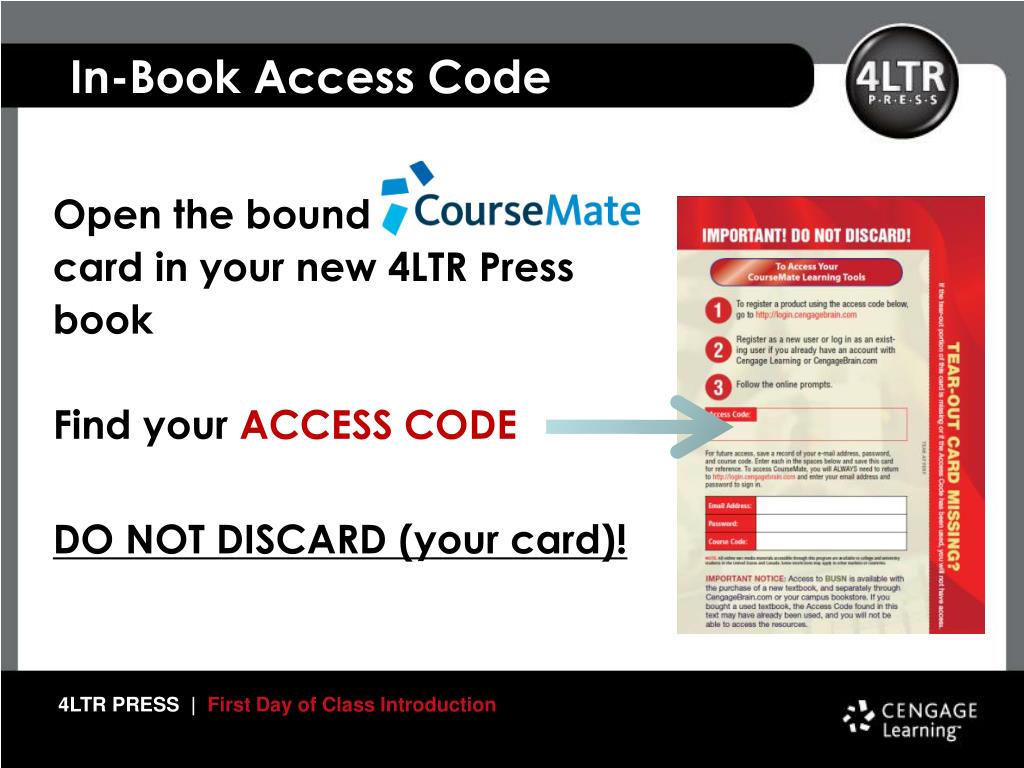
Remember: An access code is a license, not a physical item. It’s tied to your name, email, and class. Even if you find a code in a used book, if it’s already been redeemed, it’s worse than useless—it’s a paperweight.
Final Verdict: Read the Fine Print
The honest answer is: Chegg books do not universally come with access codes—it’s a product-by-product lottery. Your safest move is to treat any used or rental purchase as code-less unless specifically stated otherwise. But don’t let that scare you off entirely; Chegg’s textbook prices are still unbeatable compared to your campus bookstore’s robbery.
So, next time you’re hunting for that perfect textbook, do a little detective work. Check the listing’s fine print, email Chegg’s customer support (they’re surprisingly helpful), and always ask your professor if a code is truly mandatory. A little research now saves you a panic attack at 11 PM before the first homework quiz is due. Happy studying—and may your access code be shiny, sealed, and valid!