Difference Between Supima And Percale
Let’s be real: the only thing more stressful than your 2 a.m. doomscroll spiral is realizing your “100% cotton” sheets feel like a burlap sack designed by a medieval torturer. The internet, in its infinite, algorithmically-driven wisdom, has decided that we should all be sleeping on clouds made of unicorn hair—or at least, that’s the vibe you get from the endless cascade of #BedTok videos and luxury bedding hauls. But now, a new civil war is brewing in the comment sections, and it’s not about politics or pineapple on pizza. It’s about Supima versus Percale. Yes, you read that correctly. The fabric of our lives has become the discourse of our feeds.
This isn’t just about thread count anymore, darling. This is about lifestyle identity. Are you a crisp, cool, structured person who makes their bed before the coffee is done? Or are you a rumpled, chaotic, but ultimately sophisticated creature who believes a bed should feel like a warm hug from a golden retriever? The battle lines have been drawn on TikTok, and the “Percale People” are throwing shade at the “Supima Stans” for being too soft—literally and figuratively. Meanwhile, luxury brands are laughing all the way to the bank, feeding us a steady diet of marketing jargon that sounds like it was ripped from a Victorian-era botanical journal.
So, before you drop your next paycheck on a sheet set that promises to change your life (but probably just changes your credit score), let’s unpack this obsession. We’re going to dissect the physics, the vibes, and the sheer internet-fueled hysteria surrounding these two textile titans. Grab a matcha latte, put on your reading glasses, and let’s get into the weeds of the weave. This is the definitive, no-BS guide to the only pillow fight that actually matters in 2025.
Must Read
The Weird, Wonderful, and Wildly Pretentious Subculture of Sleeping
Let’s be honest: the online sleep community is a weird place. It’s a strange hybrid of hyper-masculine “biohackers” who measure their REM cycles with spreadsheets, and aesthetic “clean girls” who treat their bedsheets like a sacred altar to the god of quiet luxury. The clash between these two groups is where the Supima vs. Percale debate gets spicy. On one side, you have the “crisp sheet maximalists”—they post videos of themselves sliding into bed wearing silk pajamas, doing the “shh” sound as they lay down to demonstrate the audible crinkle of high-thread-count percale. They claim it’s the only way to sleep if you run hot, comparing the fabric to a “luxury hotel tent” and bragging about how it gets crisper with every wash. They are the gatekeepers of the highly specific aesthetic of “unbothered, moisturized, in my lane.”
On the flip side, the Supima loyalists are the “sensory seekers.” They’ve watched one too many “unboxing” videos where a influencer dramatically collapses onto a bed fluffed with pillows, whispering about the “buttery, sateen-like drape.” They argue that percale is just “scratchy” and “noisy,” and that true luxury is feeling like you’re being swaddled in a molten cashmere waterfall. The social media dynamic here is brutal. You can’t just like one; you have to actively hate the other. Comment sections are flooded with passive-aggressive remarks: “If you like percale, you clearly have no idea what true comfort is” versus “Supima is for people who like sleeping in a swamp.” It’s a proxy war for personality types, a battle of the senses projected onto 200-thread-count canvases. The cultural shift is clear: we are no longer buying products; we are buying personas.
This obsession is also fueled by a deep-seated anxiety about “doing adulthood right.” In a world where we can’t control the economy or global politics, we can control the hand-feel of our bedding. It’s a micro-trend of control. The virality of “sleepmaxxing” on social media—a trend where people optimize every single factor of their sleep environment—has turned bed linens into a competitive sport. You’re not just buying sheets; you’re buying performance. You’re investing in your “best self.” And that pressure, my friends, is heavier than a weighted blanket during a heatwave.

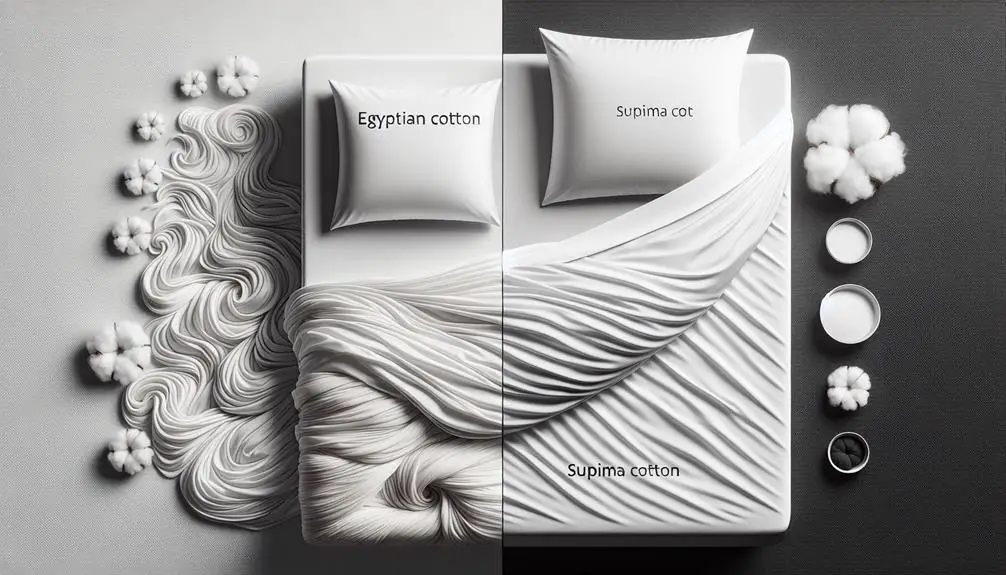
The toxicity reaches its peak when we talk about price tags. “If you don’t spend $500 on a fitted sheet, do you even respect yourself?” is the implicit question. This has created a bizarre hierarchy where the type of cotton (Supima being the fancy American cousin of Egyptian cotton) and the type of weave (Percale vs. Sateen) act as social status markers. We’ve taken a commodity and turned it into a litmus test for taste, wealth, and moral fiber. It’s exhausting, but it’s also irresistibly fun to watch the meltdowns.
How to Win the Bedding Wars Without Losing Your Sanity (or Your Rent Money)
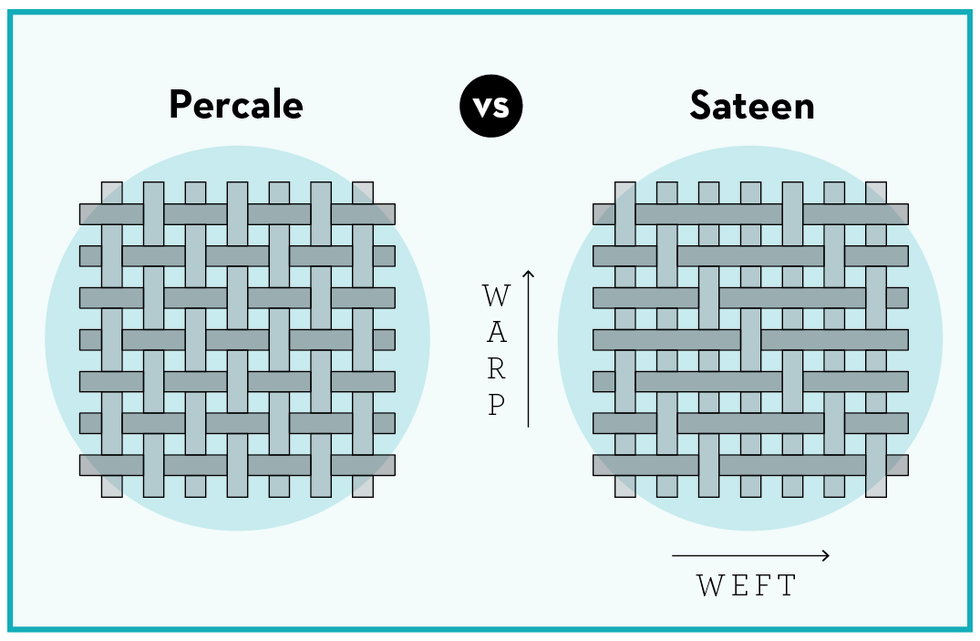
First, let’s cut through the noise and get technical for about 12 seconds. Supima refers to the cotton fiber itself—extra-long staple cotton grown in the US, known for its strength, softness, and durability. Percale is the weave—a plain, one-over-one-under weave that feels crisp, matte, and breathable. Here’s the kicker: Percale can be made from Supima cotton. And Supima cotton can be woven into a percale or a sateen (smooth, silky) weave. The internet often conflates them, and that’s where the confusion breeds madness. So, your first actionable tip is to stop asking “which is better?” and start asking “which texture do I want?” If you want crisp, choose percale. If you want smooth, choose sateen. If you want durability, ensure it’s Supima or long-staple cotton.
Tip number two: ignore the thread count. This is the single most important piece of advice you will ever read on this topic. Anything above 600 is usually a marketing gimmick involving multi-ply yarns that actually reduce breathability and make sheets feel like cardboard coated in glue. The sweet spot for percale is between 200 and 400. For sateen/Supima, 300 to 600 is perfect. The quality of the fiber matters more than the count. A 300-thread-count Supima percale will outlast and out-feel a 1500-thread-count polyester blend from a fast-fashion home brand. Do not fall for the number. Look for “long-staple” or “extra-long-staple” cotton on the label, and if it says “Supima,” it’s a certified guarantee of the latter.
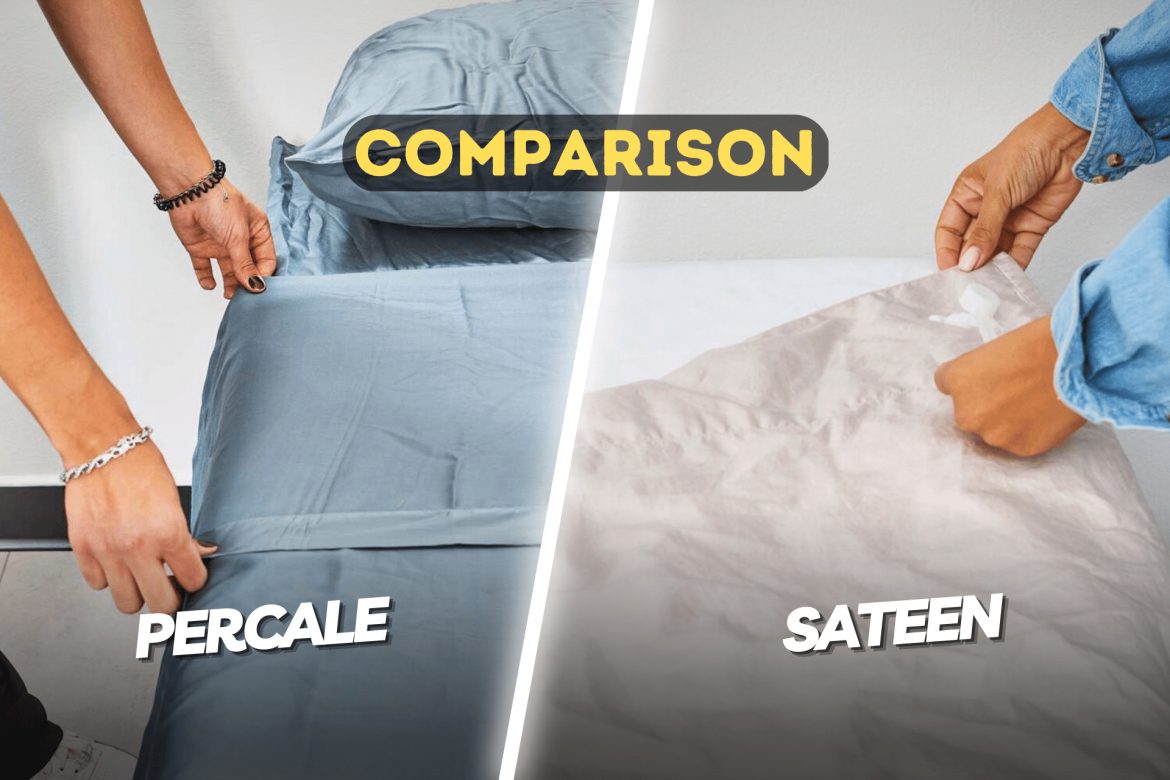
Third, set a realistic budget and treat this like a marathon, not a sprint. You do not need a full set of matching pillow shams, a duvet cover, and a bed skirt right now. Start with the fitted sheet. That’s the piece that touches your body. Buy one good one from a reputable brand. How do you find a reputable brand? Look at the care instructions. If it says “pre-shrunk” or “machine washable cold,” that’s a good sign. If it says “dry clean only” for a cotton sheet, run. Here’s a pro tip: buy a sheet that you can actually feel before you buy. Go to a department store, find the bedding section, and rub the sample between your fingers. If it feels like a stiff tent, that’s percale. If it feels like a silk slip, that’s sateen. Your skin will tell you what you need to know faster than any influencer.
Finally, do not listen to anyone who tells you that one is inherently superior for “sweaty sleepers.” That’s a myth. Both percale and sateen can be breathable if woven correctly. The difference is the feeling of moisture. Percale wicks and evaporates quickly, leaving you feeling dry but potentially slightly cold if you’re in a drafty room. Sateen/Supima can trap a slight bit of heat because of its tighter weave (it has more threads per inch, actually), making it better for winter. If you sleep hot, go with a percale weave—regardless of the cotton type. If you sleep cold, go with sateen. It’s not about the brand’s marketing; it’s about your body’s thermostat.
Your Burning Questions, Answered by a Slightly Exhausted Expert
Is percale always made from Supima cotton?
Absolutely not, and this is the crux of the internet’s misinformation problem. Percale is just a weave pattern. It can be made from low-grade short-staple cotton, which will feel rough and pill after five washes. It can be made from bamboo, which feels crispy but different. It can be made from linen. The term “percale” tells you nothing about the material; it only tells you about the architecture of the threads. When a brand slaps “Percale” on the box without specifying the cotton type, they are usually using a cheaper, rougher fiber. That’s why you’ll see horrible reviews for “crisp” sheets that feel like sandpaper. They were percale weave but made from trash cotton. On the other hand, if a brand says “Supima Percale,” you’ve hit the jackpot—the strong, soft, long-staple fiber woven into the crisp, breathable style. That combination is genuinely elite.

To further debunk the myth: you can have a Supima sateen, which is the softest, most lustrous thing you’ll ever touch, but it isn't facing the same thermal properties. So when people say “I sleep hot so I need percale,” they are right, but they also need to ensure it’s high-quality percale. Conversely, if you buy a Supima percale and think it’s too stiff, you might just prefer the weave of sateen. It’s a two-variable equation, and the internet treats it like it’s a binary choice between heaven and hell. The real answer is: buy a high-quality version of the weave that matches your temperature preference, and ensure the fiber is long-staple.
Why does my percale sheet feel softer after washing it, while my Supima doesn’t change?
Ah, the classic “was it broken in?” debate. Percale, because of its looser, one-over-one-under structure, actually allows the fibers to relax and bloom with water and agitation. The fabric “loosens up,” literally breaking down the stiffness of the loom. It’s not that it gets softer in the sense of becoming plush; it gets limper and less cardboard-like. You’re essentially softening the finish that was applied at the factory. This is why many percale fans say the sheets get better after 5-10 washes. The initial crispness is a feature, not a bug, for the first few nights, but for most people, it’s just annoying until it breaks in.
Supima, especially in a sateen weave, is already soft from the get-go because of the fiber’s length and the smoothness of the weave. It doesn’t need to be “broken in” to feel comfortable; it’s more about the “hand feel” from day one. However, if you buy a Supima percale, it will still soften like a regular percale because the weave dictates the rigidity. The fiber length just means it’s less likely to pill or tear during that break-in period. So, if your Supima feels the same wash after wash, you might have a sateen. If your percale feels like a new world after a few weeks, that’s just math, not magic.

Is it worth paying $300+ for Supima sheets when I can get “Egyptian cotton” for $50?
Giggle. Do you also believe in the Loch Ness Monster? The “Egyptian cotton” label at that price point is, 99% of the time, a lie or a legal loophole. The cotton might be grown in Egypt, but it could be a short-staple variety that’s harsh and brittle. Or, it’s just a thread count scam. Supima is a certified trademark—brands have to pay for the license, and the cotton is rigorously tested for fiber length. This certification costs money, which is why you don’t see a $50 “Supima” sheet at a discount retailer. That’s a massive red flag.
Here’s the pragmatic take: a $150 Supima sheet will feel good. A $300 Supima sheet will feel slightly better, but you’re paying for fringe details—stitching, fancy hems, and marketing. A $50 “Egyptian cotton” sheet is almost certainly a short-staple cotton woven into a twill or sateen to fake a smooth feel. It will pill within a year and lose its shape. The value proposition of Supima isn’t just the initial feel; it’s the longevity. You buy one good set, you treat it right, and it lasts a decade. You buy three cheap “Egyptian” sets, and you’re replacing them every 18 months. The cost per sleep is actually cheaper with the Supima. So no, don’t spend $300 on hype, but definitely set aside at least $100-$150 for a reputable, certified Supima product. Your skin is worth more than a fast-fashion dupe.
Is this a passing fad or the new normal? Honestly, I think we’ve hit a permanent inflection point. The pandemic taught us the value of the home, and the subsequent boom in remote work has turned our bedrooms into multi-functional hubs. We’re spending more time in bed than ever, not just sleeping, but working, reading, and doomscrolling. The distinction between Supima and Percale is no longer just textile trivia; it’s part of the broader wellness industrial complex. It’s a tangible, purchasable solution to the anxiety of the modern world—a way to buy control over our environment.
Sure, the specific viral arguments will fade. In six months, we might be obsessed with linen vs. hemp. But the behavior of scrutinizing fiber composition, weave structures, and certified origin tags is here to stay. We’ve been primed to look for quality over quantity, to be skeptical of vague marketing, and to demand authentication. The Supima vs. Percale debate was just the gateway drug. We’re now a society of fabric snobs, and honestly, that’s okay. A little bit of discerning taste never hurt anyone—as long as you remember to, you know, actually sleep in the damn bed once in a while.