Difference Between D5200 And D3200

If you’ve ever fallen down the rabbit hole of camera shopping, you’ve probably noticed the sea of numbers and letters that makes no sense at first. The Nikon D5200 and D3200 are two beloved entry-level DSLRs that still pop up everywhere, from thrift store shelves to online marketplaces. Figuring out what truly separates them is a fun puzzle because they look nearly identical, yet they handle light and motion in surprisingly different ways.
The core purpose here is simple: helping you decide which camera fits your actual life without overpaying. The D3200 is the older, simpler sibling, while the D5200 is a step up in terms of sensor and autofocus muscle. Understanding these differences means you’ll know whether you’re buying a hobby toy or a serious tool for creative work.
For education, the D3200 is a fantastic teaching camera because its menus are straightforward and it’s forgiving for total beginners. In daily life, the D5200 shines when you want to snap sharp photos of moving kids or pets — its autofocus system locks onto subjects faster. If you’re a student filming a short documentary, the D5200’s better video quality and flip-out screen make it a mini cinema rig, while the D3200 still works fine for basic vlogs.
Must Read
The biggest technical difference is the sensor. The D5200 has 24.1 megapixels, same as the D3200, but it uses a newer chip that captures more detail in shadows and highlights. This means your sunset photos will have smoother gradients and less noise when you zoom in. The D5200 also has a much faster autofocus system with 39 points, whereas the D3200 uses 11 points that are slower and less accurate in low light.
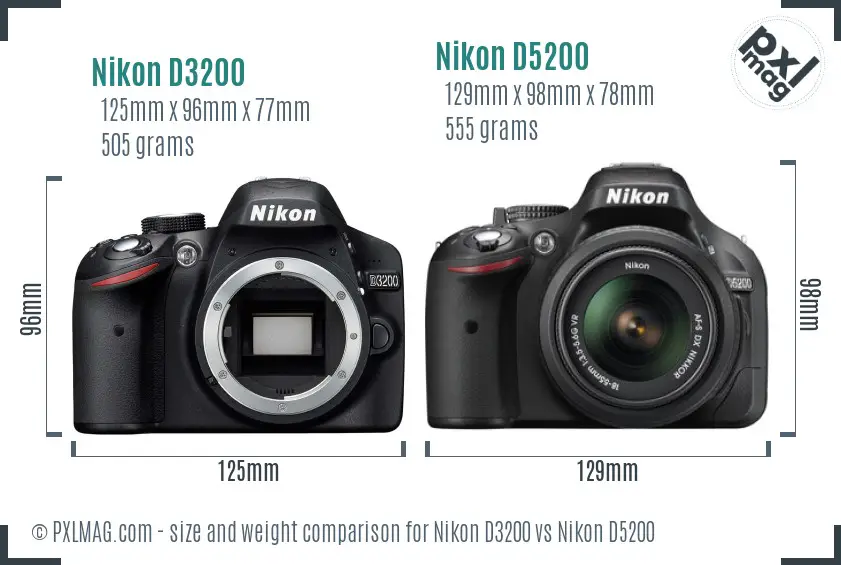
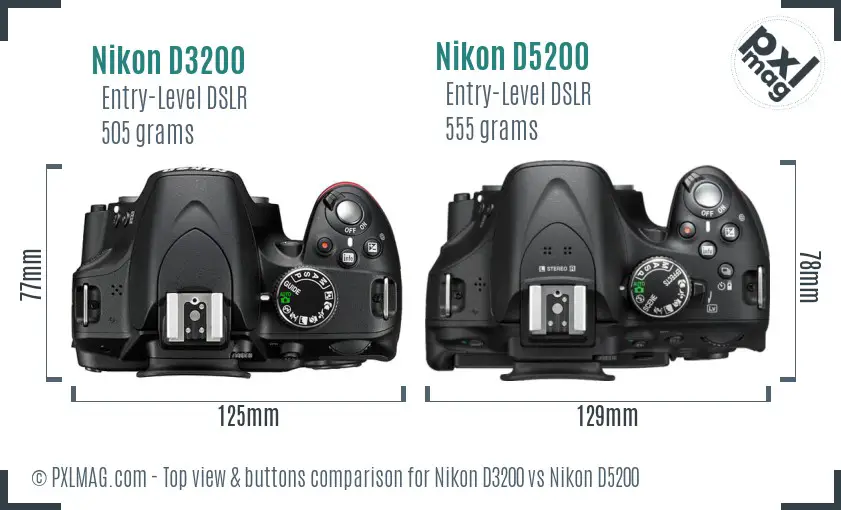
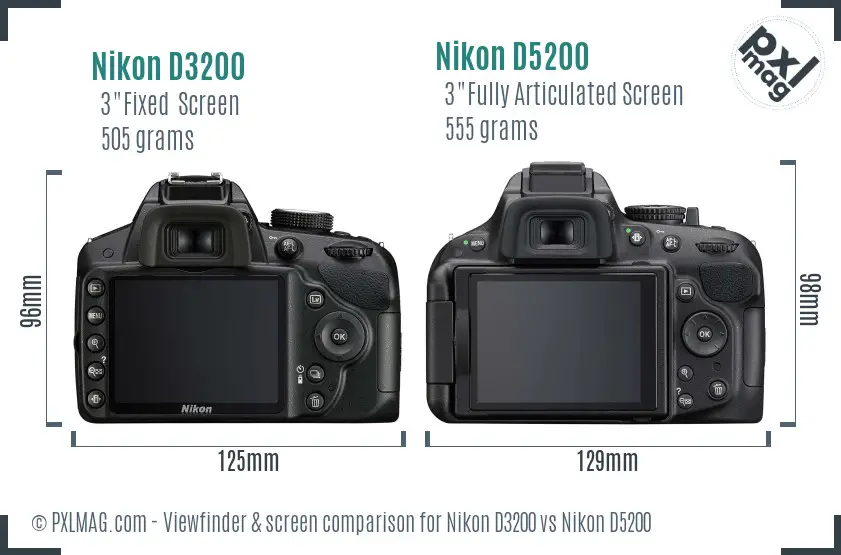
For video, the D5200 pushes ahead with autofocus tracking during recording, which the D3200 lacks entirely. If you’re a fan of self-portraits or vlogging, the D5200’s vari-angle touchscreen lets you see yourself while shooting, while the D3200’s screen is fixed and non-touch. On the flip side, the D3200 is lighter, feels more compact, and often costs significantly less on the used market — perfect if your budget is tight.

Here’s a practical tip: don’t buy either camera just for the megapixel count. Instead, think about what you’ll shoot most. If you mostly photograph still objects like flowers or books in good sunlight, the D3200 will be more than enough. But if you ever chase birds, toddlers, or sports, the D5200’s autofocus is the difference between a blurry miss and a crisp winner.
To explore these cameras yourself, try a simple test: set both to the same settings and take a photo of a moving ceiling fan. The D5200 will freeze the blades with less hunting, while the D3200 will struggle and produce more failed shots. Another fun experiment is shooting at night — the D5200 holds better image quality at higher ISO, meaning your city lights look cleaner and less grainy.
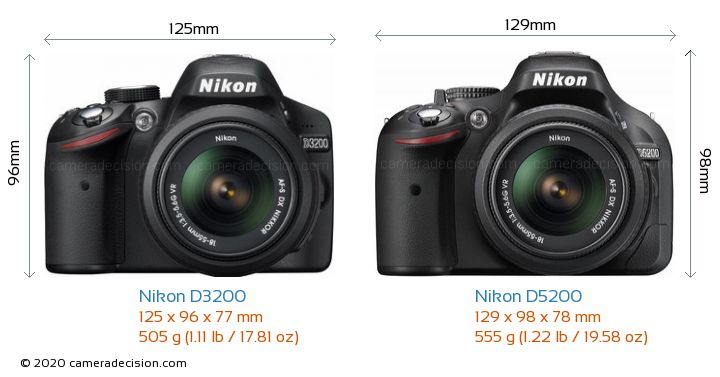
Also, check the raw file size; D5200 images give you more headroom to edit on your phone or laptop. The D5200 has a built-in intervalometer for time-lapses, which is a delight for hobbyists. The D3200 forces you to buy a remote shutter cable for that, so if you love star trails, the extra cash for the D5200 is worth it.
Finally, remember that your lens matters more than the camera body. Both cameras use the same Nikon F-mount, so you can swap lenses freely between them. Start with a cheap 35mm f/1.8 prime lens on either body and you’ll see massive image quality jumps. Ultimately, the D3200 is a brilliant entry into photography, but the D5200 is the sweet spot for curious beginners who want room to grow without jumping to full-frame. Try holding both in a store, feel the grip, and let your gut decide — but know that either choice will teach you more than any smartphone can.