Difference Between Capital One Cards

Ever found yourself staring at a wall of credit card options, feeling like you need a decoder ring just to pick one? That’s especially true with Capital One, which offers a surprisingly wide range of cards that seem similar at first glance. But here’s the fun part: the “best” one depends entirely on your spending habits and what you want back from the bank. Whether you’re a road warrior, a cash-back enthusiast, or just building credit from scratch, there’s a method to the (seemingly) colorful lineup.
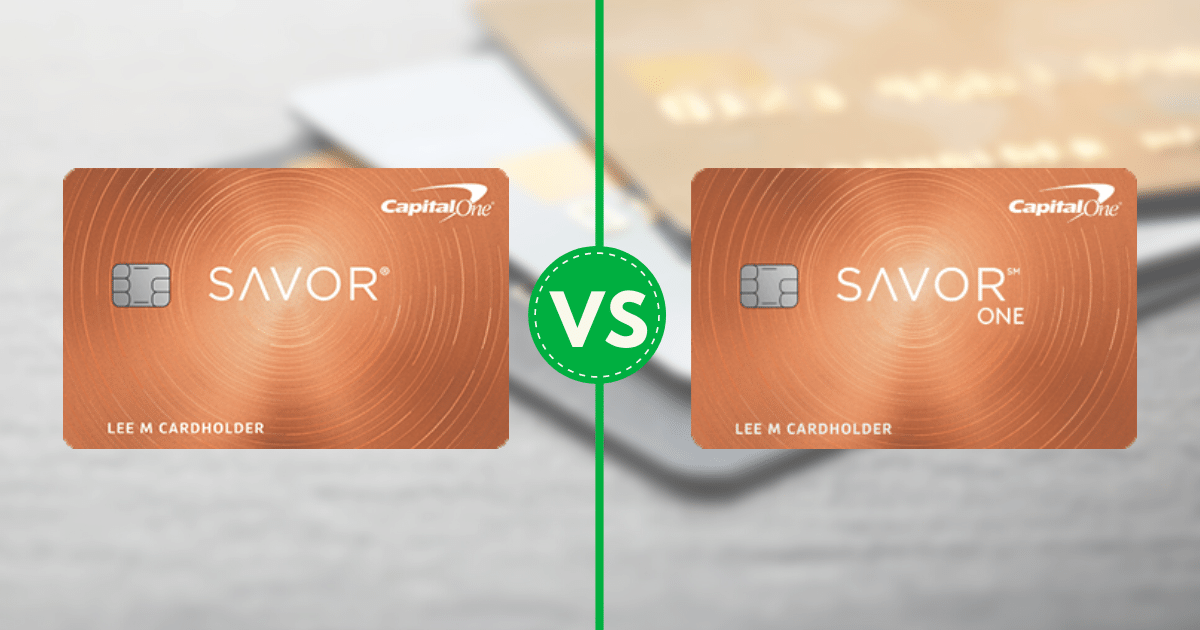
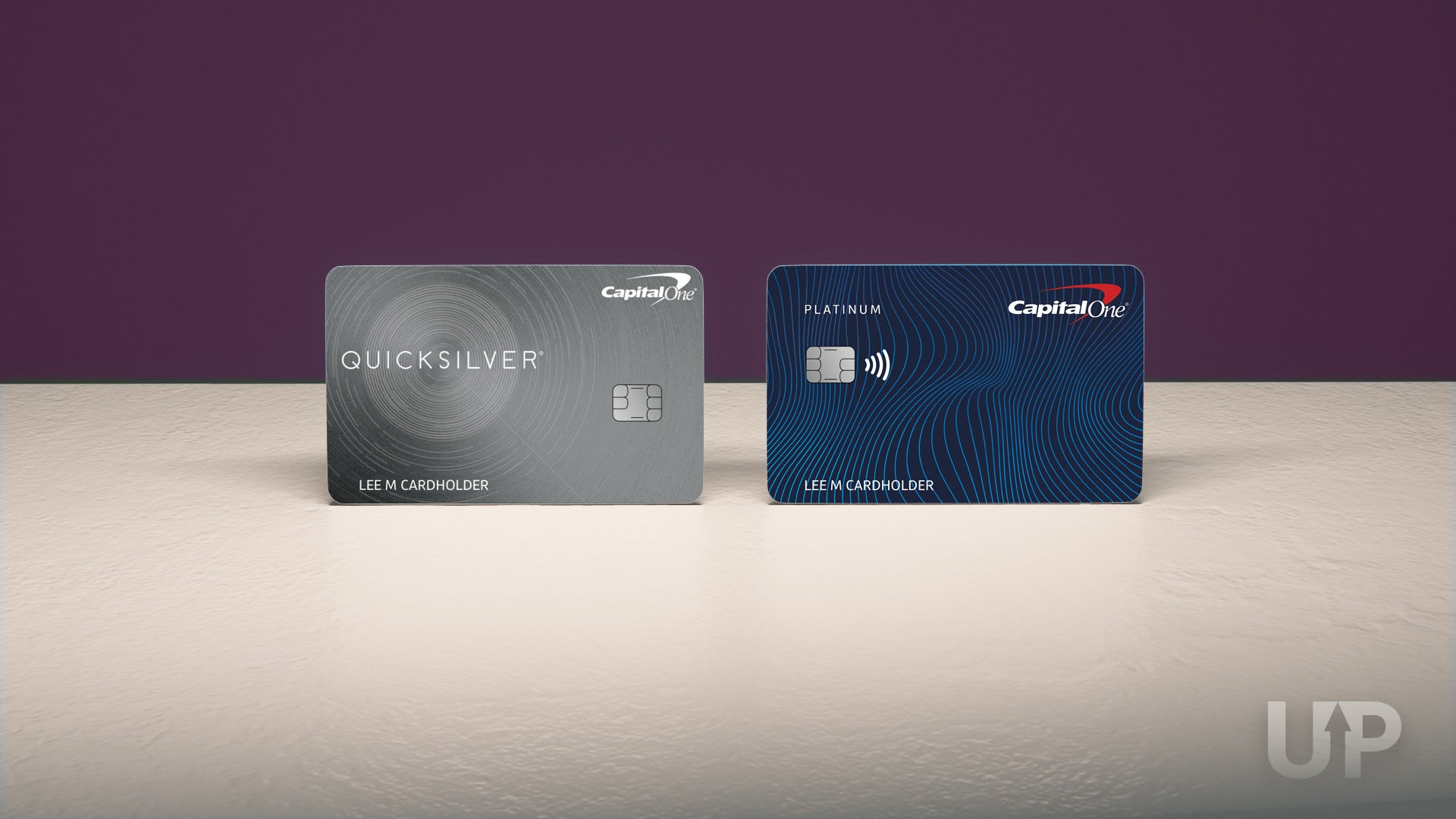
At its core, the difference boils down to three reward engines: cash back, miles, and points. Cash-back cards like the Quicksilver give you a flat 1.5% back on every purchase, which is beautifully simple. The Savor family, on the other hand, rewards you heavily for dining and entertainment—think 4% on restaurants and 3% on groceries. Meanwhile, Venture cards earn “miles” that are actually easy to redeem as a statement credit against any travel purchase, not just airline-specific bookings.
The real trick is matching the card’s strengths to your daily flow. If you grab coffee every morning and eat out twice a week, the Savor’s higher category rates will quietly build more cash than a flat-rate card. But if you’re a freelancer who buys office supplies and travels to clients, the Venture’s 2x miles on everything might feel like a cheat code. For students or credit newbies, the Platinum or QuicksilverOne are entry points—no rewards, but they help you build a credit history with responsible use.
Must Read
In education, this isn’t just about plastic—it’s a real-life math lesson. Imagine comparing two cards for a $1,000 monthly spend: the Quicksilver gives you $15 back, while the Savor might give you $30 if that spend is mostly at restaurants. That’s a tangible example of opportunity cost and budgeting that you don’t get from a textbook. Parents can even use this to teach teens about interest rates and minimum payments, using Capital One’s pre-approval tools as a safe sandbox.
For daily life, the benefits go beyond rewards—think free credit score alerts and no foreign transaction fees on travel cards. Capital One also lets you snag a virtual card number for online shopping, which adds a layer of privacy. One card even offers a travel eraser tool, where your points can wipe out a past purchase, like a hotel bill you forgot to budget for. It’s these small, practical perks that turn a wallet item into a lifestyle tool.
Now, here’s the practical tip: don’t apply blindly. Use Capital One’s “pre-approval” page, which checks your odds without hurting your credit score. Then, grab a spreadsheet and list your top three spending categories from last month—that’s your real data. If you’re lazy, just remember the shortcut: flat cash back for simplicity, dining/cash-back for foodies, miles for frequent flyers, and secured cards for credit building.
Finally, explore by “test-driving” a card with a zero annual fee first—you can always upgrade later. Capital One often lets you move your credit limit between cards, so you can start with a Quicksilver and switch to a Venture if you start traveling more. The key is to review your statement every month and ask, “Did this card earn its keep?” If not, call the bank—they’re famously open to product changes. In the end, the difference isn’t about good or bad; it’s about fit—and now you know how to find yours.
![How To Upgrade a Capital One Card: A Complete Guide [2026]](https://upgradedpoints.com/wp-content/uploads/2025/03/Capital-One-Venture-upgrade-comparison-details.png?auto=webp&disable=upscale&width=1200)