Dermal Tissue In Plants Wikipedia

Have you ever wondered how a towering oak tree or a delicate rose stays safe from the world? The secret lies in a surprisingly clever layer you probably touch every day without a second thought. This is the dermal tissue—the plant’s very own skin, a living shield that’s as smart as it is tough. It’s not just a wrapper; it’s a dynamic system that breathes, drinks, and defends, making it one of nature’s most underappreciated marvels.
What Exactly Is This “Skin”?
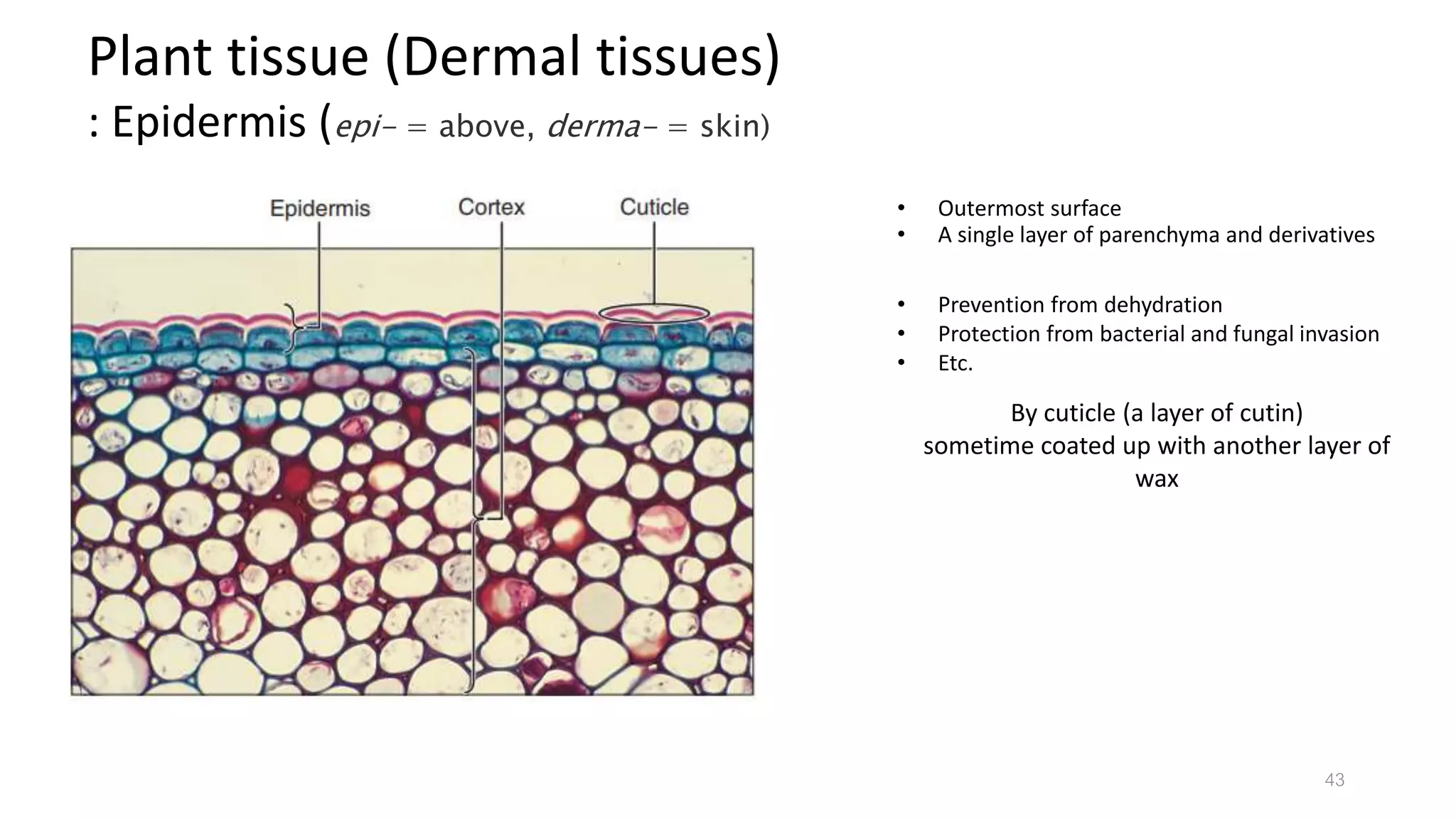
In simple terms, dermal tissue is the outermost layer of cells that covers a plant’s leaves, stems, roots, and flowers. Think of it as the plant’s version of your own epidermis, but with superpowers. For most young plants, this outer layer is called the epidermis, a single, tightly-packed sheet of cells. This layer is the plant’s first line of defense against water loss, injury, and hungry insects.
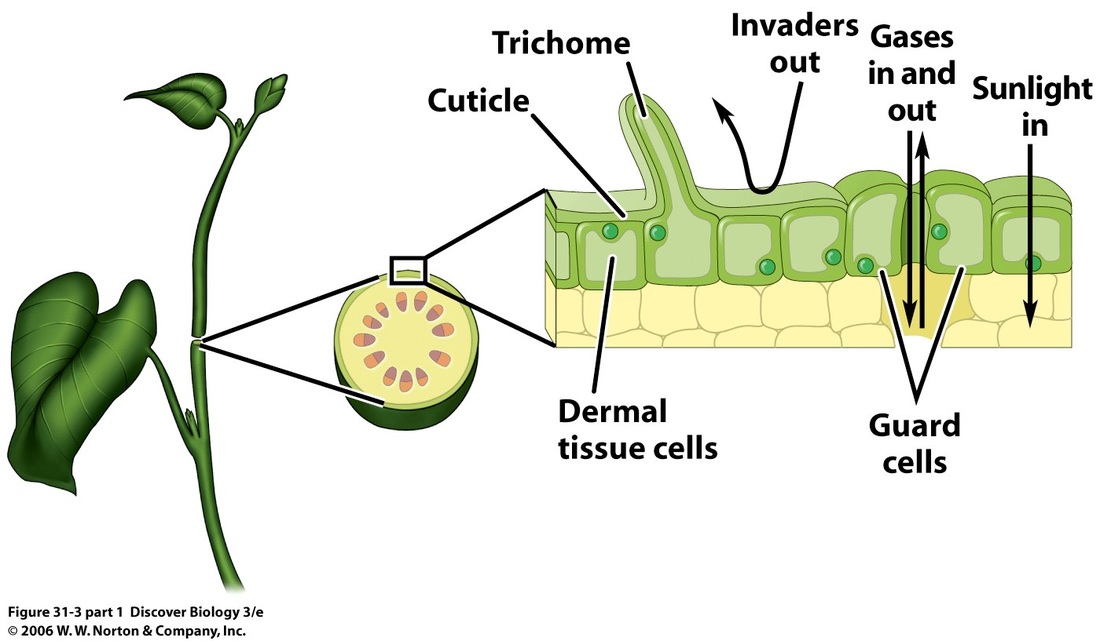
But here’s the kicker: the dermal tissue isn’t just a static wall. It’s a living, breathing organ that actively controls what goes in and out of the plant. Without it, a plant would dehydrate in minutes or drown in a heavy rain. It’s the gatekeeper, the bouncer, and the raincoat all rolled into one.
Must Read
The Amazing Jobs of This Living Shield
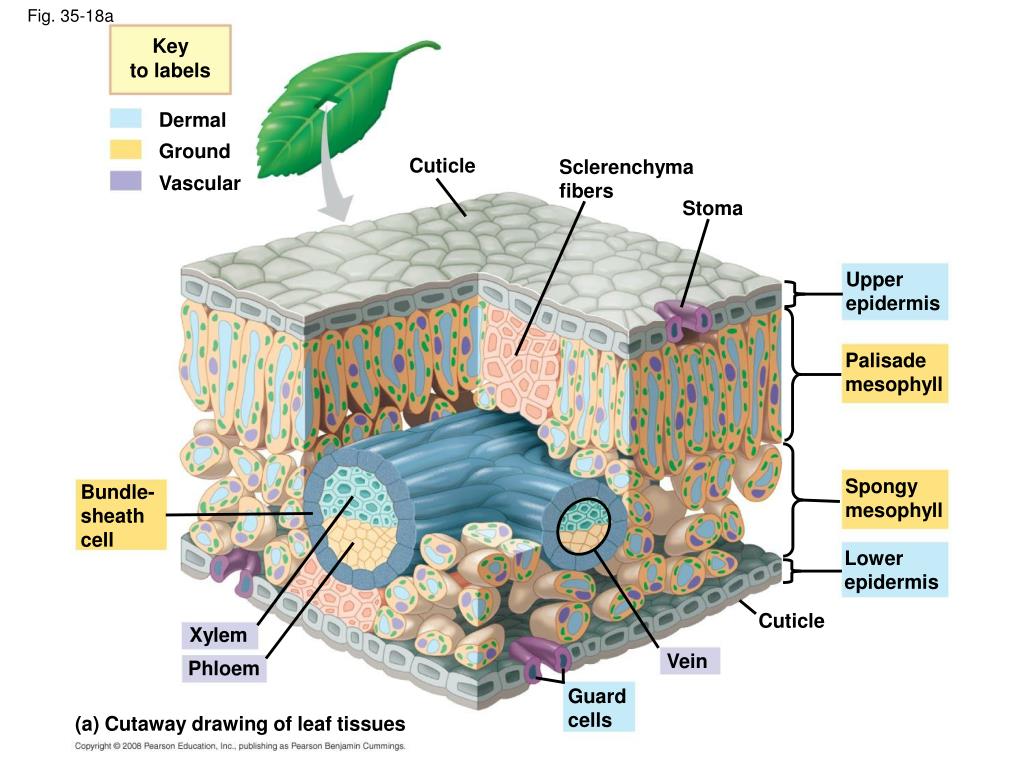
First and foremost, the dermal tissue prevents water loss. It’s coated with a waxy, waterproof layer called the cuticle, which acts like a natural plastic wrap. This cuticle is thicker on leaves in sunny, dry climates, proving how adaptable this tissue really is. On roots, however, the dermal tissue does the opposite—it helps absorb water and minerals from the soil.
Another critical job is protection against predators. Many epidermal cells produce tiny hairs called trichomes, which can be sticky, sharp, or even toxic to insects. Other plants use the dermal tissue to grow thorns or spines, turning their skin into a medieval fortress. And don’t forget the stomata—microscopic pores, usually on the underside of leaves, that act like tiny mouths. They open and close to let in carbon dioxide and release oxygen, all while balancing precious water loss.
When Plants Grow Old: The Corky Upgrade
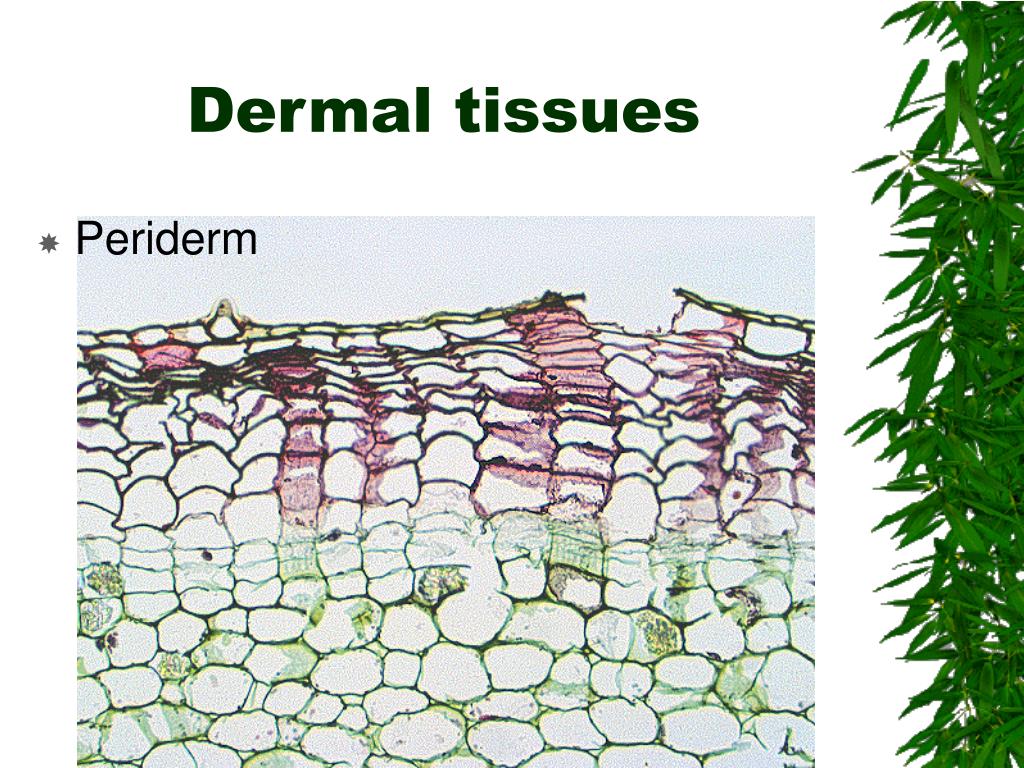
As a plant grows thicker, its primary dermal tissue is replaced by a tougher, secondary skin called periderm—you know it as bark.
This periderm is made up of cork cells that are dead at maturity, filled with air, and coated with a fatty substance called suberin. This makes the bark waterproof, fire-resistant, and excellent at insulating the tree from extreme temperatures. So the next time you see a rugged oak trunk, you’re looking at a brilliant, evolved dermal tissue system that has served the tree for decades.
The periderm also has special breathing holes called lenticels, which look like small, corky dots on the bark. These lenticels allow gas exchange even though the outer layer is dead and waterproof. It’s a brilliant workaround that keeps the inner living tissues oxygenated.

Why You Should Care About Plant Skin
Understanding dermal tissue isn’t just for botanists—it helps you become a better gardener. If you know that the cuticle prevents water loss, you’ll understand why overwatering leaves or misting leaves in the sun can be harmful. Knowing that stomata close at night or during droughts can help you time watering for early morning, when they’re wide open and ready to drink.
For anyone who loves nature, this tissue explains why certain plants survive deserts while others need rainforests. It’s the invisible reason why a cactus is spiky and why an apple is waxy. And for science fans, the dermal tissue is a perfect example of evolutionary genius—a simple layer of cells that has mastered the art of survival.
So next time you brush past a leaf or peel an apple, take a second to thank its dermal tissue. It’s working hard every second, keeping the plant alive, hydrated, and safe from a very hungry world. That thin, often ignored outer skin is truly the plant’s greatest unsung hero.