Dental Assistant Salary Washington Dc
Let’s be honest—nobody wakes up dreaming about polishing teeth and filing insurance claims. But once you’re in the chair, watching a skilled dental assistant juggle X-rays, suction, and small talk with a patient’s mouth wide open, you realize they’re the real MVPs of the clinic. In Washington, D.C., this career isn’t just about keeping smiles bright; it’s about carving out a seriously comfortable living in one of the nation’s most expensive cities.
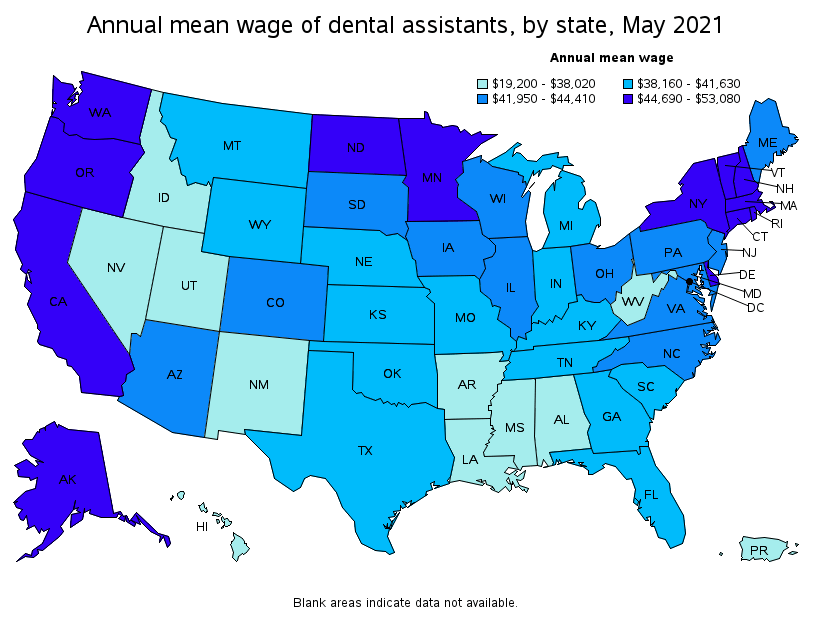
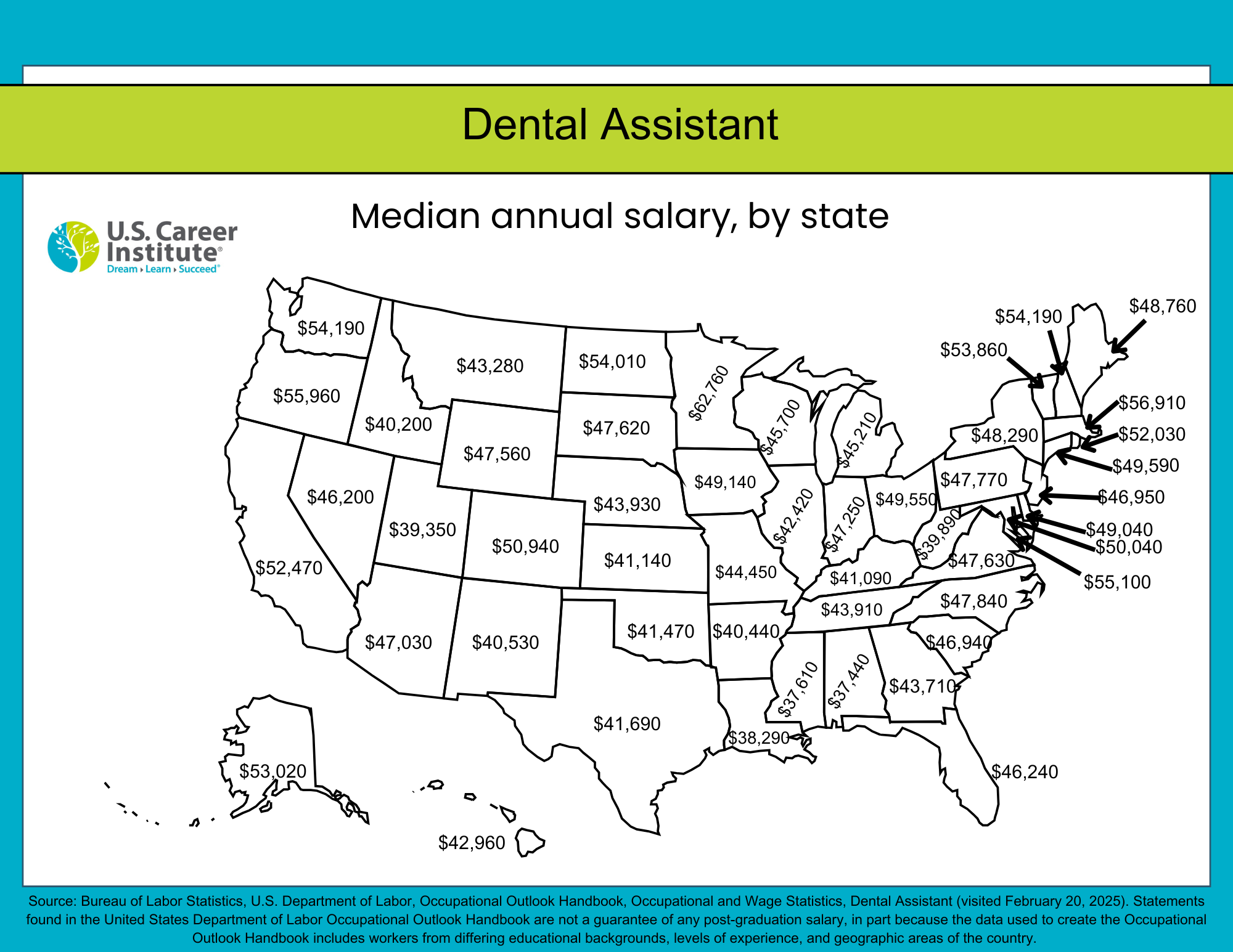
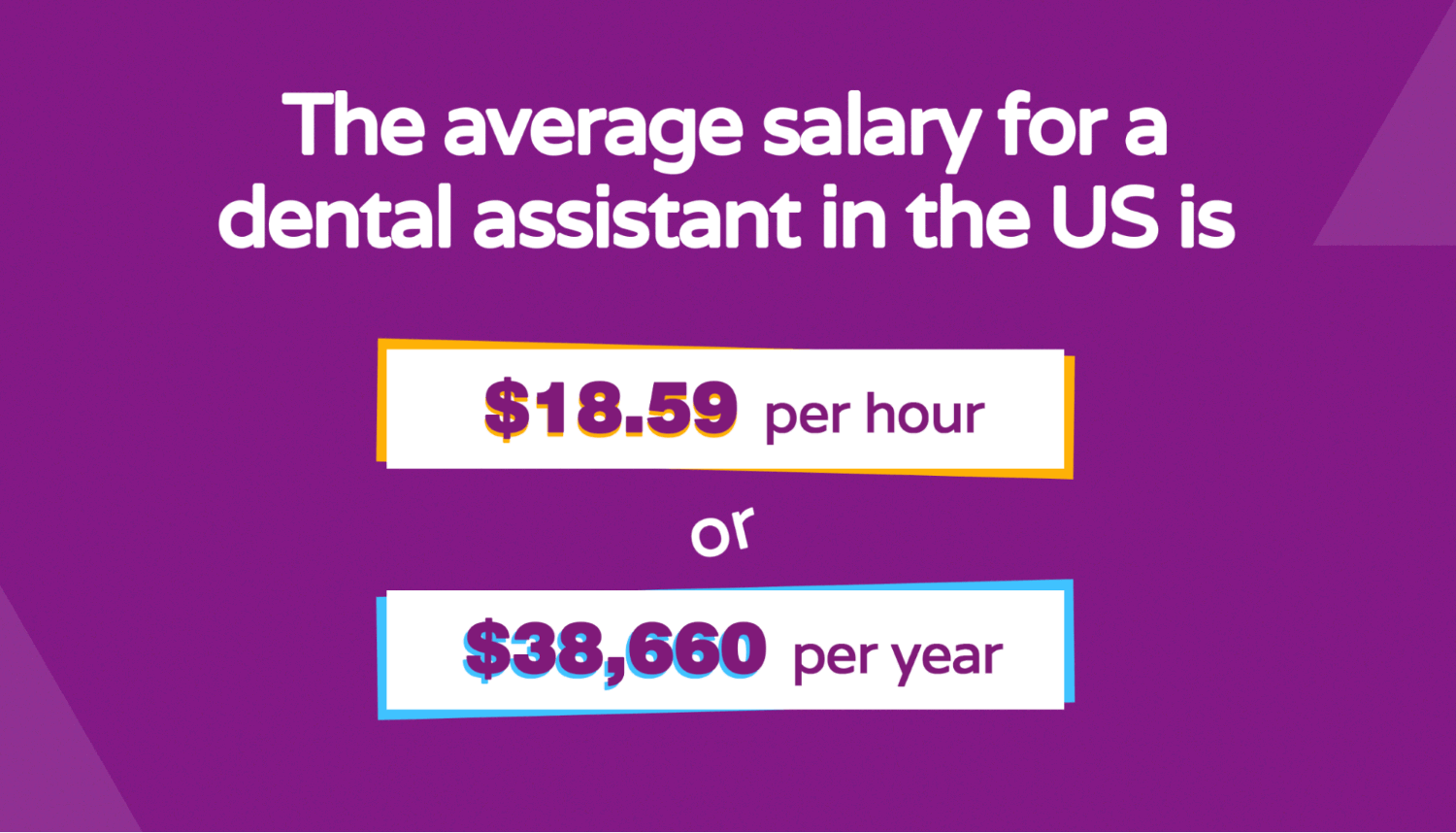
The biggest draw? The paycheck. Dental assistants in D.C. earn an average annual salary of around $52,000 to $60,000, with experienced pros pushing past $70,000—far above the national average of about $46,000. That extra cash isn’t pocket change; it’s the difference between renting a studio in Arlington versus sharing a place with three roommates in Adams Morgan. For a job that typically requires only a one-year certificate, that’s a smart financial move.
But let’s talk about what this salary actually buys you in everyday life. Beyond covering rent and groceries, it funds a decent commute on the Metro, weekend brunches, and maybe a small emergency fund—luxuries many service workers in the city can only dream of. More importantly, it offers stability: dental offices run rain or shine, and with D.C.’s high concentration of federal employees and private practices, demand for assistants stays consistently strong.
Must Read
You’ll find dental assistants everywhere here—from high-end cosmetic clinics in Georgetown to community health centers in Ward 8. They’re the ones handing you sunglasses before the bright overhead light, explaining why flossing isn’t optional, and secretly calming your nerves with a reassuring nod. Their work is practical, hands-on, and never boring: one moment you’re assisting a root canal, the next you’re scheduling recall appointments or sterilizing tools. No two days look alike, and that variety is part of the charm.
For those eyeing this field, the first tip is to negotiate like a D.C. insider. The cost of living is high, so don’t accept the first offer—ask for a starting rate above $25 per hour, especially if you have chairside or digital X-ray skills. Second, get certified in expanded functions (like placing fillings or applying sealants); that alone can boost your salary by 10-15% overnight. Third, join local networks like the D.C. Dental Assistants Association—not just for job leads, but to learn which offices offer annual raises or CE reimbursements.
Another smart move? Target the right workplaces. Specialty practices (orthodontics, oral surgery) pay more than general dentistry, and hospitals like MedStar or Howard University Hospital often add shift differentials. If you’re flexible, consider temp agencies—they frequently pay $3-5 more per hour for short-staffed days, and you can sample different clinic cultures before committing. Just be clear about your commute: factor in Metro fares or parking fees, because that eats into your take-home pay faster than you’d think.

Finally, don’t sleep on continuing education. D.C. requires a basic registration, but voluntary certifications in sedation monitoring or pediatric care make you a premium hire. The city also hosts free workshops through the Department of Health—attend those, and you’ll not only sharpen skills but also meet dentists who are willing to pay for your extra qualifications. Your salary isn’t fixed; it grows with your initiative.
So, whether you’re a career changer or a recent high school grad, know this: being a dental assistant in Washington, D.C. is a surprisingly lucrative path with a human connection bonus. You’ll leave work with tired feet but a full bank account, and you’ll have genuinely helped people through a nervous hour. That’s a combination you don’t find in many jobs—and it’s one that deserves a bright, confident smile of your own.