Delhi Railway Station Ticket Booking
Let’s be honest: the phrase “Delhi Railway Station Ticket Booking” does not exactly scream viral content. It lacks the glamour of a Bollywood debut, the chaos of a stock market crash, or even the fleeting dopamine hit of a good meme. Yet, here we are, in 2025, where the humble act of securing a train ticket has transcended its bureaucratic origins to become a full-blown spectator sport, a digital gladiatorial arena, and arguably the most stressful part of the average urban Indian’s month. The internet has spoken, and the consensus is clear: booking a tatkal ticket is the new Squid Game, but with worse odds and significantly more refreshing of browser tabs.
Why the sudden cultural obsession? It’s the perfect storm of algorithmic scarcity, FOMO, and the eternal Indian pastime of jugaad. Every Monday morning, your Twitter feed (or X, if you’re terminally online) is flooded with screenshots of payment portals frozen at 99%, the infamous “Server Busy” error, and the collective mourning of a confirmed sleeper berth. It’s not just about getting from Point A to Point B anymore; it’s about winning. It’s a badge of honor, a tale of survival, and a podcast-worthy story of how you outsmarted 10 million other people for a single seat on the Rajdhani. The railways have unwittingly become the country’s most inclusive reality show, where the prize is not money, but the simple, profound joy of a working AC.
The vibe shift is real. We’ve moved from casual “booking in advance” to setting alarms for 8:59 AM, pre-typing our Aadhaar numbers, and joining WhatsApp groups dedicated to sharing “hacks” that are older than the IRCTC app itself. To not engage with this digital Hunger Games is to be socially irresponsible. It’s the new adulting litmus test. If you can’t navigate the labyrinth of the Indian Railway Catering and Tourism Corporation (IRCTC) website without a nervous breakdown, can you truly call yourself a functional member of Gen Z or the Millennial workforce? The answer, as the internet will tell you, is a resounding no.
Must Read
The Fandom and The Folly: Inside the Tatkal Subculture
Welcome to the dark underbelly of the railway fandom—a space where the phrase “agent” is whispered with the same reverence and suspicion as “warlord.” There is a thriving, toxic ecosystem of Telegram channels and YouTube live streams peddling “guaranteed booking” services for a premium. These aren’t just scalpers; they are algorithmic mercenaries who’ve reverse-engineered the rail system’s quirks. They know that clearing the IRCTC captcha is less about your eyesight and more about the specific pixel patterns at 8:59:59 AM. They’ve monetized anxiety itself, and their customer reviews are a beautifully tragic mix of five-star gratitude and one-star rage over a failed booking that somehow still cost money.
Social media has turned the ticket window into a theatre of the absurd. On #IRCTCWatch, users share live updates of server statuses, complete with meme-ified cricket commentary. “He’s going for the payment! Oh, the bank is not responding! What a collapse!” The subculture has birthed its own lingo: “BRAP” (Booked, Relieved, And Party), “Tatkal Trauma,” and the dreaded “PNR Purgatory” where you’re stuck in a waitlist so long you’re unsure if the train even exists anymore. The discourse oscillates between sympathizing with the IT staff who maintain this ancient machinery and demanding a total overhaul, often in the same breath. It’s a toxic relationship, but we can’t leave, because the bus is slower and flights are for the rich.
The cultural shift here is profound. Booking a ticket is no longer a transactional chore; it is a status symbol. To say, “I booked a 3AC via the general quota without using an agent” is the digital equivalent of flexing a rare Pokémon card. It validates your tech-savviness, your patience, and your superior internet plan. Meanwhile, those who opt for the less stressful but pricier Premium Tatkal are viewed as the silver-spooners of the railway world—efficient, yes, but lacking the grit of the true peasant class of travelers. This classism, dictated by a server’s capacity, is a bizarre yet fascinating reflection of our modern meritocracy—where the only merit that counts is your browser’s refresh speed.

How to Navigate the Chaos Without Losing Your Deposit
Alright, let’s get tactical. You don’t need to be a hacker to beat the system, but you do need to treat this like a military operation. First, stop relying on your laptop’s WiFi. Your home network is a liability. A 5G connection on your phone, held directly adjacent to the cell tower, is the most reliable ammunition you have. The milliseconds between you and the IRCTC server matter more than your lucky socks. Put your phone in airplane mode for 10 seconds before 8:59, then turn it back on to force a fresh network registration—a pro trick that often bypasses lagged routing.
Second, master the art of the pre-filled form. IRCTC allows you to save passenger lists, but the location of the “Save Passenger” button is strategically placed to be as inconvenient as possible. Before the clock strikes the fateful hour, have your journey date, train number, and class pre-selected. Do not, under any circumstances, try to change your date at 8:58 AM. You are not a magician. Your job is to click the “Book Ticket” button the microsecond it turns active. To help with this, use a browser extension that auto-refreshes the page every 2 seconds. But be warned: if you refresh too fast, the server might rate-limit you, banning your IP for 15 minutes—a fate worse than a GnR waitlist.
Third, the captcha conundrum. The IRCTC captcha is a cognitive test designed by sadists. It’s a jumble of distorted letters and numbers, often with a strikethrough that makes you second-guess your vision. The trick is to look at the whole image, not zoom in. The engine usually highlights the characters that are not supposed to be typed, so type the clear ones first. If you’re with a partner or friend, have them shout out the characters while you type. It’s a team sport. And whatever you do, never click “Submit” before the captcha is fully entered. A partial entry will trigger a new, harder captcha, effectively destroying your chances for that day.

Fourth, and this is crucial: have your payment app ready. If you hit “Proceed to Payment” and hesitate to choose between UPI, Net Banking, or a Credit Card, you’ve lost. The system holds your PNR for only 15 minutes (or less during peak tatkal), but the payment gateway itself is a swamp. Keep a single UPI ID copy-pasted on your clipboard. Tap, confirm, and pray. Do not check the fare. Do not check the date. Just pay. In the immortal words of the internet, “Pay first, cry later.” If the payment times out, you will not get a refund automatically; you’ll have to file an online TDR (Ticket Deposit Receipt), and that process is a separate, soul-crushing adventure best saved for another day. Remember, the goal is a ticket, not the ticket. Flexibility in your travel dates is your greatest asset; rigid planning is your sworn enemy.
Frequently Asked Questions: The Great Debates
Is it ethical to use a third-party agent for tatkal bookings?
This is the internet’s favorite moral dilemma. On one hand, agents are the modern-day Robin Hoods, stealing tickets from lazy bureaucrats and handing them to the highest bidder. But they often use automated scripts that violate the railway’s terms of service, effectively denying the average user a fair chance. The IRCTC has cracked down on this, but agents remain a pervasive force. Ethically, it’s a grey area. You are paying a premium for convenience, but you’re also perpetuating a system that favors the technically privileged. The purist will tell you that using an agent is “cheating,” but the pragmatist will point out that your time and sanity have a monetary value. If you choose to use one, do so with clear eyes. You’re not a bad person; you’re just a tired person who values sleep over a 100% free-market rail system.
From a practical standpoint, legitimate agents are often just power users with faster internet and better software. However, the market is flooded with scammers. If an agent asks for your password or OTP over the phone, hang up immediately. A reputable agent will have their own login credentials and will book under your IRCTC ID before the window opens. Check reviews on social media, not just their own website. The real debate isn’t about ethics; it’s about consumer protection. The railway system is archaic, and agents are a symptom of that failure. You can be a martyr for the cause and go manual, or you can accept the system’s flaws and buy back your time. There is no wrong answer, only a wrongfully booked ticket.

Why is the IRCTC website so bad in 2025?
The answer is a mix of “underfunded public infrastructure” and “massive, unmanageable traffic.” The IRCTC handles millions of requests simultaneously, especially during the 8:00 AM to 8:15 AM tatkal window. The site is built on legacy code that predates the smartphone era, and while they’ve added a mobile app, it often suffers from the same bottlenecks. It’s a hot mess under extreme load. The servers are like a tiny cafe trying to serve coffee to the entire population of Mumbai at the exact same second. The result is a digital stampede that crashes the system.
However, there’s also a conspiracy theory floating around that the IRCTC deliberately keeps the booking experience subpar to push users toward the more expensive Premium Tatkal quota, which yields higher revenue with less server strain. While there’s no official proof, it makes for a compelling tabloid headline. In reality, the problem is sheer volume. The site was not architected for the mobile-first, hyper-connected India we live in now. It’s a testament to its resilience that it works at all. The UX is bad because the backend is held together by duct tape and the sheer willpower of a few overworked developers who probably have a permanent migraine. We collectively hate it, but we also secretly love the drama it provides—it gives us something to complain about that isn't the weather or politics.
Is the waitlist (WL) ever safe, or should I just cancel?
Ah, the eternal question of the PNR. The waitlist is a gamble. In the old days, WL tickets had a high chance of confirmation because people would cancel based on plan changes. Today, with auto-cancellation features and smarter ticketing, the scenario is different. A WL ticket above WL 10 for a popular route like Delhi to Mumbai is practically dead in the water. You’ll be clinging to that status for days, refreshing the PNR status check like a possessed trader watching the stock market. The probability of getting a confirmed berth from a high waitlist is akin to finding a unicorn. It’s technically possible, but your hopes will be dashed.
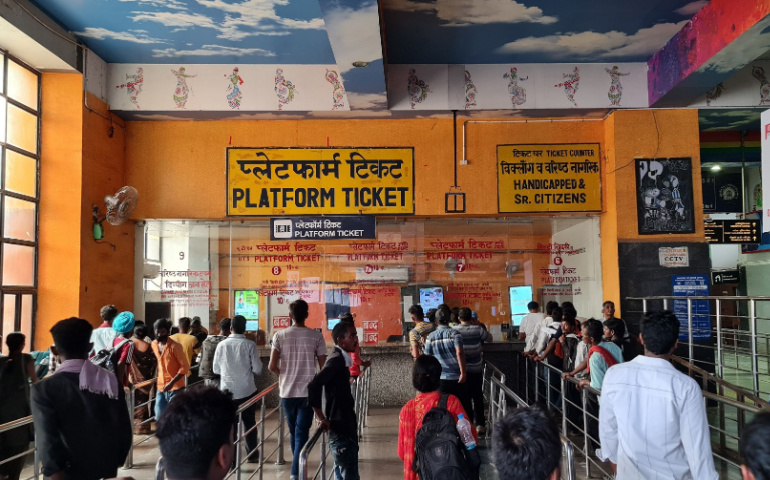
The modern approach is to treat a WL ticket as a placeholder, not a plan. If you can afford it, book a Tatkal ticket on a different day or take a flight. Do not wait until the chart preparation time (usually 4 hours before departure) to make a backup plan. The worst-case scenario is you board the train in a general compartment or get left behind. The smart move is to have a kill switch: a predefined date by which you will cancel the WL and pursue alternate transport. The system gives you a full refund for non-confirmed tickets, so there’s no financial loss, only emotional trauma. Do not refresh your PNR status more than three times a day; your anxiety will spike with each update, and "WL 12" won't change to "Confirmed" just because you’re stressed. You have to know when to fold ’em.
So, is the chaos of the Delhi Railway Station ticket booking a permanent feature of our lives, or just a phase we’ll laugh about in retrospect? It’s hard to imagine a future where this isn’t a core part of the Indian travel experience. The sheer volume of passengers and the cultural love for rail travel ensures that the struggle will continue. However, there are glimmers of hope. The government is slowly introducing new systems, AI-assisted prediction, and alternative ticketing portals that might ease the load. But as with most public sector transformations, it will be slow, bureaucratic, and probably introduce new glitches.
For now, the ritual of the 8:59 AM sprint is our shared cultural cross to bear. It’s a brutal, unforgiving test of nerve, but it’s also a unifying force. In a world that feels increasingly fragmented, the universal frustration of a frozen payment screen brings us all together. We are a nation of a billion people, but for five minutes every day, we are all just a bunch of thumb-tapping warriors fighting for a sleeper berth. And honestly, the story you get to tell about the time you snagged a last-minute AC ticket is worth more than the comfort of the AC itself. Book on, brave souls. Book on.