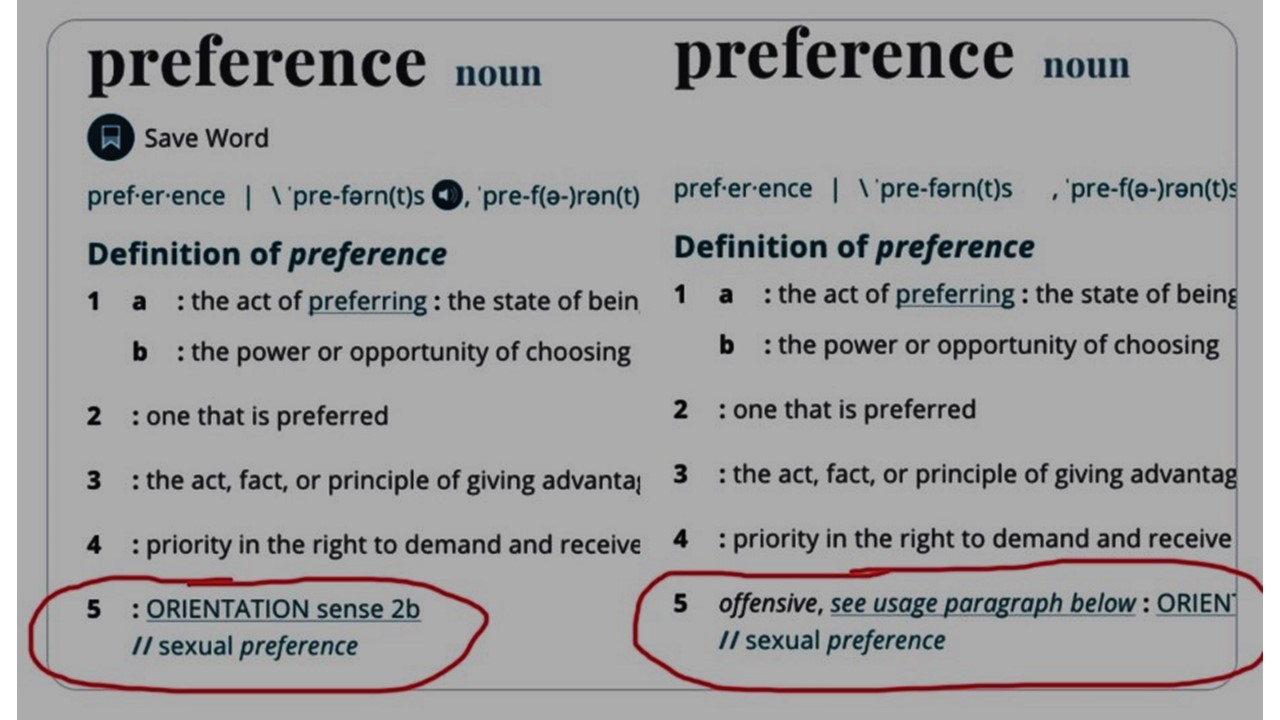
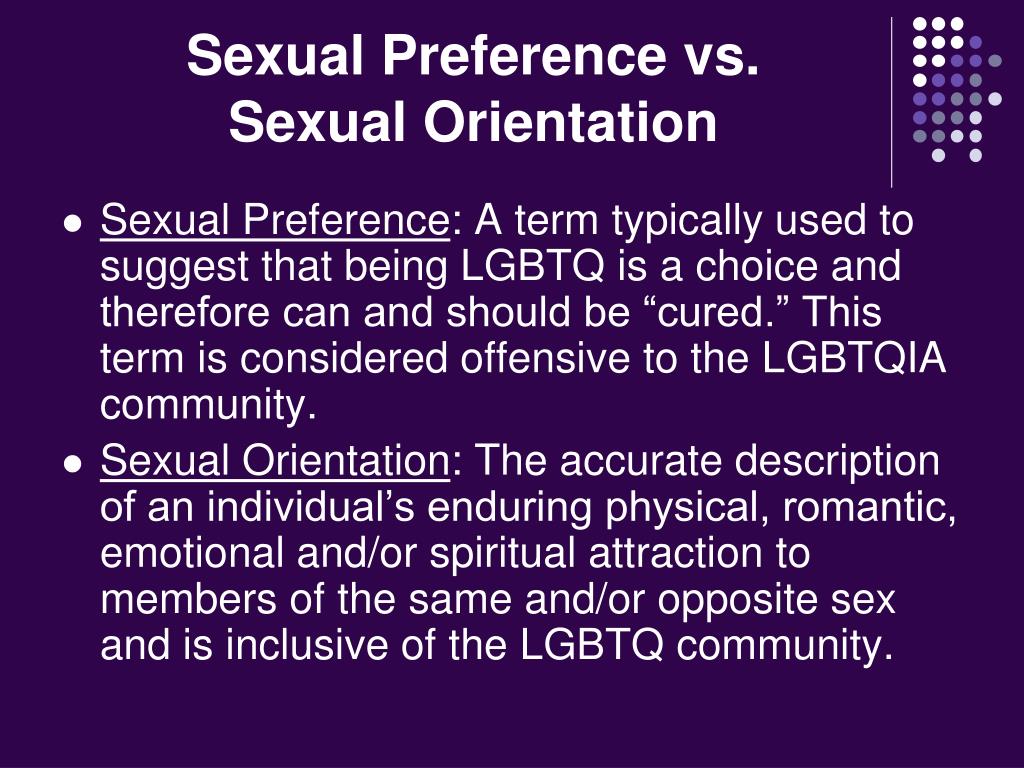
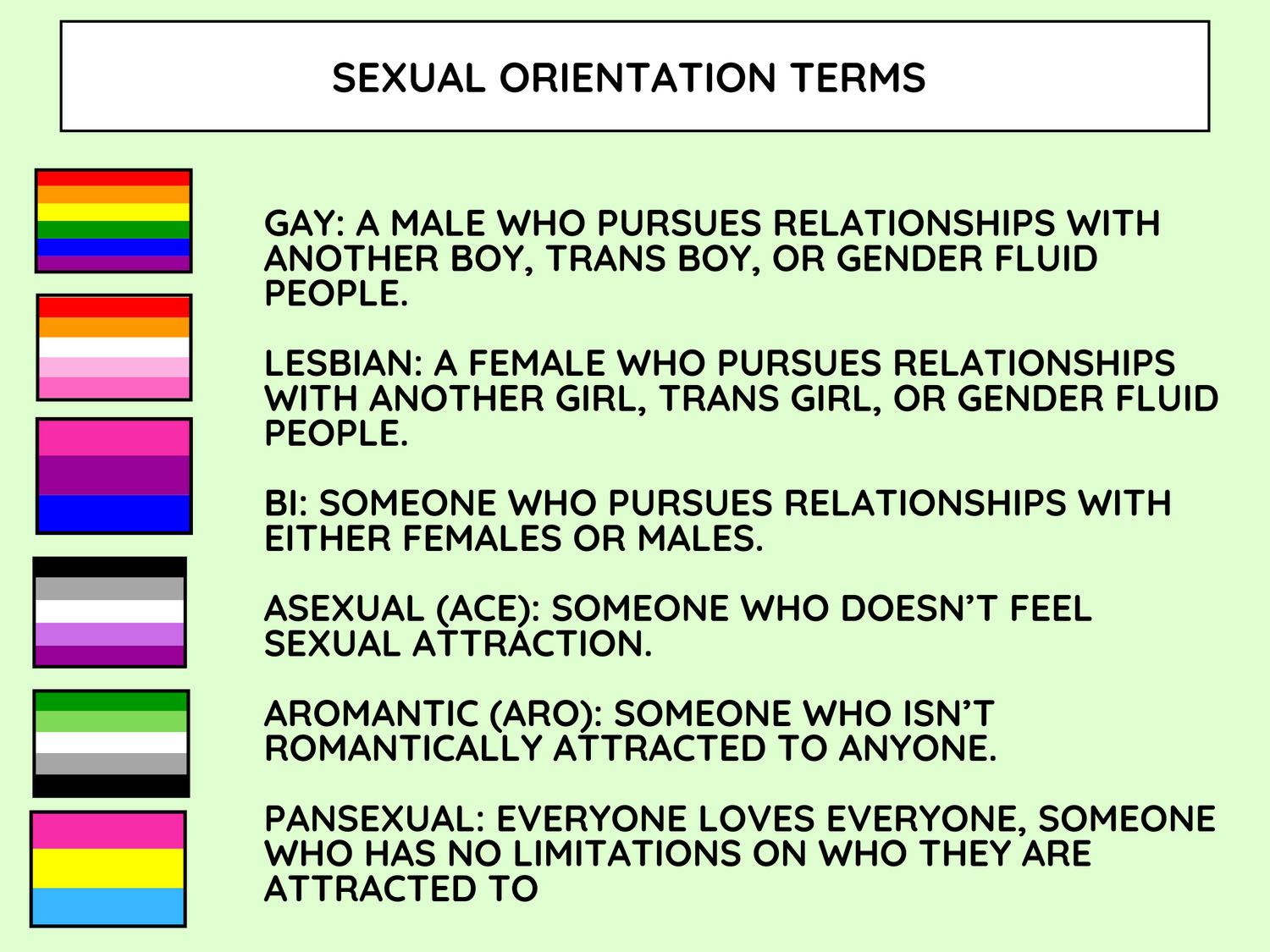
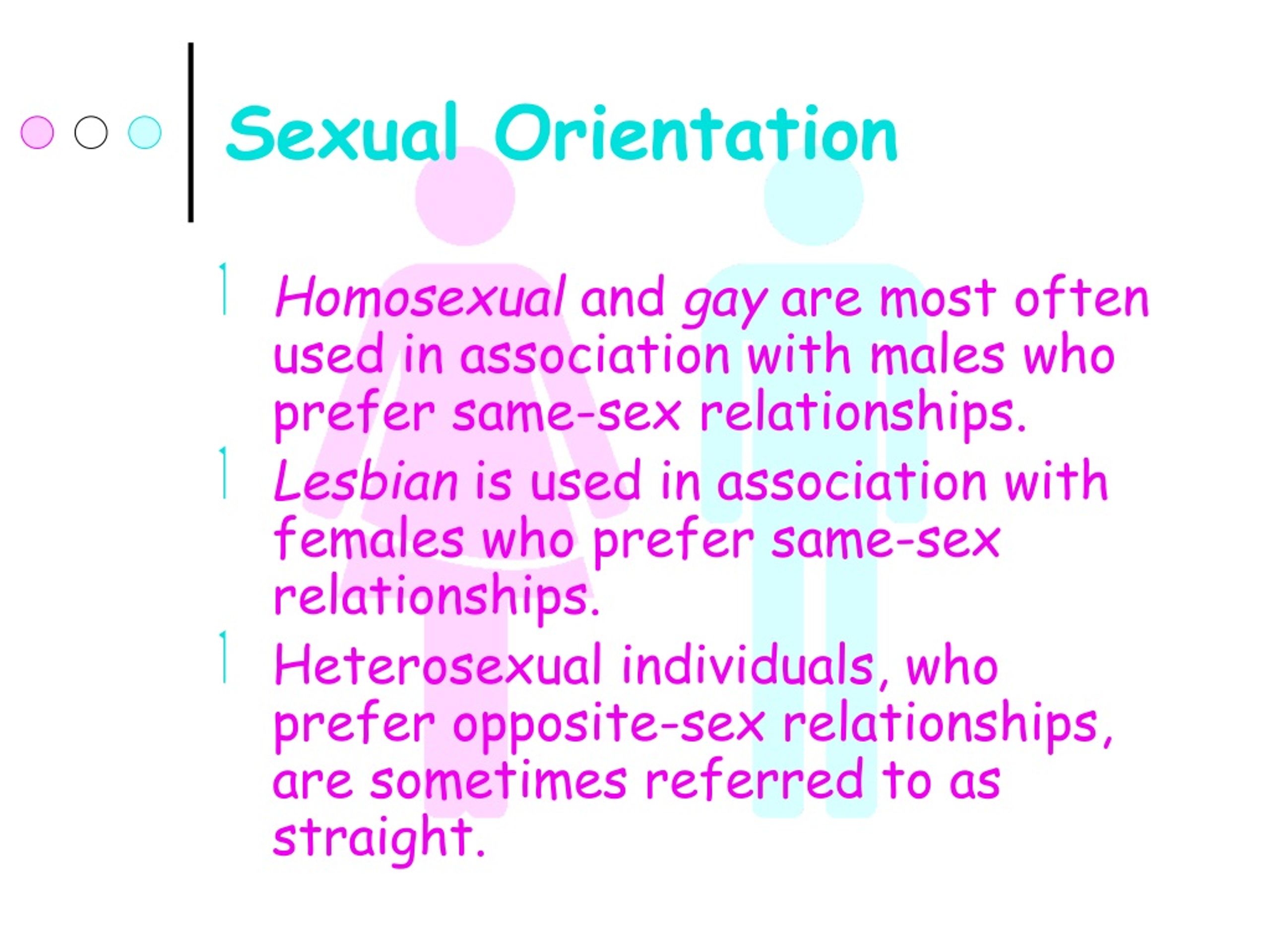
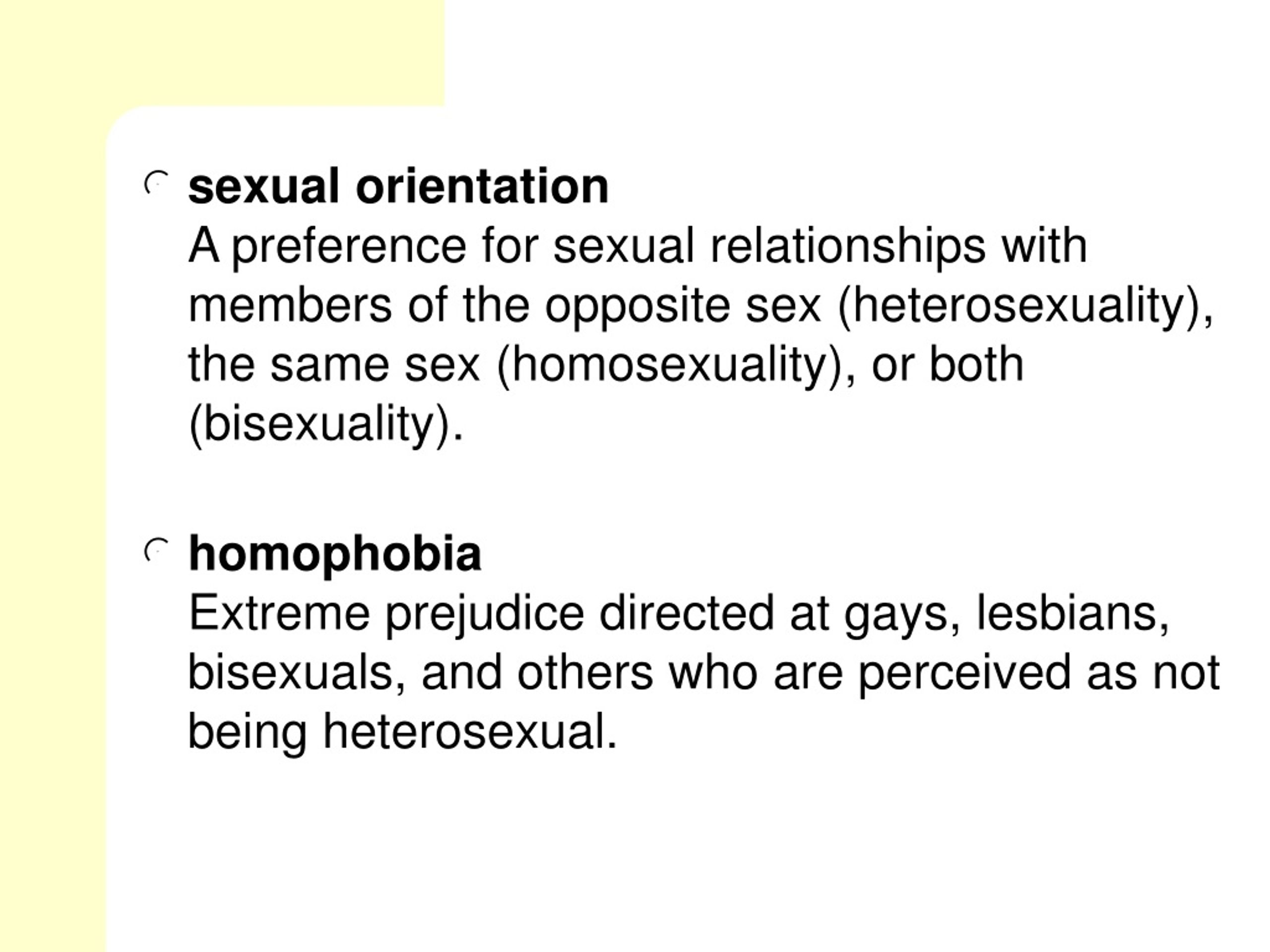
When it comes to sexual preference, there's a lot of confusion and misconception out there. At its core, sexual preference refers to the types of people we're attracted to, which can be influenced by a mix of factors, including biology, culture, and personal experience. It's a complex and highly individualized aspect of human relationships that can vary greatly from person to person.
One of the most interesting aspects of sexual preference is how it can shift and change over time. As people grow and develop, their preferences may expand or evolve, leading to new and exciting experiences. For example, someone who thought they were only attracted to one gender may discover that their preferences are more fluid than they initially thought.
Understanding the Spectrum
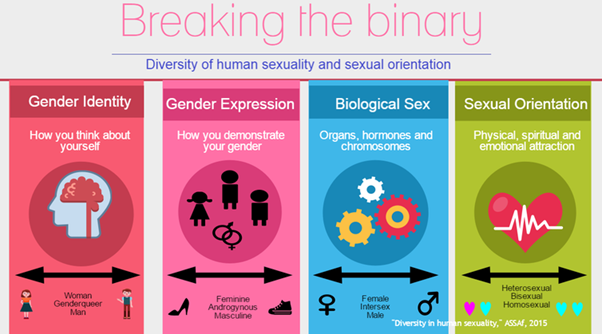
The concept of sexual preference exists on a spectrum, with people experiencing a wide range of attractions and desires. As
noted, human sexuality is far more complex and nuanced than traditional binary models would suggest. By acknowledging and embracing this spectrum, we can work to create a more inclusive and accepting environment for people of all sexual orientations.
In recent years, there has been a growing recognition of the importance of self-identification when it comes to sexual preference. This means allowing individuals to define their own sexual orientation and gender identity, rather than imposing external labels or expectations. By doing so, we can help to reduce stigma and promote greater understanding and empathy.
Despite the progress that's been made, there's still a long way to go in terms of promoting acceptance and inclusion for people of all sexual orientations. As LGBTQ+ advocates continue to push for greater recognition and rights, it's essential that we all play a role in promoting a more inclusive and compassionate society. By listening to and amplifying the voices of marginalized communities, we can work towards a brighter, more loving future for all.
Video: Sexual orientation and gender identity | Osmosis
The Power of Language
The language we use to describe sexual preference is also important, as it can either reinforce or challenge existing power dynamics and social norms. By using inclusive language and avoiding derogatory terms, we can help to create a more welcoming and respectful environment for people of all sexual orientations. As the renowned
"Audre Lorde"
once said, "If I didn't define myself, I would be crunched into other people's fantasies for me and eaten alive."
In the end, sexual preference is a deeply personal and individualized aspect of human experience that deserves to be respected and celebrated. By promoting greater understanding, acceptance, and inclusion, we can work towards a more loving and compassionate society that values the diversity of human relationships. As we continue to navigate the complexities of sexual preference, it's essential that we prioritize empathy, kindsness, and understanding in all our interactions.
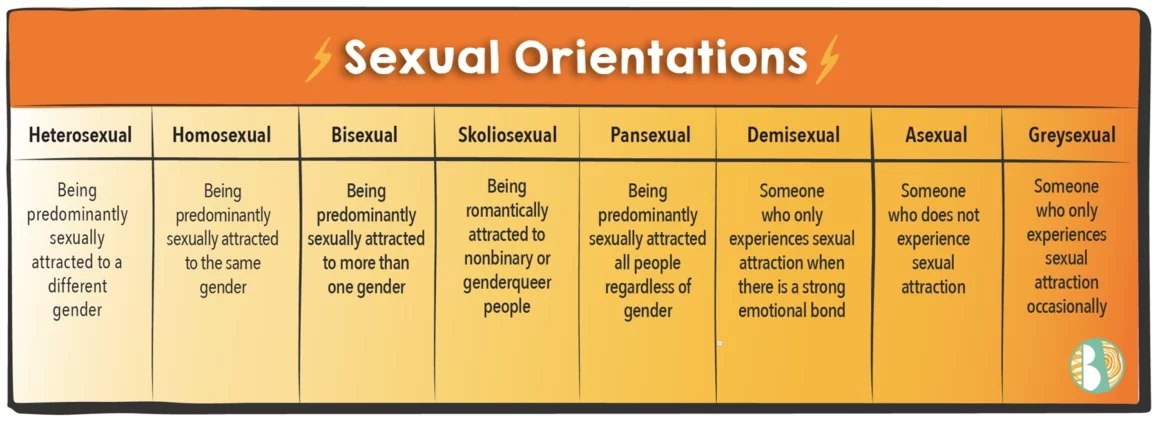
What is Sexual Orientation & Romantic Orientation? | BLOOM
As we move forward, it's crucial that we recognize the importance of education and awareness in promoting a more inclusive and accepting environment. By providing resources and support for people of all sexual orientations, we can help to reduce stigma and promote greater understanding. As the
"Harvey Milk"
once said, "Hope will never be silent."
In conclusion, sexual preference is a complex and multifaceted aspect of human experience that deserves to be respected and celebrated. By promoting greater understanding, acceptance, and inclusion, we can work towards a more loving and compassionate society that values the diversity of human relationships. As we continue to navigate the complexities of sexual preference, it's essential that we prioritize empathy, kindsness, and understanding in all our interactions.