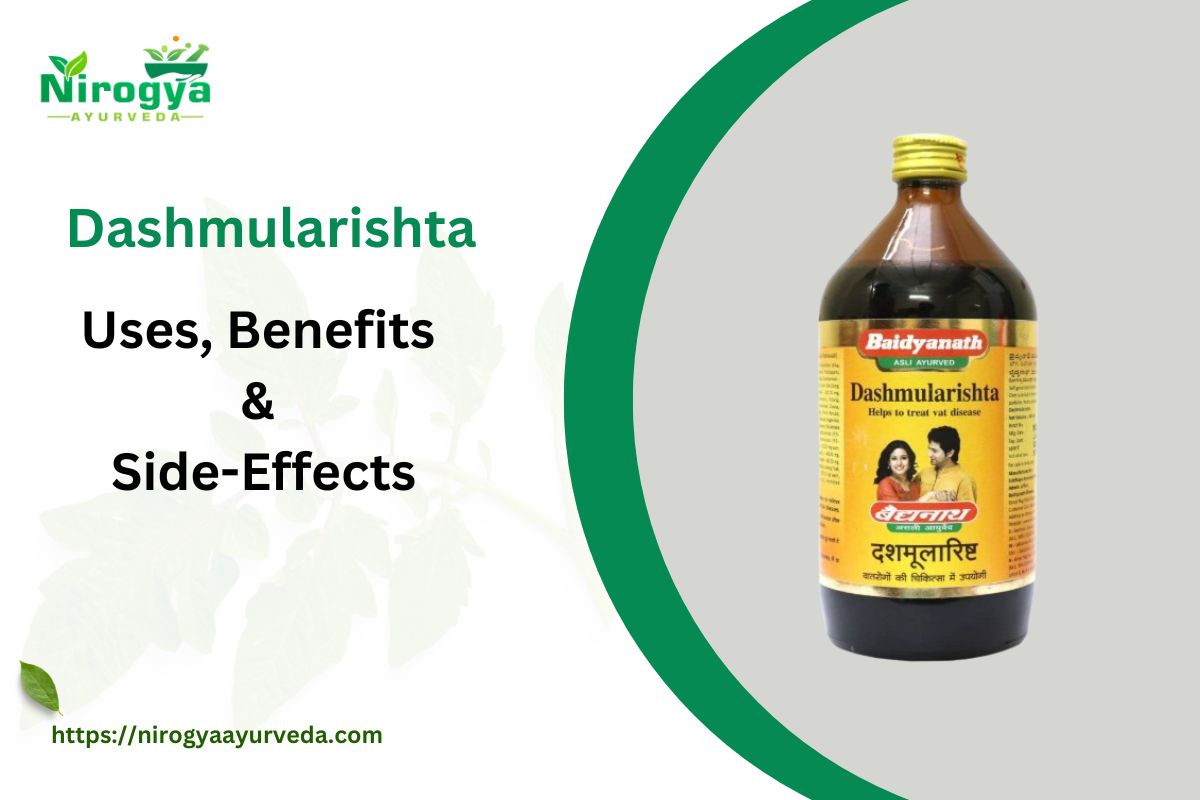
Dashmoolarishta Uses After Delivery

The first few weeks postpartum are a peculiar purgatory—a haze of sleepless nights, celebratory visitors, and a body that feels both alien and achingly familiar. While modern medicine focuses on postnatal checklists of stitches and lochia, the ancient wisdom of Ayurveda quietly whispers a different protocol: restore the fire within. This is where Dashmoolarishta, a classical herbal ferment, enters the conversation. Born from the sacred texts of Ayurveda thousands of years ago, this potent liquid is not just another supplement; it is a time-honored ritual designed to help the new mother reclaim her internal equilibrium. Yet, for many, it remains a mysterious bottle of brown liquid with a bitter reputation, relegated to the back of a grandmother’s cupboard.
To understand Dashmoolarishta is to understand a philosophy that views childbirth not as an event, but as a profound metabolic event. Ayurveda classifies the postnatal period as a time of intense Vata aggravation—the dosha associated with movement, air, and space. After delivery, the body has literally been ‘hollowed out,’ leaving the nervous system frayed and the digestive fire (agni) weak. Enter Dashmoolarishta, whose name translates to “the essence of ten roots.” This formulation uses the roots of ten specific medicinal plants, all of which are celebrated for their grounding, anti-inflammatory, and deeply nourishing properties. In a modern world obsessed with instant fixes, this ancient tonic offers something more radical: a slow, fermented, probiotic-rich approach to recovering your core.
The Alchemy of Ten Roots: More Than Just Herbs
Let’s get one thing straight: Dashmoolarishta is not a tincture, nor is it a simple tea. It is a self-generated wine-like preparation, where the herbs are not extracted but rather digested through a process of anaerobic fermentation with jaggery (natural sugar). This process, called Sandhana, transforms the raw plant material into bioavailable compounds that are gentle on a hyper-sensitive postpartum gut. The ‘ten roots’—including Bilva, Shyonaka, and Patala—are predominantly known for their affinity with the lower abdomen, working to tone the uterine muscles and pacify the frantic energy of an overworked nervous system. Dark, sticky, and pungent, a single sip is a journey back to a time when medicine was crafted, not manufactured.
Must Read
The darker, less-talked-about fact is that this preparation is a dead ringer for the concept of the “let-down reflex.” While modern medicine focuses on the hormone oxytocin, Ayurveda focuses on prana (life force) moving downwards. The herbal roots in Dashmoolarishta are known as Vata anulomana, meaning they direct the downward flow of energy. This isn’t just poetry; it has physical implications. By calming the adrenal glands and reducing cortisol spikes—the primary culprit in low milk supply and postpartum anxiety—this tonic indirectly supports lactation. But the psychological impact is just as potent. In a culture that often glorifies the ‘bounce back’ body, taking this bitter, earthy medicine daily forces a mother to slow down, to sit with the discomfort, and to honor the visceral messiness of creation. It is a liquid reminder that recovery is not a linear process.
However, the cultural impact of Dashmoolarishta is as layered as its ingredients. In Indian households, it is often the mother-in-law who administers the first dose, a ritual steeped in matriarchal authority. This act is a subtle transference of wisdom, a bridge between generations. But it also carries the weight of expectation. Today, as poly-pharmacy and Instagram reels dominate, the challenge lies in distinguishing between the genuine practitioner-recommended dose and the “more is better” fallacy. When used correctly, it is a masterpiece of functional medicine; when abused, it can overheat the system. The modern mother must learn to be both patient and alchemist, understanding that this dark liquid is not a panacea, but a highly specific tool for a very specific physiological state.
Your Postnatal Recovery Protocol: How to Use It Without Losing Your Mind
Let’s be practical. You’ve just pushed a watermelon-sized human out of your body, and the last thing you want is a complicated dosing schedule. The golden rule of Dashmoolarishta is dose discipline. The standard Ayurvedic protocol is 15–30 ml (roughly 1-2 tablespoons) mixed with an equal or double quantity of lukewarm water. Why water? Because the warmth activates the volatile oils in the roots, making them more digestible. Take it 30 minutes after breakfast and again after dinner. Please, I beg you, do not take it on an empty stomach—this is not a detox shot. The jaggery content can spike blood sugar, and the strong, penetrating quality can trigger nausea if your belly is empty.

Imagine you are a new mother named Priya, 34, who had a Cesarean section. Her Vata is chaotic; she is experiencing sciatic pain, sleep disruption, and a persistent low-grade fear that something is wrong. Her doctor prescribes painkillers, but her mother-in-law insists on Dashmoolarishta. What does the tonic do differently? The roots in the formula, particularly Bilva, are known for their Tikta (bitter) and Madhura (sweet) taste profiles, which have a stabilizing effect on the Apana Vata—the subset of Vata responsible for elimination, menstruation, and childbirth. Within two weeks of consistent use, Priya notices that her bowel movements are regular, her lower back feels less ‘unhinged,’ and crucially, her emotional outbursts are less volatile. It doesn’t suppress her feelings; it gives her the grounded space to experience them without being drowned.
Now, consider Sarah, 29, a first-time mother who had a vaginal delivery but experienced excessive bleeding. Her primary concern is fatigue and brain fog. Here, the Balya (strengthening) and Rasayana (rejuvenating) properties of the roots come to the fore. The fermentation process creates a mild alcohol content (less than 5%), which acts as a natural nervine and solvent. This is critical: the alcohol isn't there to get you drunk; it’s there to extract the fat-soluble alkaloids from the roots that water cannot. For Sarah, a consistent 10-day course helps stabilize her blood pressure and brings a much-needed sense of physical donation back to her limbs. The actionable takeaway is this: do not expect overnight results. This is a 30-to-45-day course, and you must monitor your body’s signals. If you feel an internal sensation of heat or your urine turns dark, reduce the dose or take it with milk instead of water—a classic practitioner adjustment.
Finally, the pitfalls. Yes, Dasmoolarishta can be an amazing ally, but it is strictly contraindicated during pregnancy, acute fever, or active infection. Because it promotes downwards movement, it is not for weight loss and should never be taken alongside caffeine or heavy meals. Furthermore, it is an acquired taste. It smells like a barnyard and tastes like bitter, sweet earth. Mixing it with a little warm water and a pinch of ginger powder can help mask the flavor. But here is the raw truth: if you want to cry at the taste, cry. The act of swallowing this medicine is a daily exercise in surrender. It teaches you that some parts of healing are not easy, not palatable, but deeply necessary.
The Modern Mother’s FAQ: Separating Fact from Folklore
Is it safe to take Dashmoolarishta while breastfeeding? Will it affect my baby?
In traditional Ayurvedic practice, Dashmoolarishta is considered Yogavahi, meaning it enhances the bioavailability of other foods and nutrients, including breast milk. It is generally considered safe and even beneficial for lactating mothers because it calms the stress response, which directly improves the let-down reflex. The herbal roots are gentle and do not cross into breast milk in an antagonistic way; rather, they help balance the mother’s system so she can produce better quality milk.

However, the caveat is the trace alcohol content. While negligible in standard doses, extremely sensitive infants may react to even trace amounts. The safest protocol is to take the dose immediately after feeding the baby, not before, ensuring the highest concentration of active compounds has been metabolized before the next feed. Always consult with a certified Ayurvedic practitioner who can assess your specific Prakriti (constitution) and your baby’s health. Do not double up on doses if you miss one; consistency is key, but overconsumption can lead to excessive heat in your body, which might manifest as restlessness in the infant.
Can Dashmoolarishta help with severe postpartum depression (PPD) and anxiety?
This is a critical topic. Dashmoolarishta is not a direct anti-depressant. It does, however, work on the physical manifestations of anxiety. By calming the sympathetic nervous system (the ‘fight or flight’ response) and reducing cortisol, it creates a physiological environment where emotional healing is possible. Many women report a feeling of “groundedness” and a reduction in the panicky, internal vibration that accompanies PPD, which is often linked to severe Vata imbalance.
That said, you cannot replace SSRI medication or psychotherapy with this tonic. It is a supportive, adjunctive therapy. If you are experiencing suicidal thoughts or an inability to function, you need a psychiatrist and a therapist. The green flag of using this tonic is that it helps you tolerate the therapy process better, reducing the physical jitters that come with emotional breakdown. Think of it as a foundation layer for the house of your mental health—it stabilizes the ground, but you still need to build the walls of cognitive support and the roof of professional help. Be honest with your doctor about every herb you are taking.
How long should I take it after delivery, and can I use it repeatedly for future children?
The classic text prescribes a course of 45 days for a vaginal delivery and up to 60-80 days for a Cesarean section. This is not a daily tonic for life. The purpose is to rebuild the deep tissues (known as Dhatu in Ayurveda) and to clear the channels of circulation. Taking it beyond the initial window without a specific indication can lead to an excess of heat (Pitta aggravation) in the body, causing rashes, acidity, or irritability. For future pregnancies, you would do a fresh course, as each postpartum period is unique.

The body retains a cellular memory of pregnancy, but the hormonal milieu of a second pregnancy is vastly different from the first. Some mothers find they require a lower dose the second time because their Agni (digestive fire) is stronger; others need a higher dose because age has made their tissues drier. The true wisdom here is to not treat your body like a static machine. Listen to the cues—your sleep quality, your skin glow, your digestive ease. When you feel your energy has stabilized and your lochia has completely stopped, you can taper off. Always finish the bottle or respect the practitioner’s timeline; stopping abruptly is not dangerous, but it is less effective.
What is the weird smell and taste? Am I spoiled or is this normal?
If your Dashmoolarishta smells like a cross between a horse stable and old wine, you have a genuine product on your hands. The smell comes from the complex carbohydrate fermentation with specific wild yeasts from the jaggery. This is not a defect; it is a hallmark of proper preparation. However, there is a difference between ‘earthy’ and ‘putrid’. Genuine preparation has a characteristic bitter, astringent, and slightly sweet taste, but it shouldn’t taste vinegary or rotten. The texture should be slightly viscous, not slimy.
To make it palatable, avoid mixing it with cold water or juice. The best way is to take it in a shot glass, followed by a glass of warm water or a bite of jaggery or dry figs to cleanse the palate. Some modern practitioners suggest adding it to a glass of room-temperature buttermilk, which is the traditional Anupan (vehicle) for many Ayurvedic medicines. The bitterness is part of its therapeutic medicine—it signals to the liver and the digestive tract to start working. Do not be tempted to add honey; honey in warm water is considered toxic in Ayurveda and kills the tonic’s effects.
I’ve had gallstones or liver issues. Can I still take this?
This requires a high degree of caution. Dashmoolarishta is hepatoprotective (liver-protective) in normal doses, but the sugar content and the fermentation process add a load on the liver’s metabolic pathways. If you have active gallstones, particularly those that are symptomatic, the bitter roots can occasionally trigger a contraction of the gallbladder, leading to pain. In cases of fatty liver disease, the high jaggery content may be counterproductive. It is absolutely vital to consult a hepatologist or your primary care physician before starting.
However, dysfunction is not absence of function. If your liver enzymes are slightly elevated due to pregnancy (a common phenomenon called intrahepatic cholestasis), and your doctor has cleared the condition post-delivery, the tonic can be fine. Ayurvedic texts actually list Bilva root as a remedy for jaundice, but the final determination must be individualized. In this context, your body is a complex house, and you wouldn’t repaint the walls if the wiring is suspect. Ensure your liver is functioning within normal parameters, and then proceed with a half-dose for the first week to see how your body metabolizes the herbs. Watch out for yellowing of the eyes or persistent nausea—these are non-negotiables that warrant immediate cessation.
Ultimately, Dashmoolarishta teaches us a lesson that goes far beyond postpartum health: the concept of ‘digestive rest’. Our modern culture demands performance 24/7, even from new mothers who are healing from the most massive physical trauma a human can endure. This ancient tonic forces a pause. It introduces a ritual, a bitter flavor, a daily commitment to one’s own cellular rebuilding. It connects us to the earth, to the roots of plants, and to the wisdom of grandmothers who knew that radical healing takes time. In a society that medicates away the postpartum experience, it asks us to feel ourselves rebuilding.
We are often terrified of bitterness in our lives—we want sugar-coated pills and easy solutions. But Dashmoolarishta is a metaphor for the entire postpartum journey: dark, complex, pungent, sometimes hard to swallow, but deeply nourishing when taken with intention and correct guidance. It doesn’t erase the fatigue or the chaos or the tears; it gives you the metabolic and nervous system support to walk through them with resilience. It is not about bouncing back; it is about sinking in, grounding down, and pulling strength from your roots.
So, as you hold that dark bottle, let it remind you that you are not a problem to be fixed. You are a system to be balanced. The fire of your digestion needs re-igniting, the wind of your anxiety needs calming, and the earth of your physical body needs reconstructing. The ten roots are simply your nature, whispering a promise that even after the deepest storms, life finds a way to bloom—if only we allow the bitter medicine of time and care to do its quiet, ancient work.