Colleges With 3.6 Gpa Acceptance

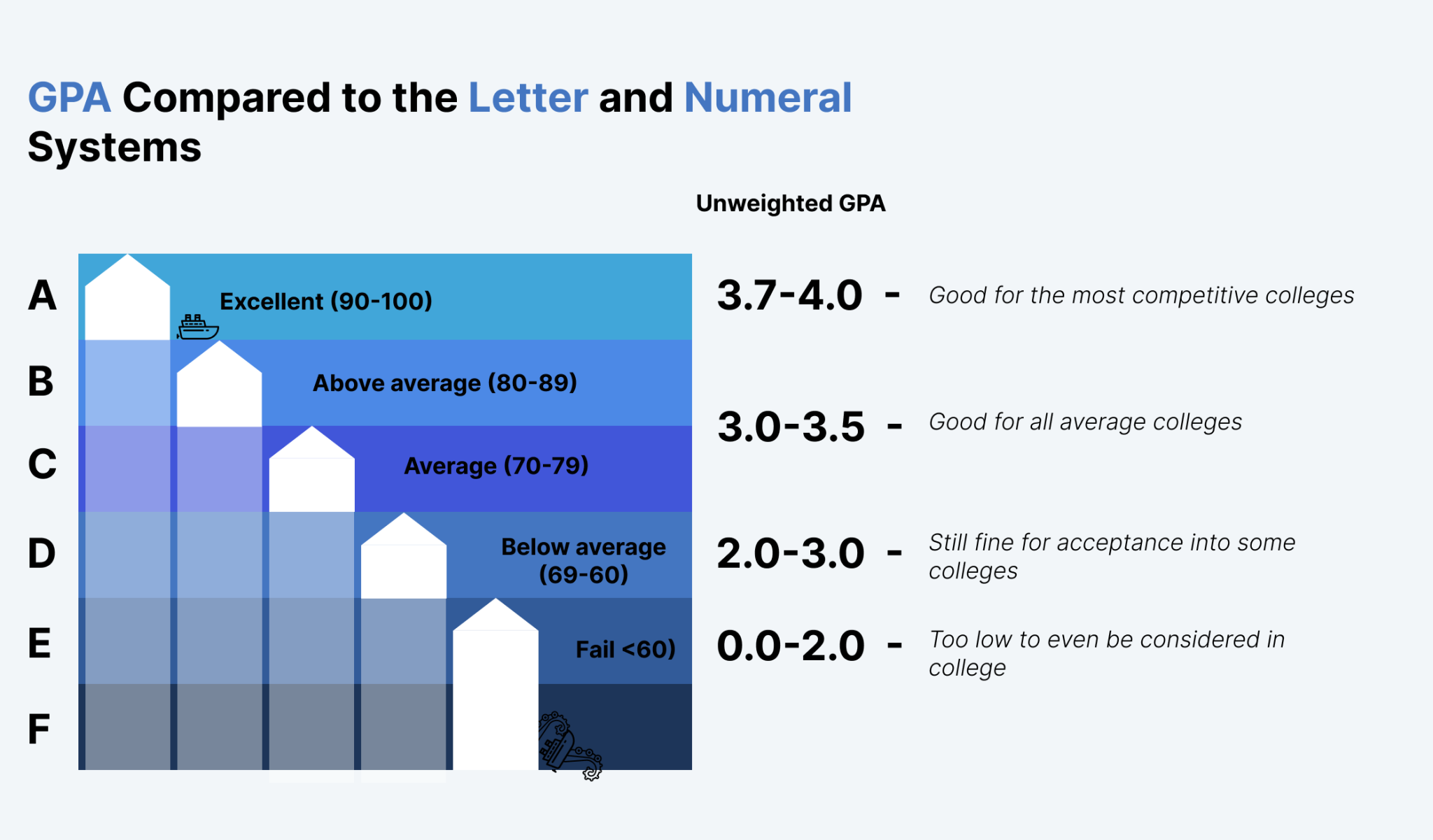
So, you’ve landed a 3.6 GPA. That’s not just a number; it’s a golden ticket that opens doors to hundreds of fantastic colleges without the nail-biting stress of a 4.0 race. This sweet spot means you’ve proven you’re a solid student with a life outside the library, which many admissions teams absolutely love. Let’s ditch the anxiety and explore why a 3.6 is your secret weapon for finding a school that’s both prestigious and a perfect fit.
Why a 3.6 is the “Sweet Spot”
A 3.6 GPA puts you comfortably above the “average” applicant at many top-tier public universities and competitive private colleges. You aren’t just competing for leftovers; you’re in the prime consideration zone for honors programs and merit scholarships. The purpose here is to show you that this GPA is a launchpad, not a limitation.
Think of it this way: you have the academic chops to handle rigorous coursework, but you also have time for sports, clubs, or a part-time job. Admissions officers see a 3.6 as a sign of balanced excellence, not a perfectionist who never slept. You’re exactly the kind of student who enlivens a campus community.
Must Read
Top Picks That Love a 3.6
Let’s talk specifics. Penn State University (University Park) historically accepts students with a 3.6, and you’ll be right at home in their massive alumni network. Similarly, Texas A&M University and University of Florida are powerhouse public schools where a 3.6 puts you in a highly competitive, but very viable, applicant pool.
Don’t sleep on private gems like Syracuse University or American University in D.C. These schools value your story and extracurriculars just as much as your transcript, making a 3.6 shine brightly. For a slightly more selective option, Rensselaer Polytechnic Institute (RPI) for STEM lovers often considers 3.6 students with strong test scores.

“Your GPA is a chapter, not the whole book. A 3.6 says you’re smart, but your essays say you’re interesting.” — Wise college counselor
The Hidden Benefit: Merit Aid and Honors
Here’s the fun part: many colleges use a 3.6 as the cutoff for automatic merit scholarships. That means you could walk into Arizona State University or University of Alabama and get thousands of dollars a year simply because you hit that mark. It’s like being rewarded for being excellent without being robotic.
Furthermore, a 3.6 often qualifies you for Honors Colleges within larger universities—like the ones at Ohio State or University of South Carolina. You get small classes, priority registration, and a fancy diploma distinction, all because your GPA hit that magic number.
How to Make Your 3.6 Work Harder
Don’t just submit your transcript and pray. Pair that 3.6 with a killer SAT/ACT score (if you have it) or a strong portfolio of leadership. Write an essay about a challenge you overcame, not just your love for science—that’s what makes a 3.6 memorable.

Also, apply Early Action to schools where your GPA is above the middle 50% range. That shows confidence and seriousness, and colleges reward that with faster admits and better aid packages. You’re not begging; you’re choosing them.
Realistic Reach, Match, and Safety
Be honest with yourself. A 3.6 is a match for schools like University of Washington, University of Wisconsin-Madison, and Purdue University. These are elite public institutions where your GPA puts you in the middle of the pack—which is a great place to be.

For reaches, try NYU or Boston University—you have a shot, but they’re not guarantees. For safety schools, look at University of Arizona or Iowa State University, where you’ll likely get in with honors and scholarships. You have a full buffet of options.
Your Move
Stop worrying about the “B” you got in calculus. Instead, focus on building a narrative that shows resilience, curiosity, and a bit of personality. Colleges with a 3.6 acceptance aren’t “backup” schools—they’re smart, vibrant communities that want you.
So go update your college list, breathe easy, and know that a 3.6 is not just accepted; it’s celebrated. You’ve done the hard work, and now it’s time to find a campus that sees your full value—grades and all.