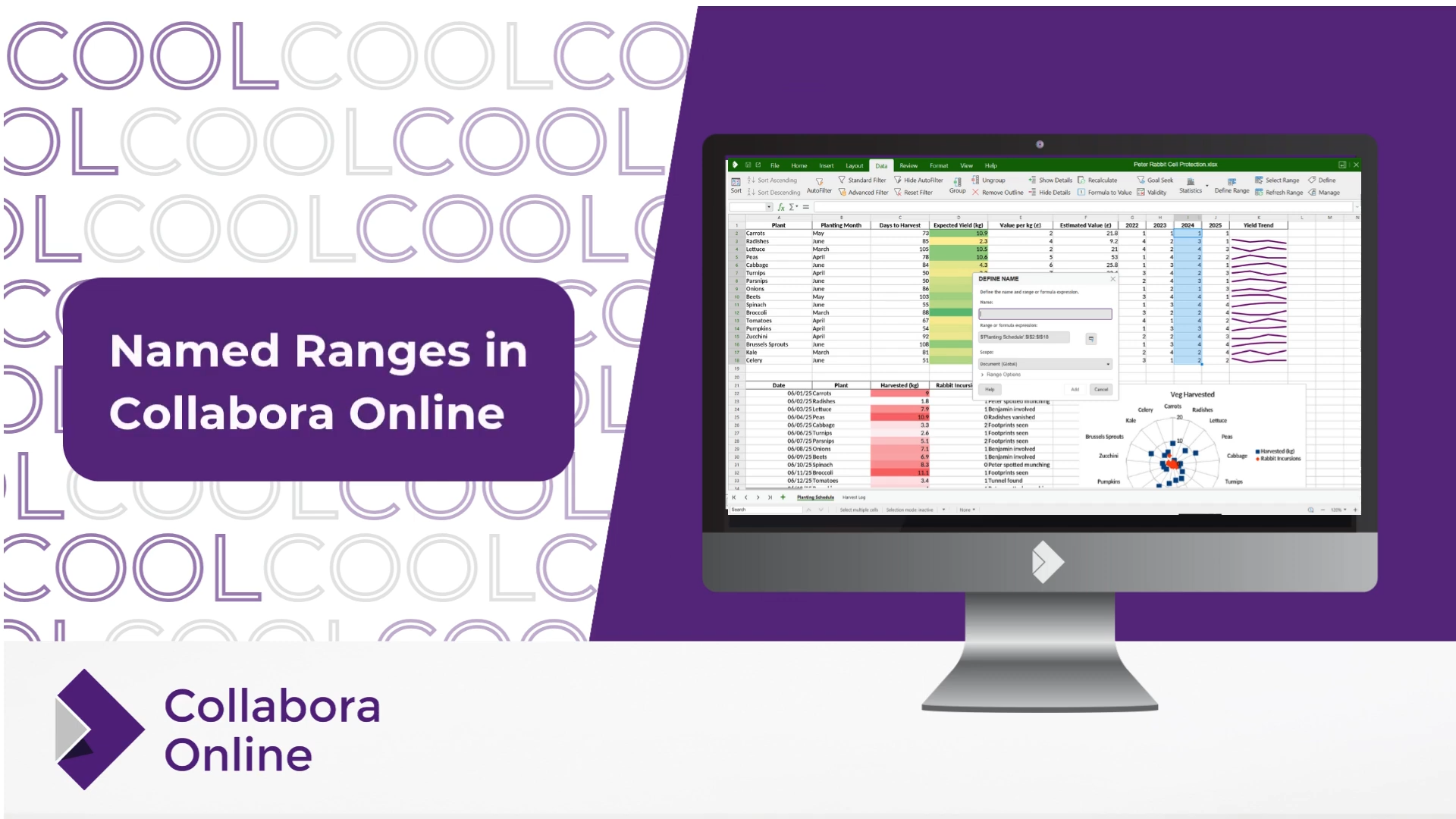
Collabera Online Assessment Test

So there I was, staring at my screen at 11:47 PM, my third cup of coffee turning cold beside me. I had just spent an hour wrestling with a logic puzzle that felt less like a test and more like a personal vendetta from a bored AI. My friend, who’d applied to the same tech company, had breezed through her test in 30 minutes, and I was convinced I’d somehow downloaded the “Advanced Torture Edition.”
That’s when I realized: online assessments are the new gatekeepers, and Collabera is one of the bouncers. You’ve probably heard their name if you’ve ever applied for a tech or IT role, and let me tell you, their test is a whole vibe. It’s not just about what you know; it’s about how you handle the pressure of a ticking clock while your cat decides to sit on your keyboard.
What Exactly is the Collabera Online Assessment?
Think of it as a digital hazing ritual, but with more multiple-choice questions and less paddling. Collabera, a massive IT staffing firm, uses this test to filter through thousands of candidates before a human recruiter even looks at your resume. You’ll typically see sections on aptitude, logical reasoning, and sometimes basic coding or technical terms, depending on the role.
Must Read
Here’s the kicker: it’s not standardized across the board. You might get a section on percentages that feels like a throwback to 9th grade, only to be hit with a flowchart question that makes you question your life choices. The test is adaptive, meaning it gets harder as you answer correctly—so that little ego boost you get early on is just a trap. Fun, right?
The Real Struggle: Time Management (and Panic)
The biggest enemy isn’t the difficulty; it’s the time limit per question. You’ll have anywhere from 60 to 90 seconds to solve each problem, and if you spend too long on one, it just moves on without you. I once spent 45 seconds debating whether a “vessel” was a ship or a container in a synonym question, and I paid for it dearly on the next one.
And don’t even get me started on the “no backtracking” rule. Once you click “Next,” that question is gone forever, like a text you accidentally sent to your boss. You have to make peace with uncertainty instantly, which is a great life skill but a terrible test experience. I found myself whispering, “I accept my fate,” more times than I’d like to admit.
Now, a little side note for you: do not take the test on your phone. I thought I was being smart, sneaking it in during my lunch break, but the screen kept jumping around. If you value your sanity, use a laptop with a stable connection and a calculator on the side. You’ll thank me later.
How to Actually Pass (Without Losing Your Mind)
First, practice with a timer. Not a gentle reminder—a strict, obnoxious timer that goes off like a fire alarm. You need to train your brain to move on, even when you feel that itch to solve the hard one. There are plenty of free aptitude tests online that mimic the style, so use them. Treat it like a video game: you’re just grinding for XP.
Second, read the question twice, but only twice. The wording is often tricky, designed to catch people who skim. For example, they’ll ask for the “least possible value” and you’ll happily calculate the greatest. It’s a classic bait-and-switch, and the only antidote is to slow down just enough to be fast. Does that make sense? It doesn't to me either, but it works.
Third, and this is crucial, skip the heavy technical stuff if it’s not your role. If you’re applying for a business analyst position, don’t stress over the C++ snippet they throw in “just for fun.” Most of the time, those questions are weighted less than the core logic sections. Focus your energy on the puzzle-like questions that test your pattern recognition, not your coding bootcamp memories.
The Aftermath: What Happens Next?
You hit “Submit,” and the screen freezes for a moment. You hold your breath, then a score pops up, often without any explanation or right answers. It’s like getting a grade on a test you’ll never see again—mysterious and deeply unsatisfying. But here’s the silver lining: if you clear a decent threshold, you usually get a call from a recruiter within a day or two.
Don’t be discouraged if you feel like you bombed it. The scoring is brutal, and many people fail on their first try simply because the format is so unnatural. The good news is that Collabera often lets you retake it after a waiting period, so you get a do-over. Treat the first attempt as a paid rehearsal; you just don’t get paid.
So, whether you’re a seasoned pro or a nervous newbie, remember that this test is just a hurdle, not a wall. It’s designed to filter, yes, but also to find people who can think on their feet. If you fail, laugh about it, order a pizza, and try again in a week. And if you pass, congrats—you’ve officially survived the awkward digital handshake that is the Collabera Online Assessment. Now go celebrate, because the real interview is a whole different circus. 🎪